EUR
 GBP
 CAD
 AUD

 🎃Halloween🎃
 Birthday
 Occasions
 Same Day
 Flowers
 Roses
 Plants
 Gifts
 International Flower Delivery
Arkansas's State Flower: Apple Blossom
The Arkansas state flower has a story that starts in sprawling Ozark orchards, winds through legislative halls, and still blooms every spring across the Natural State. Here's a fact that caught me off guard: Arkansas was only the second state in the entire country to officially adopt a floral emblem — and it picked the same flower as the first state to do so. Intrigued? You should be.
Here at the MyGlobalFlowers blog — our international flower delivery service that connects people with local florists around the world — we love digging into the stories behind America's state flowers. They're never just about petals. They're about identity, history, and the land itself.
In this article, you'll learn exactly what the state flower of Arkansas is, how it earned the title, what it looks like up close, what it symbolizes, how to grow it in your own yard, and a handful of fun facts that make great conversation starters. Let's get into it.

Inspired by apple blossoms? Send white flowers today
Browse fresh white floral arrangements, hand-arranged and delivered by a local florist near your recipient.
What is the Arkansas state flower?
The Arkansas state flower is the apple blossom — the delicate spring flower of the apple tree, scientifically classified as Malus domestica. Older botanical references sometimes list it under Malus coronaria or Pyrus coronaria, but all roads lead to the same tree: the common apple.
And that's an important distinction. The AR state flower isn't a wildflower you'd spot on a roadside hike. It's the blossom of a cultivated fruit tree, one that once powered a major agricultural industry across the state.
So what does it actually look like? Picture clusters of five-petaled blooms, each roughly 1 to 1.5 inches across, in shades ranging from crisp white to soft, blushing pink. The petals are slightly cupped, almost silky, and they carry a sweet, honey-like fragrance that practically announces spring. When an apple tree hits full bloom, the branches look like they've been dusted with fresh snow — except warmer, softer, and alive with the hum of bees.
History — how the apple blossom became the state flower of Arkansas




The state flower of Arkansas became official in 1901, when the Arkansas General Assembly designated the apple blossom as the state's floral emblem. That made Arkansas the second state to formalize such a symbol. Michigan had gone first in 1897 — and here's the twist — Michigan also chose the apple blossom. Two states, same flower, four years apart.
Why the apple blossom? It wasn't random nostalgia. In the late 1800s and early 1900s, Arkansas had a booming apple industry. The Ozark Plateau, with its rocky, well-drained hillsides and cool spring nights, turned out to be ideal apple-growing country. Benton County, tucked into the state's northwest corner, earned a reputation as the apple capital of Arkansas. Orchards stretched across the landscape, and apples became a serious cash crop.
Women's civic organizations played a key role in pushing for the designation. They saw the apple blossom as a fitting tribute to the state's agricultural backbone and its natural beauty — a flower that was both practical and lovely.
Now, the apple industry in Arkansas eventually declined. Disease, devastating late frosts, and fierce competition from Washington State orchards took their toll through the mid-twentieth century. But the blossom stayed. The legislature never reconsidered. And honestly, I think that says something — the flower of Arkansas represents not just what the state produces, but what it values.
The apple blossom — botanical profile of Arkansas's flower
The Arkansas state flower belongs to the genus Malus within the family Rosaceae — the same family that gives us roses, cherries, and strawberries. Good company.
In Arkansas, peak apple blossom season runs from late March through mid-April. The exact timing shifts depending on where you are. Most of the state falls within USDA hardiness zones 6b through 8a, so a tree in the cooler Ozark highlands might bloom a week or two later than one in the warmer lowlands near Texarkana.
The fragrance is mild but unmistakable — sweet, lightly honeyed, with a clean, almost green undertone. It's not overpowering. You have to lean in a little, which makes it feel personal.
Pollination is the critical chapter here. Apple blossoms rely heavily on bees — especially honeybees and native species like mason bees and bumblebees. Without them, no pollination. Without pollination, no fruit. This ties directly into the broader importance of pollinators in Arkansas agriculture, where crops from blueberries to watermelons depend on the same hardworking insects.
And here's the part I find genuinely charming: the same tree that gives you those ethereal spring blossoms also gives you apples in the fall. It's ornamental and productive. Beauty you can eat. Not every state flower can say that.
Symbolism and cultural meaning of the flower of Arkansas
The flower of Arkansas carries layers of meaning that go well beyond its legislative designation. Apple blossoms have been symbols of promise, fertility, good fortune, and new beginnings for centuries, across cultures from ancient Greece to medieval Europe to colonial America.
In the Victorian language of flowers — floriography, for the botanically nerdy — the apple blossom carries a specific, romantic message: "I prefer you above all others." That's not a casual compliment. It's a declaration. If someone handed you an apple blossom branch in the 1800s, they were saying something serious.
For Arkansas, the symbolism maps beautifully onto the state's identity. Arkansas calls itself the Natural State, and the apple blossom embodies that brand: rooted in the land, agricultural at its core, beautiful without trying too hard. It reflects the Ozark communities that built their livelihoods around orchards and the rhythms of the seasons.
You'll find apple blossom imagery on Arkansas-themed art, vintage postcards, commemorative stamps, and all sorts of state memorabilia. The blossom also plays a role in spring festivals throughout the Ozarks and pops up in local wedding traditions. April weddings in northwest Arkansas often feature branches of fresh apple blossoms — or arrangements designed to echo their soft white-and-pink palette. There's something fitting about starting a marriage under a flower that symbolizes both preference and promise.
Honestly, most articles about state flowers barely scratch the surface on symbolism. But I think it's the most interesting part. A state flower isn't just a botanical fact — it's a mirror.
How to grow apple blossom trees in Arkansas
The Arkansas state flower isn't something you can only admire from a distance. You can grow it in your own yard. Here's what you need to know.
Soil requirements
Apple trees prefer well-drained, slightly acidic soil with a pH between 6.0 and 7.0. If your property sits on the heavy clay soil common in parts of central and eastern Arkansas, amend the planting area generously with compost. Good drainage is non-negotiable — soggy roots kill apple trees faster than almost anything else.
Sunlight and placement
Plant your apple tree in full sun. That means at least 6 to 8 hours of direct sunlight every day. Choose a spot with good air circulation, too. Stagnant, humid air around the canopy is an open invitation for fungal diseases like powdery mildew and apple scab.
Watering and maintenance
Water deeply once a week during the first growing season to establish strong roots. Spread 2 to 3 inches of mulch around the base — keeping it a few inches away from the trunk — to retain moisture and regulate soil temperature. This matters especially during Arkansas's hot, punishing summers.
Prune in late winter, before new growth starts. Remove dead, damaged, or crossing branches to encourage airflow through the canopy. A well-pruned apple tree blooms more generously and stays healthier.
Best apple varieties for Arkansas
- Arkansas Black produces a deep, almost maroon apple on a hardy tree — and yes, this heritage variety was actually developed in the state.
- Fuji, Gala, and Honeycrisp perform well in zones 6b through 7b and deliver gorgeous spring blossoms.
- Crabapple varieties like Malus 'Prairifire' and Malus 'Donald Wyman' offer spectacular flowers if you want the blossom display without worrying about fruit production.
Common mistakes to avoid
- ✗Planting only one tree dooms your harvest — most apple varieties need a cross-pollinator within 50 feet to set fruit.
- ✗Ignoring pest management invites trouble — cedar-apple rust and fire blight are real threats in Arkansas's humid climate.
- ✗Over-watering in heavy soil leads to root rot, which kills more young apple trees than drought does.
Fun facts about the Arkansas state flower
The Arkansas state flower comes with a few surprises worth knowing. Here are some of my favorites:
- Arkansas shares its state flower with Michigan — both states chose the apple blossom, making it the only state flower held by two states simultaneously.
- The apple blossom blooms for only about two weeks each spring — making it one of the most fleeting state flowers in the country. Blink and you'll miss it.
- Benton County orchards once produced millions of pounds of apples annually — that economic powerhouse directly inspired the flower's selection.
- Apple blossoms attract over 20 species of native bees in Arkansas — turning every blooming tree into a buzzing pollinator hub.
- The Arkansas state quarter (released in 2003) features a diamond, rice stalks, and a mallard — but skips the apple blossom entirely. A missed opportunity, honestly.
The apple blossom in seasonal celebrations and holidays

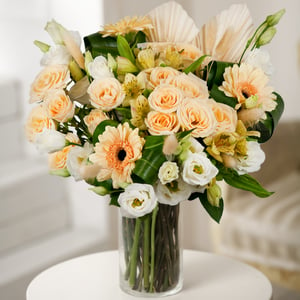
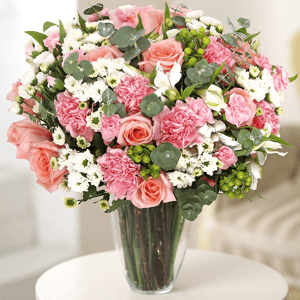
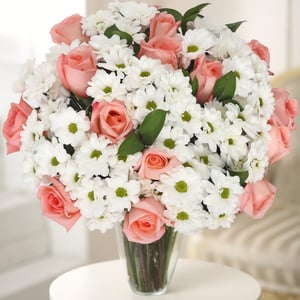
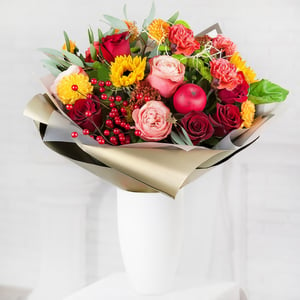
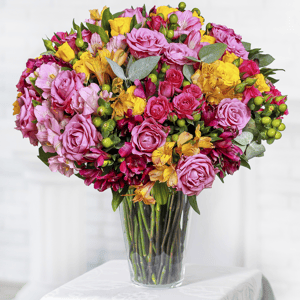
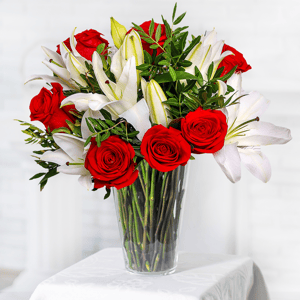
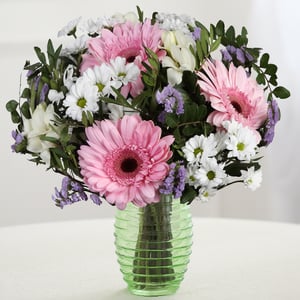
The Arkansas state flower naturally ties into some key dates on the calendar. Here's how:
- Spring weddings: Apple blossom branches make stunning, fragrant arrangements for April weddings in Arkansas. Their white-to-pink palette works with almost any color scheme, and the symbolism of "new beginnings" couldn't be more fitting.
- Mother's Day (second Sunday in May): The blossoms may be past peak by then, but apple-blossom-themed floral arrangements — think soft pinks, whites, and delicate sprays — honor the state's heritage beautifully. If you want to send flowers to someone in Arkansas, local florists can create seasonal bouquets that echo the apple blossom's gentle beauty, with each arrangement reflecting the artisan touch of a real person crafting something just for your recipient.
- Earth Day (April 22): Planting an apple tree is one of the most meaningful ways to celebrate. You get spring blossoms, fall fruit, and a home for pollinators — all from a single tree.
- Arkansas statehood anniversary (June 15): A perfect occasion to appreciate the state's official symbols, from the apple blossom to the Northern Mockingbird.
Celebrate spring beauty today
A fresh white bouquet, hand-arranged by a local florist and delivered to the door.
Other Arkansas state symbols worth knowing
The Arkansas state flower doesn't exist in a vacuum. It sits alongside a whole family of official symbols:
- State tree: Loblolly Pine — a towering softwood that dominates the southern and eastern parts of the state.
- State bird: Northern Mockingbird — famous for its ability to mimic dozens of other bird songs.
- State insect: Honeybee — and here's a satisfying connection: the honeybee is also the apple blossom's most important pollinator. These two symbols literally depend on each other.
- State gem: Diamond — Arkansas is the only US state with an active diamond mine open to the public (Crater of Diamonds State Park near Murfreesboro).
Final thoughts
Honestly, I think the apple blossom is one of the most underrated state flowers in America. It doesn't have the flash of Hawaii's hibiscus or the drama of Texas's bluebonnet. But it tells a richer story — of orchards that fed families, of an industry that shaped a region, of a two-week window every spring when Arkansas trees put on a quiet, breathtaking show that most people outside the state never hear about.
If you ever get the chance, visit an Arkansas orchard in late March or early April. Walk between the rows. Lean in and breathe. You'll understand why the General Assembly didn't need to debate long.
Or plant your own apple tree this season. Even one tree — okay, two, because cross-pollination — gives you blossoms, bees, shade, and fruit. That's a lot of return on a single planting.
Feeling inspired? Browse seasonal bouquets in our catalog or share this article with a friend who loves botanical trivia. And I'd genuinely love to know: what's your state flower — and do you think it's a good pick?
Frequently asked questions about arkansas state flower
What is the Arkansas state flower?▾
The Arkansas state flower is the apple blossom (Malus domestica). The Arkansas General Assembly adopted it in 1901, making Arkansas the second state in the country to designate an official floral emblem.
Why did Arkansas choose the apple blossom as its state flower?▾
Arkansas had a booming apple industry in the late 1800s, especially across the Ozark Plateau region. The apple blossom honored the economic and cultural importance of apple orchards to the state, and women's civic organizations championed the cause.
When does the Arkansas state flower bloom?▾
Apple blossoms typically bloom in Arkansas from late March through mid-April, depending on the region and weather conditions. The bloom window lasts roughly two weeks.
Can you grow apple blossom trees at home in Arkansas?▾
Yes. Apple trees thrive in most of Arkansas (USDA zones 6b through 8a). Plant them in full sun, in well-drained slightly acidic soil, and make sure you have a compatible cross-pollinator nearby — ideally within 50 feet.
Does any other state share the apple blossom as its state flower?▾
Michigan also designated the apple blossom as its state flower, in 1897 — four years before Arkansas did. They remain the only two states that share this floral emblem.