EUR
 GBP
 CAD
 AUD

 Birthday
 Same Day
 Occasions
 Flowers
 Roses
 Plants
 Gifts
 International Flower Delivery
The Cultural Significance and Traditions of Flower Gifting in Mexico
- 💀 Flowers function as a cultural language, rooted in the Aztec xochitl and expressed through the dahlia and marigold.
- 🎨 Color carries consequences — red for romance not funerals, yellow roses can signal jealousy, white for weddings and sympathy.
- 💐 Día de las Madres (May 10) drives one of the year's biggest flower-buying days — order ahead.
Picture this: you're walking through a bustling market in Oaxaca, and every stall overflows with color — fiery orange marigolds, deep crimson dahlias, snow-white tuberoses releasing their heady perfume into the warm air. Every single Mexican flower in that market tells a story that stretches back thousands of years. Honestly, few countries on Earth have a relationship with flowers as passionate, spiritual, and deeply woven into daily life as Mexico does.
Whether you want to impress someone with your knowledge of flowers native to Mexico, choose the right blooms for a funeral or a wedding, or simply send a gorgeous bouquet to a loved one across the border, this guide covers it all. MyGlobalFlowers — an international flower delivery service operating in 30+ countries — makes it easy to order fresh bouquets while you're in the US and have local florists in Mexico hand-deliver them the same day.
Here's what you'll learn: the most iconic flowers native to Mexico (with deeper cultural context than you'll find anywhere else), the powerful role of flowers in Mexican culture from Aztec poetry to Diego Rivera's murals, which Mexican funeral flowers convey genuine respect, a practical occasion-by-occasion gifting guide, common mistakes to avoid, and exactly how to send flowers to Mexico from your couch in New York, Los Angeles, or anywhere in between.

Celebrate Mexico's floral spirit
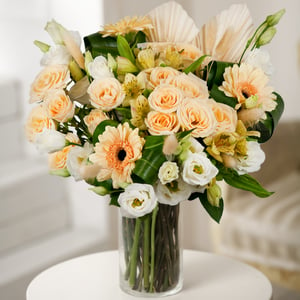
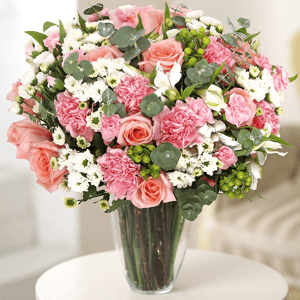
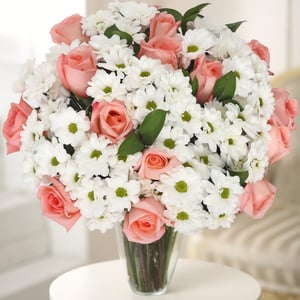
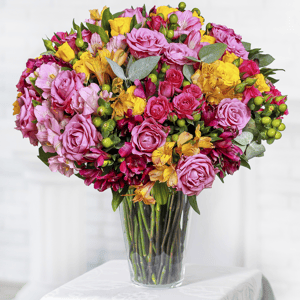
Browse vibrant mixed bouquets and arrangements, hand-delivered by local florists near your recipient.
Flowers native to Mexico — the most iconic species
Mexican flower diversity is staggering. Mexico sits at the crossroads of the Nearctic and Neotropical bioregions, and that collision of ecosystems has produced roughly 23,000 plant species — about 10% of all plant diversity on the planet. Let's explore the blooms that define this country's botanical soul.
Dahlia (Dahlia pinnata) — the national flower of Mexico
The dahlia reigns as Mexico's national flower, and the reason goes beyond beauty. Aztec communities cultivated dahlias in the highlands of central Mexico long before Europeans arrived. They used the hollow stems as water pipes and the tubers as a food source. When the Mexican government officially named the dahlia the national flower in 1963, the choice honored centuries of indigenous heritage, not just aesthetics.
Dahlias explode in almost every color imaginable — red, pink, orange, yellow, white, lavender, and dramatic bi-color combinations. Blooms range from tiny 2-inch pompons to dinner-plate varieties stretching 10–12 inches across. The dahlia thrives in Mexico's temperate highlands, especially in the states of Mexico, Oaxaca, and Hidalgo. Peak bloom season runs from July through October, painting entire hillsides in riotous color.
Marigold (Tagetes erecta) — the flower of the dead
No Mexican flower carries more spiritual weight than the marigold, known in Nahuatl as cempoalxóchitl — meaning "twenty flowers," a nod to the layered clusters of petals that crown each bloom. Aztec healers used marigolds to treat digestive problems and skin conditions. Today, marigold petals blanket altars and cemetery paths during Día de los Muertos, guiding the spirits of the departed back to their families with vivid orange and gold color and a pungent, unmistakable scent.
These hardy flowers grow 24–36 inches tall, thrive in full sun, and bloom from midsummer through the first frost. Mexican farmers cultivate marigolds extensively in Puebla, Tlaxcala, and the State of Mexico, ramping up production as November approaches. I find it fascinating that a flower so closely tied to death actually radiates pure warmth and joy in its appearance.
Poinsettia (Euphorbia pulcherrima) — the Christmas star
Americans associate poinsettias with Christmas décor, but this Mexican flower has roots far deeper than holiday tablescapes. The Aztecs called the plant cuetlaxóchitl, meaning "flower that withers" or "leather flower," and they extracted red dye from its bracts and used the milky sap medicinally to control fevers. Wild poinsettias grow as sprawling shrubs reaching 10–15 feet tall in the warm, semi-deciduous forests of Guerrero, Oaxaca, and Chiapas.
The vibrant red "petals" are actually modified leaves called bracts. True flowers sit in the tiny yellow clusters at the center. Poinsettias bloom naturally in December and January, triggered by the shorter daylight hours of winter — making their Christmas connection beautifully organic, not manufactured.
Chocolate cosmos (Cosmos atrosanguineus)
This one surprised me. The chocolate cosmos produces deep burgundy-to-maroon flowers roughly 1.5–2 inches wide, and they genuinely smell like dark chocolate on a warm afternoon. Native to the highlands of central Mexico, the species is now considered extinct in the wild. Every chocolate cosmos growing today descends from a single non-fertile clone propagated vegetatively since 1902.
Bloom season stretches from midsummer through fall. The flowers grow on slender stems reaching 24–30 inches. Breeders and botanical gardens continue efforts to diversify the gene pool, but for now, the chocolate cosmos remains a beautiful, bittersweet reminder of how fragile native species can be.
Laelia orchid (Laelia rubescens)
Mexican flower enthusiasts revere the Laelia orchid for its ethereal elegance. Laelia rubescens grows as an epiphyte — clinging to tree branches and rocks in the oak and pine-oak forests of western and southern Mexico, from Sinaloa down through Oaxaca and Chiapas. Clusters of pale pink to lilac flowers appear from late fall through winter, each bloom measuring roughly 2–3 inches across with a delicate, sweet fragrance.
Pre-Columbian peoples used certain Laelia species to make a mucilaginous glue for attaching feathers to ceremonial headdresses — a use that connects this orchid directly to the artistry of Aztec and Mixtec craftspeople.
Mexican sunflower (Tithonia diversifolia)
Don't confuse the Mexican sunflower with the common sunflower (Helianthus annuus), even though both trace origins to Mexico. Tithonia diversifolia grows as a robust shrub reaching 6–15 feet tall, producing bright orange-yellow daisy-like blooms 3–4 inches across. The plant flourishes in disturbed soils and roadsides across Mexico's tropical lowlands and mid-elevation zones, from Veracruz to Jalisco.
Farmers across Latin America and Africa now use Mexican sunflower as green manure and animal fodder, but in its homeland, the plant has long served as a natural fence row and pollinator magnet. Bloom season peaks from September through December.
Mexican passion flower (Passiflora mexicana)
The Mexican passion flower produces small, intricate greenish-yellow blooms about 1–1.5 inches wide, featuring the elaborate corona filaments that make all passion flowers look like tiny alien sculptures. This vine climbs through tropical and subtropical forests in Chiapas, Veracruz, and the Yucatán Peninsula.
Indigenous communities used passion flower species for their mild sedative properties, brewing teas to calm anxiety and encourage sleep. The plant also produces small, edible fruits — not as showy as commercial passion fruit, but a quiet treat in rural Mexican kitchens.
Mexican honeysuckle (Justicia spicigera)
Mexican honeysuckle is a powerhouse of cultural utility disguised as a modest shrub. Bright tubular orange flowers cluster at the branch tips, each bloom roughly 1.5 inches long, attracting hummingbirds from Sonora to Chiapas. The plant blooms nearly year-round in frost-free zones.
Here's where the story gets rich: the Aztecs called this plant muicle and used its leaves to produce a vivid blue dye for textiles and codex illustrations. Traditional healers prescribed muicle tea for anemia, digestive complaints, and respiratory ailments. Modern pharmacological studies have confirmed notable antioxidant and anti-inflammatory properties in leaf extracts, validating centuries of indigenous knowledge.
Pineapple sage (Salvia elegans)
Crush a leaf of pineapple sage between your fingers, and you'll get a burst of tropical pineapple fragrance — no exaggeration. This Mexican flower native to the pine-oak forests of the Sierra Madre (particularly in Durango, Jalisco, and Oaxaca) produces slender spikes of brilliant scarlet tubular flowers, each about 1 inch long, from late summer through the first frost.
The plant grows 3–5 feet tall and thrives at elevations between 6,000 and 9,000 feet. Mexican cooks steep pineapple sage in fruit drinks and desserts. Hummingbirds treat the nectar-rich flowers as a personal buffet.
Mexican frangipani (Plumeria rubra)
The frangipani — or cacaloxóchitl in Nahuatl, meaning "crow flower" — holds a special place among flowers native to Mexico. This small tropical tree produces waxy, five-petaled flowers in shades of pink, red, yellow, and white, each bloom about 2–3 inches across and powerfully fragrant, especially at night. Pre-Columbian Maya and Aztec nobility associated frangipani with elite status and the divine. Sculptors carved frangipani motifs into temple walls at Palenque and other ceremonial centers.
Mexican frangipani grows along the Pacific and Gulf coasts, thriving in Guerrero, Colima, Veracruz, and the Yucatán. Bloom season runs from late spring through fall.
Mexican morning glory (Ipomoea hederacea)
Mexican morning glory vines twist upward along fences and trellises, unfurling trumpet-shaped flowers 1.5–2 inches wide at dawn and closing by midafternoon. Colors range from sky blue to deep purple, pink, and white. The genus Ipomoea has deep roots in Mexican ethnobotany — the Aztecs used the seeds of a related species (Ipomoea tricolor) in ritual ceremonies for their psychoactive properties, calling them tlitlitzin.
Morning glories grow prolifically across Mexico's temperate and tropical zones, blooming from late spring through fall. The vine's rapid growth makes it a favorite for covering garden walls quickly.
Yucca flower (Yucca baccata)
The yucca flower brings us into Mexico's arid north — the deserts and scrublands of Sonora, Chihuahua, and Baja California. Yucca baccata (banana yucca) sends up dramatic flower stalks loaded with creamy white, bell-shaped blooms, each about 2–3 inches long, in spring and early summer. Indigenous peoples of northern Mexico and the US Southwest ate yucca flowers, fruits, and roasted the roots. The plant depends entirely on the yucca moth (Tegeticula) for pollination — one of nature's most elegant examples of mutualistic symbiosis.
Yucca plants survive extreme heat and drought, making them an enduring symbol of resilience in Mexico's harshest landscapes.
Flowers in Mexican culture — why blooms matter so much
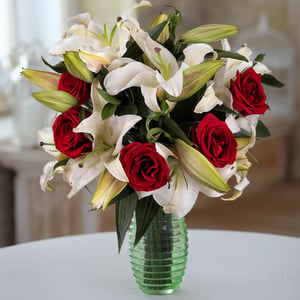
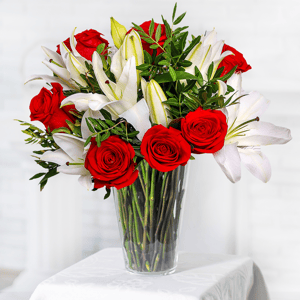
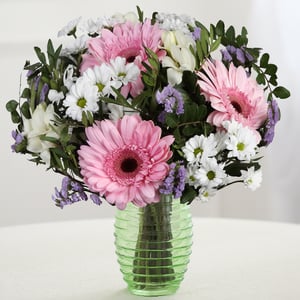
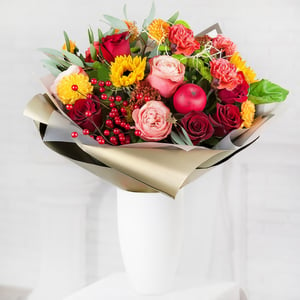
Mexican flower traditions run deeper than decoration. Flowers sit at the very center of Mexico's spiritual, artistic, and social identity — and understanding this context transforms how you choose and give blooms.
The Aztec philosophy of xochitl
In the Nahuatl language, xochitl means "flower," and the word permeated Aztec life far beyond botany. Aztec poets used xochitl as a metaphor for beauty, truth, and the fleeting nature of life itself. The famous philosophical concept in xochitl, in cuicatl — "the flower, the song" — represented the highest expression of artistic and spiritual truth. To speak "flower and song" was to speak divine wisdom.
Xochimilco, the UNESCO World Heritage site on the southern edge of Mexico City, literally translates to "place where flowers grow." Aztec emperors maintained elaborate botanical gardens there — possibly the first organized botanical gardens in the Americas — where they cultivated medicinal herbs, ornamental flowers, and aromatic plants. Montezuma's gardens at Huaxtepec reportedly impressed even the Spanish conquistadors, who compared them favorably to anything they'd seen in Europe.
Flowers in Mexican art and folk traditions
Diego Rivera painted flowers obsessively. His murals at the National Palace in Mexico City feature calla lilies carried by indigenous women — an image so iconic that calla lilies became synonymous with Mexican identity in 20th-century art. Frida Kahlo wove flowers into her self-portraits and her actual hair, treating blooms as extensions of her body and emotional state.
Beyond the fine arts, flowers in Mexican culture appear everywhere: in the intricate floral embroidery of Oaxacan huipiles, in papel picado (perforated paper banners), in the painted ceramics of Talavera, and in the wax flower arrangements crafted for church altars in small towns across the country. Flowers aren't accessories in Mexico — they're vocabulary.
Flowers and Mexico's major celebrations
Día de los Muertos (November 1–2) gets the most international attention, but flowers in Mexican culture mark virtually every significant moment. Día de las Madres on May 10 generates one of the largest single-day flower sales in the world — Mexican families buy millions of roses, gladioli, and mixed arrangements for their mothers. By the way, this date is fixed, not the second Sunday of May like in the US, so mark your calendar differently.
Weddings in Mexico feature lush floral arches, corsages, bouquets, and church decorations built from white flowers — gardenias, tuberoses, roses, and sometimes orange blossoms, symbolizing purity and new beginnings. Even quinceañeras (15th birthday celebrations) revolve around elaborate floral centerpieces and a bouquet for the birthday girl. Flowers aren't optional at Mexican celebrations. They're essential.
Mexican funeral flowers — choosing the right blooms for sympathy
Mexican flower customs around death carry enormous emotional and cultural weight, and getting them right matters deeply. Funerals and memorial services in Mexico tend to feature large, elaborate floral arrangements — far more abundant than what you might see at a typical American memorial. Families notice and appreciate generous displays of flowers. Sending a small, minimalist arrangement can unintentionally signal indifference.
Best flowers for Mexican funerals
- White roses convey purity, reverence, and eternal love.
- White gladioli symbolize strength of character and sincerity — funeral directors in Mexico use them frequently in standing sprays.
- White lilies represent the restored innocence of the departed soul.
- Chrysanthemums carry associations with grief and remembrance throughout Latin America.
- White carnations express pure love and remembrance at an affordable price point.
Colors to choose — and colors to avoid
Stick with white, cream, soft lavender, and pale pink for funeral arrangements. These colors communicate respect, peace, and solemnity. Avoid bright red flowers — red signals passion and romance, not mourning. Skip cheerful yellows and oranges too, unless you're contributing to a Día de los Muertos altar, which operates under completely different cultural rules.
Día de los Muertos vs. a traditional funeral
Here's a crucial distinction. Día de los Muertos is a celebration, not a funeral. Families build colorful altars (ofrendas) loaded with marigolds, cockscomb, food, candles, and photos of the deceased. The mood is joyful — people laugh, share memories, and eat the favorite dishes of their departed loved ones. Marigolds flood these altars because their intense color and scent are believed to guide spirits home.
A standard Mexican funeral, though, follows a more solemn tone. White flowers dominate. Large coronas (wreath-like arrangements) and standing sprays fill the funeral home. If you're in the US and need to send Mexican funeral flowers to a grieving family, local florists handle culturally appropriate sympathy arrangements — just specify the occasion when you order.
Practical advice for sending sympathy flowers to Mexico
Order early. Mexican funeral services often happen within 24–48 hours of death, so timing matters. MyGlobalFlowers connects you with local florists who can assemble and hand-deliver a sympathy arrangement quickly. Include a condolence message in Spanish if possible — even a simple "Con nuestro más sentido pésame" ("With our deepest condolences") shows thoughtfulness.
Flowers for every occasion in Mexico — a practical guide
Mexican flower traditions vary dramatically by occasion. Use this section as your cheat sheet so you never show up with the wrong blooms.
Día de las Madres (May 10)
Día de las Madres is arguably the single biggest flower-giving day in Mexico — bigger than Valentine's Day. Red roses dominate, but gladioli, mixed colorful bouquets, and arrangements with lilies also sell by the millions. Mexican families celebrate mothers with serious devotion: restaurants book up weeks in advance, mariachi bands serenade mothers at breakfast, and flower markets operate through the night on May 9.
Remember: May 10 is a fixed date. Order ahead, because local florists experience peak demand. MyGlobalFlowers lets you schedule delivery in Mexico City, Guadalajara, Monterrey, or any major city so the bouquet arrives right on time.
Día de los Muertos (November 1–2)
Marigolds (cempasúchil) reign supreme. Cockscomb flowers (mano de león, meaning "lion's paw") add deep red velvet texture to altars. Some families include white baby's breath, purple statice, or wildflowers to round out the offering. The key color palette: vibrant orange, deep red, and touches of purple and white.
You can order Día de los Muertos–appropriate arrangements through MyGlobalFlowers and send flowers to your family's altar even if you're thousands of miles away in the US.
Valentine's Day / Día del Amor y la Amistad (February 14)
Mexico celebrates February 14 as the "Day of Love and Friendship," so the holiday covers romantic partners and close friends alike. Red roses remain the classic romantic choice. Tulips, orchids, and mixed arrangements in pink and red also work beautifully. For friends, consider cheerful sunflowers, gerbera daisies, or a fun mixed bouquet in bright colors.
Weddings in Mexico
White flowers dominate Mexican wedding décor. Gardenias add intoxicating fragrance. Tuberoses (nardo) carry a sweet, heavy scent that fills entire churches. White roses provide structure and elegance. Some brides incorporate orange blossoms (azahar) for their traditional association with purity and fertility. For destination weddings in Cancún or Los Cabos, tropical flowers like white orchids and anthuriums blend beautifully with coastal settings.
Birthdays and congratulations
Go bright and joyful. Sunflowers radiate happiness. Gerbera daisies deliver cheerful pops of color. Mixed bouquets combining roses, lilies, chrysanthemums, and seasonal blooms make versatile birthday gifts. You can personalize the arrangement by choosing your recipient's favorite colors.
Christmas and New Year
Poinsettias are the undisputed queens of Christmas in Mexico. Families place potted poinsettias (flores de Nochebuena, literally "Christmas Eve flowers") throughout their homes. Red and white flower arrangements with roses, carnations, and holly accents also mark the holiday season. For New Year celebrations, some families prefer festive mixed bouquets in gold, white, and green tones to ring in fresh beginnings.
How to send Mexican flowers to someone you love
Mexican flower gifting doesn't require a passport or a plane ticket. Here's exactly how MyGlobalFlowers makes the process seamless from anywhere in the US.
- 1You browse the online catalog at myglobalflowers.com and pick a bouquet that matches the occasion — roses for romance, white lilies for sympathy, sunflowers for a birthday, and so on.
- 2You add a personal message in English or Spanish. This card accompanies the arrangement.
- 3You enter your recipient's address in Mexico — a home, office, hospital, church, or funeral home.
- 4A local florist in the recipient's city assembles the arrangement fresh that day, using the highest-quality flowers available.
- 5The courier hand-delivers the bouquet directly to your recipient's door.
- 6The delivery cost calculates individually at checkout based on the city and arrangement size.
MyGlobalFlowers covers major cities across Mexico: Mexico City, Guadalajara, Monterrey, Cancún, Puebla, Mérida, and many more. You can send flowers to Guadalajara for a birthday, arrange flower delivery in Mexico City for Día de las Madres, or have sympathy flowers delivered to Monterrey — all from your phone or laptop.
A note about bouquet appearance
Local florists may substitute individual stems with equal-value alternatives based on seasonal availability. Honestly, this is one of the best things about working with real artisan florists. Your recipient gets the freshest possible flowers, and the florist keeps the overall style, color palette, and value intact. Every bouquet becomes a one-of-a-kind creation — and that feels more personal than a factory-stamped product ever could.
How to care for fresh flowers in Mexico's climate
Mexican flower arrangements last longer when you adapt care routines to the country's warm, often humid conditions. Here's a step-by-step approach for your recipient (or pass these tips along with your gift!).
- ✓Trim 1 inch off the bottom of each stem at a 45-degree angle before placing the flowers in a clean vase. This opens up the water channels.
- ✓Change the water every single day. Warm temperatures breed bacteria much faster than in cooler climates, and bacteria clog stems and accelerate wilting.
- ✓Keep the vase away from direct sunlight. A cool, shaded spot inside the house works best.
- ✓Move the arrangement away from fruit bowls. Ripening fruit releases ethylene gas, which speeds up petal drop.
- ✓Remove wilted petals and any leaves sitting below the waterline promptly. Submerged foliage rots and fouls the water within hours in tropical heat.
- ✓Add the flower food packet to the water. No packet? Mix one teaspoon of sugar and 2–3 drops of household bleach into the vase water as a DIY alternative.
One extra tip: if your recipient lives in a hot coastal city like Cancún or Acapulco, suggest keeping flowers in the coolest room of the house — ideally with air conditioning running at least part of the day. This single step can add 2–3 extra days of vase life.
Common mistakes when choosing Mexico flowers — and how to avoid them


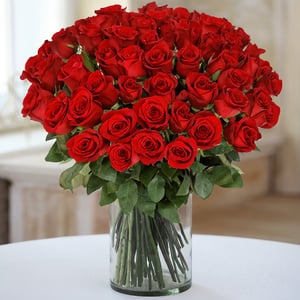
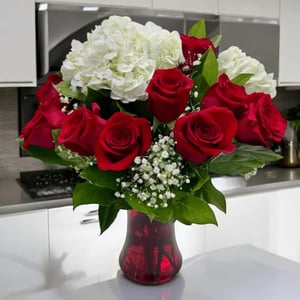
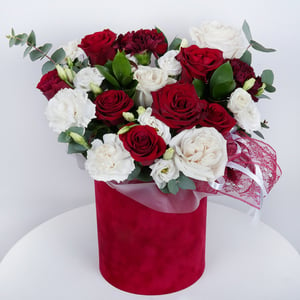
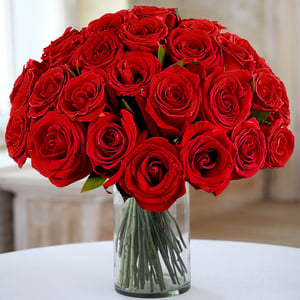
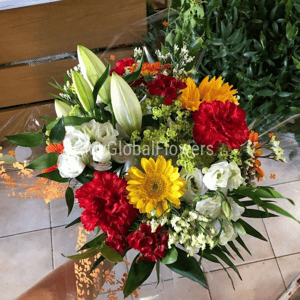

Mexican flower gifting has a few cultural landmines that catch well-meaning people off guard. Here are the biggest ones.
Sending yellow flowers for romance
In parts of Mexico, yellow flowers — especially yellow roses — can signal jealousy, infidelity, or even a desire to break up. Stick with red, pink, or white roses for romantic gestures. Save the yellow blooms for friendships and casual celebrations.
Choosing red flowers for a funeral
Red communicates passion and romantic love in Mexico. Sending a bright red arrangement to a funeral home can feel jarring and inappropriate. Choose white, cream, or soft lavender for sympathy arrangements.
Forgetting that Día de las Madres is May 10
This trips up so many people. American Mother's Day falls on the second Sunday of May, but Mexico celebrates mothers on May 10 every year, regardless of the day of the week. Miss this date and your gift loses its impact entirely. Set a separate reminder.
Ordering too late for same-day delivery
Same-day flower delivery in Mexico typically requires placing your order before midday local time. Order in the morning, and the local florist has time to assemble and deliver the bouquet that afternoon. Wait until evening, and you'll likely need to schedule next-day delivery instead. Plan ahead for major holidays, when florists receive hundreds of orders.
Expecting a pixel-perfect replica of the website photo
Every bouquet on MyGlobalFlowers represents a style and color concept, not a factory blueprint. Local florists use the freshest available flowers and may swap specific stems for equal-value alternatives. The result is a gorgeous, hand-crafted arrangement that matches the spirit of what you ordered — and often looks even better because the florist selects whatever blooms are at peak freshness that morning.
Send Mexican floral joy today
A fresh, vibrant bouquet, hand-arranged by a local florist and delivered to their door.
Beyond flowers — extras that make your gift special
Mexican flower gifts become unforgettable when you pair them with thoughtful extras. MyGlobalFlowers offers add-ons you can bundle with your bouquet at checkout.
- Chocolates elevate a romantic bouquet of red roses into a full Valentine's Day experience.
- Stuffed animals add a playful touch to birthday flowers — perfect for kids or young-at-heart adults.
- Balloons bring extra festivity to congratulations and birthday arrangements.
- Greeting cards let you express what flowers alone can't say — write your message in Spanish for an extra personal touch.
A few pairing ideas that work beautifully: red roses + a box of chocolates for February 14. Sunflowers + a cheerful birthday balloon for a friend turning 30. White lilies + a heartfelt sympathy card for a family in mourning. These small additions show you put real thought into the gift.
Conclusion
Every Mexican flower carries a piece of this country's soul — from the ancient Aztec gardens of Xochimilco to the marigold-strewn altars of Día de los Muertos, from the wild dahlias blooming on Oaxacan hillsides to the poinsettias lighting up December living rooms. There's something deeply moving about a culture that treats flowers not as decoration but as language, as prayer, as connection between the living and the dead.
Which Mexican flower surprised you the most? Was it the chocolate cosmos that smells like dark cocoa and survives only as a single clone? The honeysuckle the Aztecs turned into blue dye? Or maybe the dahlia — a humble tuber that became a nation's emblem?
Whatever bloom resonates with you, let it inspire your next gift. Explore the catalog at MyGlobalFlowers and pick something meaningful for someone in Mexico. A few clicks from your side. A hand-delivered bouquet of fresh, locally assembled flowers on theirs. That's the kind of connection that truly matters.
Frequently asked questions about mexican flower: a complete guide to mexico's most stunning blooms, traditions, and gifting secrets
What is the national flower of Mexico?▾
The dahlia (Dahlia pinnata) holds the title of Mexico's national flower. The Mexican government officially designated the dahlia in 1963 to honor the flower's deep roots in indigenous cultivation, Aztec agriculture, and the country's extraordinary botanical diversity. Mexico is home to at least 35 wild dahlia species — more than any other country on Earth.
What flowers do Mexicans use for Día de los Muertos?▾
Marigolds (cempasúchil) dominate Día de los Muertos altars and cemetery decorations. Families scatter marigold petals in paths to guide spirits home. Cockscomb flowers (mano de león) add dramatic red texture. Some families also include white baby's breath, purple statice, and wildflowers to complete the offering.
What are appropriate Mexican funeral flowers?▾
White flowers set the right tone for Mexican funerals. White roses, white gladioli, white lilies, chrysanthemums, and white carnations all convey respect and sympathy. Large, elaborate arrangements are customary — sending a generous display shows genuine care. Avoid bright red or yellow flowers for funeral settings.
Can I send flowers to Mexico from the US?▾
Yes. MyGlobalFlowers lets you order fresh bouquets while you're in the US. You choose the arrangement online, and a local florist in your recipient's city — Mexico City, Guadalajara, Monterrey, Cancún, Puebla, Mérida, and more — assembles and hand-delivers the flowers. The delivery cost calculates at checkout based on the destination and arrangement.
Why is the dahlia Mexico's national flower?▾
Mexico chose the dahlia because of its profound connection to pre-Columbian history and indigenous botanical knowledge. Aztec communities cultivated dahlias for food, medicine, and ceremonial use centuries before Spanish contact. The flower's incredible diversity — dozens of species, hundreds of cultivars, nearly every color in the spectrum — also mirrors Mexico's own cultural and ecological richness.
What flowers should I avoid for romantic gifts in Mexico?▾
Avoid yellow flowers, especially yellow roses, for romantic occasions in Mexico. Yellow can signal jealousy, infidelity, or a desire to end the relationship in Mexican cultural context. Choose red roses for deep passion, pink roses for affection and admiration, or white roses for pure, devoted love.