EUR
 GBP
 CAD
 AUD

 Birthday
 Same Day
 Occasions
 Flowers
 Roses
 Plants
 Gifts
 International Flower Delivery
Maryland's State Flower: Black-Eyed Susan
- 🌼 Picture this: you're driving along a sun-drenched Maryland highway in mid-July, and suddenly the roadsides explode into rivers of gold.
- 💡 The plant typically grows 1–3 feet tall and produces bright golden-yellow petals that fan out around a distinctive dark brown or black central cone.
- 🌸 Browse golden-toned bouquets in the MyGlobalFlowers catalog and bring a little Maryland sunshine to someone's doorstep.
Picture this: you're driving along a sun-drenched Maryland highway in mid-July, and suddenly the roadsides explode into rivers of gold. Those cheerful, dark-centered blooms swaying in the breeze? That's the Maryland state flower — the Black-Eyed Susan — and the story behind this wildflower is far more dramatic than most people realize. From a decades-long political rivalry with the goldenrod to a clever trick involving painted daisies at one of horse racing's most famous events, this humble bloom carries a surprising amount of history on its golden petals. In this article, MyGlobalFlowers, an international flower delivery service, walks you through everything worth knowing: the flower's botanical profile, its deep connection to Maryland's bird and flag, practical growing tips, the best spots to see it in the wild, and how to send golden-toned arrangements to anyone across the state. Let's dig in.
What is the Maryland state flower?
The Maryland state flower is the Black-Eyed Susan (Rudbeckia hirta), a cheerful wildflower that belongs to the sunflower family, Asteraceae. The plant typically grows 1–3 feet tall and produces bright golden-yellow petals that fan out around a distinctive dark brown or black central cone. Each flower head measures roughly 2–3 inches across, and a single plant can send up dozens of blooms over the course of a growing season.
Black-Eyed Susans are native to North America. They thrive across Maryland's meadows, open fields, roadsides, and home gardens with minimal fuss — which is part of the reason Marylanders fell in love with the plant in the first place. The bloom is technically a short-lived perennial or biennial, meaning it self-seeds generously enough to reappear year after year once established.

Maryland state bird and flower — a color connection
The Maryland state bird and flower share one of the most visually satisfying pairings of any US state. Maryland's state bird is the Baltimore Oriole, a striking songbird designated in 1947. Both the Baltimore Oriole and the Black-Eyed Susan display the same bold black-and-gold color palette — and that's no coincidence.
Those colors trace back to the coat of arms of the Calvert family, the Lords Baltimore, who founded the colony of Maryland in the seventeenth century. The Calvert heraldic banner features alternating black and gold quadrants, and those same tones dominate Maryland's state flag — one of the most recognizable state flags in the country. So the bird's plumage, the flower's petals, and the flag's design all echo a single family crest. Honestly, few states pull off that level of visual unity.
Maryland collects some wonderfully quirky state symbols beyond the bird and flower, too. The state cat is the calico cat (another patchwork of warm colors), and the official state sport is jousting — yes, medieval jousting. These details rarely show up in competitor articles, but they paint a fuller picture of a state that takes its identity seriously and has a lot of fun doing it.



The history behind Maryland's state flower
From a college meeting to state law
The Maryland state flower story starts in 1896, when a group of women at the Maryland Agricultural College (now the University of Maryland) proposed the Black-Eyed Susan as the official state bloom. The suggestion made intuitive sense: the wildflower grew everywhere across the state, and its colors matched Maryland's heraldic tradition perfectly.
But the road to official status dragged on for more than two decades. A rival faction in the state Senate championed the goldenrod instead, and the debate bounced back and forth through legislative sessions. Black-Eyed Susan advocates stayed persistent, lobbying year after year. Maryland finally adopted the flower on April 18, 1918, more than twenty years after that first college proposal.
Why it beat the goldenrod
Here's the thing most articles gloss over: the goldenrod wasn't just a random alternative. Goldenrod was a popular candidate in many states during the late 1800s and early 1900s, and several states — including Kentucky and Nebraska — eventually claimed it. That widespread association actually worked against the goldenrod in Maryland. Legislators and citizens wanted a symbol that felt distinctly Marylander, not one shared with half a dozen other states.
The Black-Eyed Susan offered something the goldenrod couldn't: a perfect color match to the Calvert coat of arms. The flower's black center paired with its golden rays mirrored the black-and-gold heraldic banner far more precisely than the all-yellow goldenrod ever could. That visual alignment sealed the deal. The Black-Eyed Susan wasn't just pretty — it told Maryland's origin story in two colors.
Symbolism and cultural meaning of the Black-Eyed Susan
The Maryland state flower carries meanings that extend well beyond state pride. The Black-Eyed Susan symbolizes encouragement, motivation, and justice. In the Victorian language of flowers, the bloom represented "encouragement" — a fitting emblem for a state whose motto reads Fatti maschii, parole femine ("Strong deeds, gentle words").
The flower also plays a starring role at the Preakness Stakes, the second leg of horse racing's Triple Crown, held each May at Pimlico Race Course in Baltimore. Race officials drape a blanket of Black-Eyed Susans over the winning horse in a beloved post-race tradition. Here's the twist, though — honestly, this detail always makes me smile — the Preakness falls in May, well before most Black-Eyed Susans bloom. So the blanket typically features Viking daisies (Chrysanthemum maximum) that florists paint with yellow petals and dark centers to mimic Black-Eyed Susans. The tribute stays intact, even when nature's timing doesn't cooperate.
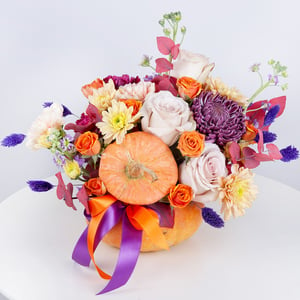
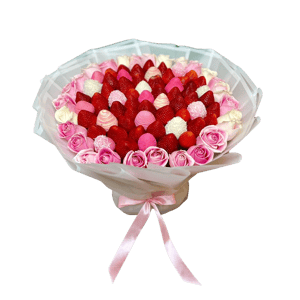
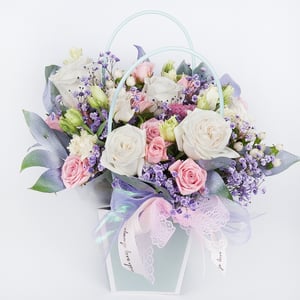
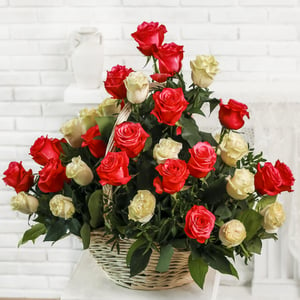
Looking for mixed bouquets?
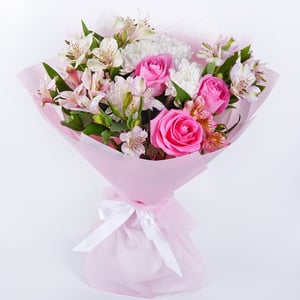
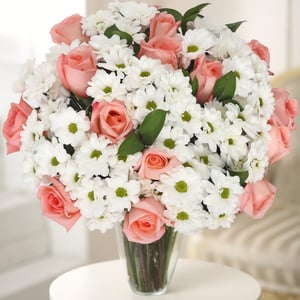
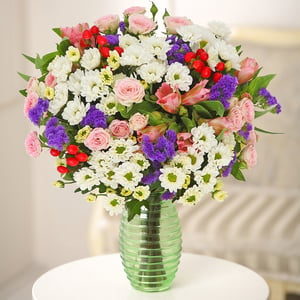
Browse mixed bouquets from local florists and pick one that suits the moment.
How to grow Black-Eyed Susans in your garden
Ideal growing conditions
The Maryland state flower rewards gardeners with months of color and asks for very little in return. Plant Black-Eyed Susans in full sun — aim for 6–8 hours of direct sunlight per day. The plant tolerates a wide range of soils, including clay, loam, and sandy ground, but performs best in well-drained conditions.
USDA Hardiness Zones 3–9 suit the Black-Eyed Susan perfectly, and Maryland sits in Zones 6a–8a, so growers anywhere in the state can expect strong results. The plant handles heat, humidity, and even periodic drought once established — exactly the kind of resilience you want from a Mid-Atlantic garden staple.
Step-by-step planting tips
Start seeds indoors about 6–8 weeks before the last spring frost (mid-March in most of Maryland).
Sow seeds on the surface of moist seed-starting mix — Black-Eyed Susans need light to germinate, so don't bury them under soil.
Space transplants 12–18 inches apart to allow airflow and reduce the risk of powdery mildew.
Water deeply once a week during the first growing season; established plants tolerate drought well.
Deadhead spent blooms regularly to encourage a longer flowering period that can stretch through September.
Common mistakes and how to avoid them
Over-watering: Soggy roots invite crown rot. Let the top inch of soil dry between waterings.
Too much shade: The plant stretches toward light, produces fewer blooms, and becomes leggy. Stick to full-sun spots.
Ignoring powdery mildew: Space plants adequately and water at the base rather than overhead.
Skipping division: Divide clumps every 3–4 years in early spring to keep plants vigorous and blooming generously.
When and where to see Black-Eyed Susans in Maryland
The Maryland state flower blooms from June through October, with peak color arriving in July and August. That mid-summer window turns meadows, highway medians, and garden borders across the state into stretches of gold.
A few standout spots deserve a visit. Roadsides along the Eastern Shore reliably put on a show each summer. Patapsco Valley State Park offers lovely meadow walks surrounded by wildflowers. Brookside Gardens in Wheaton features curated plantings that include Black-Eyed Susans alongside complementary native species. And the U.S. National Arboretum — technically in D.C. but just minutes from the Maryland border — showcases native meadow areas where the flower thrives.
By the way, the Preakness Stakes celebrates the Black-Eyed Susan in May, well before peak season — an ironic twist that somehow makes the connection between the flower and Maryland's sporting culture even more charming.
Sending Black-Eyed Susan–inspired flowers in Maryland
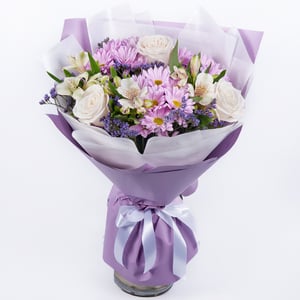
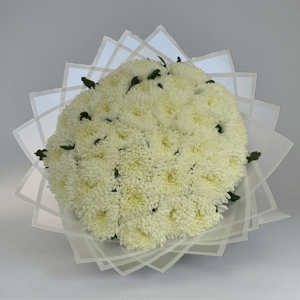
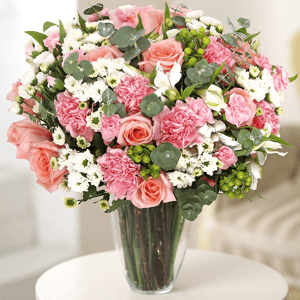
Love the golden glow of the Maryland state flower? You can share that brightness with someone you care about. MyGlobalFlowers connects you with skilled local florists across Maryland who hand-deliver fresh arrangements — including sunny, Black-Eyed Susan–style bouquets featuring golden blooms like sunflowers, chrysanthemums, and rudbeckia when the season allows.
Each florist selects the freshest blooms available on the day of your order, so your arrangement may vary slightly from the catalog image. Think of that as a mark of artisan craftsmanship — a one-of-a-kind creation assembled by hand, not a mass-produced copy. The service calculates your delivery cost at checkout based on your recipient's location and preferred timing.
Golden-toned bouquets pair beautifully with a range of occasions:
Mother's Day (second Sunday in May) — bright, cheerful, and heartfelt.
Graduation season (May–June) — gold represents achievement and new beginnings.
Thanksgiving (fourth Thursday in November) — warm autumn tones complement the holiday table.
Birthdays any time of year — who doesn't smile at a sunburst of yellow?
Want to send flowers to Baltimore, Annapolis, Bethesda, or anywhere else in the state? MyGlobalFlowers handles flower delivery in Maryland through trusted local florists who know the area and deliver same-day when you order early enough.

Caring for fresh-cut flowers after delivery
Maryland summers bring heat and humidity, and air conditioning indoors can dry blooms out faster than you'd expect. A few simple steps keep your fresh-cut arrangement looking vibrant for days longer:
Trim stems at a 45° angle as soon as the arrangement arrives — this opens up water channels for better hydration.
Fill the vase with room-temperature water and add the flower food packet included with your bouquet.
Change the water every two days — bacteria multiply faster in warm water, and Mid-Atlantic summers push indoor temperatures up even with A/C running.
Keep the vase away from direct sunlight, heating vents, and fruit bowls (fruit releases ethylene gas, which wilts flowers faster).
Remove wilting blooms promptly so the remaining healthy stems last longer and look their best.

A golden thread through Maryland's identity
The Black-Eyed Susan is more than a pretty wildflower. This single bloom ties together Maryland's flag, bird, colonial history, and sporting traditions in one golden package. It outlasted a political rival, earned its spot in state law, and shows up — sometimes in clever disguise — at one of the most famous horse races on the planet. Here's what I love about the Maryland state flower: it feels effortless. It grows wild along highways and pops up in backyard gardens without asking for much attention, yet it carries centuries of meaning in every petal.
Next time you spot a patch of Black-Eyed Susans along a Maryland highway, you'll know the story behind them — the Calvert colors, the goldenrod rivalry, the painted Preakness daisies, all of it.
Feeling inspired? Browse golden-toned bouquets in the MyGlobalFlowers catalog and bring a little Maryland sunshine to someone's doorstep.
Send flowers today
Choose a bouquet, add a message, and a local florist hand-delivers it.