 EUR
EUR
 GBP
GBP
 CAD
CAD
 AUD
AUD

 🎃Halloween🎃
 Birthday
 Occasions
 Same Day
 Flowers
 Roses
Roses
 Plants
 Gifts
Gifts
 International Flower Delivery
Meaning of Flower Color: Exploring the Language of Flower Hues
Have you ever stood in front of a screen full of gorgeous bouquets and thought, "Wait — do yellow roses say 'I love you' or 'let's just be friends'?" You're not alone. Flower color meanings carry centuries of symbolism, and picking the wrong shade can send a message you never intended. The flower-guide team at MyGlobalFlowers, an international flower delivery service where local florists assemble and hand-deliver every bouquet, put together this deep-dive so you can choose with confidence. By the time you finish reading, you'll know exactly what each color communicates, which hues suit which occasions, and even what the lupin flower meaning is — a topic most guides skip entirely.
A brief history of flower color meaning
Flower color meaning didn't appear out of thin air. The story starts in Ottoman Turkey during the 1600s, where the royal court assigned specific sentiments to individual blooms and their colors. Diplomats and traders carried that tradition westward, and by the early 1700s, Europeans were fascinated. Then came the Victorians. In an era when expressing feelings openly was considered improper, the language of flowers — called floriography — exploded in popularity across England. Small dictionaries listing flower color meanings became bestsellers, and lovers passed secret messages through carefully arranged posies.
The practice crossed the Atlantic quickly. American Victorians embraced floriography in parlor culture, valentines, and even funeral customs that still echo today. Honestly, I always find it fascinating that a tradition born in a Turkish sultan's garden still shapes the way we pick bouquets for Mother's Day or Memorial Day right here in the US.
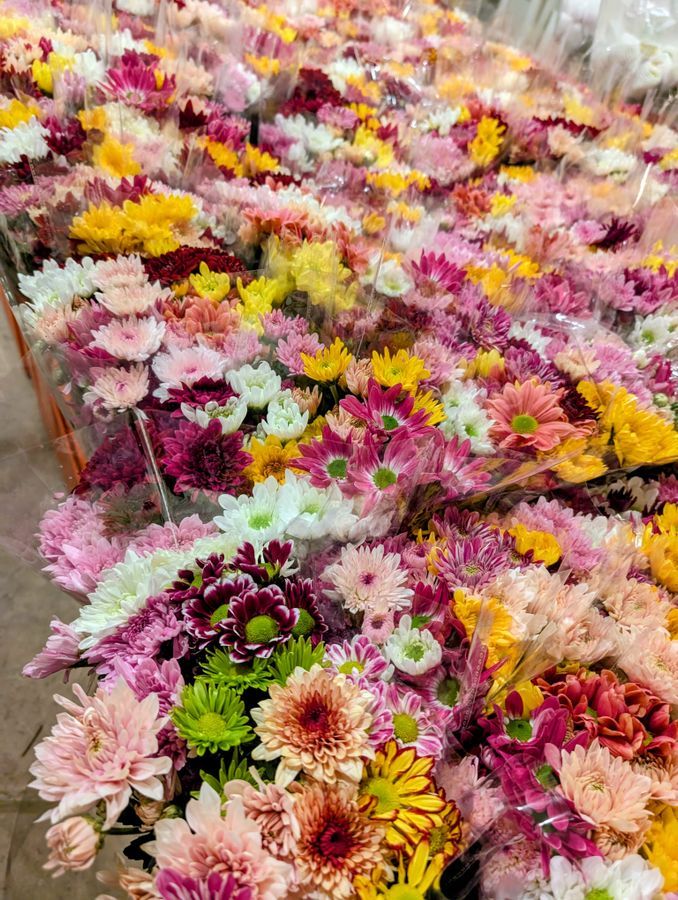
Choose the right flower color for your message
Browse our full collection and find the perfect color to express exactly what you feel.
Red flowers — love, passion, and courage
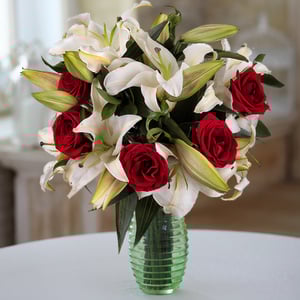
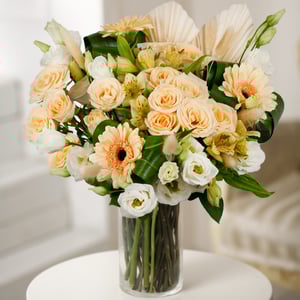
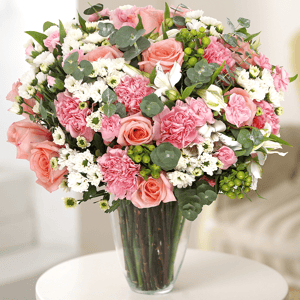
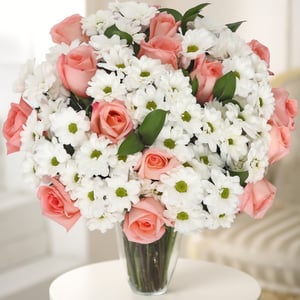
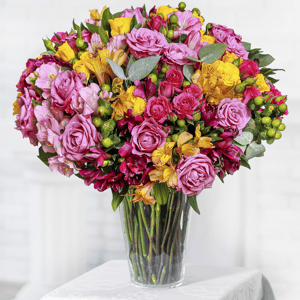
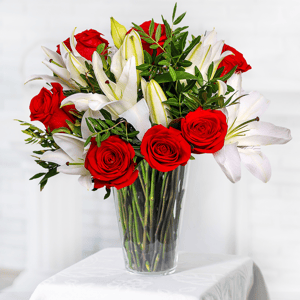
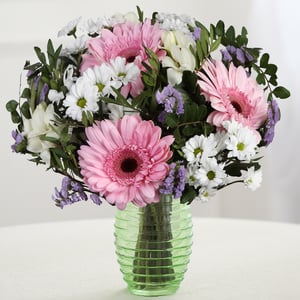
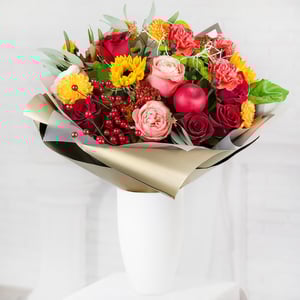
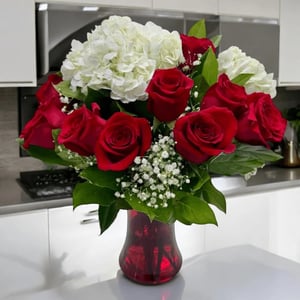
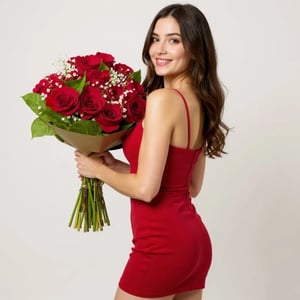
When it comes to flower color meanings, red is the heavyweight champion. Red signals deep romantic love, burning passion, and even courage. Think Valentine's Day roses, anniversary bouquets, and "I'm sorry, please forgive me" arrangements — red handles all of them.
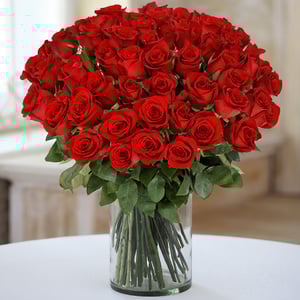
Popular red blooms include classic long-stem roses, carnations, tulips, gerbera daisies, and amaryllis. A dozen red roses remain the single most-ordered bouquet for Valentine's Day across the US, and for good reason: the message is unmistakable. If you want to dial down the intensity just a notch, mix red with soft pink or white to balance passion with tenderness.
Yellow flowers — friendship, joy, and new beginnings
Yellow flowers radiate flower color meanings tied to friendship, happiness, and fresh starts. Picture this: your best friend just landed a new job, and you want to celebrate without any romantic confusion. Yellow sunflowers, yellow roses, or cheerful daffodils say "I'm so proud of you" without a hint of ambiguity.
Yellow works beautifully for get-well wishes, congratulations, Friendship Day in August, and housewarming gifts. One small warning — in some older European traditions yellow roses hinted at jealousy, but in modern American culture that meaning has faded almost entirely. Go ahead and send the sunshine.
Pink flowers — gratitude, admiration, and grace
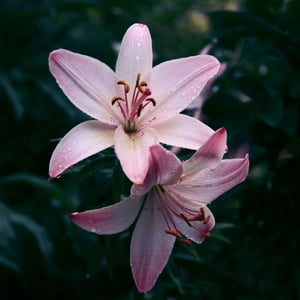
Pink sits in a sweet spot of flower color meanings. Light pink conveys admiration, gentleness, and grace. Hot pink leans toward gratitude, appreciation, and playful energy. Together, the pink spectrum covers everything from Mother's Day to "thank you for being amazing."
Pink peonies, garden roses, ranunculus, and tulips are wildly popular for spring bouquets. My favorite tip: if you're thanking a mentor or teacher, a bouquet of soft pink roses paired with deeper magenta accents sends a message that feels personal without being over the top.
Orange flowers — energy, enthusiasm, and celebration
Orange is the life-of-the-party color in flower color meanings. Orange communicates energy, enthusiasm, warmth, and bold celebration. Milestone birthdays, graduations, and fall holidays like Thanksgiving practically call for orange blooms.
Think orange gerberas, marigolds, chrysanthemums, and tiger lilies. Orange also pairs naturally with burgundy and gold for autumn tablescapes. If someone you care about just crushed a marathon or earned a promotion, orange says "you're incredible" with zero subtlety — and sometimes that's exactly right.
White flowers — purity, sympathy, and new starts
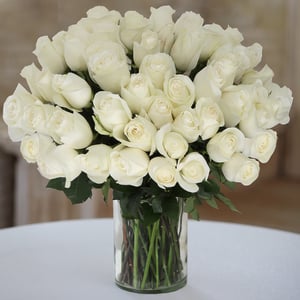
White holds some of the most meaningful flower color meanings in American culture. White symbolizes purity, innocence, reverence, and new beginnings. That duality makes white blooms perfect for both weddings and memorials.
White roses, lilies, orchids, and hydrangeas dominate bridal bouquets. At the same time, white flowers are the go-to choice for sympathy arrangements, funeral wreaths, and Memorial Day tributes. Here's the thing: because white carries such a strong sympathy association in the US, sending white lilies for a birthday can feel unintentionally somber. Pair white with brighter colors if the occasion is celebratory.
Blue flowers — calm, trust, and mystery
Blue is one of the rarest flower color meanings to find in nature, which adds an air of mystery and intrigue. True-blue blooms are uncommon — most "blue" flowers lean toward violet or periwinkle — and that scarcity makes blue arrangements feel extra special.
Blue hydrangeas, delphiniums, irises, and forget-me-nots lead the category. Blue communicates calm, trust, serenity, and quiet confidence. A blue-toned bouquet makes a thoughtful serenity gift for someone navigating a stressful season, or a striking addition to a coastal-themed wedding. Honestly, this one surprises people: blue flowers also symbolize striving for the impossible, drawn from the old romantic idea of chasing the elusive "blue flower."
Purple and lavender flowers — royalty, spirituality, and success
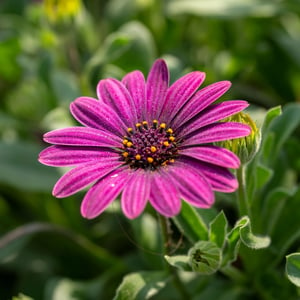
Many guides lump purple and lavender together, but their flower color meanings are distinct — and skipping that difference does you a disservice. Deep purple conveys dignity, royalty, accomplishment, and spiritual depth. Lavender, on the other hand, speaks to elegance, refinement, youthful femininity, and enchantment.
Purple flowers — think deep-violet lisianthus, irises, and anemones — suit occasions like promotions, retirements, or honoring someone's lifetime achievement. Lavender roses, sweet peas, and stock flowers carry a lighter, more whimsical energy perfect for bridal showers, spring birthdays, or a "just because" surprise. Knowing the split between these two shades gives you a real edge when you're choosing a bouquet with intention.
Green flowers — renewal, health, and good fortune
Green might be the most underrated player in flower color meanings. Green signifies renewal, health, good fortune, and harmony with nature. Green chrysanthemums, bells of Ireland, green trick dianthus, and green hydrangeas add a fresh, earthy vibe to any arrangement.
St. Patrick's Day is an obvious win for green blooms, but green also shines in spring arrangements, eco-themed events, and wellness-focused gifts. Tuck a few green stems into a mixed bouquet and the whole arrangement suddenly feels more lush and grounded.
Lupin flower meaning — imagination, admiration, and happiness
Here's a section you won't find in most flower-color guides. The lupin flower meaning centers on imagination, admiration, and happiness. Lupins — sometimes spelled "lupines" — are tall, spire-shaped wildflowers that bloom in late spring to early summer, making lupins a seasonal treasure for bouquets during May and June.
What makes the lupin flower meaning especially rich is that lupins come in almost every color, and each shade layers its own symbolism on top of the core meaning:
- Blue lupins emphasize calm and trust alongside imagination.
- Pink lupins blend admiration with gentle gratitude.
- Purple lupins add a royal, spiritual dimension to the lupin's natural symbolism.
- White lupins highlight purity and new beginnings combined with happiness.
- Yellow lupins amplify the joy and friendship elements.
Lupins are a staple of cottage-garden style and wildflower bouquets, both of which are hugely popular across the US right now. Because each local florist works with seasonal availability, a bouquet featuring lupins may include slightly different bloom varieties — and that artisan touch is exactly what makes a wildflower arrangement feel authentic rather than cookie-cutter. If you want to send someone a message of "I admire who you are and you make me happy," the lupin flower meaning does that work beautifully.
How to choose flower colors for every occasion
Understanding individual flower color meanings is great, but the real magic happens when you match colors to specific moments in life. Below are concrete recommendations organized by occasion.
Romantic occasions (Valentine's Day, anniversaries)
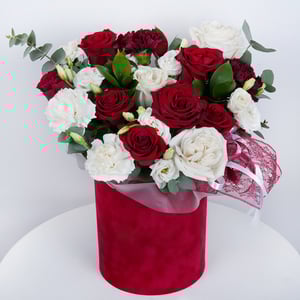
Red roses remain the gold standard for Valentine's Day and anniversaries. Deep red says passionate love; mixing red with pink softens the tone toward tender affection. For a dating milestone that isn't quite "I love you" territory yet, try a bouquet of pink and lavender blooms — romantic but not overwhelming.
Sympathy and memorials (Memorial Day, funerals)
White flowers are the most widely accepted choice for sympathy in the US. White lilies, white roses, and white chrysanthemums communicate reverence and peace. Soft lavender or pale blue accents can add a layer of calm without clashing with the solemnity of the occasion. For Memorial Day tributes, red, white, and blue arrangements honor service members while respecting the day's gravity.
Celebrations (birthdays, graduations, July 4th parties)
Birthdays love bright, mixed palettes — think orange, hot pink, and yellow together. Graduations call for school-color bouquets or bold purples that signal accomplishment. July 4th parties practically demand red, white, and blue arrangements built around roses, delphiniums, and white hydrangeas.
Holidays (Thanksgiving, Christmas, Easter)
Thanksgiving tables glow with orange, burgundy, gold, and deep red tones. Christmas bouquets lean on classic red-and-white combos, sometimes accented with evergreen foliage. Easter arrangements pop with pastel pink, lavender, yellow, and white — the colors of renewal and springtime hope.
Common mistakes when picking flower colors
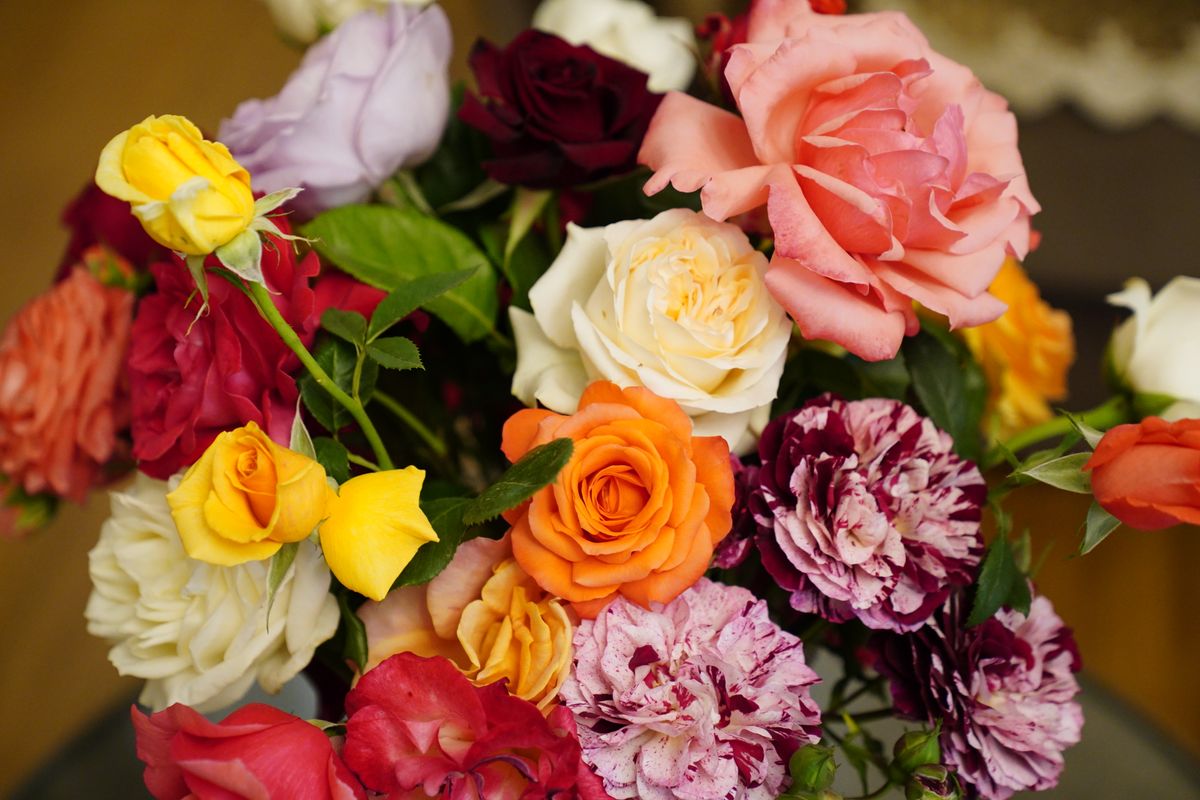
Even well-intentioned senders trip up. Here are the most frequent missteps:
- ✗Senders assume yellow roses signal romance — yellow roses actually signal friendship and joy.
- ✗Buyers overlook lavender as "just light purple" — lavender carries a distinct meaning of elegance and youthful enchantment.
- ✗Givers send white lilies for a birthday — white lilies lean heavily toward sympathy in American culture.
- ✗Shoppers ignore seasonal availability — choosing in-season colors keeps bouquets fresher and more vibrant.
- ✗Planners stick to a single color when mixing would tell a richer story — combining two or three complementary shades creates emotional depth a monochrome bouquet can't match.
Find your perfect color today
A fresh bouquet in the color that says it best, hand-arranged and delivered by a local florist.
Caring for your colorful bouquet
A stunning bouquet deserves to last. These practical tips are adapted to everyday US conditions — including air-conditioning and seasonal heat waves:
- ✓Trim stems at a 45-degree angle before placing the flowers in water to maximize water uptake.
- ✓Change the water every two days to prevent bacteria from clouding the vase and shortening bloom life.
- ✓Keep flowers away from direct sunlight, heating vents, and AC drafts — temperature swings stress stems fast.
- ✓Add the flower-food packet to the first fill of water for an immediate nutrient boost.
- ✓Remove wilting petals daily to help remaining blooms channel energy into staying fresh longer.
One more thing: the final bouquet you receive may differ slightly from the photo on the website because local florists substitute equal-value blooms based on seasonal availability. That's actually a perk — your arrangement reflects what's freshest and most beautiful in your area, crafted by an artisan who knows local flowers inside and out.
Your next bouquet starts with color
I genuinely believe that once you understand flower color meanings, every bouquet you send becomes a small act of storytelling. You're not just handing someone pretty stems — you're handing them a feeling. So next time you're choosing between red and pink, or debating whether lupins would make the arrangement more interesting, trust what you've learned here. Let the color do the talking.
Browse the MyGlobalFlowers catalog to find a bouquet in the perfect color for your next occasion. What color will you choose?
Frequently asked questions about flower color meanings: the complete guide to saying the right thing with every bloom
What do different flower colors mean?▾
Each flower color carries its own symbolism. Red represents love and passion, yellow signals friendship and joy, pink conveys gratitude and admiration, white stands for purity and sympathy, purple communicates royalty and success, and blue suggests calm and trust. Choosing the right color helps you send exactly the message you intend.
What is the lupin flower meaning?▾
The lupin flower meaning centers on imagination, admiration, and happiness. Lupins bloom in late spring to early summer and come in blue, pink, purple, white, and yellow — each shade adding its own layer of symbolism. Lupins work beautifully in wildflower and cottage-garden bouquets popular across the US.
Is lavender the same as purple in flower color meaning?▾
No. Deep purple symbolizes royalty, dignity, and spiritual depth, while lavender conveys elegance, youthful femininity, and enchantment. Treating the two shades as interchangeable can blur the message your bouquet sends, so pay attention to the specific tone when ordering.
What flower colors are appropriate for sympathy?▾
White flowers are the most traditional choice for sympathy in the US, conveying reverence and peace. Soft lavender and pale blue can complement white arrangements without disrupting the solemnity. Bright colors like orange or hot pink are generally best saved for celebratory occasions.
Can you mix flower colors in one bouquet, and what does that communicate?▾
Absolutely. Mixing colors creates emotional depth and tells a richer story than a single hue alone. For example, combining red and white suggests unity and devotion, while pink and yellow together communicate joyful gratitude. The key is choosing colors whose meanings complement rather than contradict each other.
What flower colors are best for a wedding in the US?▾
White remains the most popular wedding flower color, symbolizing purity and new beginnings. Blush pink and ivory are close seconds for a romantic, soft palette. Many couples also incorporate seasonal accent colors — dusty blue for summer, burgundy for fall, or lavender for spring — to personalize the celebration while keeping the arrangement meaningful.