EUR
 GBP
 CAD
 AUD

 Birthday
 Same Day
 Occasions
 Flowers
 Roses
 Plants
 Gifts
 International Flower Delivery
Nevada's State Flower: Sagebrush
- 🌼 The Nevada state flower is not what most people expect — and honestly, that's what makes it so interesting.
- 💡 The plant grows between 3 and 10 feet tall, with woody, gnarled stems and silvery gray-green leaves shaped like tiny wedges.
- 🌸 Browse the catalog and find the perfect bouquet for someone you love in Nevada.
The Nevada state flower is not what most people expect — and honestly, that's what makes it so interesting. Picture this: every other state picks a rose, a violet, a goldenrod, something with bright petals and Instagram appeal. Nevada looked out at its vast, wind-swept desert and said, "We'll take the sagebrush." And you know what? That choice tells you everything you need to know about the Silver State. At MyGlobalFlowers — an international flower delivery service connecting you with local florists for fresh, hand-delivered bouquets — we think every state flower has a story worth telling. This one just happens to be tougher and more surprising than most.
In this article, you'll learn the full story behind Nevada's famously unconventional state flower. We'll cover the history, the biology, the symbolism, the connection to Nevada's state bird, and even practical tips for growing sagebrush at home. Plus, we'll talk about how you can celebrate Nevada's floral heritage by sending fresh blooms to someone you love in the Silver State.
What is Nevada's state flower?
The Nevada state flower is the big sagebrush, known scientifically as Artemisia tridentata. Not a rose. Not a lily. A rugged, aromatic desert shrub that blankets millions of acres across the Great Basin.
Here's the thing — sagebrush doesn't look like a typical "flower" at all. The plant grows between 3 and 10 feet tall, with woody, gnarled stems and silvery gray-green leaves shaped like tiny wedges. Each leaf has three teeth at the tip, which is where the "tridentata" part of the scientific name comes from. Crush a leaf between your fingers, and you'll release a sharp, camphor-like aroma that clings to your skin for hours. People who've driven through Nevada's high desert know that smell instantly.
So what is Nevada state flower doing on a list next to Georgia's Cherokee rose and Hawaii's hibiscus? Standing out. Sagebrush isn't showy, and it doesn't need to be. It survives extreme heat, bitter cold, alkaline soil, and annual rainfall that barely reaches 12 inches. I find it fascinating that a state flower can say so much about the people and landscape it represents — and sagebrush says resilience louder than any bloom with colorful petals ever could.

History of sagebrush as Nevada's state flower
Nevada officially adopted sagebrush as its state flower on March 17, 1917. The decision didn't spark much debate — and honestly, that surprised me when I first learned about it. Most states fought over their floral symbols for years. Nevada's choice felt almost inevitable.
The reason is geography. Nevada sits squarely in the Great Basin, a vast region east of California's Sierra Nevada mountains. The Sierra Nevada range casts a massive rain shadow, stripping moisture from Pacific storms before they reach Nevada. The result is a dry, high-desert landscape where sagebrush dominates everything you can see from horizon to horizon. Sagebrush covers roughly 70% of Nevada's land area. No other plant comes close.
Long before the legislature made anything official, Nevadans already considered sagebrush their emblem. Ranchers, miners, and settlers associated the plant with the open range and the independent spirit of the West. The state even earned the nickname "the Sagebrush State" — a title that stuck and still appears on license plates, tourism materials, and local businesses. By 1917, making sagebrush the official state flower was less a bold choice and more a simple acknowledgment of reality. The plant had already claimed the title on its own.

Nevada state bird and flower — a perfect pair
The Nevada state bird and flower together paint a vivid picture of the Silver State's landscape. While sagebrush earned its designation in 1917, Nevada's state bird — the mountain bluebird (Sialia currucoides) — joined the roster in 1967, fifty years later.
The mountain bluebird is a stunning creature. Males display brilliant sky-blue plumage that practically glows against the muted tones of the desert. The birds nest in high desert meadows, mountain foothills, and open woodlands across Nevada. Imagine standing in a sagebrush valley at dawn — silver-green brush stretching in every direction, a mountain bluebird perching on a fence post with the morning sun lighting up its feathers. That's Nevada in a single frame.
Both symbols represent the same idea: beauty forged by harsh conditions. The bluebird thrives at elevations where temperatures swing wildly between day and night. The sagebrush thrives in soil too alkaline and dry for most other plants. Together, the Nevada state bird and flower capture the rugged, open, unapologetically wild character of the state.
For context, Nevada's other state symbols tell a similar story. The state tree is the single-leaf piñon pine, a drought-tolerant conifer. The state animal is the desert bighorn sheep, built for cliffs and heat. Everything in Nevada's official symbol lineup says the same thing — survival is beautiful.
Sagebrush — biology and blooming facts
The sagebrush Nevada state flower belongs to the genus Artemisia, within the family Asteraceae — the same family that includes sunflowers and daisies. That connection surprises most people, but it makes more sense when you look at sagebrush flowers up close.
Sagebrush blooms from late August through October. The flowers are small, tubular, and pale yellow. They cluster along slender spikes at the tips of branches. Don't expect a dramatic floral display — sagebrush relies on wind pollination rather than attracting bees or butterflies with flashy petals. The blooms are subtle, but they play a critical ecological role. They produce pollen and seeds that sustain wildlife heading into winter.
The plant's adaptations are remarkable. Sagebrush develops a deep taproot system that can reach water sources far below the surface. The silvery hairs on the leaves reflect sunlight and reduce water loss. Aromatic oils — the source of that iconic scent — deter many herbivores from grazing on the plant. Sagebrush also tolerates alkaline soils with pH levels that would stress or kill most garden plants.
Fun fact: some individual sagebrush plants live well over 100 years. These aren't fragile annuals. A sagebrush plant that took root in the early 1900s could still be standing today, quietly outlasting everything around it. That kind of longevity earns respect.
Looking for mixed bouquets?
Browse mixed bouquets from local florists and pick one that suits the moment.
Ecological role of sagebrush in Nevada
The Nevada state flower anchors one of the most important — and most threatened — ecosystems in the western United States. The sagebrush steppe covers roughly 165 million acres across 11 western states, and Nevada holds a massive share of that habitat.
Sagebrush provides essential cover, nesting habitat, and food for dozens of species. The greater sage-grouse depends almost entirely on sagebrush for survival. Males perform elaborate mating dances on open clearings called leks, then nest under sagebrush canopy nearby. Pygmy rabbits — the smallest rabbit species in North America — dig burrows exclusively in dense sagebrush stands. Pronghorn and mule deer browse sagebrush leaves during winter when other food sources disappear. Songbirds like the Brewer's sparrow and sage thrasher build nests in sagebrush branches.
The threats to this ecosystem are serious. Invasive cheatgrass has spread across millions of acres in Nevada, creating a cycle of frequent, intense wildfire that sagebrush cannot survive. Native sagebrush evolved alongside infrequent fires — a major blaze can wipe out stands that took decades to mature, and cheatgrass fills the void before sagebrush can recover. Land development, energy extraction, and climate change compound the problem.
Conservation efforts are underway. The Bureau of Land Management (BLM) runs programs focused on post-fire restoration, including aerial seeding with native species. Seed banks preserve genetic material from sagebrush populations across the West. Organizations partner with ranchers to manage grazing in ways that protect sagebrush habitat. The work matters — lose the sagebrush, and you lose an entire web of life that has defined the Great Basin for thousands of years.
Symbolism and cultural meaning of sagebrush
The Nevada state flower carries deep symbolic weight. Sagebrush represents resilience, endurance, and self-reliance — qualities that Nevadans have identified with since the state's earliest days as a mining frontier.
Native American communities have used sagebrush for centuries. Many Indigenous peoples of the Great Basin burn dried sagebrush in smudging ceremonies, using the smoke for spiritual cleansing and purification. Traditional medicine practitioners prepared sagebrush tea to treat colds, headaches, and digestive issues. Some tribes used sagebrush bark to weave sandals and mats. These cultural practices deserve recognition and respect — sagebrush held spiritual and practical significance long before any legislature named it a state symbol.
There's also a sensory dimension that anyone who has visited Nevada understands. The scent of sagebrush after a desert rainstorm is unforgettable — some people call it the "petrichor of the desert." That earthy, herbal fragrance mingles with dust and warm air in a way that feels uniquely Nevadan. Drive through the high desert along US Route 93 after a summer thunderstorm, roll down your windows, and you'll understand why people get emotional about a shrub.
Sagebrush appears throughout Nevada's cultural landscape. The plant featured in design concepts for Nevada's state quarter. Local artists incorporate sagebrush imagery into paintings, jewelry, and sculpture. The Smithsonian Institution even holds a metal sculpture of the Nevada state flower in its collection — proof that this unassuming shrub has earned a place in American art and identity. I'd recommend looking it up if you ever visit the Smithsonian. It's a beautiful piece.

How to grow sagebrush at home
Growing the Nevada state flower at home is absolutely possible — and easier than you might think, as long as you respect what the plant actually needs. Here's a practical guide based on the growing conditions sagebrush prefers in the wild.
Big sagebrush thrives in USDA Hardiness Zones 4 through 9, which covers a huge swath of the western and central United States. The plant handles winter temperatures well below zero and summer heat above 100 degrees Fahrenheit.
Follow these essentials for success:
Soil requires excellent drainage — sandy, rocky, or gravelly mixes work best, with a slightly alkaline pH between 7.0 and 8.5.
Sunlight needs to hit the plant for at least 6 to 8 hours daily — full sun is non-negotiable.
Watering should be minimal once the plant establishes its root system — deep, infrequent soaking mimics natural desert rainfall patterns.
Sourcing should come from native plant nurseries, not wild collection — removing sagebrush from public land is often illegal and always ecologically harmful.
Now let's talk about common mistakes that kill sagebrush in home gardens:
Heavy clay soil traps moisture around the roots and causes root rot within weeks.
Overwatering triggers fungal diseases — sagebrush handles drought far better than soggy soil.
Aggressive pruning removes old wood that the plant cannot regenerate — sagebrush doesn't regrow from old stems the way ornamental shrubs like roses or hydrangeas do.
Give sagebrush tough love, and it will reward you with that signature silver-green foliage and unforgettable fragrance for decades.

Celebrating Nevada's state flower with fresh blooms
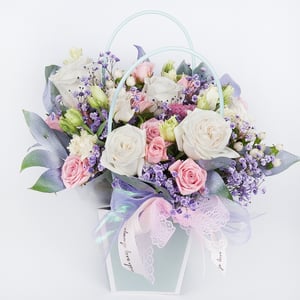
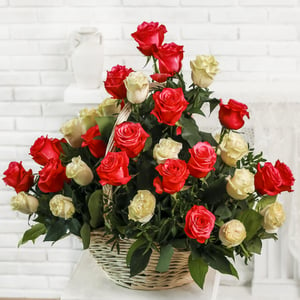
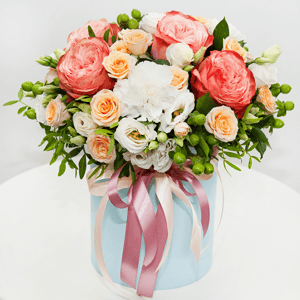
The Nevada state flower reminds us that beauty doesn't have to be loud to be meaningful. And while you probably won't find a bouquet of sagebrush at your local flower shop, you can absolutely honor Nevada's spirit of resilience and natural beauty by sending fresh flowers to someone you care about in the Silver State.
Think about the occasions that call for flowers throughout the year: Mother's Day in May, birthdays any month, sympathy during difficult times, congratulations for a new job or a new baby, Thanksgiving in November, July 4th celebrations, or simply a "thinking of you" gesture that arrives on an ordinary Tuesday.
MyGlobalFlowers connects you with local florists in cities across Nevada — Las Vegas, Reno, Henderson, Sparks, Carson City, and beyond. Each florist hand-delivers fresh arrangements crafted from the best seasonal flowers available that day. This means your recipient gets a bouquet assembled with care and artisan craftsmanship, not pulled from a warehouse shelf. Bouquets may vary slightly from photos on the website because each florist selects the freshest blooms on hand — and honestly, that's a good thing. Your loved one receives a truly one-of-a-kind arrangement.
The delivery cost is calculated at checkout based on your specific order and location, so you'll know exactly what to expect before you confirm.
Browse the catalog and find the perfect bouquet for someone you love in Nevada. Whether they live in a Las Vegas high-rise or a ranch house outside Elko, fresh flowers are a beautiful way to brighten a day.
Send flowers today
Choose a bouquet, add a message, and a local florist hand-delivers it.