 EUR
EUR
 GBP
GBP
 CAD
CAD
 AUD
AUD

 ✨Boss’s Day✨
 🍭Sweetest Day🍭
 Birthday
 Same Day
 Occasions
 Flowers
 Roses
Roses
 Plants
 Gifts
Gifts
 International Flower Delivery
Pennsylvania's State Flower: Mountain Laurel
- 🌼 Here's a question that stumps more people than you'd expect: what is the Pennsylvania state flower?
- 💡 Picture this: a dense evergreen shrub standing 5–15 feet tall, covered in clusters of delicate cup-shaped blossoms that range from soft pink to pure white.
- 🌸 Share this article with a fellow Keystone State fan, or explore our catalog to find a bouquet inspired by Pennsylvania's wildflower palette.
Here's a question that stumps more people than you'd expect: what is the Pennsylvania state flower? If you just pictured a rose or a daisy, you're not alone — but the real answer is far more interesting. The mountain laurel (Kalmia latifolia), an evergreen shrub that blankets Pennsylvania's forests in clouds of pink and white every spring, holds that title. And honestly, once you see one blooming on a rocky Appalachian slope, you'll understand why nothing else stood a chance.
In this article, you'll learn how the mountain laurel earned its official status, why its pollination mechanism is one of the coolest tricks in the plant kingdom, how to grow one in your own yard, and what makes the Pennsylvania state bird and flower pairing so perfectly matched. Whether you're a botany nerd, a proud Keystone State resident, or someone looking to send flowers to a loved one in Pennsylvania through MyGlobalFlowers, an international flower delivery service, you'll find everything you need right here.
What is the Pennsylvania state flower?
The Pennsylvania state flower is the mountain laurel — Kalmia latifolia — and it's one of the most visually striking state symbols in the country. Picture this: a dense evergreen shrub standing 5–15 feet tall, covered in clusters of delicate cup-shaped blossoms that range from soft pink to pure white. The flowers bloom from late May through June, and each cluster can contain dozens of individual blooms, creating a display that stops hikers in their tracks.
Mountain laurel grows wild across Pennsylvania's woodlands, especially along the ridges and valleys of the Appalachian Mountains. The shrub's leathery, dark-green leaves stay on year-round, giving the forest understory a lush look even in January. I find it fascinating that a single mountain laurel plant can live for over a century — some specimens in Pennsylvania's old-growth forests are estimated to be well over 100 years old.
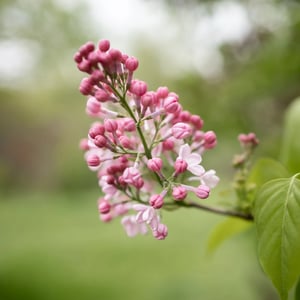
The blossoms themselves deserve a closer look. Each individual flower measures about an inch across and features a geometric, almost architectural pattern of fused petals. The color intensifies in bud — deep rose-pink — then softens as the petals open, producing that signature ombré effect that photographers and painters love. If you've driven through central Pennsylvania in early June, you've seen entire hillsides glowing with that pink-white haze.
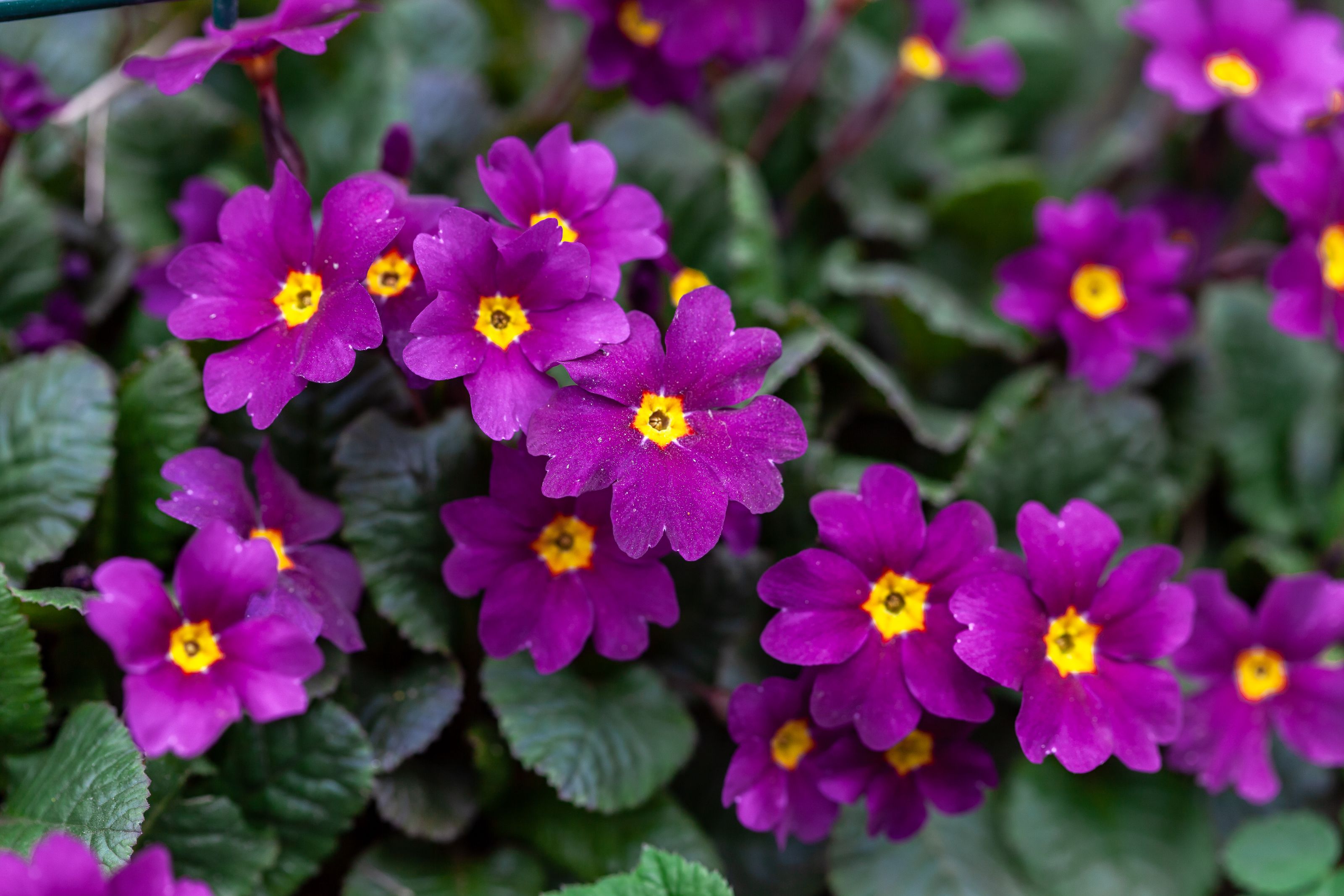
How the mountain laurel became the official state flower of Pennsylvania
The Pennsylvania state flower didn't become official until 1933, but the campaign to choose it started years earlier. Governor Gifford Pinchot — the same conservationist who helped shape America's national forest system — signed the mountain laurel into law on May 5, 1933. The decision wasn't arbitrary; it followed a long public effort driven largely by women's garden clubs across the state.
Before the legislation, garden clubs organized a popular vote to determine which flower best represented Pennsylvania. The mountain laurel competed against several strong candidates, including red clover and wild honeysuckle. The mountain laurel won by a wide margin. Garden club members argued that the shrub grew abundantly across the state, that its beauty was unmistakable, and that no other candidate felt so distinctly Pennsylvanian.
The mountain laurel already had deep cultural roots in the region long before that vote. European colonists had admired the shrub since the 1700s, and Native American communities recognized it as a familiar part of the landscape. Swedish botanist Pehr Kalm documented the plant during his travels through colonial Pennsylvania in the 1740s — and the genus Kalmia bears his name to this day. By the time the state legislature acted in 1933, the mountain laurel felt less like a new symbol and more like an overdue recognition of something everyone already loved.

Pennsylvania state bird and flower — the iconic pair
When people ask about the Pennsylvania state bird and flower, they usually expect two unrelated symbols. But the mountain laurel and the ruffed grouse share something deeper than just a state seal — the two share the same home.
Pennsylvania designated the ruffed grouse as its state bird in 1931, just two years before the mountain laurel became the official state flower. The ruffed grouse is a ground-dwelling game bird known for its fan-shaped tail, cryptic brown-and-gray plumage, and the distinctive drumming sound males produce during mating season. That drumming — a rapid, accelerating series of wing beats — echoes through the same deciduous and mixed forests where mountain laurel grows thickest.
Here's the thing: this isn't a coincidence. Mountain laurel's dense, evergreen thickets provide critical cover for ruffed grouse, especially during harsh Pennsylvania winters. The shrubs shield the birds from wind, snow, and predators. Grouse chicks forage for insects among the leaf litter beneath mountain laurel canopies, and adult birds roost in the shrub's tangled branches. Honestly, this one surprised me — the state bird literally depends on the state flower for survival. The pairing feels less like a bureaucratic coincidence and more like ecology making the choice for the legislature.
Mountain laurel — botanical profile and ecology
The Pennsylvania state flower belongs to the genus Kalmia, family Ericaceae — the same family that includes blueberries, rhododendrons, and azaleas. Finnish botanist Pehr Kalm first described the plant during his 1748–1751 expedition through eastern North America, and Carl Linnaeus named the genus in Kalm's honor.
Habitat and range
Mountain laurel thrives in acidic, well-drained soils on rocky slopes and forest understories. The shrub tolerates elevations up to about 4,000 feet and prefers the dappled light beneath taller oak, hickory, and pine trees. Pennsylvania's geology — a mix of sandstone ridges, shale valleys, and acidic forest soils — creates near-perfect conditions for the plant, which explains why dense mountain laurel thickets cover thousands of acres across the state.
The spring-loaded stamen mechanism
Mountain laurel's pollination strategy is one of the most ingenious in the plant kingdom, and almost nobody talks about it. Each flower contains ten stamens, and the tip of each stamen tucks into a tiny pocket in the fused petals. The stamen bends under tension, creating a spring-loaded mechanism. When a bee lands on the flower and brushes against a stamen, the stamen snaps free and catapults pollen onto the bee's body. The pollen can launch at remarkable speed, coating the insect in a fraction of a second.
This mechanism ensures efficient cross-pollination. The bee carries that pollen to the next flower, and the process repeats. I'd recommend watching a slow-motion video of this in action — it's genuinely delightful. The flower essentially invented a miniature catapult millions of years before humans thought of one.
Ecological role
Mountain laurel does more than look beautiful. The shrub's dense thickets shelter deer, ruffed grouse, and dozens of songbird species. The evergreen canopy reduces snow depth at ground level, giving small mammals easier access to food during winter. Bees — particularly bumblebees — rely on mountain laurel as an important late-spring nectar source.
Toxicity — a serious warning
Every part of the mountain laurel contains grayanotoxins — compounds that can cause serious illness or death in livestock, pets, and humans. Early settlers gave the shrub ominous nicknames like "lambkill" and "spoonwood" (the latter a reference to both its toxicity and its hard, carveable wood). Grayanotoxins interfere with cell membrane function, and ingestion can cause drooling, vomiting, weakness, cardiac irregularities, and in severe cases, coma or death.
Keep mountain laurel away from grazing animals. Warn children not to put any part of the plant in their mouths. Even honey produced from mountain laurel nectar — sometimes called "mad honey" — can cause temporary poisoning in humans. Fun fact: ancient Greek armies reportedly used toxic rhododendron honey (a close relative of mountain laurel) as a weapon against enemies. Pennsylvania's mountain laurel honey rarely reaches toxic concentrations, but the connection is worth knowing.
Looking for mixed bouquets?
Browse mixed bouquets from local florists and pick one that suits the moment.
Growing mountain laurel in your garden
The Pennsylvania state flower isn't just a woodland wildflower — you can grow mountain laurel successfully in your own yard, and the results are stunning. The shrub performs well across USDA hardiness zones 4 through 9, which covers most of the continental United States.
Soil and site selection
Mountain laurel demands acidic soil with a pH between 4.5 and 5.5. The shrub thrives in soil rich in organic matter — think decomposed leaves, pine needles, and humus. Heavy clay or alkaline soils will stress the plant and eventually kill it. Test your soil pH before planting, and amend with sulfur or peat moss as needed.
Choose a spot with partial shade. Mountain laurel evolved under a forest canopy, and the shrub performs best with filtered sunlight. Full sun works only when you provide consistent moisture, and even then, the foliage can scorch during hot summers.
Watering and mulching
Keep the soil consistently moist but never waterlogged. Mountain laurel's shallow root system rots quickly in soggy conditions. Apply a 2–3 inch layer of mulch — pine needles, shredded bark, or wood chips — around the base to retain moisture and keep roots cool. Replenish mulch each spring.
Pruning
Prune mountain laurel immediately after flowering ends, typically in late June or early July. Remove spent flower clusters to redirect the plant's energy toward next year's buds. Avoid pruning in fall or winter — you'll cut off the buds that have already formed for the following spring. Mountain laurel tolerates hard rejuvenation pruning when it gets leggy, but recovery takes two to three years.
Recommended cultivars
Nurseries offer dozens of mountain laurel cultivars, each with slightly different characteristics. Here are three worth seeking out:
'Olympic Fire' — produces deep red buds that open to rich pink flowers, creating a dramatic two-tone effect during bloom.
'Elf' — grows as a compact dwarf form reaching only 3 feet tall, produces white flowers, and fits perfectly in small gardens or containers.
'Minuet' — displays white petals with striking maroon banding inside each flower, offering one of the most distinctive patterns available.
Common mistakes to avoid
Planting in alkaline soil — causes chlorosis (yellowing leaves) and slow decline; always test and amend soil pH first.
Overwatering — leads to root rot; ensure drainage is excellent and water only when the top inch of soil feels dry.
Pruning at the wrong time — removes next year's flower buds; always prune within a few weeks after blooms fade.
Planting too deep — buries the shallow root crown and invites fungal disease; set the root ball level with or slightly above the surrounding soil.
Mountain laurel in culture, folklore, and daily life
The Pennsylvania state flower has shaped the state's culture for centuries, and its influence goes well beyond official symbols.
Spoonwood and early American craft
Native Americans carved mountain laurel wood into spoons, ladles, and small tools — earning the plant its nickname "spoonwood." The wood is extremely hard and dense, with a fine, tight grain that resists splitting. Colonial craftspeople continued the tradition, and artisans still use mountain laurel burls and root wood for decorative bowls, pipe stems, and knife handles. The wood's deep reddish-brown color and swirling grain pattern make finished pieces genuinely beautiful.
Mountain laurel in Pennsylvania weddings and events
Mountain laurel has become a popular motif in Pennsylvania wedding décor, especially for late-spring and early-summer celebrations. Brides incorporate mountain laurel imagery into invitations, table settings, and venue decorations. Some couples plan their weddings around the bloom season, choosing outdoor venues in the Pocono Mountains or central Pennsylvania where mountain laurel provides a natural backdrop. While florists rarely use actual mountain laurel cuttings in arrangements (because of toxicity), they often mirror its soft pink-and-white palette with roses, peonies, and ranunculus.
Seasonal attraction in state parks
The annual mountain laurel bloom draws visitors to Pennsylvania's state parks and forests every year. Rothrock State Forest in central Pennsylvania hosts some of the most spectacular displays, with entire ridgelines covered in blossoms. Ricketts Glen State Park, known for its waterfalls, also features dense mountain laurel along its trails. The bloom typically peaks between late May and mid-June — timing depends on elevation and spring temperatures. If you're planning a visit, check local ranger stations for bloom updates. Honestly, a mountain laurel hike in early June ranks among the best outdoor experiences the eastern United States offers.
Sending Pennsylvania-inspired flowers to someone you love
The Pennsylvania state flower connects deeply to the state's identity, and maybe this article has you thinking about someone in Pennsylvania who deserves a beautiful bouquet. Perhaps a birthday falls in June, right during mountain laurel season. Or maybe Mother's Day, graduation, or just a random Tuesday when you want to make someone smile.
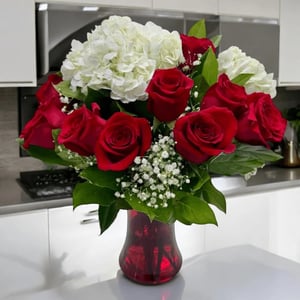
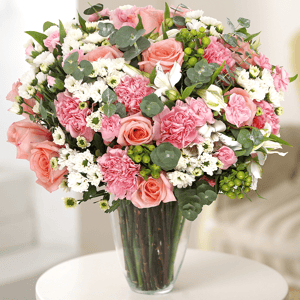
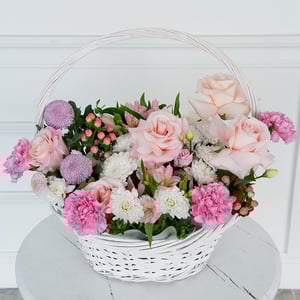
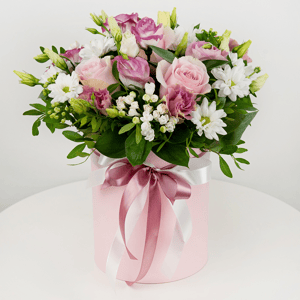
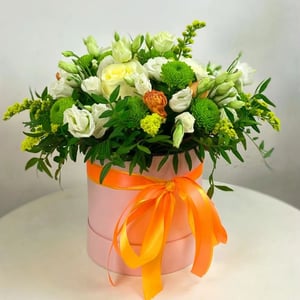
Mountain laurel itself isn't typically sold as a cut flower — the shrub is toxic, and the blooms don't hold up well in vases. But you can send bouquets that echo the mountain laurel's palette — soft pinks, creamy whites, and fresh greens — using roses, lisianthus, spray roses, and seasonal greenery. Local florists arrange bouquets using the freshest flowers available, so the final arrangement may differ slightly from website photos. That's actually a plus: each bouquet reflects the florist's artistry and whatever blooms are at peak freshness that day, which means your loved one gets something genuinely beautiful — not an assembly-line product.
You can order fresh bouquets while you're in the US or send flowers to someone in any major Pennsylvania city — flower delivery in Philadelphia, Pittsburgh, Harrisburg, or Allentown is straightforward through the site. The delivery cost calculates individually at checkout based on the destination. Keep it simple, keep it heartfelt, and let the flowers do the talking.


A final thought on the mountain laurel
I won't summarize everything you just read — you were there for it. But I will say this: the mountain laurel feels exactly right as Pennsylvania's symbol. The shrub is tough, beautiful, deeply rooted, and a little bit dangerous if you don't respect it. That's a pretty solid metaphor for a state that gave us both the Declaration of Independence and Philly cheesesteaks.
Next time you hike through a Pennsylvania forest in late May or early June, keep your eyes open for those clusters of pink-and-white blossoms. Stop. Look at the way the buds are darker than the open flowers. Watch a bumblebee trigger one of those spring-loaded stamens. You'll see something remarkable that most people walk right past.
Share this article with a fellow Keystone State fan, or explore our catalog to find a bouquet inspired by Pennsylvania's wildflower palette.
Send flowers today
Choose a bouquet, add a message, and a local florist hand-delivers it.