 EUR
EUR
 GBP
GBP
 CAD
CAD
 AUD
AUD

 Birthday
 Same Day
 Occasions
 Flowers
 Roses
Roses
 Plants
 Gifts
Gifts
 International Flower Delivery
A Delightful Journey Through Brazil's Floral Gifting Traditions
Picture yourself strolling through Brasília in the middle of July. The trees lining the avenues have shed every last leaf — and then, almost overnight, they explode in cascades of golden-yellow blossoms so vivid they look like the Brazilian flag came to life. That tree is the Ipê-Amarelo, and the Brazil national flower it produces is one of the most breathtaking sights in South America. I honestly think no photograph does it justice.
In this article, you'll discover everything about Brazil's iconic bloom — why it beat the orchid for official status, what other brazilian flowers deserve your attention, and the rich gifting traditions that surround flowers in Brazil. And here's the practical part: if you have family or friends living there, MyGlobalFlowers, an international flower delivery service that works with local florists in over 30 countries, makes it simple to send flowers to Brazil from anywhere in the US. Let's dive in.
What is the Brazil national flower?
The Brazil national flower is the Golden Trumpet, known locally as the Ipê-Amarelo. Its scientific name sits under the genus Handroanthus (formerly classified as Tabebuia), and the species most commonly associated with the national symbol is Handroanthus albus. Brazil officially designated the Ipê-Amarelo as its national flower in 1961, and the choice was far from random.
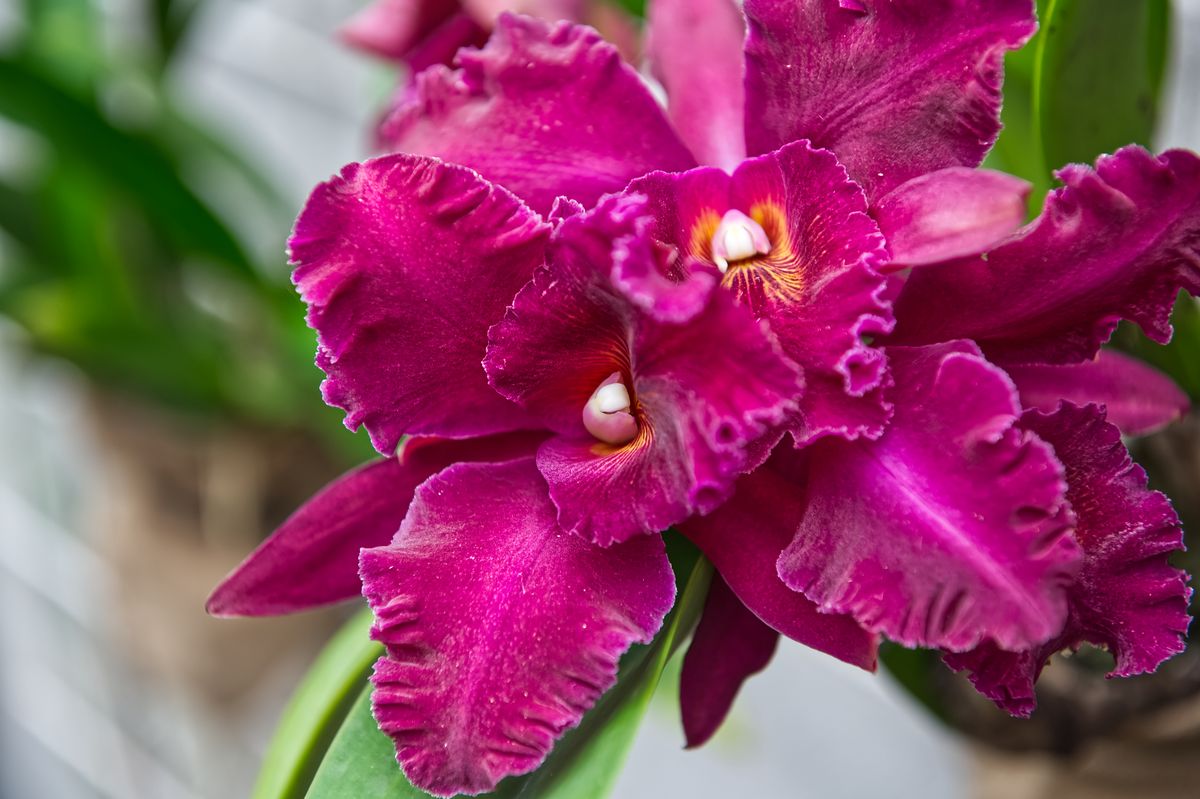
Send exotic beauty inspired by Brazil
Browse tropical and exotic arrangements, hand-crafted by local florists and delivered fresh today.
So why did Brazil choose this particular bloom over hundreds of thousands of other native species? Three reasons stand out. First, the tree grows in every single Brazilian state — from the Amazon basin to the subtropical south — making it a unifying symbol for a country of continental proportions. Second, its golden-yellow color mirrors the central diamond on the Brazilian flag, which represents the nation's wealth and optimism. Third, the way the tree blooms carries deep meaning: the Ipê-Amarelo is deciduous, and it sheds all its leaves before flowering. Bare branches burst into color seemingly out of nothing. Brazilians see this as a metaphor for resilience — beauty emerging from austerity.
Let me paint the picture a bit more. The Ipê-Amarelo typically reaches 25 to 35 feet tall at maturity, though some specimens stretch even higher. The trumpet-shaped blossoms cluster at the tips of leafless branches, creating a canopy of solid gold. Bloom season runs from June through September — Brazil's winter — and each individual tree flowers for only about one to two weeks. That fleeting window makes the display even more special. Entire cities organize "Ipê routes" so residents can drive or walk past rows of blooming trees.
The orchid rivalry — Cattleya labiata and Brazil's floral identity
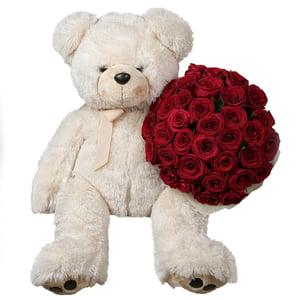
The Brazil national flower question trips up a lot of people. Ask a random person, and there's a good chance they'll say "the orchid." They're not entirely wrong — just technically off. The Cattleya labiata, also called the corsage orchid, holds a powerful unofficial status in Brazilian culture, and for decades many Brazilians themselves believed it was the flower of Brazil.
Cattleya labiata first reached European botanists in the 1820s when specimens arrived from the northeastern state of Pernambuco. The orchid's large, ruffled, lavender-pink petals made it an instant sensation. Artists depicted the brazilian flower in paintings, poets wrote about it, and it became a staple in Brazilian formal wear — pinned as a corsage at weddings and state events.
Here's the thing: despite all that cultural weight, the Cattleya never received official legislative recognition. The Ipê-Amarelo holds the legal title as brazil's flower. Think of it this way — the Cattleya is the beloved cultural icon, and the Ipê-Amarelo is the constitutional champion. Both matter, but they occupy different lanes. If you want to impress a Brazilian friend with a floral trivia drop, now you know the distinction.
Iconic brazilian flowers you should know
The Brazil national flower is just the beginning. Brazil houses roughly 20% of the world's known plant species, making it the most biodiverse country on Earth for flora. The range of brazilian plants and flowers is staggering — from towering rainforest canopy orchids to tiny ground-cover bromeliads. Let's explore the standouts.
Brazilian roses
Brazilian roses deserve their own spotlight. The main rose-growing regions sit in São Paulo state and Rio Grande do Sul, where cooler highland climates and rich soil create ideal conditions. Growers in Holambra — a town founded by Dutch immigrants in São Paulo state — produce millions of stems every year, and their roses are prized for generous petal counts, strong stems, and rich fragrance.
- Red roses dominate gifting for Dia dos Namorados (Brazil's version of Valentine's Day, celebrated on June 12). Pink roses are a popular pick for Dia das Mães — Mother's Day — which Brazil celebrates on the second Sunday of May. White roses appear frequently at weddings and sympathy arrangements. I'd recommend keeping yellow roses out of romantic bouquets, though. In Brazilian culture, yellow can signal jealousy in a love context. More on that later.
Tropical brazilian flowers
Tropical brazil flowers steal the show in arrangements that feel distinctly South American. Here are the headliners:
- Heliconias produce waxy, claw-like bracts in reds, oranges, and yellows — local florists love them for dramatic centerpieces.
- Birds-of-paradise (Strelitzia reginae) add architectural flair with their pointed orange-and-blue blooms.
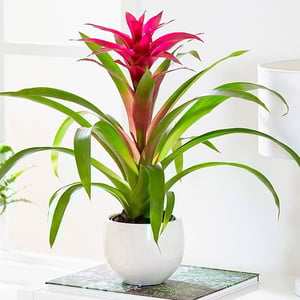
- Bromeliads come in an astonishing variety of shapes and colors, and many species grow as epiphytes on tree trunks across the Atlantic Forest.
- Passion flowers (Passiflora) display intricate, almost alien geometry and carry deep religious symbolism for many Brazilians — missionaries named the flower's structures after elements of the Passion of Christ.
These flowers in brazil thrive in warm, humid conditions, and they hold up beautifully in arrangements because they're naturally built to withstand tropical heat.
Rare brazilian flowers
Brazil's biodiversity comes with a sobering flip side: habitat loss threatens many species. Several rare brazilian flowers are now classified as endangered or vulnerable. A few worth knowing:
- Nidularium innocentii grows only in the mossy understory of the Atlantic Forest, a biome that retains roughly 12% of its original cover.
- Cattleya walkeriana — a compact, intensely fragrant orchid — faces pressure from illegal collection and habitat destruction in the cerrado (Brazilian savanna).
- Sophronitis coccinea (now reclassified under Cattleya) produces vivid scarlet blooms and clings to mossy rocks in cloud forests at elevations above 3,000 feet.
- Atlantic Forest orchids as a group contain hundreds of species found nowhere else, and conservation groups across Brazil work to protect remaining fragments of this critical biome.
I always find it fascinating — and a little heartbreaking — that some of the most beautiful flowers of brazil exist in such precarious numbers. Supporting local conservation efforts, even indirectly, matters.
Brazilian plants and flowers in gifting traditions
The Brazil national flower represents national pride, but the everyday gifting culture around brazilian flowers runs much deeper than symbols. Brazilians are generous, warm, and expressive gift-givers — and flowers carry very specific meanings. Mess up the color or the count, and your gesture might land the wrong way.
Let's start with what to avoid:
- Purple flowers signal mourning and loss — skip them for birthdays and celebrations.
- Even numbers of stems carry funeral associations in some regions — opt for odd-numbered arrangements when possible.
- Yellow flowers in romantic contexts can imply jealousy or infidelity — save them for friendships and congratulatory moments.
Now let's map flowers to the right occasions:
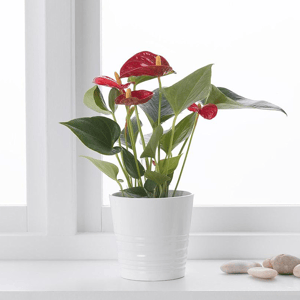
- Dia dos Namorados (June 12) — Red roses dominate. Tropical arrangements mixing heliconias and red anthuriums also hit the mark. Think passionate, bold, and deeply romantic. This is not Valentine's Day (February 14 isn't celebrated as a couples' holiday in Brazil), so don't mix up the dates.
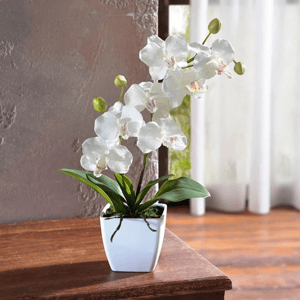
- Dia das Mães (second Sunday of May) — Mixed bouquets in pastel tones — soft pinks, creams, light lavenders — are classic. Orchids, especially phalaenopsis and cymbidium, feel elegant and personal. Many Brazilian mothers consider orchids the ultimate gesture of appreciation.
- Carnaval season (February or March) — Bright tropicals rule. Heliconias, birds-of-paradise, and gerberas in every color imaginable match the exuberance of the festivities. Nobody does understated during Carnaval.
- Christmas and New Year — White flowers signify peace and new beginnings. White anthuriums, white roses, and white lilies make refined holiday arrangements. Remember, December is summer in Brazil — these flowers arrive in warm weather, not snow.
- Birthdays — Sunflowers, gerberas, and colorful mixed bouquets bring joy without carrying heavy symbolism. Sunflowers are especially popular because they feel cheerful and uncomplicated.
- Sympathy and condolences — White lilies, white roses, and chrysanthemums communicate respect and sorrow. Keep arrangements simple and monochromatic.
Honestly, this area surprised me when I started researching. Competitor articles about flowers of brazil barely scratch the surface of gifting etiquette — yet it's the one topic that can save you from an embarrassing misstep.
How to send flowers to Brazil from the US
The Brazil national flower may be wild and untamed, but sending brazilian flowers to someone you care about is refreshingly straightforward. Here's exactly how the process works through MyGlobalFlowers:
- 1You browse the catalog on the MyGlobalFlowers website, filtering by occasion, flower type, or price range. The catalog offers over 300 bouquet options across dozens of countries, including Brazil.
- 2You enter the delivery address in Brazil — a street address in São Paulo, a neighborhood in Rio de Janeiro, or anywhere else the service covers.
- 3The system calculates the delivery fee during checkout based on the specific location and arrangement you chose. No hidden charges appear afterward.
- 4A local florist in Brazil assembles the bouquet using the freshest blooms available that day. The florist matches the style, palette, and value of the arrangement you selected.
- 5A courier hand-delivers the flowers directly to your loved one's door.
One thing worth knowing: the final bouquet may look slightly different from the website photo. The local florist substitutes individual stems based on what's freshest and in season at that moment. Think of it as artisan craftsmanship — the florist uses their expertise to create the best possible arrangement rather than forcing out-of-season stems into a rigid template. The overall style, color palette, and value stay consistent.
Same-day delivery is available for many locations in Brazil. You place the order before noon in your recipient's time zone, and the local florist can often deliver that same afternoon. Here's a real-world scenario: you're in New York and your mom lives in São Paulo. São Paulo is typically 2 hours ahead of EST. You place the order at 8 AM EST (10 AM her time), and the florist delivers by the afternoon her time. Easy.
Practical tips for choosing brazilian flowers as gifts
The Brazil national flower inspires awe, but picking the right bouquet for a real person on a real occasion takes a little thought. Here are my best tips:
Match the color palette to the occasion. Reds and deep pinks say "romance." Pastels say "tenderness and appreciation." Whites say "peace, respect, or new beginnings." Bright mixed colors say "celebration and joy." When in doubt, go with a cheerful mixed bouquet — it works for nearly every happy occasion.
Think about Brazil's reversed seasons. When it's winter in the US, it's summer in Brazil — and vice versa. Brazilian summer (December through March) brings an abundance of tropical blooms like heliconias and anthuriums. Brazilian winter (June through September) is peak season for the Ipê-Amarelo and many temperate-climate flowers. Seasonal availability shapes what the local florist can work with, so embrace the seasonality rather than fighting it.
Avoid these common mistakes:
- ✓Sending yellow roses to a romantic partner can imply jealousy in Brazilian culture — choose red, pink, or peach instead.
- ✓Picking purple flowers for a happy celebration risks a mourning association — save purple for sympathy or skip it entirely.
- ✓Forgetting the time-zone difference when ordering same-day delivery can mean your order arrives the next day instead — double-check the local time.
- ✓Expecting the bouquet to look pixel-for-pixel identical to the catalog photo sets up unnecessary disappointment — trust the local florist's artisan judgment.
How to care for fresh flowers after delivery in Brazil
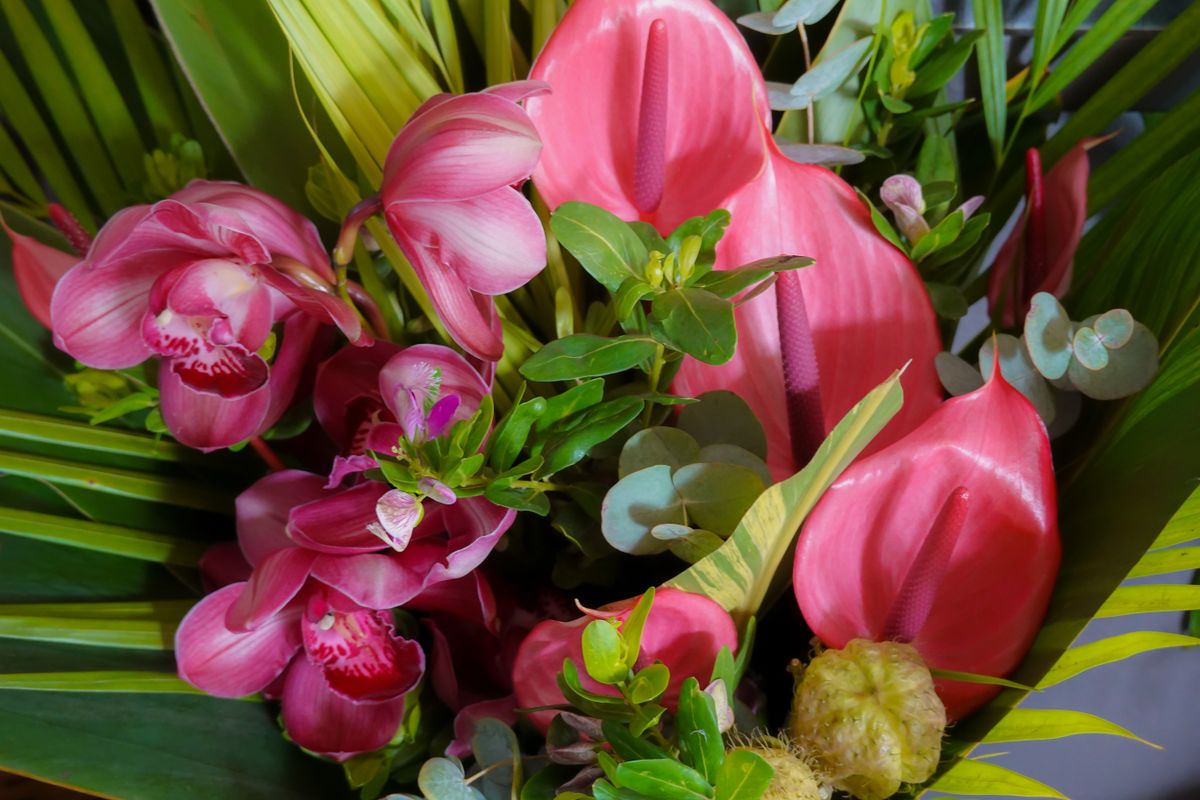
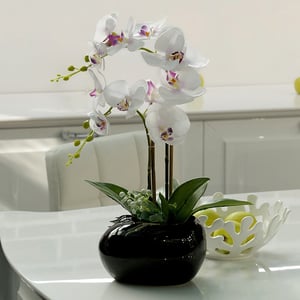
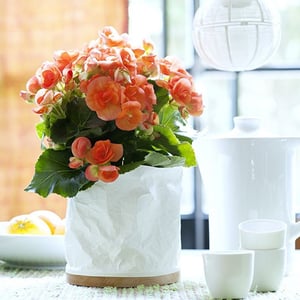
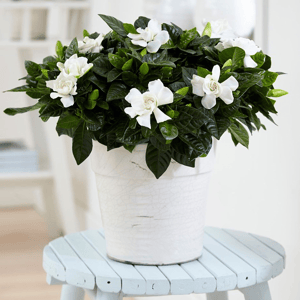
The Brazil national flower blooms on rugged trees that handle dry winters on their own, but cut brazilian flowers in a vase need your attention — especially in Brazil's warm, humid climate. Here's how to keep your bouquet vibrant as long as possible. (And yes, if you're sending flowers to someone in Brazil, feel free to forward these tips along.)
- ✓Trim 1 to 2 inches off the stems at a 45-degree angle as soon as the bouquet arrives. An angled cut increases water absorption.
- ✓Place the flowers in room-temperature water — not cold. Cold water can shock tropical stems.
- ✓Change the water every single day. Brazil's heat accelerates bacterial growth, and dirty water shortens vase life dramatically.
- ✓Keep the vase away from direct sunlight and air-conditioning vents. Both extremes stress the blooms.
- ✓Remove wilted petals and leaves promptly. Decaying material contaminates the water and speeds up wilting in the remaining flowers.
- ✓Add a flower-food packet or a DIY mix: one teaspoon of sugar plus two or three drops of household bleach per quart of water. The sugar feeds the flowers; the bleach fights bacteria.
These steps can extend vase life by several days — a meaningful difference when the bouquet is a gift from someone thousands of miles away.
Bring Brazilian floral beauty home
A fresh exotic arrangement, hand-crafted by a local florist and delivered to the door.
Bonus ways to elevate your floral gift to Brazil
The Brazil national flower stands powerful on its own, but you can take your gesture up a notch. MyGlobalFlowers offers add-ons you can bundle with your bouquet during checkout:
- Chocolates pair beautifully with roses and mixed bouquets for romantic occasions.
- Greeting cards let you include a handwritten personal message — you type the text at checkout, and the local florist prints or writes it on a physical card tucked into the arrangement.
- Stuffed animals add a playful touch for birthdays, baby showers, or "just because" moments.
- Fruit baskets make a thoughtful companion gift for get-well or holiday deliveries.
I'd recommend always including a personal message, even a short one. A bouquet of brazilian flowers shows you care. A bouquet with your words attached shows you were thinking of that specific person in that specific moment. It makes a difference.
Why Brazil's floral culture keeps inspiring
There's something quietly profound about the Ipê-Amarelo — the Brazil national flower that blooms only after losing everything. Bare branches, no leaves, no shade. And then: gold. That metaphor resonates far beyond botany. It speaks to the Brazilian spirit of warmth, resilience, and celebration in the face of difficulty.
Brazil's floral world goes so much deeper than one tree, though. From the regal Cattleya orchid to the fiery heliconias of the tropics to the fragrant brazilian roses of Holambra, the country's botanical diversity mirrors its cultural richness. Understanding the gifting traditions — which colors to choose, which to avoid, which flower belongs at which occasion — transforms a simple delivery into a gesture that truly lands.
Next time someone you love in Brazil has a birthday, a rough day, or a milestone worth celebrating, you know exactly what to do. Browse the MyGlobalFlowers catalog, pick an arrangement that fits the moment, and let a local florist in Brazil handle the rest.
Now I'm curious — what brazilian flower would you most love to receive? Share this article with someone who might need a little floral inspiration.
Frequently asked questions about brazil national flower: the golden bloom that defines a nation
What is the national flower of Brazil?▾
The Brazil national flower is the Ipê-Amarelo (Golden Trumpet), a deciduous tree that produces vivid golden-yellow trumpet-shaped blossoms. Brazil officially designated the Ipê-Amarelo as its national flower in 1961. The tree grows in all Brazilian states and blooms during the country's winter months, from June through September.
Is the orchid Brazil's national flower?▾
No. The Cattleya labiata orchid is a beloved cultural symbol, but it does not hold official status as the national flower of Brazil. Many people confuse the two because the Cattleya appears frequently in Brazilian art, literature, and formal occasions. The official title belongs to the Ipê-Amarelo.
What flowers are popular for gifting in Brazil?▾
Red roses lead the way for romantic occasions like Dia dos Namorados on June 12. Orchids and pastel mixed bouquets are favorites for Mother's Day. Sunflowers and gerberas work well for birthdays, and white lilies and roses are standard for sympathy. Tropical brazilian flowers like heliconias and birds-of-paradise appear in celebratory and Carnaval-season arrangements.
Can I send flowers to Brazil from the US?▾
Yes. MyGlobalFlowers lets you order from anywhere in the US and have a local florist in Brazil assemble and hand-deliver the bouquet. You select an arrangement online, enter the delivery address, and the system calculates the delivery fee at checkout. Same-day delivery is available for many Brazilian cities when you order before noon local time.
What colors should I avoid when sending flowers to Brazil?▾
Avoid purple flowers for celebrations — purple signals mourning in Brazilian culture. Skip yellow roses in romantic contexts, as yellow can imply jealousy or infidelity. Even numbers of stems carry funeral associations in some regions, so odd-numbered arrangements are generally the safer choice for happy occasions.
When is the best time to see the Ipê trees bloom in Brazil?▾
The Ipê-Amarelo blooms from June through September, which is winter in the Southern Hemisphere. Each individual tree flowers for just one to two weeks, so the timing varies by region and elevation. Cities like Brasília, Belo Horizonte, and São Paulo offer some of the most spectacular displays, and many municipalities mark "Ipê routes" for residents and visitors to enjoy.