EUR
 GBP
 CAD
 AUD

 🎃Halloween🎃
 Birthday
 Occasions
 Same Day
 Flowers
 Roses
 Plants
 Gifts
 International Flower Delivery
California State Flower: Poppy
- 🌼 California's state flower is the Golden Poppy (Eschscholzia californica), made official in 1903 and celebrated every April 6 on California Poppy Day.
- 🚫 Picking poppies on public land is illegal under Penal Code 384a — admire them instead at spots like the Antelope Valley reserve during the March–May bloom.
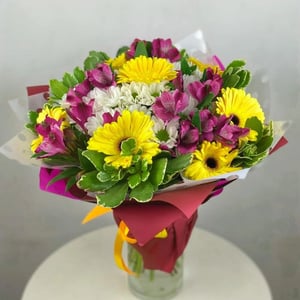
- 🧡 Wild poppies wilt fast in a vase, so orange-and-gold blooms like sunflowers, ranunculus, and orange roses capture the same California energy for gifting.
The California state flower has been painting hillsides in blazing orange and gold long before any of us were around to photograph them for Instagram — and honestly, that fact alone makes this bloom worth knowing inside and out. Picture driving along a winding two-lane road in late March, windows down, and suddenly the entire landscape erupts in a fiery carpet of color stretching to the horizon. That's the Golden Poppy doing what it does best: stopping you in your tracks. At MyGlobalFlowers, an international flower delivery service connecting people with beautiful blooms across the globe, we celebrate iconic flowers from every state and every continent — and the California poppy holds a special place on that list.
So what will you get from this article? Everything. The flower's official name, its wild backstory, fascinating facts most people never hear, its connection to the California state bird, hands-on growing tips for your own garden, the best places to see poppies in person, and even how to bring that golden California energy into a bouquet for someone you love. Let's get into it.
What is the California state flower?
The California state flower is the California Golden Poppy, and its scientific name is Eschscholzia californica — a mouthful, I know, but the story behind the name is actually pretty cool. German naturalist Johann Friedrich von Eschscholtz spotted the flower during a Russian-sponsored expedition along the California coast in the early 1800s, and his colleague Adelbert von Chamisso named the genus after him. So every time you try to spell "Eschscholzia," you can thank an early-19th-century botanist with a tricky last name.
You might also hear people call the poppy by other names. "Copa de oro" — Spanish for "cup of gold" — is a popular one, and "flame flower" pops up now and then too. But the name most Californians know and love is simply the golden poppy.
The California state flower name became official in 1903, when the state legislature passed a bill designating Eschscholzia californica as the official state flower. The poppy had already been a beloved symbol of the region for decades, tied to the Gold Rush era and the nickname "Golden State." Lawmakers just made the relationship formal. And here's a detail I always find fascinating: California also designated April 6 as California Poppy Day. The date gives Californians a specific moment each spring to celebrate the bloom, visit wildflower sites, and share poppy-themed events in schools and parks.
California state flower facts you should know
The California state flower carries some genuinely surprising traits that go way beyond "pretty orange flower." Here are the facts worth remembering:
The poppy closes its petals on cloudy days and at night. The bloom responds directly to light, folding its silky petals inward when the sun disappears and reopening them each morning. I honestly love this quirk — the flower basically keeps its own schedule.
Indigenous peoples used the plant for food and medicine for centuries. Native California tribes harvested poppy roots and foliage for pain relief, sedation, and as a remedy for toothaches. Some groups also roasted the leaves as a food source long before European contact.
The plant self-seeds freely and can behave as an annual or a short-lived perennial. In mild coastal climates, poppies may persist for two or three years. In colder inland zones, the plants complete their life cycle in a single season and rely on dropped seeds for the next generation.
Picking California poppies on state or public land is technically illegal. California Penal Code Section 384a prohibits removing, damaging, or destroying plants on land you don't own without permission. The fine can reach $1,000 for repeat offenders — so admire, photograph, and leave them be.
The poppy thrives in poor, fast-draining soil and full sun. Rich, heavily amended garden beds can actually work against this flower. The poppy evolved in lean, gravelly conditions and performs best when you stop trying to pamper it.
Blooms appear from February through September, peaking in spring. Depending on rainfall and temperature, peak bloom usually hits between mid-March and mid-May, though coastal populations may flower into early summer.
The fruit capsule splits open to shoot seeds several feet away. When the narrow, ribbed seed pod dries, tension builds inside until the pod snaps apart and launches tiny dark seeds up to six feet from the parent plant. Nature's own catapult.
The plant attracts bees, butterflies, and hummingbirds. Pollinators flock to the poppy's bright petals and accessible pollen. Planting a patch of golden poppies turns any garden corner into a buzzing, fluttering habitat.
California state bird and flower — a pair of golden icons
The California state flower pairs beautifully with the California state bird, and together the two symbols capture the spirit of the Golden State better than any motto could. The state bird is the California Quail (Callipepla californica), designated in 1931 — nearly three decades after the poppy earned its official title.
The California Quail is hard to miss. A plump, ground-dwelling bird with a distinctive comma-shaped topknot plume bobbing from its forehead, the quail scurries through chaparral, oak woodlands, and suburban garden edges across the state. Its "chi-CA-go" call is one of those sounds that immediately places you in California, the way a foghorn places you on the San Francisco waterfront.
Here's the thing: both the poppy and the quail are native species, and both carry that warm, golden energy California is famous for. The quail's breast feathers shimmer with coppery-gold tones that echo the poppy's petals. My favorite part of this pairing? Neither symbol was imported or adapted from somewhere else. Both evolved right here, rooted in the same dry hills and coastal valleys.
California doesn't stop at two symbols, of course. The state tree designation covers two giants — the coast redwood (Sequoia sempervirens) and the giant sequoia (Sequoiadendron giganteum). The state animal is the California grizzly bear, which appears on the state flag even though the last wild grizzly in California was seen in the 1920s. Each symbol tells a different chapter of California's natural story, but the poppy and the quail remain the most visible and beloved duo.
Description and habitat of the California golden poppy
The California state flower grows anywhere from 8 to 24 inches tall, depending on soil quality and moisture. The foliage is blue-green, finely divided, and almost feathery — giving the plant a delicate, airy look even before the first bud opens. Each flower sits atop a slender stem and unfurls four silky, saucer-shaped petals. Colors range from pale, buttery yellow to deep, saturated orange, with some cultivated varieties reaching into red, pink, and cream territory.
The poppy's native range stretches across the western United States — California, Oregon, Nevada, and Arizona — and dips south into Baja California, Mexico. The plant favors grasslands, open hillsides, roadsides, and coastal bluffs where it can soak up uninterrupted sunlight. Disturbed ground actually benefits the poppy; road cuts, fire-cleared slopes, and construction margins often become prime poppy habitat the following spring.
Deer generally leave California poppies alone, which makes the flower a smart pick for gardens in deer-heavy areas. Rabbits, on the other hand, may browse the tender young leaves, especially in early spring when other green options are scarce. A low fence or a ring of companion plants like lavender can help discourage nibbling.
How to grow the California state flower in your garden
The California state flower is one of the easiest wildflowers you can grow, as long as you respect its preferences and resist the urge to baby it. Here's a straightforward guide for US gardeners:
Step-by-step planting tips
Sow seeds directly outdoors. In USDA zones 8–10 (most of California, parts of Texas, the Gulf Coast, and the Southeast), scatter seeds in fall at the start of the rainy season. In colder zones 3–7, sow in early spring after the last hard frost.
Press seeds gently into the soil surface without covering them. California poppy seeds need light to germinate. A light tamping with your palm or the flat side of a rake is enough.
Choose a spot with full sun and well-draining soil. Sandy, gravelly, or loamy ground works best. Heavy clay holds too much moisture and can suffocate roots.
Water sparingly once seedlings establish. Give a light watering every few days during germination, then back off. Mature poppies tolerate serious drought and actually prefer dry conditions.
Avoid transplanting. The golden poppy sends down a long, skinny taproot early in life. Disturbing that root causes transplant shock and often kills the plant outright.
Common mistakes and how to avoid them
Overwatering causes root rot. Soggy soil is the number-one killer of California poppies. Water only when the top inch of soil feels completely dry.
Starting seeds indoors leads to transplant shock. Resist the temptation to get a head start with seed trays. Direct sowing always wins with this species.
Planting in heavy shade produces leggy, flowerless plants. The poppy needs at least six hours of direct sun every day. Dappled shade might produce foliage, but you'll wait forever for blooms.
Deadheading too aggressively prevents self-seeding. Leave some spent flowers on the plant so seed pods can form, dry, and launch the next generation. A little benign neglect goes a long way.
Looking for warm, sun-drenched blooms?
Browse bright seasonal arrangements from local florists and pick one that fits the moment.
Best places to see California poppies in bloom
The California state flower puts on its most spectacular show at a handful of locations across the state. If you time your visit right — typically March through May — the experience is genuinely unforgettable.
Antelope Valley California Poppy Reserve
Located near Lancaster in northern Los Angeles County, the Antelope Valley reserve is the most famous poppy-viewing destination in the state. During peak bloom, the rolling hills glow with unbroken sheets of orange. The reserve offers several miles of easy trails, and rangers post weekly bloom updates on their website so you can plan accordingly.
Walker Canyon
Near Lake Elsinore in Riverside County, Walker Canyon gained worldwide attention during superbloom events. Tens of thousands of visitors have crowded the narrow trails in big bloom years, which led the city to implement shuttle services and temporary closures. Check local conditions before you go.
Figueroa Mountain
Tucked into Santa Barbara County's backcountry, Figueroa Mountain offers a quieter alternative. The mix of poppies, lupines, and goldfields across these slopes creates a patchwork of color that honestly surprised me the first time I visited — fewer crowds, bigger payoff.
Bloom etiquette
- Stay on marked trails to protect fragile root systems.
- Leave every flower in place — remember, picking on public land is illegal.
- Respect private property boundaries near wildflower areas.
- Carry out all trash and avoid trampling vegetation for photo ops.
The California poppy in culture, art, and gifting
The California state flower has been woven into the region's cultural identity for centuries. Spanish explorers sailing along the coast reportedly saw the golden hillsides and called the land "tierra del fuego" — land of fire. The image stuck. By the time the Gold Rush brought waves of settlers to California in the mid-1800s, the poppy had already become a visual shorthand for the promise of the West.
Today the poppy appears on California's highway welcome signs, specialty license plates, murals, and public art installations from San Diego to Eureka. Artists have painted, photographed, and screen-printed the bloom in every medium imaginable. Georgia O'Keeffe herself created a vivid poppy painting that captures the flower's translucent, almost glowing quality.
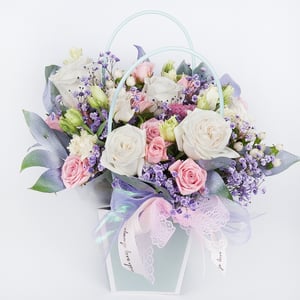
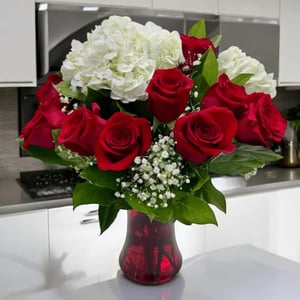
Now, here's the gifting angle — and it's an honest one. Wild California poppies don't last long in a vase. The petals are paper-thin, and the stems wilt quickly once cut. But you absolutely can celebrate California's spirit by sending a vibrant orange and gold arrangement to someone you love in the Golden State. MyGlobalFlowers connects you with local florists in the recipient's area, and each bouquet gets assembled by hand using the freshest seasonal blooms available. Individual stems may vary from what you see on the website — a florist might swap in ranunculus for roses or add an unexpected accent flower — and that's honestly the beauty of a hand-crafted arrangement. Every bouquet becomes one of a kind.
So whether you want to send flowers to Los Angeles for a birthday, congratulate a friend in San Francisco, or brighten someone's day in Sacramento, you can order from anywhere in the US and trust that a local florist will deliver a gorgeous arrangement right to the door.

Caring for fresh-cut flowers inspired by the golden poppy
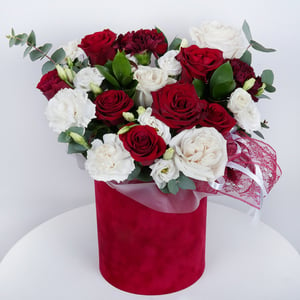
The California state flower may not thrive as a cut bloom, but plenty of orange and gold flowers channel that same warm, sun-drenched California energy. Marigolds, ranunculus, sunflowers, orange roses, and even chrysanthemums make stunning California-inspired bouquets that last far longer than a wild poppy ever could.
Here are the care basics to keep those blooms looking their best:
Trim stems at a 45-degree angle before placing them in water. The angled cut increases the surface area for water uptake and prevents the stem from sitting flat against the bottom of the vase.
Change the water every two days to prevent bacteria buildup. Cloudy water shortens flower life dramatically. A quick rinse of the vase during each change helps too.
Keep the vase away from direct sunlight, heating vents, and fruit bowls. Ripening fruit releases ethylene gas, which accelerates wilting. A cool, shaded spot extends bloom life by days.
Remove wilted blooms promptly to extend the life of remaining flowers. Dying stems release bacteria into the water and can drag down otherwise healthy blooms.
A climate note for US readers: if you live in hot states like California, Texas, or Arizona, move your arrangements to an air-conditioned room during the afternoon heat. Temperatures above 85°F can cut a bouquet's lifespan in half.
Wrapping up — the golden poppy deserves your attention
Next time you drive past a hillside blazing with orange, you'll know the story behind every petal — the Indigenous peoples who used the plant as medicine, the Spanish explorers who saw fire in the landscape, the 1903 legislature that made it all official, and the tiny seed pods launching the next generation several feet through the air. That's a lot of history and personality packed into a wildflower most people simply drive past.
Have you ever visited the Antelope Valley Poppy Reserve during peak bloom? Or maybe you've grown golden poppies in your own backyard? I'd love to hear about it. Share this article with a fellow flower lover, and if you're feeling inspired to send a California-themed arrangement to someone special, explore the orange and gold bouquets available at MyGlobalFlowers — because sometimes the best way to celebrate a flower is to share one.
Send flowers across the Golden State today
Choose a bouquet, add a message, and a local florist hand-delivers it the same afternoon.