EUR
 GBP
 CAD
 AUD

 🎃Halloween🎃
 Birthday
 Occasions
 Same Day
 Flowers
 Roses
 Plants
 Gifts
 International Flower Delivery
Mexican Flowers: Symbolism and History
- 🌏 Mexican flowers have shaped gardens, ceremonies, and celebrations across the globe for centuries — and honestly, most people don't realize just how many beloved blooms trace their roots…
- 💡 In this article, you'll discover 15 stunning flowers native to Mexico, learn their names, cultural significance, and Aztec roots.
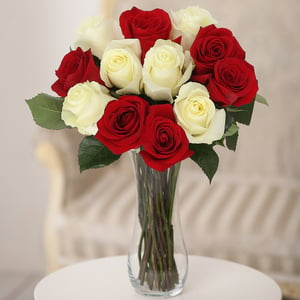
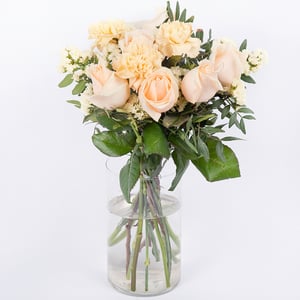
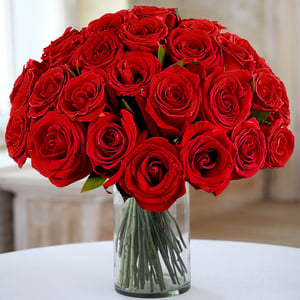
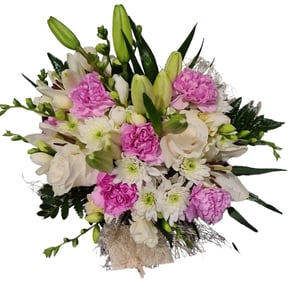
- 🌸 Browse Mexican-inspired bouquets on MyGlobalFlowers and let a local florist craft something beautiful for you.
Mexican flowers have shaped gardens, ceremonies, and celebrations across the globe for centuries — and honestly, most people don't realize just how many beloved blooms trace their roots back to Mexico. Here's a wild fact to start: the dahlia, Mexico's national flower, was originally cultivated by the Aztecs not for its beauty but as a food source and a medicine. The hollow stems even served as water pipes. At MyGlobalFlowers, an international flower delivery service, we're constantly inspired by the depth and vibrancy of Mexico's floral heritage. Every time a local florist assembles a bouquet with dahlias or marigolds, that arrangement carries centuries of history in every petal.
In this article, you'll discover 15 stunning flowers native to Mexico, learn their names, cultural significance, and Aztec roots. You'll also find practical bouquet-building ideas, funeral flower etiquette, growing tips for US gardens, and common care mistakes to avoid. Whether you want to send flowers to someone in Mexico City or plant Mexican sunflowers in your Texas backyard, this guide has you covered.
Flowers native to Mexico — a rich botanical heritage
Mexican flowers come from one of the most biodiverse regions on the planet. Mexico ranks fourth globally in plant diversity, hosting roughly 23,000 flowering plant species — and nearly half of those grow nowhere else on Earth. The country's dramatic geography, from cloud forests and volcanic highlands to coastal lowlands and arid deserts, creates microclimates that support an astonishing range of Mexican plants and flowers.
But nature alone doesn't explain the story. The Aztecs were extraordinary horticulturists who elevated flower cultivation into an art form, a science, and a spiritual practice. They built chinampas — floating gardens on the lakes surrounding Tenochtitlán — where they grew dahlias, marigolds, poinsettias, and vanilla orchids alongside food crops. These weren't decorative afterthoughts. Aztec flowers native to Mexico played vital roles in medicine, textile dye production, religious ceremony, and even currency.
Marigolds (cempasúchil) were sacred to the Aztec god of the sun, and priests burned marigold petals as offerings. Dahlias provided edible tubers rich in inulin. Poinsettias yielded red dye for royal garments. Chocolate cosmos, with its intoxicating cocoa scent, flavored ceremonial beverages. I find it fascinating that so many flowers we casually toss into garden beds today once held deep spiritual and practical meaning for an entire civilization.

Mexican flowers names — 15 varieties you should know
Mexican flowers span a breathtaking range of colors, shapes, and scents. Below are 15 varieties every flower lover should recognize — along with their botanical names, bloom seasons, symbolism, and a unique fact for each.
Dahlia (Dahlia pinnata) — Mexico's national flower
Appearance: Layered, symmetrical petals forming globe-like or star-shaped blooms ranging from 2 to 12 inches across. Colors include red, pink, purple, orange, white, and bicolor combinations.
Bloom season: Mid-summer through first frost.
Symbolism: Elegance, inner strength, creative expression.
Unique fact: Mexico declared the dahlia its national flower in 1963. Aztec farmers grew dahlias primarily for their starchy, edible tubers — the ornamental blooms were a secondary benefit.
Mexican marigold (Tagetes erecta) — the Day of the Dead icon
Appearance: Dense, pom-pom-shaped flower heads in vivid gold, orange, and yellow. Plants reach 1 to 3 feet tall.
Bloom season: Late spring through fall.
Symbolism: Remembrance, grief, guiding the souls of the departed.
Unique fact: Mexican marigold flowers are among the most traditional Mexican flowers in existence. Aztecs believed the strong scent of cempasúchil could guide spirits back to the world of the living during Día de los Muertos. Families still scatter marigold petals in paths from cemeteries to home altars.
Poinsettia (Euphorbia pulcherrima) — the Christmas star
Appearance: Brilliant red, pink, white, or marbled bracts surrounding tiny yellow flowers. Wild poinsettias grow as shrubs up to 10 feet tall.
Bloom season: November through February (short-day bloomer).
Symbolism: Celebration, purity, good cheer.
Unique fact: Joel Roberts Poinsett, the first US ambassador to Mexico, brought the plant to America in 1825. Mexicans call the poinsettia Flor de Nochebuena ("Christmas Eve Flower"), and the plant has been associated with the holiday season since the 17th century.
Chocolate cosmos (Cosmos atrosanguineus) — smells like chocolate
Appearance: Deep burgundy to maroon daisy-like blooms about 1.5 inches across on slender stems.
Bloom season: Mid-summer through early fall.
Symbolism: Deep passion, desire, uniqueness.
Unique fact: This flower genuinely smells like dark chocolate and vanilla. The species went extinct in the wild by the early 1900s, and every chocolate cosmos alive today descends from a single surviving clone propagated through vegetative division.
Mexican hat flower (Ratibida columnifera) — prairie charm
Appearance: Drooping petals in red, yellow, or bicolor surround a tall, columnar cone — resembling a tiny sombrero. Plants grow 1 to 3 feet tall.
Bloom season: Early summer through fall.
Symbolism: Resilience, cheerfulness, the beauty of wild places.
Unique fact: Mexican hat flowers thrive in poor, dry soils where other flowers fail. Native to the prairies stretching from Mexico through the central US, these hardy wildflowers self-seed aggressively and can colonize an entire meadow in a single season. If you've seen wildflower fields across Texas and Oklahoma, you've spotted these beauties.
Mexican sunflower (Tithonia diversifolia) — pollinator magnet
Appearance: Bright orange-red daisy-like blooms, 2 to 3 inches across, on tall, bushy plants reaching 4 to 6 feet.
Bloom season: Mid-summer through frost.
Symbolism: Warmth, vitality, abundance.
Unique fact: Monarch butterflies rely heavily on Mexican sunflowers as a nectar source during their fall migration to Mexico. Planting a row of these in your garden is one of the easiest ways to support pollinator health.
Laelia orchid (Laelia rubescens) — cloud-forest jewel
Appearance: Delicate lavender-pink blooms with a darker lip, growing in clusters on pseudobulbs. Each flower measures about 2 to 3 inches across.
Bloom season: Late fall through winter.
Symbolism: Rare beauty, refinement, devotion.
Unique fact: Laelia orchids grow as epiphytes on tree branches in Mexican cloud forests, absorbing moisture from mist and rain rather than soil. Some Laelia species have become so rare that Mexican law protects them from wild collection.
Mexican honeysuckle (Justicia spicigera) — Mexican orange flowers spotlight
Appearance: Clusters of bright orange tubular blooms on a soft, evergreen shrub reaching 3 to 5 feet tall. The vivid Mexican orange flowers practically glow in garden beds.
Bloom season: Year-round in frost-free climates; spring through fall elsewhere.
Symbolism: Warmth, welcome, healing.
Unique fact: Aztec and Maya peoples used Mexican honeysuckle leaves to produce a brilliant blue dye for textiles and manuscripts. The plant also served as a traditional remedy for urinary tract infections and skin inflammation. This one's my personal favorite — the neon-orange blooms attract hummingbirds like nothing else I've seen.
Mexican passion flower (Passiflora mexicana) — intricate beauty
Appearance: Small greenish-yellow flowers with elaborate filamentous coronas and distinctive three-lobed leaves. Vines can climb 15 to 20 feet.
Bloom season: Spring through fall.
Symbolism: Faith, spiritual transcendence, complex beauty.
Unique fact: Spanish missionaries named the passion flower because its structures reminded them of the Passion of Christ — the corona resembled the crown of thorns, the five anthers stood for the five wounds, and the three stigmas represented the nails.
Pineapple sage (Salvia elegans) — edible blooms
Appearance: Tubular scarlet-red flowers on aromatic stems with bright green leaves that smell distinctly of pineapple. Plants reach 3 to 4 feet tall.
Bloom season: Late summer through late fall.
Symbolism: Hospitality, warmth, culinary creativity.
Unique fact: Both the flowers and leaves are edible. Mexican cooks use pineapple sage to flavor fruit salads, teas, and cocktails. The bright red blooms also serve as natural garnishes that taste faintly sweet with — you guessed it — a pineapple note.
Mexican morning glory (Ipomoea hederacea) — fast-climbing vine
Appearance: Trumpet-shaped flowers in blue, purple, pink, or white, opening at dawn and closing by midday. Vines scramble 6 to 10 feet in a single season.
Bloom season: Summer through early fall.
Symbolism: New beginnings, fleeting beauty, affection.
Unique fact: Aztecs used the seeds of certain Ipomoea species in sacred rituals, believing the seeds granted visions and spiritual insight. Today, morning glories remain one of the fastest-growing annual vines you can plant.
Mexican poppy (Argemone ochroleuca) — desert survivor
Appearance: Papery, pale yellow to white blooms with spiny, blue-green foliage. Plants grow 1 to 3 feet tall.
Bloom season: Spring through summer.
Symbolism: Toughness, perseverance, understated beauty.
Unique fact: Mexican poppies produce a yellow latex that indigenous peoples used as a treatment for cataracts and skin sores. The plant tolerates extreme heat, drought, and rocky soil — a true desert survivor.
Yucca flower (Yucca baccata) — desert elegance
Appearance: Creamy white, bell-shaped blooms hanging in dense panicles above stiff, sword-like leaves. Flower stalks can reach 3 to 5 feet.
Bloom season: Late spring through early summer.
Symbolism: Protection, purification, endurance.
Unique fact: Yucca flowers depend on a single pollinator — the yucca moth. The moth deliberately packs pollen into the flower's stigma, then lays eggs inside the developing fruit. Neither species can reproduce without the other. Honestly, few relationships in nature are this perfectly codependent.
Mexican frangipani (Plumeria rubra) — tropical fragrance
Appearance: Waxy, pinwheel-shaped blooms in pink, red, yellow, white, or multicolor. Flowers are 2 to 4 inches across with an intoxicating sweet fragrance.
Bloom season: Late spring through fall.
Symbolism: Devotion, beauty, new life.
Unique fact: Ancient Maya nobility wore frangipani flowers as symbols of status and divinity. The fragrance is so distinctive that perfumers still seek to replicate the scent — and most fall short of the real thing.
Bird of paradise (Strelitzia reginae) — architectural showstopper
Appearance: Dramatic orange and blue blooms shaped exactly like a tropical bird in flight. Each flower head sits atop a sturdy stem 3 to 5 feet tall.
Bloom season: Late winter through spring (can bloom sporadically year-round in warm climates).
Symbolism: Freedom, joy, paradise.
Unique fact: While the bird of paradise originates in South Africa, Mexican floral designers have embraced the flower so thoroughly that it appears in countless Mexican bouquet arrangements and tropical-themed celebrations across the country. The bloom lasts up to two weeks in a vase — making it one of the longest-lived cut flowers you can buy.





Traditional Mexican flowers and their cultural meaning
Mexican flowers play a starring role in nearly every major celebration across Mexican culture — and increasingly in US celebrations honoring Mexican heritage. These aren't just decorations. They carry deep symbolic weight, and understanding that symbolism makes every bouquet you give or receive more meaningful.
Día de los Muertos (Day of the Dead) — November 1–2. The cempasúchil (Mexican marigold) dominates this holiday. Families build home altars called ofrendas and scatter marigold petals in pathways to guide the spirits of deceased loved ones home. The flower's pungent, earthy aroma is believed to attract souls from the afterlife. You'll also see cockscomb (celosia), white chrysanthemums, and baby's breath on altars, but the marigold reigns supreme.
Las Posadas — December 16–24. Poinsettias (Flor de Nochebuena) fill churches, homes, and public plazas throughout this nine-night celebration leading up to Christmas. The red bracts symbolize the blood of Christ, and the star shape represents the Star of Bethlehem. In the US, Americans buy roughly 70 million poinsettias every December — most without knowing the flower's deep Mexican roots.
Cinco de Mayo — May 5. In the US, Cinco de Mayo celebrations incorporate brightly colored traditional Mexican flowers like marigolds, dahlias, and Mexican sunflowers into table arrangements, parade floats, and event décor. Bold reds, oranges, and yellows dominate the palette.
Mexican Independence Day — September 16. Red, white, and green flowers mirror the Mexican flag. Expect roses, carnations, gladioli, and dahlias arranged in patriotic color schemes. This date also falls during Hispanic Heritage Month (September 15–October 15) in the US, making it a perfect time to celebrate with flowers that honor Mexican culture.
Weddings and quinceañeras. Mexican brides traditionally carry white roses, gardenias, or calla lilies accented with bright dahlias or tropical blooms. Quinceañera celebrations favor pink and fuchsia arrangements — often featuring roses, dahlias, and orchids. Flower crowns (coronas de flores) made with miniature roses, baby's breath, and greenery are a beloved tradition for both events.
Mexican funeral flowers — etiquette and traditions
Mexican flowers carry profound meaning in times of grief, and choosing the right arrangement shows deep respect for the mourning family. Funeral flower etiquette in Mexican culture follows specific color and species conventions that differ from general US customs.
Preferred flowers and colors:
White roses — symbolize peace, purity, and eternal love. White roses are the most universally appropriate Mexican funeral flowers.
White gladioli — represent strength of character and sincerity. Tall gladioli arrangements are common at church services and graveside ceremonies.
White lilies — signify the soul's return to innocence. Lilies are especially popular for Catholic funeral masses.
Purple flowers — including purple roses, irises, and lavender — represent mourning and deep sorrow.
Yellow and orange marigolds — appropriate for Día de los Muertos altars and remembrance events, but less common at traditional funerals. The marigold's role is to honor and guide spirits, not to mourn them.
What to avoid: Bright red flowers can feel too celebratory for a funeral setting. Exotic tropicals like birds of paradise may seem out of place at a solemn service. When in doubt, choose white or muted tones.
Practical advice: You can send sympathy arrangements to families in Mexico or to Mexican-American families across the US through services like MyGlobalFlowers. Local florists assemble and hand-deliver fresh arrangements, so your gesture arrives with care and cultural sensitivity. The delivery cost gets calculated individually during checkout based on the destination and arrangement size.
Looking for Christmas flowers?
Browse Christmas flowers from local florists and pick one that suits the moment.
How to create a Mexican bouquet of flowers
A Mexican bouquet of flowers stands out because of its fearless use of color. Mexican flowers don't whisper — they celebrate. Think saturated reds, blazing oranges, electric yellows, and deep fuchsias layered together with lush tropical greenery. The visual effect is warm, joyful, and unmistakably alive.
Here are three bouquet ideas inspired by Mexican floral traditions:
1. "Day of the Dead tribute"
Mexican marigolds (golden orange)
Red roses (deep crimson)
Cockscomb / celosia (burgundy)
Accents of eucalyptus and dried seed pods
Mood: Honoring, earthy, richly textured
2. "Tropical fiesta"
Birds of paradise (orange and blue)
Mexican sunflowers (vivid orange)
Pineapple sage blooms (scarlet red)
Accents of palm leaves and monstera
Mood: Energetic, exotic, party-ready
3. "Elegant heritage"
Dahlias (blush pink and cream)
White roses (classic and lush)
Mexican frangipani (white with yellow centers)
Accents of dusty miller and soft greenery
Mood: Refined, romantic, wedding-worthy
MyGlobalFlowers offers curated bouquets inspired by Mexican floral traditions. Local florists assemble every arrangement using the freshest seasonal blooms available. Because artisan florists select stems by hand, each bouquet has a unique, one-of-a-kind quality — the style and palette match your vision, but the exact composition reflects what's at peak freshness that day. Picture this: a florist in Guadalajara hand-picking dahlias that morning, building your arrangement petal by petal. That's the kind of care you're getting.
Growing Mexican plants and flowers in the US
Mexican flowers adapt surprisingly well to many US climates — especially in USDA hardiness zones 8 through 11 (think Texas, Florida, Arizona, Southern California, and the Gulf Coast). If you live in cooler zones 4 through 7, don't worry. Container gardening lets you enjoy these beauties by moving pots indoors before frost hits.
Most Mexican plants and flowers share a few preferences: full sun (at least 6 to 8 hours daily), well-draining soil, and moderate watering. Here are five of the easiest Mexican flowers to grow in US gardens:
Plant Mexican sunflowers in full sun and average soil → Expect towering 4-to-6-foot plants covered in orange blooms that attract butterflies from July through October.
Plant Mexican hat flowers in dry, well-drained soil with full sun → Expect self-seeding wildflowers that return year after year with almost zero maintenance.
Plant Mexican marigolds in rich, well-drained soil after the last frost → Expect non-stop golden blooms from late spring through fall, plus natural pest deterrence in vegetable gardens.
Plant Mexican honeysuckle in partial to full sun with occasional deep watering → Expect year-round orange tubular blooms in frost-free areas and a constant parade of hummingbirds.
Plant pineapple sage in moist, well-drained soil with afternoon shade in hot climates → Expect brilliant red blooms from August through November, plus aromatic leaves you can harvest for teas and cocktails.
For container gardening in colder zones, use pots at least 12 to 14 inches in diameter with drainage holes. Bring containers indoors when nighttime temperatures drop below 40°F. A south-facing window or a grow light keeps most Mexican flowers happy through winter.

Common mistakes when caring for Mexican flowers (and how to avoid them)
Mexican flowers are generally tough and forgiving, but a few common errors can hold them back. Here's what to watch for:
Mistake: Overwatering tropical varieties. → Fix: Let the top inch of soil dry out between waterings. Mexican flowers evolved in climates with distinct wet and dry seasons — soggy roots invite rot and fungal disease.
Mistake: Ignoring frost dates. → Fix: Check your local last-frost and first-frost dates. Most Mexican flowers are frost-tender, so plant outdoors only after danger has passed and bring containers inside well before the first fall frost.
Mistake: Planting shade-loving orchids in full sun. → Fix: Laelia orchids and other epiphytic species need bright, indirect light — not scorching afternoon rays. Place orchids under a patio cover, a shade cloth, or an east-facing window.
Mistake: Using heavy clay soil without amending drainage. → Fix: Mix in perlite, coarse sand, or pumice to create a loose, well-draining medium. Dahlias, marigolds, and Mexican sunflowers all suffer in waterlogged clay.
Mistake: Forgetting to deadhead marigolds and dahlias. → Fix: Remove spent blooms every few days. Deadheading redirects the plant's energy toward producing new flowers instead of forming seeds. You'll enjoy weeks of extra blooms with this one simple habit.
Why Mexican flowers deserve a place in your world
There's something deeply moving about growing or giving a flower that has been cherished for thousands of years. When you plant a dahlia, you're tending the same species that Aztec farmers cultivated on floating gardens in the middle of a lake. When you scatter marigold petals on a Day of the Dead altar, you're participating in a tradition that stretches back centuries before Columbus ever set sail. That kind of connection — across time, across culture, across geography — is rare and worth protecting.
Mexican flowers bring boldness, warmth, and history into any space. They remind us that gardens aren't just about aesthetics. Gardens are about stories, relationships, and roots — in every sense of the word.
So here's my question for you: which Mexican flower will you try growing this season? And if planting isn't your thing, you can still bring this beauty into someone's life. Browse Mexican-inspired bouquets on MyGlobalFlowers and let a local florist craft something beautiful for you.
Send flowers today
Choose a bouquet, add a message, and a local florist hand-delivers it.