EUR
 GBP
 CAD
 AUD

 Birthday
 Same Day
 Occasions
 Flowers
 Roses
 Plants
 Gifts
 International Flower Delivery
The Art of Flower Gifs and Traditions in Poland
The national flower of Poland is a bloom most Americans walk right past without a second thought — and honestly, that surprised me when I first learned about it. Quick test: you probably know the rose represents the United States, but can you name the flower that stands for Poland? Most people can't. The answer is the red poppy, a delicate, papery wildflower that blankets Polish fields every summer and carries centuries of meaning. In this guide, you'll discover why the red poppy earned its place, explore the rich world of Polish folk flowers, learn about other beloved blooms native to Poland, and pick up practical tips for sending flowers to someone you care about in Poland. And because flower-giving across borders can feel complicated, I'll show you how MyGlobalFlowers, an international flower delivery service that works with local florists in Poland and 30+ other countries, makes the whole process surprisingly easy. Let's dig in.
What is the national flower of Poland?
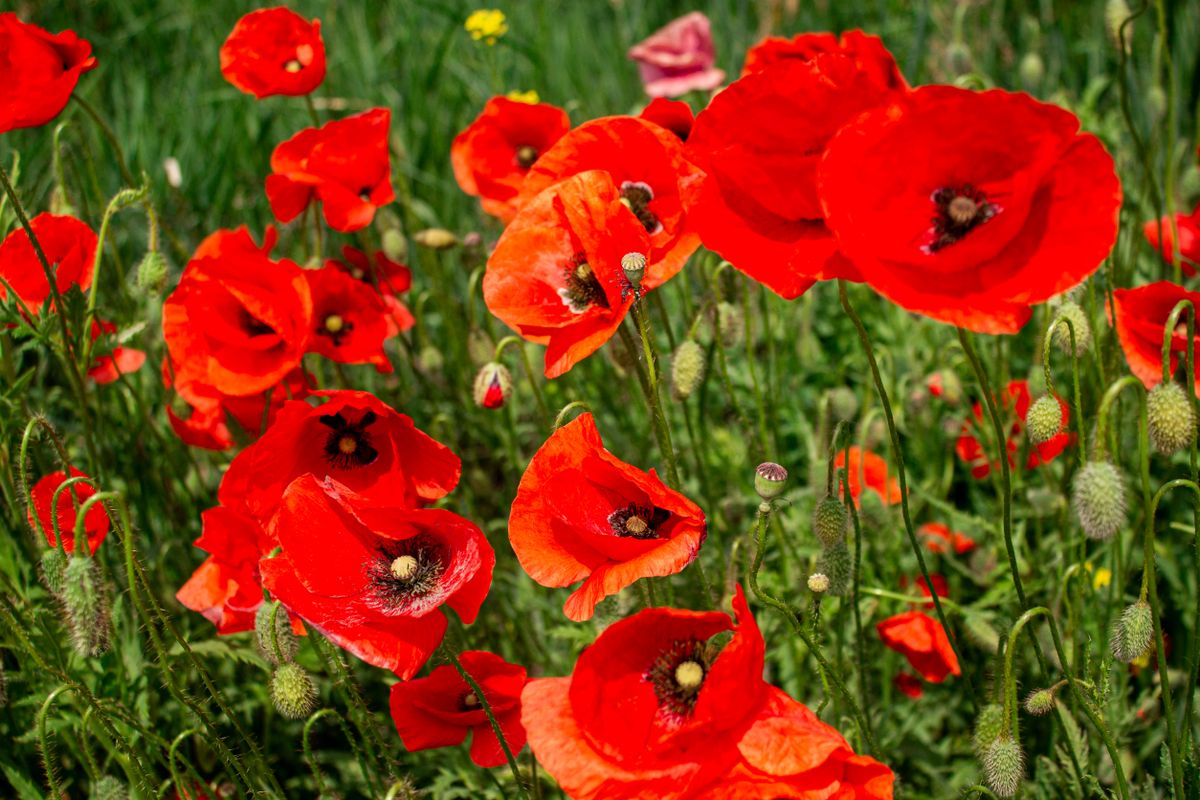
The national flower of Poland is the red poppy, scientifically known as Papaver rhoeas. You might also hear people call it the corn poppy, the field poppy, or simply the Flanders poppy. All of those names point to the same flower — a slender, scarlet wildflower that pops up across farmland, roadsides, and meadows throughout Poland every June and July.
Here's the thing: Poland doesn't have a single piece of legislation that declares the red poppy the official Poland national flower the way, say, the United States formally adopted the rose in 1986. The designation lives in cultural consensus rather than legal text. Poles grow up seeing poppies everywhere — on tablecloths, in folk art, on postage stamps, and in fields stretching to the horizon. The association runs so deep that no parliamentary vote was ever needed. Ask any Pole to name the Polish national flower, and the answer comes instantly: the red poppy.
Celebrate Poland's national flower
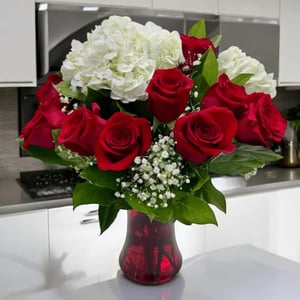
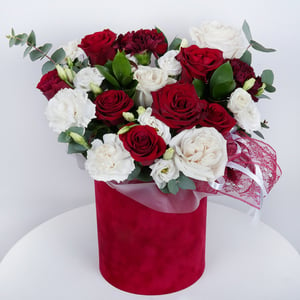
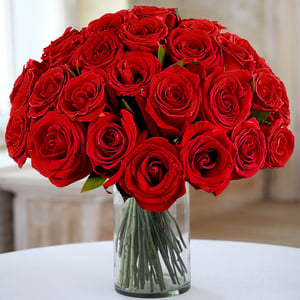
Browse red and vibrant bouquets, hand-arranged and delivered by local florists across the US and worldwide.
A quick note on terminology: "corn poppy" doesn't mean the flower grows on corn. In British and European English, "corn" historically referred to grain crops in general — wheat, barley, rye. The corn poppy earned its name because it thrives among grain fields. In the US, "red poppy" is the clearest label, so that's what I'll mostly use here.
Why the red poppy became Poland's national flower

The national flower of Poland didn't win its title by accident. Several powerful threads of history, geography, and emotion weave together to explain why Poles chose this particular bloom.
It grows everywhere in Polish soil
Poland's landscape is roughly 60% agricultural land and rolling lowland plains — prime territory for the red poppy. Drive through Masuria, Podlasie, or the Lublin region in early summer, and you'll see entire fields blushing scarlet. The Poland flower literally paints the countryside in the same red that dominates the Polish flag. That visual echo between wildflower and national banner cemented the connection generations ago.
Remembrance and wartime symbolism
Red poppies bloom on disturbed soil — including battlefields. Across Europe, poppies became synonymous with wartime remembrance after World War I, inspired partly by the poem "In Flanders Fields." Poland, a country that endured partition, two World Wars, and decades of occupation, embraced the poppy as a symbol of sacrifice and resilience. Every August 1, Poles mark the anniversary of the Warsaw Uprising, and red poppies appear on lapels, posters, and monuments. The flower connects beauty to loss in a way few other blooms can.
Literature and folk culture
Polish poets and songwriters have referenced Polish flowers for centuries, and the poppy stands out prominently. The folk song "Czerwone maki na Monte Cassino" ("Red Poppies on Monte Cassino") memorializes Polish soldiers who fought in Italy during World War II. The song remains one of the most recognized patriotic ballads in Poland. Beyond wartime verse, poppies appear in harvest celebrations, children's rhymes, and regional legends — proof that this flower is stitched into everyday Polish life, not just ceremonial occasions.
Red poppy — physical characteristics and fun facts
The national flower of Poland is as visually striking as it is symbolically rich. Let me walk you through what makes this plant so distinctive.
Appearance
The red poppy grows 12 to 18 inches tall on a slender, hairy stem that sways with the slightest breeze. Each flower features four delicate, tissue-paper-thin petals in vivid scarlet, often marked with a dark blotch at the base. The center holds a ring of blue-black stamens surrounding a flat-topped seed capsule. Picture this: a bloom so light that it seems to float above the green stems like a tiny lantern.
Color range
Most wild poppies blaze pure red, but cultivated varieties produce shades of orange, salmon pink, and even white. Gardeners in the US can grow corn poppies from seed in USDA Hardiness Zones 3 through 9 — so nearly anywhere in the continental United States.
Seeds and baking traditions
Fun fact: a single poppy seed capsule can hold up to 20,000 tiny seeds. Poles use those seeds enthusiastically in the kitchen. Makowiec, a traditional poppy-seed roll, appears on nearly every Polish Christmas Eve table. The seeds are ground into a sweet paste, spread across yeast dough, rolled up, and baked until golden. I find it fascinating that the flower of Poland contributes not only to the landscape and cultural identity but also to one of the country's most beloved holiday desserts.
Self-seeding superpower
Red poppies reseed themselves year after year. You don't replant them; they simply come back. The seeds can remain dormant in the soil for decades and germinate once the ground gets disturbed — by plowing, construction, or even the upheaval of a battlefield. That biological tenacity mirrors the resilience Poles see in the flower.
Symbolism and meaning of the Polish national flower
The national flower of Poland carries layered meanings that shift depending on context.
- Resilience. Poppies grow in poor, disturbed soil where other plants struggle. Poles see a parallel with their own national history — a country divided, occupied, and rebuilt, yet always reemerging.
- Remembrance. The crimson color evokes blood and sacrifice. Polish veterans' organizations distribute paper poppies much like Americans distribute paper poppies on Memorial Day.
- Beauty in simplicity. The poppy is not an exotic orchid or a cultivated hybrid rose. The bloom lasts only a day or two before its petals drop. That fleeting beauty carries a quiet message: treasure what you have right now.
- Rebirth. Because poppies colonize freshly turned earth, Poles associate the flower with new beginnings — fitting for a nation that has reinvented itself repeatedly across the centuries.
For comparison, the Netherlands claims the tulip, Germany cherishes the cornflower, and Austria favors the edelweiss. Each flower of Poland's European neighbors tells a story about national character, and Poland's choice of the wild, resilient red poppy says something beautiful about the people who adopted it.
Polish folk flowers — the floral patterns of Poland
The national flower of Poland holds the top symbolic spot, but walk into any Polish folk art exhibit and you'll notice dozens of different blooms splashed across paper, fabric, and wood. Polish folk flowers are a world unto themselves, and competitors barely scratch the surface. Let me fix that.
Wycinanki — paper-cut art
Wycinanki (pronounced vee-chee-NAN-kee) is the traditional Polish art of cutting intricate designs from folded colored paper. Artisans in the Łowicz and Kurpie regions create symmetrical compositions bursting with stylized roosters, geometric shapes, and — above all — flowers. Roses, poppies, cornflowers, and tulips interlock in vivid layers of red, orange, green, and blue. Museums in Łowicz display wycinanki pieces the size of dinner tables, and the art form has been practiced since at least the 19th century.
Łowicz embroidery
The Łowicz region in central Poland is famous for rainbow-striped costumes covered in bold floral embroidery. Women embroider roses, pansies, forget-me-nots, and poppies onto vests, skirts, and headscarves. The designs use chunky satin stitches and high-contrast color palettes that make the Polish folk flowers jump off the fabric. Honestly, seeing a full Łowicz outfit in person feels like looking at a garden condensed into clothing.
Kashubian embroidery
The Kashubian people of northern Poland have their own distinct floral tradition. Kashubian embroidery features flowing, curving stems and blooms — often tulips, lilies, and cornflowers — rendered in gold and cobalt blue on white or black backgrounds. The style is more restrained than Łowicz work but equally stunning.
Why roses appear on folk dresses when the national flower is the poppy
This question comes up constantly, and it deserves a clear answer. Polish folk art draws on the full range of flowers in Poland — not just the national bloom. Roses, cornflowers, and pansies grew in cottage gardens across every Polish region. Folk artists embroidered and painted whatever bloomed around them. The red poppy holds the national title, but the rose holds the hearts of embroiderers. The two roles are different, and both are entirely valid.
Other popular flowers in Poland
The national flower of Poland gets the spotlight, but Poles adore many other blooms. Here are eight Poland flowers you'll find in gardens, markets, and bouquets across the country.
- Lily of the valley (Convallaria majalis). Tiny white bell-shaped flowers appear in May. Poles gift lily of the valley on May Day, and the sweet fragrance is unmistakable. Great for spring celebrations.
- Cornflower (Centaurea cyanus). Electric-blue petals bloom from June through August. Cornflowers grow wild in grain fields alongside poppies. A lovely addition to a casual summer bouquet.
- Peony (Paeonia). Lush, ruffled blooms in shades of pink, white, and magenta peak in late May and June. Peonies make stunning romantic gifts.
- Sunflower (Helianthus annuus). Bright yellow heads open in July and August. Sunflowers signal joy and energy — ideal for congratulations and housewarmings.
- Chamomile (Matricaria chamomilla). Dainty white-and-yellow flowers bloom all summer. Poles brew chamomile tea and use the flower in folk medicine. Chamomile works well in rustic, country-style arrangements.
- Lavender (Lavandula angustifolia). Purple spikes bloom in late June and July, especially in southern Poland. Lavender adds fragrance and texture to mixed bouquets.
- Aster (Aster amellus). Purple, pink, and white daisy-like flowers bloom from August through October, making asters perfect for fall gifts.
- Dahlia (Dahlia). Bold, geometric blooms in nearly every color appear from July until the first frost. Dahlias dominate Polish garden competitions and farmers' markets in late summer.
I'd recommend matching the flower to the season for the freshest arrangement. A local florist in Poland knows exactly what's at peak quality on any given week.
Flowers native to Poland — what grows wild?
The national flower of Poland thrives in the wild, and so do dozens of other gorgeous species. Poland's continental climate — cold, snowy winters and warm, humid summers — supports a diverse range of wildflowers across several distinct habitats.
Meadows and lowlands
Poland's central lowlands host expansive hay meadows rich in wildflowers. Flowers native to Poland in this zone include:
- Wild violet (Viola odorata). Tiny purple blossoms appear in March and April, often peeking through the last snow.
- Marsh marigold (Caltha palustris). Glossy yellow flowers line stream banks and wet meadows in April and May.
- Meadow cranesbill (Geranium pratense). Blue-violet flowers blanket grasslands from June through August.
Forests and woodland edges
Poland's forests — including the ancient Białowieża Forest, a UNESCO World Heritage Site — shelter shade-loving species.
- Wood anemone (Anemone nemorosa). White, star-shaped flowers carpet forest floors in early spring before the canopy leafs out.
- Hepatica (Hepatica nobilis). Purple, blue, or pink blooms open in March. Poles call hepatica przylaszczka, and the flower signals that spring has truly arrived.
- Lily of the valley (Convallaria majalis). This fragrant woodland native also thrives in gardens across the country.
Mountain regions
The Tatra Mountains along Poland's southern border support alpine wildflowers found nowhere else in the country.
- Edelweiss (Leontopodium alpinum). Woolly, star-shaped white flowers grow on rocky slopes above the tree line.
- Crocus (Crocus scepusiensis). Purple and white crocuses carpet the Tatra meadows each spring, drawing thousands of visitors to the Chochołowska Valley.
Poland protects many of these flowers of Poland through national parks and nature reserves. Białowieża, Biebrza Marshes, and Tatra National Park all restrict picking wildflowers — a practice I wholeheartedly support.
When and why to send flowers to Poland
The national flower of Poland symbolizes national pride, but everyday flower-giving in Poland revolves around personal milestones and holidays. Flowers play a bigger role in Polish social life than most Americans realize. Here are the key occasions.
Name Days (Imieniny)
Many Poles celebrate their imieniny — the feast day of the saint whose name they share — with as much enthusiasm as a birthday, sometimes more. Colleagues bring flowers to the office, friends drop by with bouquets, and family members gather for cake. A mixed seasonal bouquet makes a perfect Name Day gift.
Women's Day (March 8)
International Women's Day is a major flower-giving event in Poland. Men present flowers to mothers, wives, girlfriends, teachers, and colleagues. Tulips and roses dominate flower markets on March 8, and florists across Poland prepare hundreds of extra arrangements.
Mother's Day (May 26 in Poland)
Polish Mother's Day falls on May 26 — a different date from the US celebration in mid-May. Children bring flowers and handmade cards, and adult children send bouquets to their mothers across the country. Peonies and roses are popular choices.
All Saints' Day (November 1)
Poles visit cemeteries on November 1 to honor deceased family members. Chrysanthemums are the traditional flower for graves — which is exactly why you should never give chrysanthemums as a happy-occasion gift in Poland. (More on that below.)
Christmas and Easter
Fresh flowers decorate Polish homes during both holidays. Poinsettias and red roses appear at Christmas, while spring bulbs — hyacinths, daffodils, and tulips — brighten Easter tables.
Sending flowers from the US
You can order flowers to Poland from anywhere in the United States through MyGlobalFlowers. Here's how the process works: you choose a bouquet online, a local florist in Poland assembles the arrangement using the freshest blooms available, and a courier hand-delivers the flowers to your recipient's door. The delivery cost calculates individually at checkout based on the destination and arrangement. Each bouquet may differ slightly from the website photo because the local florist selects what's freshest that day, matching the style and value you chose — and honestly, that's an advantage. Handcrafted arrangements always look better than mass-produced ones.
How to choose the right Polish flower bouquet
The national flower of Poland inspires a romantic gesture, but different occasions call for different blooms. Here's a quick guide.
Match the flower to the moment
- Romantic occasions. Choose red roses for classic romance or red poppies as a nod to Poland's national flower. Peonies also carry a romantic, lush feel.
- Sympathy and condolence. Choose white lilies, white roses, or chrysanthemums (the one situation where chrysanthemums are appropriate).
- Congratulations and celebrations. Choose sunflowers, gerbera daisies, or bright mixed bouquets. Yellow and orange tones signal joy.
- Name Day gifts. Choose a mixed seasonal bouquet. Let the local florist pick the best of the day's selection.
- Get well soon. Choose cheerful, lightly fragrant blooms like freesias or alstroemeria. Avoid heavily scented lilies in a hospital setting.
Essential Polish flower etiquette
These rules matter. Get them right, and your gift will land perfectly.
- Give an odd number of stems for happy occasions. One, three, five, seven — always odd. Polish tradition reserves even numbers for funerals.
- Give an even number of stems only for mourning. A bouquet of six or eight flowers signals condolence.
- Avoid chrysanthemums for birthdays, Name Days, and celebrations. Poles associate chrysanthemums with All Saints' Day and cemetery visits. Giving chrysanthemums for a joyful event would confuse — or offend — your recipient.
- Remove the price tag. This one seems obvious, but it's worth mentioning. Polish etiquette considers visible price tags on flowers tacky.
How to care for fresh flowers after delivery
The national flower of Poland may be hardy in the wild, but a delivered bouquet needs a little TLC. Follow these steps to help the arrangement last as long as possible.
- ✓Trim 1 inch off each stem at a 45-degree angle. An angled cut increases the surface area for water absorption.
- ✓Fill the vase with room-temperature water. Cold water can shock the stems, and hot water accelerates bacteria growth.
- ✓Add the flower food packet provided by the florist. The powder contains sugar for energy, bleach to fight bacteria, and citric acid to lower the pH.
- ✓Change the water every two days. Fresh water keeps bacteria levels low and stems unblocked.
- ✓Keep the bouquet away from direct sunlight, heating vents, and fruit bowls. Ripening fruit releases ethylene gas, which speeds wilting.
- ✓Remove wilted blooms promptly. Dying flowers release ethylene too, so pulling them out helps the remaining stems stay fresh longer.
I'd suggest sharing these tips with your recipient when you send the bouquet — a quick text message can double the life of the arrangement.
Send Polish floral spirit today
A fresh red bouquet, hand-arranged by a local florist and delivered to the door.
Common mistakes when sending flowers to Poland
The national flower of Poland might inspire you to send a gorgeous bouquet, but a few missteps can undermine even the most thoughtful gift. Avoid these pitfalls.
- ✗Sending an even number of flowers for a celebration. This is the most common mistake Americans make. Polish tradition treats even-numbered bouquets as funeral flowers. Always request an odd number.
- ✗Choosing chrysanthemums for a birthday or Name Day. Chrysanthemums belong on graves in Poland, not on dining tables. Stick to roses, tulips, peonies, or sunflowers for happy events.
- ✗Expecting the bouquet to look pixel-perfect compared to the website photo. Local florists in Poland assemble each bouquet by hand using the freshest available blooms. The florist matches the style, color palette, and value of the arrangement you selected, but may substitute one variety for another based on seasonal availability. The result is a fresher, more beautiful bouquet — not a downgrade.
- ✗Forgetting the time difference. Poland is 6 hours ahead of US Eastern Standard Time. A noon order from New York means the florist receives the request at 6:00 PM Polish time. Place your order early in the day — or the day before — to give the florist maximum flexibility.
- ✗Skipping the personal message. Most delivery services, including MyGlobalFlowers, let you attach a card with a personal note. A bouquet without a message feels anonymous. Even a short "Thinking of you" transforms the gift.
A small bloom with enormous meaning
The national flower of Poland — the red poppy — is just a few inches of papery scarlet petals on a hairy green stem. Yet it carries the weight of Polish history, the pride of a resilient nation, and the beauty of fields stretching to the horizon under a June sky. Learning about Polish flowers, from folk art traditions to wildflower meadows to gifting etiquette, deepens your connection to the culture in a way that textbooks rarely achieve.
Next time you want to surprise someone in Poland — for a Name Day, a birthday, Women's Day, or just because — pick a bouquet that respects local traditions. Choose an odd number of stems. Skip the chrysanthemums unless you're honoring a loved one's memory. And let the local florist use seasonal blooms to create something genuinely beautiful.
Browse Polish flower arrangements on MyGlobalFlowers and let a local florist in Poland create something special.
Have you ever received or sent flowers for a Polish Name Day? Share your experience!
Frequently asked questions
What is the national flower of Poland?▾
The national flower of Poland is the red poppy (Papaver rhoeas), also called the corn poppy or field poppy. The flower grows wild across Polish fields and holds deep cultural significance tied to national identity, remembrance, and folk tradition.
Is the red poppy officially recognized by Polish law as the national flower?▾
Poland has no specific legislation declaring the red poppy the official national flower. The status comes from longstanding cultural tradition rather than a parliamentary act. Poles universally recognize the red poppy as the flower of Poland, and government publications, stamps, and patriotic events consistently feature the bloom.
Why do Polish folk dresses feature roses when the Polish national flower is the red poppy?▾
Polish folk art draws on the full spectrum of flowers that grew in regional cottage gardens — roses, cornflowers, pansies, and many more. The red poppy represents the nation symbolically, but folk artisans embroider whichever blooms are beloved in their specific region. Roses appear frequently because they were widely cultivated and visually striking in embroidery.
What flowers should you avoid giving as a gift in Poland?▾
Avoid chrysanthemums for any happy occasion. Poles strongly associate chrysanthemums with All Saints' Day and cemetery visits. Also avoid giving an even number of stems, which signals mourning. Stick to odd numbers and cheerful blooms like roses, tulips, peonies, or sunflowers for celebrations.
Can I send flowers to Poland from the US?▾
Yes. You can order flowers to Poland from anywhere in the United States through MyGlobalFlowers. A local florist in Poland assembles the bouquet using fresh, seasonal blooms and a courier hand-delivers the arrangement to your recipient's door. The delivery cost calculates individually at checkout.
What is the meaning of poppies in Polish culture?▾
Poppies symbolize resilience, remembrance, and rebirth in Polish culture. The flower's ability to grow on disturbed and war-torn soil connects it to Poland's history of struggle and renewal. Poppies also appear in folk songs, patriotic ballads, and traditional celebrations like harvest festivals.