 EUR
EUR
 GBP
GBP
 CAD
CAD
 AUD
AUD

 ✨Boyfriend Day✨
 Birthday
 Occasions
 Same Day
 Flowers
 Roses
Roses
 Plants
 Gifts
Gifts
 International Flower Delivery
Massachusetts State Flower: The Mayflower
- 🌼 The Massachusetts state flower almost went extinct before most Americans even knew its name.
- 💡 Picture this: a low-growing, trailing evergreen shrub that barely reaches 6–8 inches tall.
- 🌸 Want to send a little bit of that New England charm to someone you love?
The Massachusetts state flower almost went extinct before most Americans even knew its name. Here's a fact that caught me off guard: this delicate woodland blossom landed on the endangered species list back in 1925 — just seven years after Massachusetts officially claimed it as a state symbol. And here's the kicker — the flower and the famous Pilgrim ship share a name, but the connection isn't what you'd expect. MyGlobalFlowers — an international flower delivery service — helped me dive into the story behind this fascinating plant, and I'm excited to share what I found. In this article, you'll learn the history, botanical details, and symbolism of the Mayflower, discover the connection between the Massachusetts state bird and flower, find out where this rare plant still grows, and explore how you can send beautiful blooms to anyone in the Bay State.
What is the Massachusetts state flower?
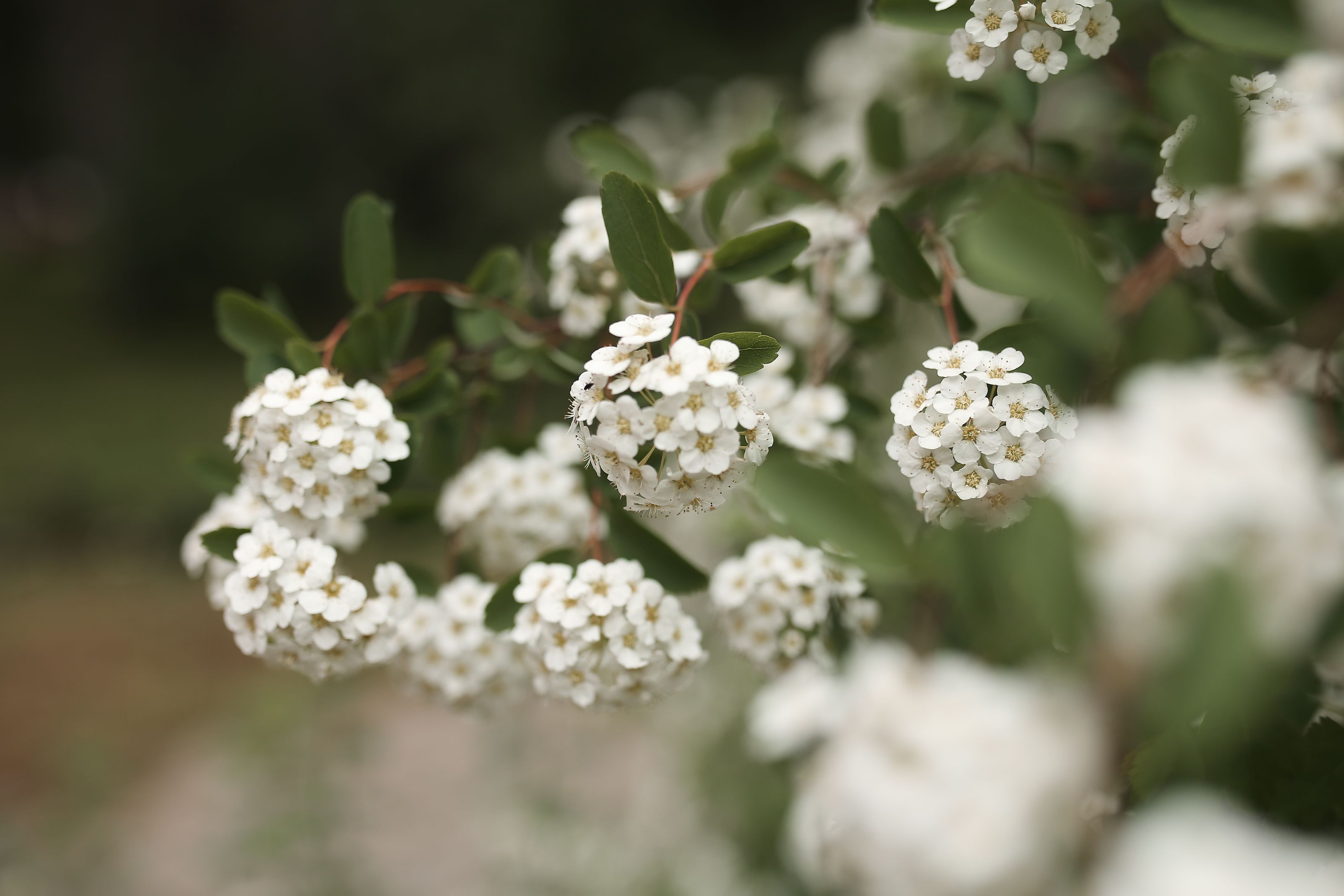
So, what is the Massachusetts state flower? The answer is the Mayflower, and its scientific name is Epigaea repens. You might also hear people call it trailing arbutus or ground laurel. The Massachusetts state flower name sometimes confuses people because "mayflower" can refer to several different plants in everyday English — but in the context of Massachusetts, there's only one true Mayflower.
Picture this: a low-growing, trailing evergreen shrub that barely reaches 6–8 inches tall. The Mayflower hugs the forest floor like a living carpet, sending out leathery, oval leaves that stay green through New England's harsh winters. In early spring, clusters of tiny pink-to-white blossoms appear, each one no bigger than a dime. The flowers release a fragrance that's sweet and spicy — people often compare the scent to vanilla or almonds. Honestly, it surprised me to learn that something so small could produce such a memorable aroma.
The Mayflower belongs to the Ericaceae family, commonly known as the heath family. That puts this dainty wildflower in the same botanical clan as cranberries and blueberries — two plants Massachusetts knows well. The Mayflower thrives in acidic, sandy, or peaty soils, and you'll find it scattered across eastern US woodlands wherever conditions are just right.
The history behind the Massachusetts state flower
Early advocacy and official adoption
The Massachusetts state flower didn't become official overnight. Advocates began pushing for the Mayflower as the state's floral emblem as early as 1893, when garden clubs and civic organizations rallied behind the tiny wildflower. The campaign took a quarter century of persistence, but Massachusetts officially adopted the Mayflower on May 1, 1918.
Now, let's untangle the name confusion. Some people believe the flower earned the name "mayflower" simply because it blooms in the month of May. Others assume a direct link to the Pilgrim ship that carried settlers to Plymouth in 1620. The truth? The Pilgrim ship "Mayflower" was actually named after hawthorn — a European plant the English commonly call "mayflower." The American plant Epigaea repens earned its "mayflower" nickname independently, long before anyone connected the dots between the ship and the shrub. I always find it fascinating how a single word can carry so many layers of history.
Conservation and endangered status
The Mayflower has been on the endangered list since 1925, and the reasons are painfully straightforward. During the late 1800s and early 1900s, people picked wild Mayflowers relentlessly — for bouquets, for pressing, for sale at roadside stands. Habitat loss from development compounded the problem. Today, picking wild Mayflowers is illegal in Massachusetts.
The plant's vulnerability runs deep. The Mayflower grows slowly, sometimes taking years to establish a viable colony. The shrub is extremely sensitive to soil disturbance, and it depends on specific mycorrhizal fungi in the soil to absorb nutrients. Disrupt that fungal partnership, and the plant dies. This delicate web of dependencies makes conservation efforts genuinely challenging — and makes every surviving patch of Mayflower feel like a small miracle.

Massachusetts state bird and flower — a symbolic pair
The Massachusetts state bird and flower form a quietly powerful duo. The state bird is the Black-Capped Chickadee (Poecile atricapillus), and Massachusetts designated the bird in 1941 — about two decades after adopting the Mayflower as the state flower.
Both symbols share a personality. The Chickadee is small, hardy, and unassuming. The bird doesn't migrate south for winter — it stays put, braving New England's ice and snow with a cheerful "chick-a-dee-dee-dee" call. The Mayflower does the same in plant form: a tough, modest evergreen that endures freezing temperatures and pushes out blossoms before the last snow melts. Together, the Massachusetts state bird and flower represent resilience and quiet beauty rather than flash and spectacle. I'd recommend thinking of them as the state's way of saying, "We don't need to be the loudest — we just need to be the toughest."
For context, Massachusetts also claims the American Elm as its state tree and the Cranberry as its state berry — both native, both deeply woven into the region's identity. But the Mayflower holds a special place because of its rarity and its layered historical significance.
Mayflower Massachusetts state flower — botanical profile
Where the Mayflower grows
The Mayflower's native range stretches across eastern North America, from Newfoundland south to Florida and west to Kentucky. But the Mayflower Massachusetts state flower connection runs deepest in the pine-oak forests, sandy trails, and woodland edges of the Bay State.
You can look for the Mayflower (without picking!) in several protected areas:
Cape Cod National Seashore offers sandy, acidic soils where Mayflowers thrive beneath pitch pines.
Blue Hills Reservation provides rocky woodland trails where the plant hugs shaded slopes.
Middlesex Fells Reservation features mixed forests with pockets of ideal Mayflower habitat.
Remember — admire with your eyes, photograph with your phone, and leave every stem untouched.
Blooming season
The Mayflower blooms from late March through May, depending on location and weather patterns. In sheltered southern-facing spots, the plant can push out blossoms even before the snow fully retreats. This makes the Mayflower one of the earliest spring wildflowers in New England — a true herald of spring.
The fragrance is the real showstopper. That sweet, spicy scent — somewhere between vanilla and almonds — drifts close to the ground, so you sometimes smell the flower before you spot it. Fun fact: some hikers describe the experience as "walking into an invisible bakery" in the middle of the woods.
Growing Mayflowers at home — practical tips
Growing the Massachusetts state flower in your own garden takes patience and the right conditions. Here's what the Mayflower needs:
Soil should be acidic, with a pH between 4.5 and 5.5, and well-drained — sandy or peaty compositions work best.
Light should be partial shade to mimic the dappled forest floor.
Moisture should stay consistent — keep the soil damp but never waterlogged.
Mulch should consist of pine needles or oak leaves to maintain acidity naturally.
One critical rule: never transplant Mayflowers from the wild. Beyond being illegal, wild transplants rarely survive because the process disrupts the mycorrhizal fungi the plant depends on. Buy nursery-propagated plants from reputable native plant nurseries instead.
Common mistakes to avoid:
Planting in alkaline or clay soil kills Mayflowers quickly because the roots can't access nutrients.
Over-watering causes root rot, which destroys the plant from below.
Full sun scorches the delicate leaves and dries out the shallow root system.
Using lime or standard fertilizer raises the soil pH and harms the plant's fungal partners.
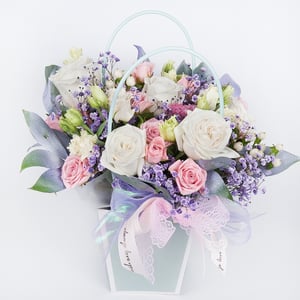
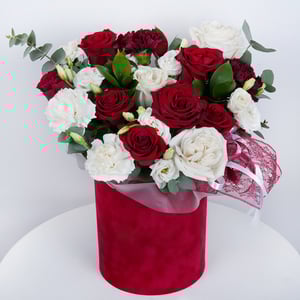
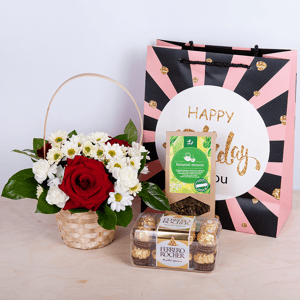
Looking for mixed bouquets?
Browse mixed bouquets from local florists and pick one that suits the moment.
Symbolism and cultural meaning of the Massachusetts state flower
The Massachusetts state flower carries symbolism that runs deep into American identity. The Mayflower represents resilience, hope, perseverance, and new beginnings — values Massachusetts has claimed as its own since colonial times.
The connection to the Pilgrim story is poetic, even though the ship and the flower share a name by coincidence rather than design. After enduring brutal winters, early settlers encountered this fragrant little blossom emerging from cold, thawing ground. The Mayflower became an emblem of survival — proof that beauty returns after hardship.
The Mayflower appears on the Massachusetts state quarter, released in the year 2000, alongside the iconic Minuteman statue. The design captures two pillars of Massachusetts identity in one coin: revolutionary courage and natural resilience.
You'll also find the Mayflower woven into local art, literature, and civic traditions. Patriots' Day celebrations in April — a uniquely Massachusetts holiday — coincide with the Mayflower's blooming season, and local spring festivals sometimes feature the flower in educational displays and nature walks. The plant may be tiny, but the cultural footprint is enormous.
Sending flowers to someone in Massachusetts
While you can't pick wild Mayflowers (and shouldn't try), you can absolutely brighten someone's day in Massachusetts with a stunning bouquet. The Massachusetts state flower reminds us that thoughtful gestures — even small ones — carry real meaning.
MyGlobalFlowers connects you with local florists across Massachusetts — in Boston, Worcester, Springfield, Cambridge, and dozens of other cities and towns. Local florists handcraft each arrangement using the freshest available seasonal blooms. Each florist may substitute individual stems with equal-value alternatives based on local availability, which means your recipient gets the freshest possible bouquet, crafted with care and professional artistry. Think of the slight variations as a feature, not a compromise — every arrangement becomes one of a kind.
The delivery cost is calculated during checkout based on the specific delivery address, so you'll always know the total before you confirm your order.
Best occasions to send flowers in Massachusetts
Mother's Day (second Sunday of May) — Spring bouquets echo the Mayflower's blooming season and carry extra seasonal warmth.
Valentine's Day (February 14) — Classic roses or mixed arrangements say what words sometimes can't.
Graduation season (May–June) — Celebrations at Harvard, MIT, Boston University, and dozens of other schools deserve a floral milestone marker.
Thanksgiving (fourth Thursday of November) — Autumn-toned arrangements with sunflowers, mums, and dahlias set the perfect table mood.
Patriots' Day (third Monday of April) — A uniquely Massachusetts holiday deserves a uniquely thoughtful gesture — surprise a Bay Stater with seasonal blooms.
Sympathy and condolences — Elegant white arrangements offer comfort any time of year.
"Just because" — Honestly, this is the best reason of all.
How to choose the right bouquet
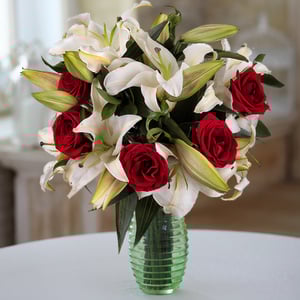
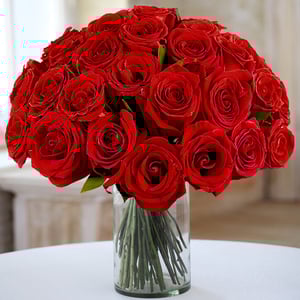
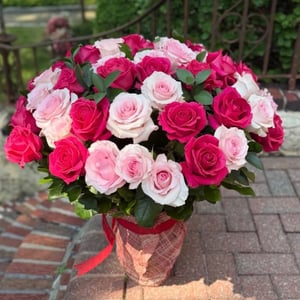
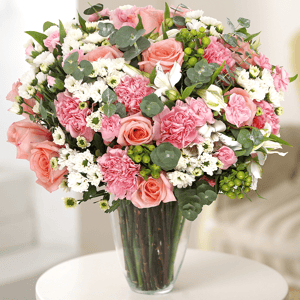
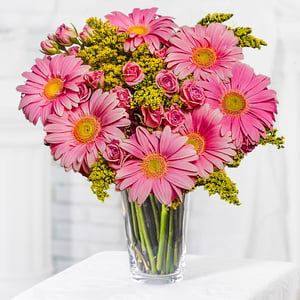
Consider the person you're sending flowers to. Classic roses work for romantics. Cheerful sunflowers brighten an office desk. Elegant lilies suit formal occasions. Vibrant mixed bouquets bring energy to a kitchen counter or living room.
Think about the season, too. Spring calls for tulips and daffodils. Summer invites peonies and hydrangeas. Fall showcases mums and dahlias. Winter features amaryllis and evergreen accents. Each season offers its own palette, and local florists know exactly which blooms look and last their best at any given time.
Browse the MyGlobalFlowers catalog for curated options — each arrangement is designed by experienced florists who understand color, texture, and balance.
Flower care tips after delivery
Once a fresh bouquet arrives, a few simple steps help it last longer:
Trim the stems at a 45-degree angle with sharp scissors to maximize water absorption.
Remove any leaves that sit below the waterline to prevent bacterial growth.
Fill the vase with cool, clean water and add the flower food packet that comes with the arrangement.
Change the water every two days to keep bacteria from building up.
Keep the bouquet away from direct sunlight, heating vents, and fruit bowls — fruit releases ethylene gas that wilts flowers faster.
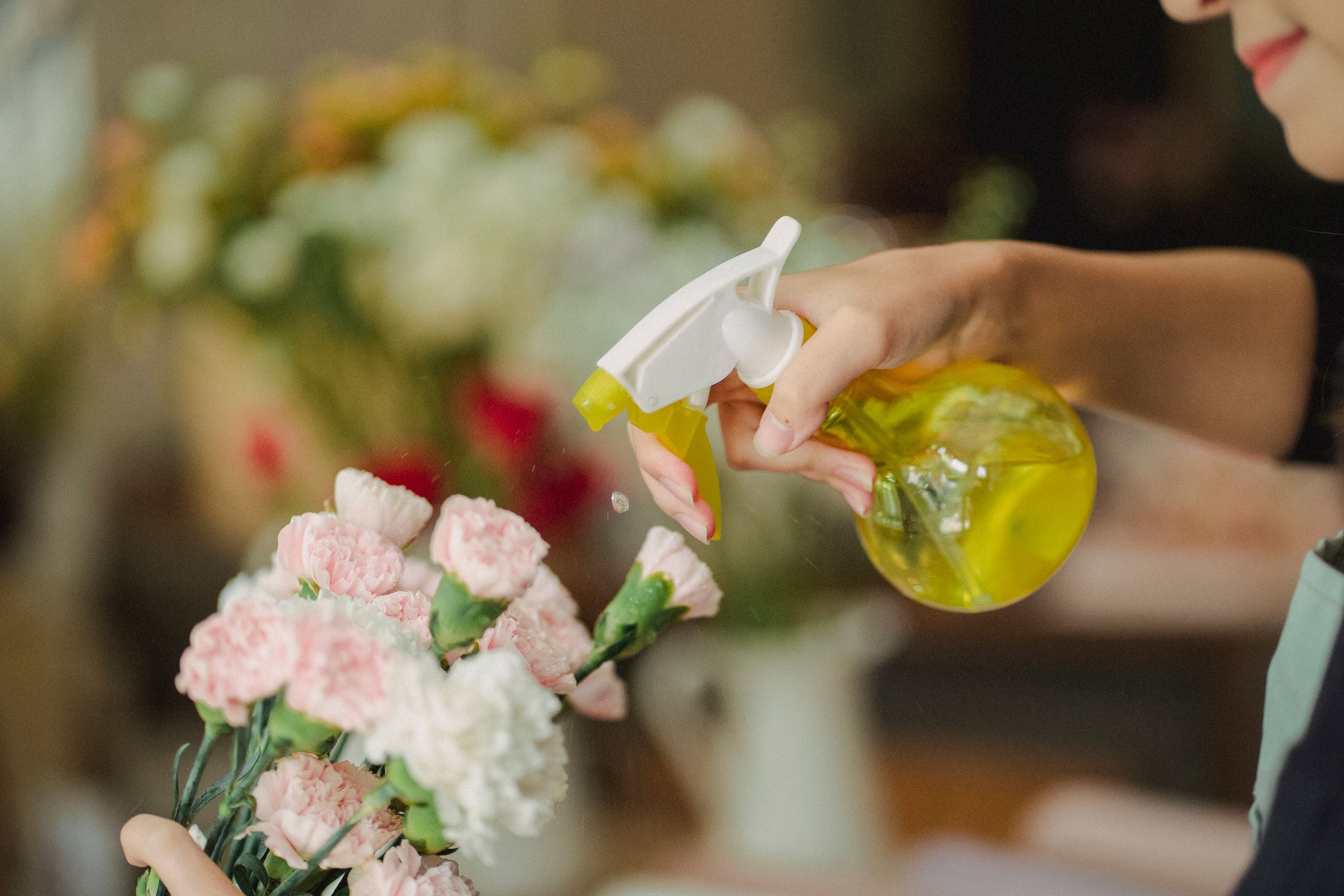
Mist the petals lightly during Massachusetts' dry winter heating season to add a touch of humidity.
Common mistakes when learning about state flowers
The Massachusetts state flower generates its share of mix-ups. Here are the most common ones:
People confuse the Mayflower plant (Epigaea repens) with the Pilgrim ship — the two share a name but have completely different origins.
Some assume you can pick or transplant wild Mayflowers — the plant has been protected since 1925, and removing it is illegal.
Others mix up the Mayflower with the mountain laurel (Kalmia latifolia), which serves as Connecticut's state flower — different plant, different state.
Many expect the Mayflower to be showy or large — it's actually a subtle, ground-hugging plant, easy to walk right past without noticing.
Getting these details right matters, especially when you're helping kids with school projects or settling a friendly debate at a dinner party.
A final thought on the Mayflower
The Mayflower is a perfect emblem for Massachusetts — tough, understated, deeply rooted in history, and quietly beautiful in a way that rewards patience and attention. I've always felt that the best symbols don't shout. The Mayflower whispers, and that's precisely what makes it unforgettable.
Next time you're hiking through a Massachusetts pine forest in early spring, look down. You might spot a cluster of tiny, fragrant blossoms hugging the cold ground — one of the first signs that winter is finally loosening its grip. That moment, when you catch the scent before you see the petals, is pure New England magic.
Want to send a little bit of that New England charm to someone you love? Browse the MyGlobalFlowers catalog and let a local florist craft something beautiful.
Have you ever spotted a wild Mayflower on a Massachusetts trail? I'd love to hear about it.
Send flowers today
Choose a bouquet, add a message, and a local florist hand-delivers it.