EUR
 GBP
 CAD
 AUD

 🎃Halloween🎃
 Birthday
 Occasions
 Same Day
 Flowers
 Roses
 Plants
 Gifts
 International Flower Delivery
Popular Types of Flowers: A Guide to Nature’s Brightest Blooms
- 🌸 Picture this: you walk into a garden bursting with color, and you can name maybe five types of flowers out of the hundreds staring back at you.
- 💡 This article covers over 100 types of flowers with pictures, organized by color, meaning, season, life cycle, and occasion.
- 🌸 Top housewarming and congratulations gift
Picture this: you walk into a garden bursting with color, and you can name maybe five types of flowers out of the hundreds staring back at you. Roses, sure. Sunflowers, easy. Tulips, maybe. But what about that ruffled purple bloom in the corner? Or the fiery orange spike near the fence? Most of us love flowers, yet most of us barely scratch the surface of what's out there. That's exactly why this guide exists. Whether you're planning a wedding, choosing sympathy arrangements, building a garden from scratch, or simply want to send a gorgeous bouquet through MyGlobalFlowers — an international flower delivery service that works with local florists in over 30 countries — knowing your flowers changes everything.
This article covers over 100 types of flowers with pictures, organized by color, meaning, season, life cycle, and occasion. You'll find practical tips on bouquet building, wedding florals, funeral etiquette, tropical varieties, wildflowers, and even flowering cacti (a topic most guides completely ignore). By the time you finish reading, you'll know exactly which bloom to pick for any moment in life — and how to keep it looking fresh once it arrives at your door.
Let's get into it.
100 types of flowers — the ultimate A-to-Z list with pictures
When people search for types of flowers, they usually want one thing: a massive, scannable list they can browse like a catalog. So here it is — 100 flowers, organized into groups, each with a quick snapshot of what the bloom looks like, when it flowers, what it symbolizes, and how to use it best. Every entry on the page includes a picture, so you're getting a true visual guide to types of flowers with pictures you can actually reference.
A through D
Agapanthus — Tall stalks crowned with globe-shaped clusters of blue or purple florets. Blooms summer. Symbolizes love letters. Best in garden borders.
Alstroemeria — Multicolored petals with delicate streaks resemble miniature lilies. Blooms late spring to fall. Symbolizes friendship and devotion. Excellent bouquet filler.
Allium — Giant spherical heads of tiny star-shaped flowers sit atop sturdy stems. Blooms late spring. Symbolizes unity. Stunning in garden displays and modern arrangements.
Amaryllis — Large trumpet-shaped blooms in red, white, or pink burst from a single thick stem. Blooms winter indoors. Symbolizes pride and determination. Popular Christmas gift plant.
Anemone — Papery petals surround a dark, button-like center. Blooms spring. Symbolizes anticipation. A favorite in wedding bouquets.
Anthurium — Glossy, heart-shaped spathes in red, pink, or white give a tropical punch. Blooms year-round indoors. Symbolizes hospitality. Great as a houseplant or in exotic arrangements.
Aster — Daisy-like blooms with slender petals in purple, pink, or white. Blooms late summer to fall. Symbolizes patience. Perfect for autumn bouquets.
Azalea — Clusters of funnel-shaped flowers in pink, red, or white cover woody shrubs. Blooms spring. Symbolizes temperance. Best in garden landscapes.
Bee Balm — Spiky, tubular petals in red, pink, or purple attract hummingbirds like a magnet. Blooms midsummer. Symbolizes compassion. Ideal for pollinator gardens.
Begonia — Waxy, layered blooms in red, pink, orange, or white thrive in shade. Blooms summer. Symbolizes caution. Best in containers and garden beds.
Bird of Paradise — Dramatic orange and blue petals mimic a tropical bird in flight. Blooms late winter to spring. Symbolizes freedom and joy. A statement flower in arrangements.
Black-Eyed Susan — Bright yellow petals radiate from a dark brown center. Blooms summer to fall. Symbolizes encouragement. A classic US wildflower.
Bluebell — Nodding, bell-shaped blue flowers carpet woodland floors. Blooms spring. Symbolizes humility. Best naturalized in shady gardens.
Buttercup — Small, glossy yellow cups on slender stems glow like tiny suns. Blooms late spring. Symbolizes cheerfulness. Charming in wildflower-style bouquets.
Calendula — Bright orange or yellow daisy-like blooms with a slightly spicy scent. Blooms spring through fall. Symbolizes grace. Edible and medicinal — great in herb gardens.
Calla Lily — Sleek, trumpet-shaped bloom wraps around a central spadix. Blooms late spring to summer. Symbolizes magnificence. A staple of elegant weddings.
Camellia — Rose-like blooms with perfectly layered petals in pink, red, or white. Blooms late winter to spring. Symbolizes admiration. Best as a garden shrub.
Carnation — Ruffled, fringed petals in nearly every color. Blooms spring and summer. Symbolizes fascination and distinction. One of the longest-lasting cut flowers.
Celosia — Velvety, flame-shaped or brain-shaped blooms in red, orange, yellow, or pink. Blooms summer to fall. Symbolizes boldness. Adds dramatic texture to arrangements.
Cherry Blossom — Delicate pink or white clusters on graceful branches. Blooms early spring. Symbolizes the fleeting nature of life. Iconic in Washington, D.C. during March and April.
Chrysanthemum — Dense, layered blooms in white, yellow, burgundy, or purple. Blooms fall. Symbolizes loyalty and honor. The quintessential Thanksgiving flower.
Clematis — Star-shaped or bell-shaped flowers in purple, pink, or white climb along trellises. Blooms spring to fall depending on variety. Symbolizes ingenuity. Best on garden structures.
Columbine — Intricate, spurred petals in red, blue, yellow, or purple resemble tiny lanterns. Blooms spring to early summer. Symbolizes courage. A North American native wildflower.
Coneflower (Echinacea) — Daisy-like blooms with a raised central cone in purple, pink, or white. Blooms summer. Symbolizes strength and healing. Attracts butterflies.
Coreopsis — Bright yellow or bicolor blooms on wiry stems wave in the breeze. Blooms summer. Symbolizes cheerfulness. Drought-tolerant and low maintenance.
Cornflower — Vivid blue, ragged-edged petals form compact flower heads. Blooms late spring to summer. Symbolizes delicacy. Beautiful in rustic bouquets.
Cosmos — Open, daisy-like blooms in pink, white, or maroon sway on tall, airy stems. Blooms summer to fall. Symbolizes order and harmony. Easy-to-grow annual.
Crocus — Cup-shaped blooms in purple, yellow, or white push through late-winter snow. Blooms late winter to early spring. Symbolizes youthful gladness. A welcome sign of spring.
Daffodil — Bright yellow or white trumpet-shaped flowers nod on slender stems. Blooms early spring. Symbolizes rebirth and new beginnings. The classic Easter bloom.
Dahlia — Intricate, geometrically layered petals come in virtually every color except blue. Blooms midsummer to frost. Symbolizes elegance and inner strength. A showstopper in bouquets.
E through J
Delphinium — Tall spikes of densely packed florets in electric blue, purple, pink, or white. Blooms early to midsummer. Symbolizes big-heartedness. A go-to for adding height to arrangements.
Dianthus — Fringed petals in pink, red, or white often edged with a contrasting color. Blooms spring to summer. Symbolizes divine love. Related to carnations, great for borders.
Echinacea — See Coneflower above (entry 24). Often listed separately in catalogs.
Foxglove — Tubular, bell-shaped flowers in purple, pink, or white line tall spikes. Blooms early summer. Symbolizes insincerity (folklore). Stunning but toxic — keep away from children and pets.
Freesia — Funnel-shaped, intensely fragrant blooms in yellow, white, pink, or red. Blooms spring. Symbolizes trust and friendship. One of the best-smelling bouquet flowers.
Gardenia — Creamy white, waxy blooms release a rich, sweet fragrance. Blooms late spring to summer. Symbolizes purity and sweetness. Popular corsage flower.
Gerbera Daisy — Large, vivid blooms with perfectly arranged petals in orange, pink, yellow, red, or white. Blooms spring through fall. Symbolizes happiness. A top-five cut flower worldwide.
Ginger Flower — Torch-like clusters in red, pink, or white emit a spicy-sweet scent. Blooms summer in tropical climates. Symbolizes diversity and wealth. Thrives outdoors in Hawaii and Florida.
Gladiolus — Sword-shaped leaves give way to tall spikes of ruffled blooms in every color. Blooms summer. Symbolizes strength of character. The August birth flower.
Goldenrod — Plumes of tiny golden-yellow flowers wave in late-summer fields. Blooms late summer to fall. Symbolizes encouragement. Native US wildflower — unfairly blamed for hay fever (ragweed is the real culprit).
Heliconia — Bright red, orange, or yellow claw-shaped bracts look like lobster claws. Blooms year-round in the tropics. Symbolizes hospitality. A true statement tropical flower.
Hibiscus — Large, funnel-shaped flowers in red, pink, orange, yellow, or white with a prominent central stamen. Blooms summer. Symbolizes delicate beauty. Hawaii's state flower.
Hollyhock — Tall spikes covered with saucer-shaped blooms in pink, red, white, yellow, or near-black. Blooms midsummer. Symbolizes ambition. A cottage-garden classic.
Hyacinth — Dense clusters of star-shaped, sweetly scented florets in purple, pink, white, or blue. Blooms early spring. Symbolizes playfulness. Incredible fragrance fills a room.
Hydrangea — Large, globe-shaped clusters of tiny flowers in blue, pink, purple, or white. Blooms summer. Symbolizes heartfelt emotion. Color changes based on soil pH — acidic soil turns blooms blue.
Indian Paintbrush — Bright red or orange bracts that look like brushes dipped in paint. Blooms late spring to summer. Symbolizes artistry. Native wildflower found across the western US.
Iris — Three upright petals and three drooping sepals in purple, blue, yellow, or white create an architectural shape. Blooms spring to early summer. Symbolizes wisdom and faith. The February birth flower.
Jasmine — Tiny, star-shaped white flowers release an intoxicating fragrance, especially at night. Blooms spring to summer. Symbolizes sensuality and grace. Popular in perfumery.
K through P
Kangaroo Paw — Fuzzy, tubular flowers in red, yellow, or green resemble a kangaroo's paw. Blooms late spring to summer. Symbolizes uniqueness. Eye-catching in modern arrangements.
Lantana — Clusters of tiny flowers shift from yellow to orange to red on the same plant. Blooms spring to frost. Symbolizes rigor. Heat-loving, drought-tolerant, and butterfly-friendly.
Larkspur — Cottage-garden spikes of blue, purple, pink, or white blooms. Blooms early summer. Symbolizes levity. The July birth flower — often dried for lasting arrangements.
Lavender — Slender spikes of tiny purple-blue flowers on silvery stems. Blooms early to midsummer. Symbolizes devotion and serenity. Prized for fragrance and herbal use.
Lilac — Cone-shaped clusters of tiny, sweetly scented flowers in purple, pink, or white. Blooms mid-spring. Symbolizes first love. One of spring's most beloved fragrances.
Lily (Asiatic) — Upward-facing, unscented blooms in orange, yellow, red, or pink. Blooms early summer. Symbolizes celebration. Hardy and great for gardens.
Lily (Oriental) — Large, fragrant, outward-facing blooms in white, pink, or deep crimson. Blooms mid to late summer. Symbolizes purity and passion. A bouquet superstar.
Lily of the Valley — Tiny, bell-shaped white flowers dangle from arching stems. Blooms mid-spring. Symbolizes return to happiness. A royal wedding favorite — but highly toxic.
Lisianthus — Rose-like ruffled blooms in white, purple, pink, or blue. Blooms summer. Symbolizes gratitude. An increasingly popular (and more affordable) alternative to roses in bouquets.
Lotus — Iconic aquatic bloom rises from muddy water in pink, white, or yellow. Blooms summer. Symbolizes purity and enlightenment. Sacred in many cultures.
Magnolia — Large, cup-shaped flowers in white, pink, or purple grace stately trees. Blooms early spring. Symbolizes dignity and perseverance. The Mississippi state flower.
Marigold — Pom-pom-shaped blooms in gold, orange, and yellow with a pungent scent. Blooms late spring to frost. Symbolizes grief and remembrance (in Mexican culture, Día de los Muertos). Great companion plant in vegetable gardens.
Milkweed — Clusters of small pink, orange, or white flowers attract monarch butterflies. Blooms summer. Symbolizes hope and transformation. Essential for monarch conservation.
Morning Glory — Funnel-shaped blooms in blue, purple, pink, or white open at dawn and close by afternoon. Blooms summer to fall. Symbolizes affection and mortality. Fast-growing vine.
Narcissus — Similar to daffodil — white or yellow blooms with a central corona. Blooms early spring. Symbolizes self-esteem. The December birth flower when forced for indoor blooming.
Orchid — Exotic, symmetrical blooms in virtually every color and pattern. Blooms vary by species — some year-round. Symbolizes luxury, refinement, and love. One of the most gifted houseplants in the US.
Pansy — Flat, velvety flowers with "face" markings in purple, yellow, orange, blue, or multicolor. Blooms spring and fall (cool weather). Symbolizes loving thoughts. Perfect for window boxes.
Passion Flower — Intricate, alien-looking blooms in purple, blue, and white with a dramatic corona of filaments. Blooms summer. Symbolizes faith. Native to the southeastern US.
Peony — Lush, rounded, multi-petaled blooms in pink, white, red, or coral. Blooms late spring. Symbolizes romance and prosperity. The most requested wedding flower in the US.
Petunia — Trumpet-shaped blooms in pink, purple, red, white, or bicolor cascade from containers. Blooms spring to frost. Symbolizes comfort. A bedding-plant workhorse.
Plumeria (Frangipani) — Waxy, pinwheel-shaped blooms in white, yellow, and pink release a heavenly tropical scent. Blooms summer. Symbolizes creation and new beginnings. Used in Hawaiian leis.
Poppy — Papery, cup-shaped blooms in red, orange, white, or yellow with dark centers. Blooms spring to early summer. Symbolizes remembrance — worn on Memorial Day. The California poppy is the state flower of California.
Protea — Large, sculptural blooms surrounded by stiff, colorful bracts in pink, red, or cream. Blooms fall to winter. Symbolizes courage and transformation. Long-lasting and dries beautifully.
Q through Z
Queen Anne's Lace — Flat clusters of tiny white florets form a lacy umbrella shape. Blooms summer. Symbolizes sanctuary. A common roadside wildflower — gorgeous in rustic bouquets.
Ranunculus — Thin, tissue-paper-like petals spiral into a tight rosette in red, pink, orange, yellow, or white. Blooms spring. Symbolizes charm and attractiveness. A wedding-bouquet darling.
Rose — The world's most recognized flower, with layered petals in every color imaginable. Blooms spring to fall. Symbolizes love (red), friendship (yellow), purity (white), gratitude (pink). The June birth flower.
Salvia — Spikes of tubular flowers in red, blue, purple, or white attract hummingbirds and butterflies. Blooms summer to fall. Symbolizes wisdom. Heat-tolerant and long-blooming.
Scabiosa (Pincushion Flower) — Dome-shaped blooms in lavender, blue, pink, or white with pin-like stamens. Blooms summer. Symbolizes unfortunate love. Delicate texture for garden or bouquet.
Snapdragon — Two-lipped, tubular flowers stack along tall spikes in pink, red, orange, yellow, or white. Blooms spring to fall. Symbolizes grace and strength. Squeeze the sides and the "mouth" opens — kids love it.
Statice — Papery, everlasting blooms in purple, pink, white, or yellow. Blooms summer. Symbolizes remembrance. Dries perfectly and retains color for months.
Stephanotis — Waxy, star-shaped white flowers with a jasmine-like fragrance. Blooms late spring to summer. Symbolizes marital happiness. A classic bridal flower.
Stock — Dense, fragrant spikes of ruffled blooms in pink, purple, white, or cream. Blooms spring. Symbolizes a happy life. Adds volume and scent to bouquets.
Sunflower — Large, golden-yellow heads with brown centers track the sun across the sky. Blooms summer. Symbolizes adoration and loyalty. Kansas's state flower — and the ultimate feel-good bloom.
Sweet Pea — Ruffled, butterfly-like blooms in pastel pink, purple, white, and peach. Blooms spring to early summer. Symbolizes blissful pleasure. Fragrance is soft and enchanting.
Sweet William — Dense, flat clusters of fringed florets in red, pink, white, or bicolor. Blooms late spring. Symbolizes gallantry. A biennial that self-seeds readily.
Tiger Lily — Orange petals with dark spots curve backward dramatically. Blooms midsummer. Symbolizes confidence and pride. Tough and easy to grow.
Tuberose — Waxy white, intensely fragrant blooms line a tall stem. Blooms late summer. Symbolizes dangerous pleasure. Used in high-end perfumery.
Tulip — Cup-shaped blooms on sturdy stems in red, yellow, pink, purple, white, or orange. Blooms mid-spring. Symbolizes perfect love. Over 3,000 registered varieties exist.
Verbena — Clusters of tiny flowers in purple, pink, red, or white. Blooms summer to fall. Symbolizes enchantment. A pollinator magnet and heat-tolerant annual.
Violet — Small, five-petaled flowers in purple, blue, or white hug the ground. Blooms early spring. Symbolizes modesty and faithfulness. The February birth flower.
Wisteria — Cascading clusters of fragrant lilac, blue, or white blooms drape from woody vines. Blooms mid-spring. Symbolizes devotion and welcome. Spectacular on pergolas.
Yarrow — Flat-topped clusters of tiny flowers in white, yellow, pink, or red. Blooms summer. Symbolizes healing. Drought-tolerant perennial with feathery foliage.
Zinnia — Bold, layered blooms in every color except blue. Blooms summer to frost. Symbolizes thoughts of absent friends. Easy-to-grow annual — butterflies adore zinnias.
Zephyranthes (Rain Lily) — Delicate funnel-shaped blooms in white, pink, or yellow pop up after summer rains. Blooms summer. Symbolizes expectation. A charming, underrated bulb.
And there you have it — 100 types of flowers, each with its own personality. Honestly, narrowing the list to just 100 was harder than you'd think. The flower world is enormous. But these are the blooms you'll encounter most often in gardens, bouquets, weddings, and florist shops across the US.

Looking for romantic flowers?
Browse romantic flowers from local florists and pick one that suits the moment.
Types of flowers by color
Choosing types of flowers by color is one of the fastest ways to build a cohesive arrangement, plan an event palette, or simply find what matches your mood. Below, I've organized popular blooms into seven color families — white, pink, red, yellow, orange, blue, and purple. Each sub-section spotlights flowers that reliably deliver that hue.
Types of white flowers
White flowers carry a timeless elegance. People associate them with purity, peace, sympathy, and new beginnings — which is why they dominate weddings and memorial services alike.
Gardenia — Creamy, waxy petals release one of the most recognizable fragrances in the flower world. People use gardenias for corsages, boutonnieres, and fragrant home arrangements.
Calla Lily — A single, sculptural trumpet makes the calla lily the minimalist's dream flower. Brides carry calla lilies in sleek, hand-tied bouquets.
White Rose — Classic, universally understood, and always appropriate. Florists use white roses in wedding arrangements, sympathy sprays, and anniversary bouquets.
Lily of the Valley — Tiny bells on arching stems carry a sweet, memorable fragrance. Kate Middleton carried lily of the valley at the 2011 Royal Wedding — and demand hasn't slowed since.
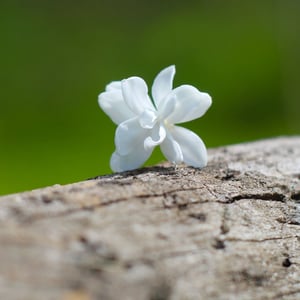
Jasmine — Small, star-shaped blooms with an intoxicating nighttime fragrance. Gardeners train jasmine on trellises; florists weave jasmine into romantic arrangements.
White Hydrangea — Big, fluffy heads fill out arrangements fast. Designers love white hydrangeas for creating lush, cloud-like centerpieces.
Stephanotis — Waxy, star-shaped flowers symbolize marital happiness. Brides tuck stephanotis into bouquets and hair accessories.
White Peony — Lush, full-petaled blooms signal romance and prosperity. White peonies peak in late May through mid-June — a short but spectacular window.
Magnolia — Large, cup-shaped blooms exude Southern charm and dignity. Magnolia branches make striking focal points in large-scale arrangements.
Types of pink flowers
Pink flowers radiate warmth, gratitude, and gentle affection. They work beautifully for Mother's Day, baby showers, and romantic gestures that aren't as intense as red.
Pink Rose — Soft pink says "thank you" and "I appreciate you." Florists reach for pink roses in Mother's Day bouquets.
Peony — Ruffled, fragrant, and almost impossibly romantic. Peonies remain the most requested bloom for spring and early-summer weddings.
Carnation — Ruffled petals in every shade of pink last up to two weeks in a vase. Light pink carnations represent a mother's undying love.
Cherry Blossom — Ethereal clusters on graceful branches signal the arrival of spring. Washington, D.C.'s annual Cherry Blossom Festival draws over a million visitors.
Azalea — Clusters of trumpet-shaped flowers blanket shrubs in spring. Azaleas thrive in the southeastern US where acidic soil supports vibrant blooms.
Ranunculus — Layers of tissue-thin petals spiral into a tight rosette. Ranunculus adds a romantic, textural element to hand-tied bouquets.
Pink Tulip — A clean, graphic shape in soft pink conveys caring and good wishes. Pink tulips bloom mid-spring and pair well with white narcissus.
Dianthus — Fringed, often bicolor petals carry a spicy-sweet fragrance. Dianthus edges garden borders with months of continuous pink blooms.
Sweet Pea — Delicate, ruffled petals in blush and rose tones release a soft, powdery scent. Sweet peas add a whimsical touch to spring bouquets.
Types of red flowers
Red flowers communicate passion, courage, and deep love. No other color makes quite the same bold statement — especially on Valentine's Day.
Red Rose — The universal symbol of romantic love. Americans purchase roughly 250 million roses for Valentine's Day alone.
Amaryllis — Dramatic trumpet blooms on thick, leafless stalks. Amaryllis bulbs flower indoors during winter, bringing red drama to holiday tables.
Poppy — Papery, cup-shaped blooms with dark centers. Red poppies honor fallen soldiers — people wear them on Memorial Day.
Red Dahlia — Intricate, geometrically perfect petals create a mesmerizing spiral. Red dahlias peak from midsummer through the first frost.
Red Tulip — A bold declaration of love in a simple, elegant form. Red tulips symbolize "believe me" in the language of flowers.
Gerbera Daisy — Large, cheerful, perfectly symmetrical blooms in fire-engine red. Gerbera daisies brighten hospital rooms, offices, and kitchen tables.
Anthurium — Glossy, heart-shaped spathes give a modern, tropical look. Anthurium lasts up to three weeks as a cut flower — seriously impressive vase life.
Celosia — Velvety, flame-shaped plumes in deep crimson add wild texture to fall arrangements. Celosia dries well and retains its vivid color.
Types of yellow flowers
Yellow flowers bring sunshine indoors. They represent joy, friendship, and fresh starts — making them ideal for "get well" and "congratulations" occasions.
Sunflower — Bold, golden heads track the sun and radiate pure happiness. Sunflowers make any room feel warmer and more inviting.
Daffodil — Trumpet-shaped blooms announce spring's arrival. Daffodils naturalize beautifully — plant bulbs once and enjoy them for decades.
Marigold — Pom-pom blooms in gold and amber with a distinctive, earthy scent. Marigolds repel certain garden pests, so vegetable gardeners plant them as companions.
Yellow Rose — Friendship, joy, and "welcome back." Yellow roses brighten friendship bouquets — just note that some cultures read yellow as jealousy, so context matters.
Black-Eyed Susan — Bright petals ring a dark central cone. Black-eyed Susans thrive in meadows across the eastern US and bloom from July through September.
Forsythia — Arching branches erupt with tiny yellow flowers before leaves appear. Forsythia signals the very start of spring, sometimes as early as late February in Zone 7.
Coreopsis — Cheery, daisy-like blooms on wiry stems wave in the slightest breeze. Coreopsis handles drought, poor soil, and heat with no complaints.
Buttercup — Tiny, glossy cups glow like drops of melted gold. Buttercups pop up in meadows and lend an innocent, wildflower charm to informal bouquets.
Types of orange flowers
Orange flowers inject energy, enthusiasm, and warmth into any space. They bridge the gap between the softness of yellow and the intensity of red.
Orange Lily (Asiatic) — Upward-facing blooms in brilliant tangerine light up early-summer gardens. Orange lilies pair well with blue delphiniums for a complementary color contrast.
Marigold — Deep orange varieties carry autumn energy. People use marigolds heavily for Thanksgiving tablescapes and fall porch displays.
Bird of Paradise — Orange and blue petals create an unmistakable tropical silhouette. Bird of paradise stems last up to two weeks in a vase.
California Poppy — Silky, cup-shaped blooms in vivid orange carpet hillsides across California each spring. The California poppy became the state flower in 1903.
Zinnia — Layered, dahlia-like blooms in every shade of orange. Zinnias grow fast from seed — expect flowers within 60 to 70 days of sowing.
Orange Dahlia — Intricate petal patterns in burnt orange, peach, and tangerine. Orange dahlias blend beautifully into autumn wedding palettes.
Calendula — Bright, daisy-like blooms with herbal properties. Calendula petals are edible — toss them into salads for a pop of color.
Types of blue flowers
True blue flowers are surprisingly rare in nature, which makes them all the more coveted. Blue evokes calm, trust, and serenity.
Hydrangea — Big, mophead clusters shift from pink to blue in acidic soil. Blue hydrangeas bring a cool, coastal vibe to summer arrangements.
Delphinium — Tall, dense spikes of electric blue add vertical drama. Florists use delphiniums to create height in large-scale event designs.
Cornflower — Vivid, bachelor-button-blue blooms with ragged petals. Cornflowers dry beautifully and retain their color for months in dried arrangements.
Iris — Three upright "standards" and three drooping "falls" create a regal silhouette. Blue irises symbolize wisdom and make stunning spring bouquets.
Forget-Me-Not — Tiny clusters of sky-blue flowers with yellow centers. Forget-me-nots carpet shady garden spots and symbolize true love and remembrance.
Agapanthus — Globe-shaped clusters atop 2-to-3-foot stalks. Agapanthus lines coastal gardens in Southern California and blooms through the summer.
Blue Passion Flower — Intricate, fringed blooms in blue, white, and purple look almost otherworldly. Passion flowers climb fences and trellises in USDA Zones 6 through 10.
Bluebell — Nodding, bell-shaped blooms create a carpet of blue in woodland settings. Bluebells thrive in shady, moist conditions — ideal under deciduous trees.
Types of purple flowers
Purple flowers carry an air of mystery, royalty, and spirituality. From soft lilac to deep plum, purple works in both romantic and contemplative settings.
Lavender — Slender purple spikes on silvery foliage define relaxation. Lavender fields in Oregon's Willamette Valley rival those in Provence.
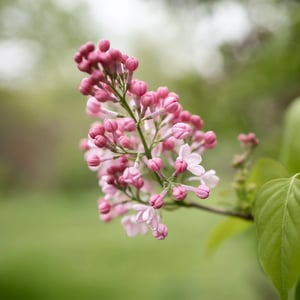
Lilac — Sweetly scented clusters in soft purple mark mid-spring in the Northeast and Midwest. Lilac bushes can live over 100 years.
Purple Iris — Bold, architectural blooms make a statement in spring gardens and bouquets. Purple irises pair strikingly with yellow tulips.
Clematis — Large, star-shaped purple flowers climb trellises, arbors, and fences. Some clematis varieties produce blooms up to 8 inches across.
Allium — Drumstick-shaped globes of tiny purple florets stand tall in late-spring borders. Allium "Globemaster" heads can reach 10 inches in diameter.
Wisteria — Cascading clusters of fragrant purple blooms transform pergolas into living art. Wisteria can take 3 to 5 years to bloom — patience pays off.
Verbena — Low clusters of small purple flowers attract butterflies all summer. Verbena tolerates heat and blooms until the first hard frost.
Violet — Dainty, five-petaled blooms hug the ground. Violets naturalize under trees and produce edible flowers for decorating desserts.
Types of flowers and their meanings
Understanding types of flowers and their meanings transforms a simple bouquet into a message. The "language of flowers," or floriography, became wildly popular in Victorian England, and the tradition carries forward today — especially in the US, where certain blooms define entire holidays.
Here's a practical reference covering 25 popular flowers and the emotions they carry:
Flower
Primary meaning
US cultural context
Red Rose
Romantic love, passion
The definitive Valentine's Day flower
White Rose
Purity, reverence, new beginnings
Common at weddings and funerals
Yellow Rose
Friendship, joy, caring
Popular for "get well" and "welcome home"
Pink Rose
Gratitude, admiration, grace
Top choice for Mother's Day
Lily (white)
Purity, restored innocence
Central flower in sympathy arrangements
Sunflower
Adoration, loyalty, longevity
Iconic summer and Thanksgiving bloom
Chrysanthemum
Loyalty, honor, long life
Fall staple; used widely at Thanksgiving
Lavender
Devotion, serenity, calm
Tied to wellness and self-care
Daisy
Innocence, purity, cheerfulness
"He loves me, he loves me not" tradition
Tulip (red)
Perfect, undying love
Spring staple; popular at Easter
Orchid
Luxury, beauty, refinement
Top housewarming and congratulations gift
Carnation (pink)
A mother's undying love
The original Mother's Day flower (Anna Jarvis, 1908)
Peony
Romance, prosperity, good fortune
Most popular
Send flowers today
Choose a bouquet, add a message, and a local florist hand-delivers it.