EUR
 GBP
 CAD
 AUD

 Birthday
 Same Day
 Occasions
 Flowers
 Roses
 Plants
 Gifts
 International Flower Delivery
Rhode Island State Flower: The Violet
The Rhode Island state flower has one of the quirkiest origin stories of any state symbol in America — and honestly, it surprised me when I first learned the details. Picture this: thousands of schoolchildren across Rhode Island cast ballots in 1897, overwhelmingly choosing the humble violet as their state flower. Then… nothing happened. The legislature simply never got around to making it official. For seventy-one years. Rhode Island became the very last of the 50 states to formally adopt a state flower, finally signing it into law in 1968. That's a story worth telling, and it's exactly what this article digs into.
At MyGlobalFlowers, an international flower delivery service that connects customers with local florists across the United States and beyond, we spend a lot of time thinking about what flowers mean to people — their history, their symbolism, and the emotions they carry. So when it comes to the state flower of Rhode Island, there's a rich and fascinating narrative to unpack.
In this guide, you'll learn everything about the RI state flower: its scientific background, why it took so long to become official, how to grow violets in your own garden, and how to celebrate Rhode Island's floral identity through seasonal gift-giving. Let's get into it.
Celebrate the violet's quiet elegance
Browse purple and lavender bouquets, hand-arranged and delivered fresh by a local florist.
What is Rhode Island's state flower?
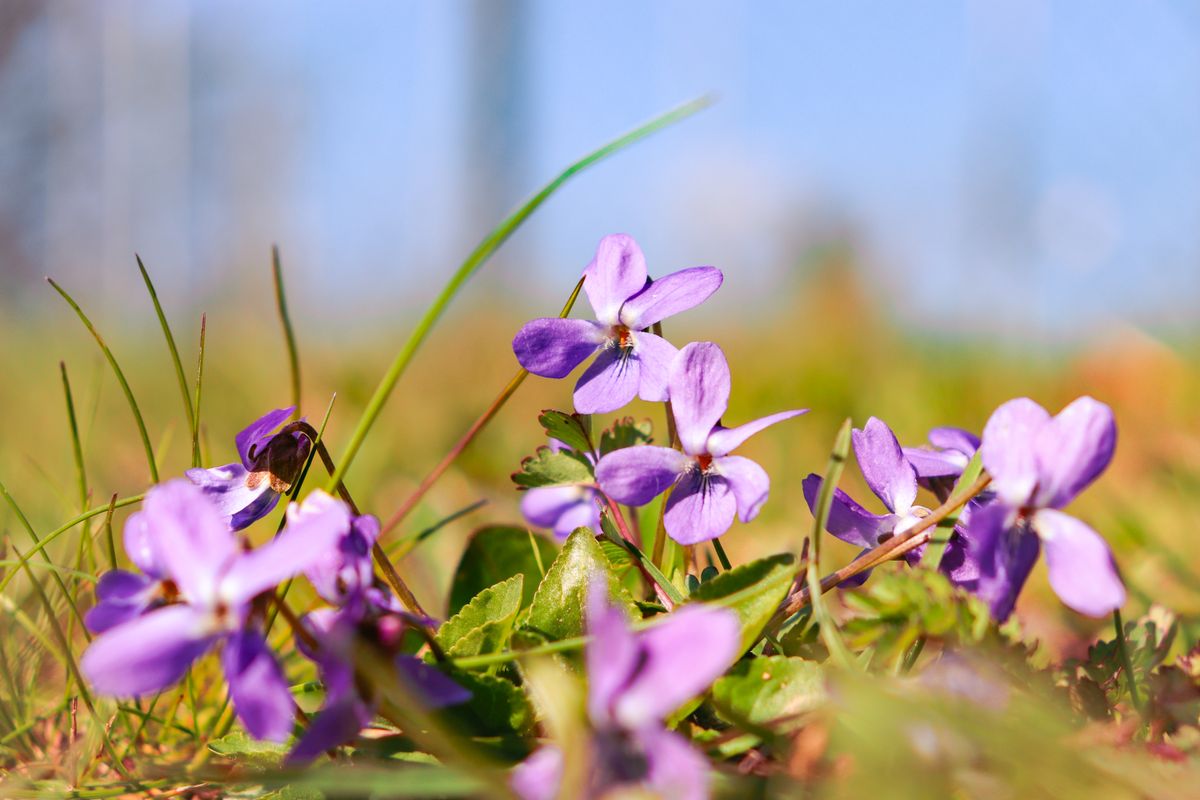
The Rhode Island state flower is the common blue violet, known scientifically as Viola sororia. This small but striking perennial belongs to the family Violaceae, a group of flowering plants found across temperate regions worldwide.
So what does the Rhode Island violet actually look like? The plant produces heart-shaped leaves that form low, compact rosettes close to the ground. Each flower features five delicate petals arranged in a slightly asymmetrical face-like pattern. The color range spans from deep violet and blue-purple to lavender and even pure white (a variety sometimes called the "Confederate violet"). Most plants stand just 3 to 8 inches tall, making them easy to overlook — until you spot an entire lawn carpeted in purple every spring.
Fun fact: despite their small size, violets pack a surprising amount of botanical complexity. Each bloom has fine white hairs near the center and dark veining on the lower petals that acts as a nectar guide, directing pollinators exactly where to go. I find it fascinating that such a tiny flower evolved such a precise visual roadmap for bees.
History of the Rhode Island state flower
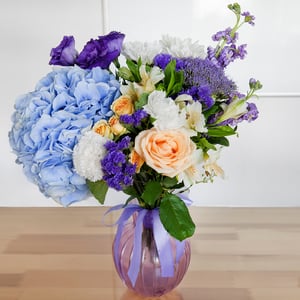
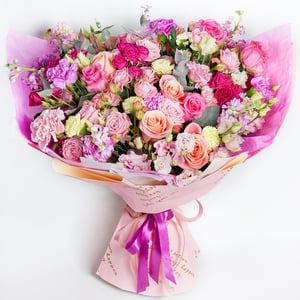
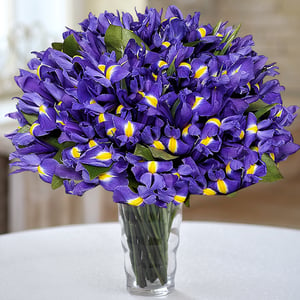
The Rhode Island state flower carries a backstory that's equal parts charming and baffling. Understanding how the violet became official requires two chapters — separated by more than seven decades.
The 1897 student vote
In 1897, schoolchildren across Rhode Island participated in a statewide ballot to choose a flower that would represent their state. The effort mirrored similar campaigns happening in schools around the country during the late 19th century, when the idea of state symbols was gaining momentum. Rhode Island students overwhelmingly selected the violet, beating out other candidates and establishing a clear popular mandate.
The vote reflected genuine grassroots sentiment. Violets blanketed Rhode Island's woodlands, fields, and backyards every spring. Kids saw them everywhere — in their schoolyards, along walking paths, in their family gardens. The choice felt natural and obvious.
The long road to official status
Here's the thing: despite that enthusiastic student vote, the Rhode Island state legislature simply never acted on it. Year after year, decade after decade, the violet remained an informal symbol — beloved by residents but lacking any legal standing. Other states moved ahead, codifying their floral choices into law throughout the early and mid-20th century. Rhode Island just… didn't.
Why the delay? Historians point to a mix of factors. Legislative priorities focused on economic and infrastructure concerns. No powerful advocacy group pushed the issue. Some lawmakers proposed alternative flowers over the years, creating occasional debates that stalled progress without resolving anything. The question of a state flower simply never felt urgent enough to rise to the top of the agenda.
That changed on March 11, 1968, when Governor John Chafee signed legislation officially designating the violet as Rhode Island's state flower. The codification appears in RI General Laws Chapters 42-4 and 42-4.1. With that signature, Rhode Island became the fiftieth and final state in the union to formally adopt a state flower — closing a 71-year gap between the people's choice and the government's action.
Honestly, my favorite part of this story is the persistence. Even without official recognition, Rhode Islanders never stopped considering the violet their flower. The legislature didn't choose the violet in 1968 — the schoolchildren of 1897 did.
Why the violet represents Rhode Island
The Rhode Island state flower carries symbolism that aligns beautifully with the state's character. Violets traditionally represent modesty, faithfulness, and resilience — three qualities that echo Rhode Island's identity as the smallest state in the nation, yet one with an outsized spirit and history.
Rhode Island earned its "Ocean State" nickname for good reason. The state's coastline stretches over 400 miles, and the Atlantic Ocean's influence creates a temperate, maritime climate that violets love. Mild winters, consistent moisture, and moderate summers give Viola sororia ideal conditions to flourish across the state. The flower and the landscape feel made for each other.
Interestingly, Rhode Island isn't the only state that chose a violet. Illinois, Wisconsin, and New Jersey all designated violet species as their state flowers too. But what makes Rhode Island's choice distinct is that remarkable story of delayed adoption. No other state waited nearly as long to formalize its floral symbol. The violet's association with patience and quiet persistence makes this irony almost poetic — the flower itself embodies the long wait it endured for official recognition.
Biology and growing habits of the Rhode Island violet
The Rhode Island state flower is far more than a pretty face. Viola sororia is a biologically sophisticated plant with some genuinely surprising survival strategies.
Blooming season
Violets bloom from April through June in Rhode Island, producing their signature showy flowers during the cool, moist weeks of spring. Some plants offer sporadic reblooming in fall when temperatures drop and moisture returns after summer heat. The spring display is the main event, though — and when violets decide to put on a show, entire lawns and woodland floors turn purple almost overnight.
Where violets grow in Rhode Island
Violets grow practically everywhere in Rhode Island. You'll find them in deciduous woodlands, open meadows, suburban lawns, shaded garden beds, and along stream banks. The plant is native to eastern North America and grows abundantly across every county in the state. Rhode Island sits within USDA Hardiness Zones 6a through 7a, and violets thrive comfortably across this entire range.
Their adaptability is remarkable. Violets tolerate a wide variety of soil types, from sandy loam to clay, and they handle both sun and shade — though they perform best in partially shaded spots with consistent moisture.
Ecological role
Violets play a critical ecological role that often goes unappreciated. As one of the earliest spring bloomers, violets provide essential nectar and pollen for bees, butterflies, and other pollinators emerging from winter dormancy. Early-season food sources like violets can make the difference between survival and starvation for native pollinator populations.
Fritillary butterflies deserve special mention here. Several fritillary species — including the great spangled fritillary and the meadow fritillary — depend on violets as their primary host plant. Female fritillaries lay eggs near violets in late summer, and the caterpillars feed exclusively on violet leaves after hatching. Without violets, these butterfly populations would collapse.
Violets also have a secret weapon: cleistogamous flowers. After the showy spring blooms fade, violet plants produce small, closed, self-pollinating flower buds near the soil surface throughout summer. These hidden flowers never open, never attract pollinators, and never waste energy on colorful petals — yet they produce abundant seeds. This dual reproductive strategy ensures violets maintain their population even in years when pollinators are scarce or spring weather turns unfavorable.
How to grow and care for violets in your garden
The Rhode Island state flower is one of the easiest native plants to grow, especially in the Northeast US climate. Here's a straightforward guide to getting violets established in your garden.
Planting and site selection
- ✓Choose a spot with partial shade to full shade — dappled light beneath deciduous trees works perfectly.
- ✓Prepare moist, well-drained soil enriched with a thin layer of compost or leaf mold.
- ✓Plant nursery-grown transplants or divisions in early spring (March–April) or early fall (September–October).
- ✓Space plants about 6 to 8 inches apart to allow room for spreading.
Ongoing care
- ✓Water regularly during dry spells to keep soil consistently moist but never waterlogged.
- ✓Skip heavy fertilizing — violets actually prefer lean soil and can become leggy with too much nitrogen.
- ✓Divide clumps every 2 to 3 years in early spring or fall to keep plants vigorous and prevent overcrowding.
- ✓Contain spreading with garden borders or edging — or embrace the violet carpet and let them naturalize as ground cover.
Common mistakes and how to avoid them
- ✓Planting in full sun scorches the leaves and causes wilting — relocate to a shadier spot if you see crispy, bleached foliage.
- ✓Overwatering in clay-heavy soil invites root rot — amend dense clay with organic matter to improve drainage before planting.
- ✓Treating violets as weeds in your lawn removes a valuable pollinator resource — consider letting a section of your yard naturalize with violets instead of fighting them.
Violets spread through both runners and self-seeding, so one small planting can fill an entire garden bed within a couple of seasons. That aggressive spreading might frustrate tidy gardeners, but for anyone who wants a low-maintenance, ecologically valuable ground cover, violets are a dream.
Symbolism and cultural meaning of the violet
The Rhode Island state flower carries symbolic weight that stretches back thousands of years. Ancient Greeks associated violets with love, fertility, and the city of Athens itself — they considered the flower sacred to Aphrodite and used violet garlands in celebrations. The Greek word ion (violet) gave its name to the color violet and even influenced chemistry (iodine was named for its violet-colored vapor).
During the Victorian era, violets held a specific place in the language of flowers — a coded communication system that allowed people to express feelings that social conventions made difficult to say aloud. A gift of violets signaled modesty, faithfulness, and quiet devotion. Receiving violets meant someone admired you deeply but respectfully.
In modern Rhode Island, the violet appears in educational materials, civic events, and local art. Schools teach the story of the 1897 student vote. Artists incorporate violet imagery into works that celebrate Rhode Island's natural heritage. The flower serves as a quiet but persistent thread connecting the state's past and present.
Edible and medicinal uses add yet another dimension to the violet's cultural significance. Candied violets — fresh blooms coated in egg white and sugar, then dried — have decorated cakes and pastries for centuries. Violet syrup, made by steeping petals in simple syrup, creates a striking purple liquid used in cocktails, lemonades, and desserts. Violet tea, brewed from dried leaves and petals, has a mild, slightly sweet flavor that herbalists have traditionally used to soothe sore throats and mild headaches.
One important note: only true Viola species are edible. African violets (Streptocarpus, formerly Saintpaulia) are a completely different plant and should never be consumed. Stick with Viola sororia and its relatives for any culinary adventures.
The Rhode Island violet and seasonal celebrations
The Rhode Island state flower blooms right in the heart of spring celebration season, making violets a natural companion for some of the year's most meaningful occasions.
- Mother's Day (second Sunday of May): Violets carry associations with devotion and faithfulness — exactly the sentiments you want to express. A violet-inspired bouquet or a potted violet plant tells your mom (or any mother figure in your life) that you chose something thoughtful, not generic.
- Easter: Violets complement spring floral arrangements beautifully, adding splashes of purple among lilies, tulips, and daffodils.
- Graduations (May–June): A bouquet featuring violet tones nods to Rhode Island state pride — a perfect touch for graduates of URI, Brown, RISD, Providence College, or any school across the state.
- Memorial Day: Honoring loved ones with native wildflowers like violets adds a personal, locally rooted gesture to remembrance.
If you want to send flowers to someone in Rhode Island for any of these occasions, local florists can hand-deliver fresh arrangements featuring seasonal blooms — and sometimes even include violets when they're available.
MyGlobalFlowers connects you with local florists in Rhode Island who assemble bouquets from the freshest flowers available that day. Because each florist works with what's in season, your bouquet reflects real artisan craftsmanship — no two arrangements are exactly alike, and that's honestly part of the charm. You're not getting a mass-produced, cookie-cutter arrangement. You're getting something a skilled florist created specifically for your order.
Sending flowers to Rhode Island
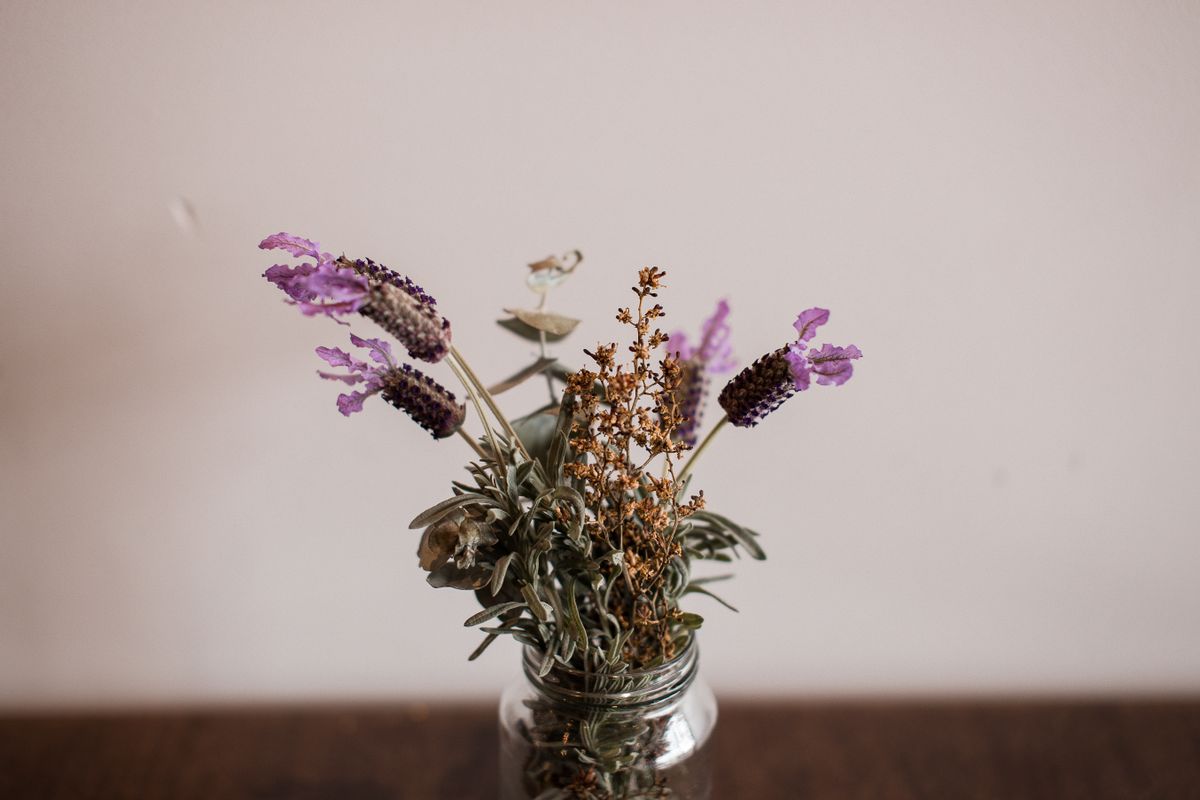
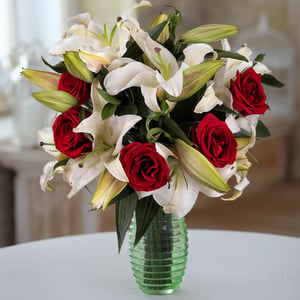
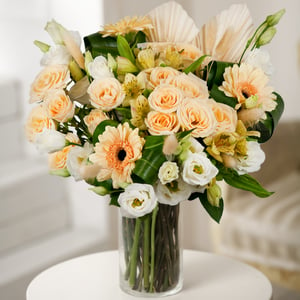
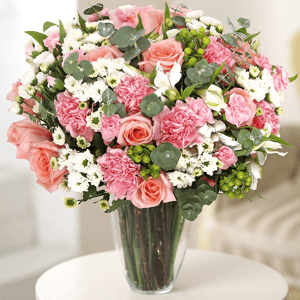
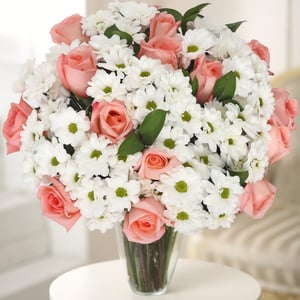
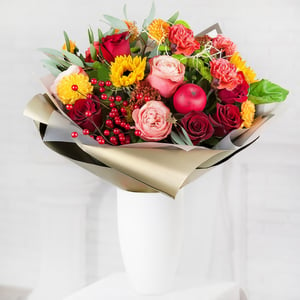
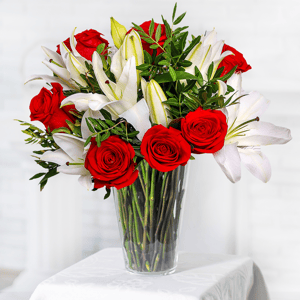
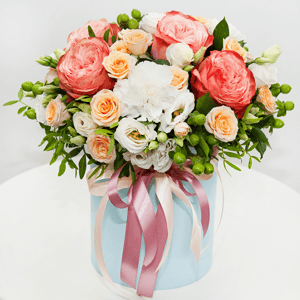
The Rhode Island state flower reminds us that flowers carry meaning — whether they grow wild in a backyard or arrive at someone's door in a carefully arranged bouquet. If you want to brighten someone's day in Providence, Newport, Warwick, Cranston, or anywhere else in the state, here's what you need to know about ordering flower delivery in Rhode Island through MyGlobalFlowers:
- You can order flower delivery in Rhode Island from anywhere in the US — distance doesn't matter when local florists handle the creation and delivery on the ground.
- Local florists assemble each arrangement by hand and deliver it directly to your recipient's door.
- The delivery fee is calculated individually at checkout based on the specific delivery location.
- Bouquets may vary slightly from the photos on the website because florists use the freshest available stems. A florist might substitute individual flowers with equal-value alternatives, preserving the overall style and color palette. This is a hallmark of genuine artisan floristry — your recipient gets something made with care from peak-quality blooms, not a rigid replication of a stock image.
Great reasons to send flowers to Rhode Island include birthdays, anniversaries, sympathy, congratulations, thank-yous, holidays — or no reason at all. "Just because" arrangements often land the hardest emotionally, precisely because they're unexpected.
Send Rhode Island's floral charm today
A fresh purple bouquet, hand-arranged by a local florist and delivered to the door.
Fun facts about the RI state flower
The Rhode Island state flower has plenty of quirky details worth knowing. Here are some of the best:
- Rhode Island waited 71 years (1897–1968) between the student vote and official legislative adoption — the longest gap of any US state.
- The violet shares its "state flower" title with three other US states: Illinois, Wisconsin, and New Jersey.
- Viola sororia produces two types of flowers: showy open blooms in spring that attract pollinators and hidden self-pollinating (cleistogamous) buds in summer that guarantee seed production.
- Napoleon Bonaparte reportedly declared violets his signature flower — his supporters called him "Corporal Violet" and wore violet corsages as a secret sign of loyalty.
- Violets can spread aggressively — a single plant colonizes several square feet within just a few growing seasons through runners and self-seeding.
- Some violet species produce edible flowers that chefs use in gourmet cooking, cocktail garnishing, and confectionery decoration.
A flower that earned its place
The Rhode Island state flower deserves far more recognition than it typically gets. In a world obsessed with showy roses, dramatic orchids, and towering sunflowers, the violet is easy to dismiss — it's small, it's common, it grows in places people often mow right over. But that quiet persistence is exactly what makes it special.
I think the violet's story mirrors something universal: the best things don't always get recognized right away. Rhode Island's schoolchildren knew what they were doing in 1897. The legislature just needed seven decades to catch up.
Next time you spot a patch of violets blooming in a Rhode Island lawn — maybe along a sidewalk in Providence, or tucked under a tree on a Newport estate, or scattered across a meadow in South County — you'll know you're looking at the official state flower. One that was voted on by schoolchildren over a century ago and waited patiently for the rest of the world to pay attention.
Want to surprise someone in Rhode Island with a fresh bouquet? Browse the MyGlobalFlowers catalog and let a local florist do the rest.
Frequently asked questions
What is Rhode Island's state flower?▾
Rhode Island's state flower is the common blue violet, scientifically known as Viola sororia. This low-growing perennial produces heart-shaped leaves and five-petaled flowers in shades of deep violet, blue-purple, lavender, and white. The plant typically stands 3 to 8 inches tall and blooms from April through June.
When did Rhode Island officially adopt the violet as its state flower?▾
Rhode Island officially adopted the violet on March 11, 1968, making it the last of the 50 US states to formally designate a state flower. Schoolchildren had voted for the violet back in 1897, but the state legislature didn't act on that vote for 71 years.
Why was the violet chosen as the state flower of Rhode Island?▾
Schoolchildren across Rhode Island selected the violet in an 1897 statewide vote because the flower grew abundantly throughout the state and was familiar to nearly every student. The violet's symbolism — modesty, faithfulness, and resilience — also resonated with Rhode Island's identity as a small state with a strong independent character.
Do violets grow wild in Rhode Island?▾
Violets grow wild across every county in Rhode Island. You can find them in deciduous woodlands, meadows, suburban lawns, shaded garden areas, and along stream banks. Viola sororia is native to eastern North America and thrives in Rhode Island's USDA Hardiness Zones 6a through 7a.
Can you eat violets?▾
True Viola species, including Viola sororia, produce edible flowers and leaves. Cooks use violet blooms in candied decorations, syrups, teas, salads, and cocktail garnishes. African violets, which belong to a completely different plant family, are not edible — always confirm you're working with a genuine Viola species before consuming any part of the plant.