EUR
 GBP
 CAD
 AUD

 Birthday
 Same Day
 Occasions
 Flowers
 Roses
 Plants
 Gifts
 International Flower Delivery
Florida’s State Flower: The Orange Blossom
The Florida state flower has a tale that starts long before any legislature voted on it — it starts with the very name of the state itself. When Spanish explorer Juan Ponce de León arrived on the coast in April 1513, he saw such an explosion of blooming plants that he called the land "La Florida," meaning "land of flowers." Centuries later, one blossom rose above all others to represent that floral legacy: the orange blossom. Whether you grew up driving past citrus groves on Florida back roads or you've simply wondered what is Florida's state flower while scrolling through trivia, this guide covers everything you need to know. We'll walk through the history, the symbolism, practical growing tips, creative uses, and even how to send a bouquet inspired by Florida's flower to someone you care about. And speaking of sending flowers — MyGlobalFlowers, an international flower delivery service, makes it easy to deliver a little Florida sunshine to doorsteps around the world. But we'll get to that later. First, let's talk about the blossom itself.
What is Florida's state flower?
The Florida state flower is the orange blossom (Citrus sinensis). Picture a small, waxy, five-petaled bloom — pure white, no bigger than a quarter — clustered along the branches of an orange tree. Each blossom opens to reveal bright yellow stamens at the center, and the fragrance hits you before you even see the flowers. Honestly, describing the scent in words never does it justice. Sweet, honeyed, faintly citrusy — and strong enough to fill an entire grove.
Orange blossoms grow on the same trees that produce the oranges Florida built an empire on. At one point, citrus groves blanketed nearly every county in the southern half of the state. The blossom became inseparable from Florida's identity.

Send Florida sunshine in a bouquet
Browse fresh arrangements a local florist hand-delivers — bright, warm, and perfect for any occasion.
Here's something worth knowing: Florida actually has two floral designations. The orange blossom holds the title of official state flower, while the coreopsis — also called tickseed — serves as the official state wildflower. The Florida legislature designated the coreopsis in 1991 to honor the state's native wildflower heritage. The coreopsis is a cheerful, daisy-like bloom in bright yellows and golds that grows wild along Florida's roadsides and meadows. The two flowers represent different sides of Florida — one tied to its agricultural industry, the other to its natural landscape.
History of the Florida state flower



The Florida state flower earned its official status on April 27, 1909, when the Florida House of Representatives approved the orange blossom as the state's floral emblem. But the road to that vote wasn't without drama.
The orange blossom faced real competition. Supporters of the camellia argued for its elegance. Gardenia fans pointed to its lush, romantic fragrance. Still, the orange blossom had something neither rival could match: deep roots in Florida's economy and everyday life.
By the early 1900s, the citrus industry had become the beating heart of Florida's economy. Groves stretched across the central and southern parts of the state. Entire towns — places like Winter Haven, Lakeland, and Clermont — existed because of citrus. Train cars loaded with Florida oranges rolled north to feed the nation. The orange blossom wasn't just a pretty flower; the orange blossom represented livelihoods, community, and a future tied to the land.
Lawmakers recognized that connection. Choosing the orange blossom sent a message: Florida's identity grew from its groves. I've always found it fascinating that a flower so small and delicate came to symbolize an industry so massive. That contrast — fragility and economic power wrapped into one bloom — makes the choice feel genuinely poetic, even over a century later.
What the orange blossom looks like and smells like
The Florida state flower is a study in understated beauty. Each blossom measures roughly ¾ to 1 inch across. Five white petals — sometimes slightly translucent at the edges — surround a cluster of bright yellow stamens. The petals feel waxy to the touch, almost like porcelain. Blossoms appear in small clusters along the branches, and a single mature orange tree can produce thousands of blooms in a season.
Now, the scent. This is where the orange blossom truly separates itself from other state flowers. The fragrance is sweet and honeyed with a distinct citrus undertone — not sharp like lemon, but warm and rounded. During peak bloom, which typically runs from late February through April, entire groves perfume the surrounding air for miles. Driving through central Florida during blooming season with the windows down is an experience you don't forget.
The exact timing of bloom depends on the region and the year's weather patterns. Groves in southern Florida — closer to Homestead and the southern tip of the peninsula — tend to bloom earlier, sometimes starting in mid-February. Central Florida groves around Polk and Highlands counties usually peak in March. Northern Florida citrus (what remains of it after decades of urban development and freezes) blooms closer to late March or early April.
That fragrance didn't go unnoticed by perfumers and chefs. The orange blossom inspired an entire category of perfumes, essential oils, and culinary ingredients that we'll dig into later in this article.
Orange blossom symbolism and cultural meaning
Florida's flower carries symbolism that reaches far beyond state borders. The orange blossom represents purity, fertility, good fortune, and new beginnings — a combination that made the bloom a fixture in wedding traditions for centuries.
Victorian-era brides wore crowns woven from fresh orange blossoms. Queen Victoria herself chose orange blossoms for her wedding to Prince Albert in 1840, and the trend exploded across Europe and America. The white petals symbolized innocence. The fruit-bearing tree symbolized abundance and a fruitful marriage. Even today, orange blossom motifs appear on wedding invitations, cake decorations, and bridal accessories.
Beyond weddings, the orange blossom's symbolism of fresh starts makes Florida's flower a meaningful choice for other life moments. Think housewarmings — welcoming someone into a new home with a bouquet that literally represents new beginnings. Think graduation celebrations — marking the start of a new chapter. Think Mother's Day — honoring someone who gave you your own beginning.
I'd recommend keeping the orange blossom's symbolism in mind the next time you choose flowers for a gift. A bouquet built around white blooms with citrus accents carries layers of meaning that go deeper than most people realize. And honestly, that's what makes a gift memorable — the story behind the choice.
How to grow orange trees in Florida (and beyond)
The Florida state flower blooms naturally on orange trees throughout the state, but you don't need a Florida zip code to grow one. Orange trees thrive in USDA Hardiness Zones 9–11, which covers much of the Gulf Coast, parts of the Southwest, and coastal California. You can even grow dwarf varieties in containers and bring them indoors during cold months.
Here are practical tips to get you started:
- Choose a sunny location. Orange trees need at least 6–8 hours of direct sunlight every day. A south-facing spot works best in most yards.
- Plant in well-draining soil. Orange trees prefer a slightly acidic pH between 6.0 and 7.0. Test your soil before planting and amend as needed.
- Water deeply once or twice a week. Orange trees like consistent moisture, but standing water kills the roots. Let the top 2–3 inches of soil dry out between waterings.
- Fertilize with a citrus-specific formula. Apply fertilizer three times a year — early spring, late spring, and early fall. Citrus fertilizers contain the right balance of nitrogen, phosphorus, and micronutrients like iron and manganese.
- Protect young trees from frost. Cover trees with frost cloth or bring potted trees indoors when temperatures drop below 28°F. Even a few hours of hard freeze can damage blossoms and young fruit.
One thing to keep in mind: orange trees typically take 3–5 years to bear fruit from the time you plant them. The blossoms appear well before the first fruit, so you'll enjoy Florida's flower long before you squeeze your first glass of fresh orange juice.
Common mistakes when growing orange blossoms
The Florida state flower is surprisingly forgiving, but a handful of common errors trip up even experienced gardeners. Here's what to watch for:
- ✗Overwatering drowns the roots. Stick to a consistent schedule — once or twice a week — and check soil moisture with your finger before adding water. Soggy roots lead to root rot, and root rot kills citrus trees fast.
- ✗Heavy clay soil blocks drainage. Amend dense soil with coarse sand or organic compost before planting. Raised beds also solve drainage problems in areas with compacted ground.
- ✗Ignoring pests causes slow decline. Aphids, citrus leaf miners, and scale insects all target orange trees. Inspect leaves regularly — look for curling, discoloration, or sticky residue. Treat infestations early with horticultural oil or insecticidal soap.
- ✗Skipping winter protection gambles with the harvest. Even in Florida, unexpected cold snaps hit certain regions. A single night below 28°F damages blossoms and sets back fruit production for the entire season.
- ✗Over-pruning removes flower-bearing wood. Orange blossoms form on the previous season's growth. Prune only dead, damaged, or crossing branches — and do the pruning after the fruiting season ends, not before bloom.
Avoid those five mistakes and your orange tree will reward you with clouds of fragrant white blossoms every spring.
Creative uses of orange blossoms

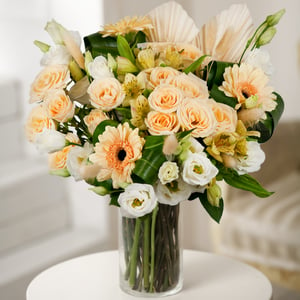
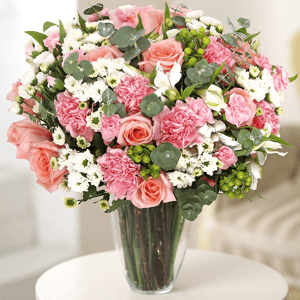
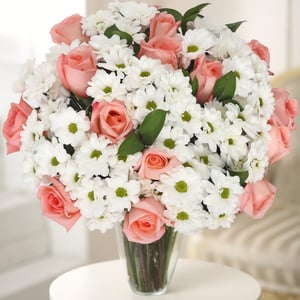
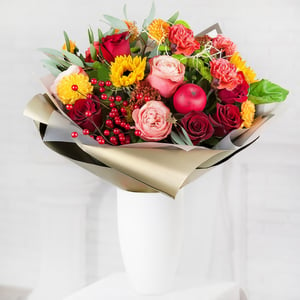
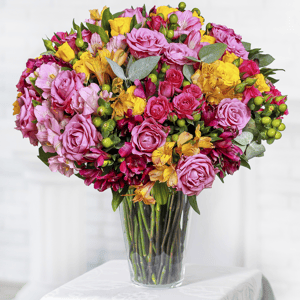
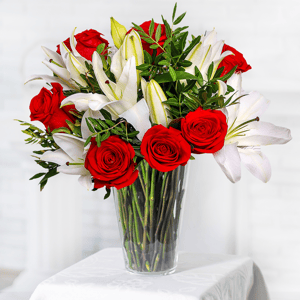
The Florida state flower does more than look and smell beautiful on the tree. People have found ways to capture the orange blossom's essence in kitchens, apothecaries, and flower shops for centuries.
Orange blossom water
Distilled from fresh petals, orange blossom water has been a staple in Middle Eastern and Mediterranean cooking for generations. Bakers add a splash to baklava, rice pudding, and semolina cakes. Bartenders use orange blossom water in cocktails like the Ramos Gin Fizz — a classic New Orleans drink that absolutely sings with floral notes. You can find orange blossom water at most specialty grocery stores, Middle Eastern markets, or online. You can also make your own by gently simmering fresh petals in water on the stove for about 20 minutes and straining the liquid into a jar.
Orange blossom honey
Bees pollinate Florida's orange groves every spring and produce a distinctly light, citrusy honey in the process. Orange blossom honey has a delicate sweetness that sets it apart from clover or wildflower varieties. Florida produces some of the best orange blossom honey in the country — look for it at farmers' markets, roadside stands, and specialty food shops. Drizzle orange blossom honey on Greek yogurt, warm toast, or a cheese board with aged gouda and marcona almonds. Honestly, this surprised me the first time I tried it — the floral note is unmistakable.
Neroli essential oil
Steam-distilled from orange blossoms, neroli oil ranks among the most prized ingredients in the perfume industry. High-end fragrances from brands like Chanel and Tom Ford feature neroli as a top or heart note. Beyond perfumery, aromatherapists use neroli oil to calm anxiety and promote relaxation. Add a few drops to a diffuser before bed, mix neroli oil into a carrier oil for a calming massage blend, or drop it into a warm bath after a long day.
Orange blossom in floral arrangements
Fresh orange blossom branches make stunning additions to spring bouquets and wedding arrangements. The small white blooms add texture and a delicate, organic look that pairs beautifully with roses, ranunculus, and greenery. And the fragrance adds a sensory layer that most cut flowers simply can't match — your arrangement doesn't just look gorgeous, it fills the room with scent.
Local florists — especially those in Florida during peak blooming months — often incorporate seasonal citrus blooms into custom arrangements. Here's something worth knowing about ordering fresh flowers from any delivery service: each bouquet may vary slightly from the photos you see on a website. Florists select the freshest available stems on the day of delivery. That's actually a benefit, not a drawback. You get a one-of-a-kind arrangement every time, assembled with whatever is at peak freshness that morning.
Make someone smile today
Choose a bouquet and a local florist will hand-deliver it fresh to their door.
Sending Florida-inspired flowers to someone you love
The Florida state flower inspires a style of bouquet that feels fresh, bright, and full of warmth — white blooms, citrus accents, lush greenery, and spring colors that practically radiate sunshine. You don't need to live in Florida to send that energy to someone you care about.
MyGlobalFlowers connects you with local florists who assemble and hand-deliver arrangements right to your recipient's door. Want to celebrate a friend who just moved to Florida? Send a welcoming bouquet. Planning a surprise for a spring birthday, Mother's Day, or a housewarming? A citrus-inspired arrangement carries meaning that goes beyond the blooms themselves — it says fresh start, good fortune, new chapter.
The delivery cost calculates individually during checkout based on the destination and the arrangement you choose. The process is straightforward: browse the catalog, select the bouquet that fits the occasion, enter the delivery address, and a local florist takes it from there. No guesswork, no hassle.
By the way, "just because" is one of the best reasons to send flowers. You don't always need a holiday or milestone. Sometimes a random Tuesday delivery says more than a predictable birthday bouquet ever could.
A blossom that's more than a symbol
The orange blossom is more than a line in a legislative record. Florida's flower is a sensory experience — the scent drifting through a grove on a warm March morning, the sight of white petals against dark green leaves, the taste of honey made from blossoms that perfumed the air just weeks before. The orange blossom connects Florida's past to its present in a way that few state symbols manage to do.
Here's what I'd recommend: visit a Florida orange grove during bloom season at least once. Drive with the windows down. Stop at a roadside stand and buy a jar of orange blossom honey. Or, if you can't make the trip this year, surprise someone with a bouquet that carries a little bit of that Florida magic.
Have you ever caught the scent of an orange grove in full bloom? Share your experience — or browse our catalog to send a little bit of Florida sunshine to someone you love.