EUR
 GBP
 CAD
 AUD

 🎃Halloween🎃
 Birthday
 Occasions
 Same Day
 Flowers
 Roses
 Plants
 Gifts
 International Flower Delivery
Utah's State Flower: Sego Lily
The utah state flower once saved lives — and that's not an exaggeration. Most of us can name the rose as a universal symbol of love, but very few people know that Utah's official bloom literally kept entire communities from starving during one of the harshest periods in American frontier history. The sego lily isn't just a pretty wildflower dotting the foothills above Salt Lake City. The sego lily is a survivor, and the story behind its designation tells you a lot about the people who call Utah home.
At MyGlobalFlowers, a flower delivery service covering cities across the US, we celebrate every state's floral identity — and Utah's is one of the most remarkable. In this article, you'll learn the history behind the state flower of Utah, what makes the sego lily unique from a botanical standpoint, where to see wild sego lilies in person, practical tips for growing them, and how you can bring the elegance of lilies into your everyday life through flower delivery in Utah.
Let's dig in.

Inspired by the sego lily? Send lilies today
Browse fresh lily arrangements, hand-arranged and delivered by a local florist near your recipient.
What is Utah's state flower?
If you've ever searched "what is Utah's state flower," the answer is the sego lily — a delicate, bell-shaped wildflower that thrives in some of the driest, most rugged terrain in North America. Here's a closer look at the plant itself.
Meet the Sego Lily (Calochortus nuttallii)
The sego lily belongs to the lily family (Liliaceae) and the genus Calochortus, a group of roughly 70 species native to western North America. Picture this: a slender stem rising 6–18 inches from the ground, topped by one to four cup-shaped flowers. Each petal is satiny white with a butter-yellow base and subtle purple-lavender markings that look almost hand-painted. The entire plant grows from a small, starchy bulb buried a few inches underground.
The sego lily's native range extends well beyond Utah. You'll find wild populations across arid grasslands, sagebrush flats, and open pine forests in parts of Montana, Nebraska, Nevada, New Mexico, North Dakota, South Dakota, Idaho, Oregon, Arizona, Colorado, and Wyoming. But no state claims the sego lily as proudly as Utah does.
One quick clarification: "utah national flower" is a phrase people search fairly often, but the sego lily is a state flower, not a national one. The United States doesn't actually have a legally designated national flower. The rose is commonly referenced in that role thanks to a 1986 proclamation, but the sego lily's title is strictly a state honor — and a deeply meaningful one at that.
History behind the Utah state flower sego lily




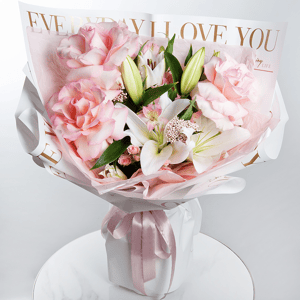
The utah state flower sego lily carries a backstory that goes far beyond aesthetics. Understanding why Utah chose this particular bloom means stepping back into one of the most challenging chapters of Western settlement.
The Sego Lily and early Utah settlers
During the mid-1840s and 1850s, Mormon pioneers arrived in the Salt Lake Valley and faced brutal conditions. Crops failed. Winters were merciless. Crickets devoured fields. Food supplies ran dangerously low, and starvation became a real threat.
Here's where the sego lily enters the story. Native peoples — particularly the Ute and Goshute — had relied on sego lily bulbs as a food source for generations. They shared that critical knowledge with the struggling settlers. Families dug up the small, starchy bulbs and ate them roasted, boiled, or even raw. The taste? Slightly sweet and starchy — not gourmet by any stretch, but enough to keep people alive when nothing else would. I find it genuinely moving that a single wildflower bulb became the thread connecting communities across cultural lines during a period of real desperation.
How the Sego Lily became official
The Utah state legislature designated the sego lily as the official state flower in 1911, roughly fifteen years after Utah gained statehood in 1896. The choice wasn't arbitrary. Lawmakers selected a flower that embodied endurance, gratitude, and community — values deeply woven into Utah's identity.
There's also a political symbolism layer that often goes unmentioned. Utah's path to statehood was long and complicated, marked by decades of tension between Latter-day Saints and the federal government. Choosing the sego lily — a flower tied to collective survival and cross-cultural cooperation — sent a message about unity and belonging. The sego lily said: we endured together, and we'll continue together.
Biological profile of the Utah sego lily
The utah sego lily is as tough as its history suggests. Let's look at what makes this plant tick from a botanical perspective.
Habitat and growing conditions
Sego lilies thrive in well-drained, sandy or gravelly soils — exactly the kind of ground you'd expect to find in the Great Basin and Intermountain West. The plants prefer full sun and dry conditions. You'll encounter them at elevations ranging from roughly 4,000 to 9,000 feet, growing among sagebrush, bunch grasses, and open pinyon-juniper woodlands.
In terms of hardiness, the sego lily performs best in USDA zones 4–8, which covers the vast majority of Utah along with large swaths of the Mountain West.
Blooming season
Sego lilies bloom from late May through July, and the timing depends on elevation and local weather patterns. In lower valleys — think the Wasatch Front, around 4,500–5,500 feet — peak bloom usually hits in June. Head up into the mountain meadows above 7,000 feet, and you won't see flowers until mid-July.
Each plant produces one to four blooms on a single slender stem. Honestly, there's something about spotting a sego lily in the wild that stops you in your tracks. Against the muted browns and sage greens of Utah's landscape, that flash of white and lavender is startlingly beautiful.
Growing sego lilies at home
If you live in the western US (or any region with dry summers and cold winters), you can try growing sego lilies in your own garden. Fair warning: these aren't "plant it and forget it" flowers. They demand patience and specific conditions.
Practical tips for success:
- Plant bulbs in fall, about 3–4 inches deep in sandy, well-drained soil.
- Choose a sunny spot with excellent drainage — raised beds or rock gardens work best.
- Water sparingly throughout the growing season; sego lilies evolved in arid climates and resent wet feet.
- Pick your planting spot carefully, because sego lilies resent transplanting once established.
- Expect to wait 2–3 years for blooms if you're starting from seed — patience truly matters here.
Common mistakes to avoid:
- Over-watering causes root rot — the number-one killer of sego lily bulbs.
- Planting in heavy clay soil without amending for drainage suffocates the roots.
- Expecting fast results leads to frustration — sego lilies grow much more slowly than commercial lily hybrids.
Symbolism and cultural meaning of Utah's state flower
The utah state flower carries layers of meaning that have evolved over more than a century. At its core, the sego lily represents resilience, survival, and gratitude — the ability to find beauty and sustenance in harsh conditions.
One occasion where the sego lily feels especially relevant is Pioneer Day on July 24, a uniquely Utah holiday celebrating the arrival of Mormon settlers in the Salt Lake Valley in 1847. The sego lily serves as a fitting emblem for the day, connecting present-day celebrations to the survival stories of those early years.
In modern Utah, the sego lily appears on state-related insignia, community artwork, and various cultural initiatives in Salt Lake City. Here's what fascinates me about the flower's evolving symbolism: 150 years ago, settlers embraced the sego lily as a marker of Latter-day Saint perseverance and their quest for acceptance in the Union. Today, as Utah's population grows more diverse, the sego lily has been quietly reinterpreted as a symbol of inclusion — the idea that survival has always depended on people helping each other across cultural and social lines. That cross-cultural cooperation between pioneers and Native peoples, the very origin of the flower's significance, gives the sego lily a relevance that feels surprisingly modern.
Where to see sego lilies in Utah
Want to see the utah state flower in person? You absolutely should — and Utah offers plenty of opportunities during the right season.
Best places to spot wild sego lilies:
- Antelope Island State Park offers open grasslands where sego lilies bloom in late spring.
- The foothills east of Salt Lake City provide easy-access viewing along popular hiking trails.
- Canyons near Provo harbor scattered populations along sunny, south-facing slopes.
- The Wasatch Front delivers reliable sightings across multiple elevations.
- Cedar Breaks National Monument rewards visitors with blooms in higher-elevation meadows.
- Southern Utah's red-rock country surprises hikers with sego lilies at higher elevations above the canyon floors.
Best time to visit: Aim for June through early July for valley and foothill locations, and mid-July for higher-elevation spots.
One important reminder: sego lilies are protected in many areas throughout Utah. Admire them, photograph them, share them on social media — but please don't pick or dig them up. Leaving wild sego lilies in place ensures future visitors (and future generations) get to experience the same beauty.
Enjoying lilies in your life — flower delivery in Utah



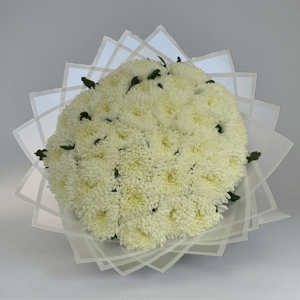



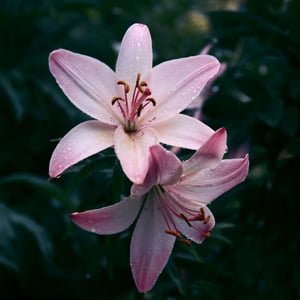
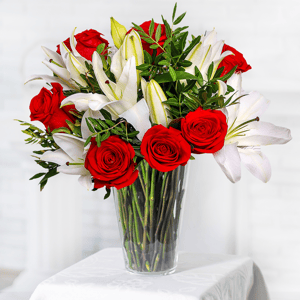
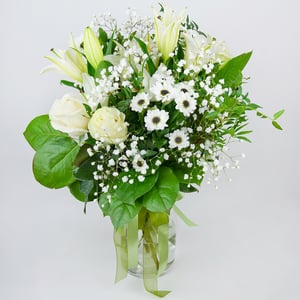
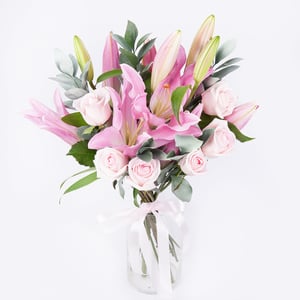
The utah state flower is a wild species, so you won't find fresh-cut sego lilies at your local flower shop. But you can absolutely celebrate Utah's love of lilies by gifting cultivated lily varieties that share the elegance of their wild cousin. Think Asiatic lilies, Oriental lilies, stargazer lilies, and calla lilies — all stunning, all widely available through professional florists.
MyGlobalFlowers works with local florists across Utah who hand-arrange bouquets with fresh, locally available blooms. Each florist may substitute individual stems based on seasonal availability, which means your bouquet is one-of-a-kind — crafted by a real person, not pulled off an assembly line. The overall style and value stay consistent with what you see on the website, but each arrangement carries a florist's personal artistry.
Perfect occasions for sending lilies in Utah:
- Mother's Day (the second Sunday in May) calls for something elegant and heartfelt.
- Pioneer Day (July 24) pairs beautifully with a lily bouquet honoring Utah's heritage.
- Birthdays and anniversaries deserve a fresh arrangement delivered right to the door.
- Sympathy and memorial moments benefit from the quiet grace of white lilies.
- "Just because" remains — honestly — one of the best reasons to send flowers to someone you love.
Delivery pricing calculates individually at checkout based on your order details and delivery location. Here's a helpful ordering tip: place your order before noon MST for same-day delivery options in most Utah cities.
Send the beauty of lilies today
A fresh lily bouquet, hand-arranged by a local florist and delivered to the door.
Caring for fresh-cut lilies after delivery
Once your utah state flower–inspired lily bouquet arrives, a little care goes a long way toward keeping the blooms vibrant. Follow these steps:
- ✓Trim each stem at a 45-degree angle before placing the flowers in water.
- ✓Remove any leaves that sit below the waterline to prevent bacteria buildup.
- ✓Change the water every two days to keep the environment clean and fresh.
- ✓Keep the vase away from direct sunlight and heating vents — Utah's dry indoor air can dehydrate petals fast.
- ✓Snip off pollen-covered anthers early to avoid staining clothes, tablecloths, or countertops.
- ✓Add the flower food packet if your florist included one — it genuinely extends vase life by several days.
A flower that tells a story
The utah state flower is more than a pretty bloom you spot on a June hike. The sego lily is a story — of survival, of generosity between strangers, of community forged under impossible circumstances. That story is baked into the land itself, written into the dry hillsides and sagebrush flats where Calochortus nuttallii still pushes up every spring, quiet and determined.
Next time you drive through Utah's foothills in early summer, slow down. Roll the window down. Look for that flash of white among the grey-green brush. There's a good chance you'll find it — and when you do, you'll understand why an entire state chose that particular flower to represent who they are.
And if the sego lily's spirit of resilience inspires you, consider sending a lily bouquet to someone you care about. Browse the lily collection at MyGlobalFlowers and let a local florist put together something beautiful. Some messages are best delivered with petals.
Frequently asked questions about utah state flower: everything you need to know about the sego lily
What is Utah's state flower?▾
Utah's state flower is the sego lily (Calochortus nuttallii), a delicate white wildflower with yellow and lavender markings. The Utah state legislature made the designation official in 1911, honoring the flower's role in pioneer survival and its natural beauty across the state's landscapes.
Is the sego lily Utah's national flower?▾
No. The sego lily is Utah's state flower, not a national flower. The United States does not have a legally designated national flower, though many people associate the rose with that unofficial role.
When do sego lilies bloom in Utah?▾
Sego lilies typically bloom from late May through July. You'll spot them earliest in lower-elevation valleys around June and latest in mountain meadows above 7,000 feet in mid-July.
Can you grow sego lilies in a home garden?▾
Yes, but sego lilies need well-drained sandy soil, full sun, and very little water. Plant bulbs in fall about 3–4 inches deep and expect blooms within two to three growing seasons. Overwatering is the most common cause of failure.
Can you send lilies for delivery in Utah?▾
Absolutely. While wild sego lilies aren't sold as cut flowers, you can order stunning cultivated lily bouquets through MyGlobalFlowers. Local florists in Utah hand-arrange and deliver them fresh to your recipient's door — perfect for birthdays, holidays like Pioneer Day, or any occasion that calls for something special.