EUR
 GBP
 CAD
 AUD

 🎃Halloween🎃
 Birthday
 Occasions
 Same Day
 Flowers
 Roses
 Plants
 Gifts
 International Flower Delivery
Vermont State Flower: Red Clover
- 🌼 The Vermont state flower is red clover — and honestly, that choice tells you everything you need to know about the Green Mountain State.
- 💡 Each plant stands about 6 to 16 inches tall and produces those classic trifoliate leaves — three rounded leaflets joined at a single point, each one marked with a pale, V-shaped chevron.
- 🌸 Browse wildflower-inspired arrangements in our catalog, or share this article with a friend who loves Vermont.
The Vermont state flower is red clover — and honestly, that choice tells you everything you need to know about the Green Mountain State. Most people expect something dramatic or showy when they think of official state flowers. A rose, maybe. A magnolia. But Vermont went with a humble, hard-working bloom you'd find growing along a dirt road next to a dairy pasture. That's so Vermont. Here at the MyGlobalFlowers blog — MyGlobalFlowers is an international flower delivery service — we love digging into the stories behind iconic blooms. And red clover's story? It's one of the best. Stick around, and you'll learn the history behind Vermont's pick, the botanical details of red clover, its surprising connection to the Vermont state bird, growing tips for your own garden, and creative ways to celebrate this unassuming little powerhouse.
What is the state flower of Vermont?
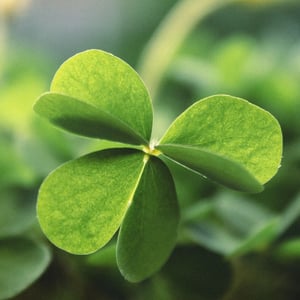
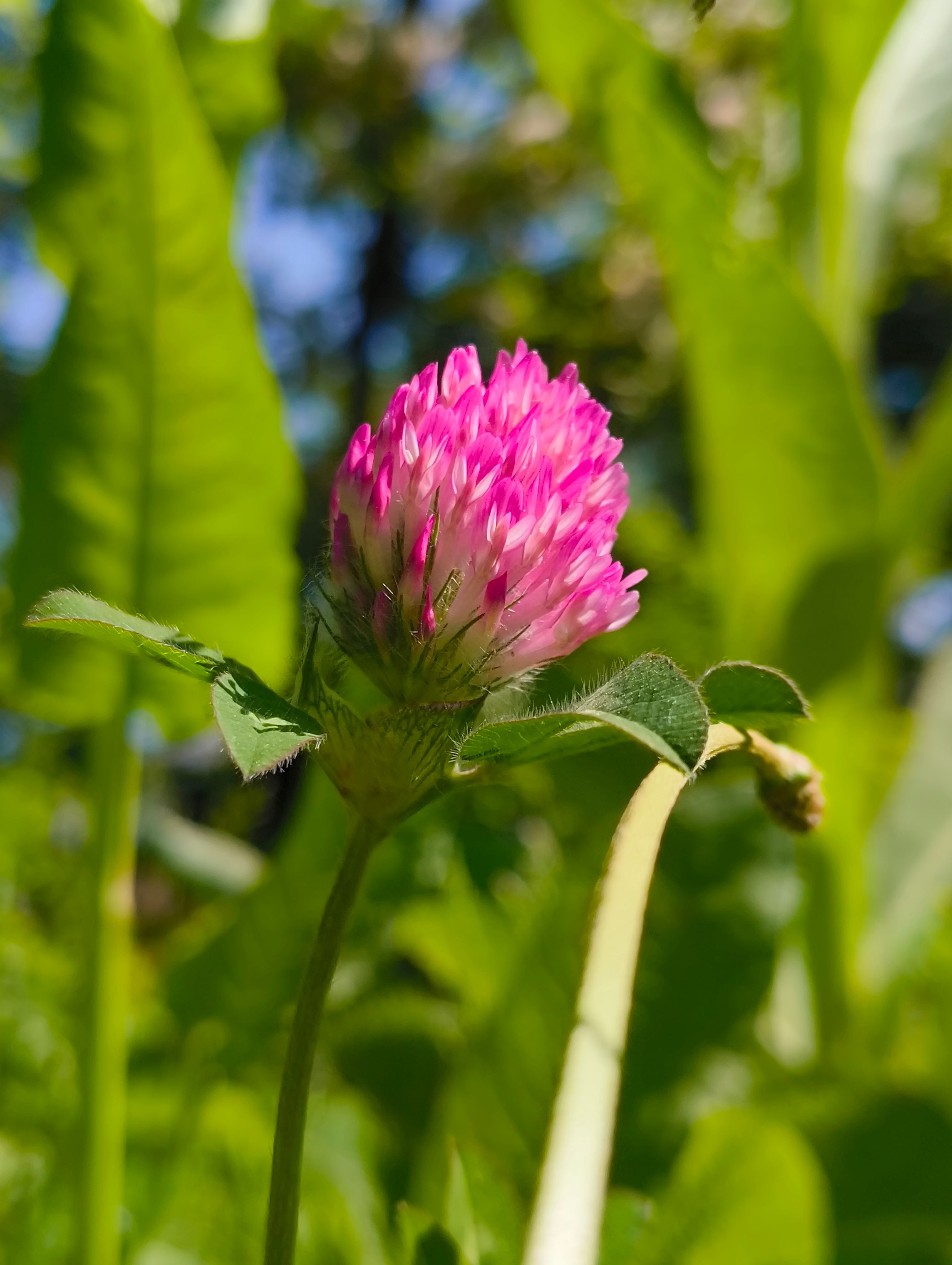
The Vermont state flower is red clover, known by its scientific name Trifolium pratense. Picture this: a globe-shaped flower head made up of dozens of tiny tubular florets packed tightly together. The color ranges from rosy pink to deep magenta-purple, depending on the light and the age of the bloom. Each plant stands about 6 to 16 inches tall and produces those classic trifoliate leaves — three rounded leaflets joined at a single point, each one marked with a pale, V-shaped chevron.
Red clover blooms from late May through September in Vermont, blanketing meadows, roadsides, and farm fields in soft waves of pink. The state flower of Vermont isn't flashy. It doesn't tower over other plants or demand attention. But once you notice red clover, you start seeing it everywhere — and that quiet abundance is exactly why Vermonters love it.
Vermont adopted red clover as the official state flower in 1894 through a legislative act. The story behind that decision is worth telling.
The history behind Vermont's choice of red clover
The Vermont state flower didn't land its official title by accident. Red clover earned the honor because the plant was woven into the fabric of Vermont life — literally feeding the economy from the ground up.
In the 1800s, dairy farming was the backbone of Vermont's economy. Cows needed forage, and red clover delivered. Farmers planted red clover across their pastures because the plant provided rich, protein-packed feed that kept dairy herds healthy and productive. But red clover did something else that made farmers deeply grateful: the plant fixes nitrogen in the soil. Tiny bacteria living in nodules on red clover's roots pull nitrogen from the air and convert it into a form that enriches the earth. Farmers rotated red clover through their fields to restore soil fertility without expensive fertilizers. Red clover was, quite literally, a farmer's best friend.
Here's the detail most articles skip: in 1894, schoolchildren across Vermont voted to choose the state flower. Red clover won that vote. Kids who grew up watching the plant bloom in every pasture and hayfield around them recognized what adults already knew — red clover was Vermont.
Compare that to states that chose roses, magnolias, or orchids. Those are beautiful flowers, no question. But Vermont's pick reflects something different — a practical, down-to-earth identity. Vermont didn't choose a flower to impress anyone. Vermont chose the flower that fed the cows, healed the soil, and carpeted the landscape every summer. I love that.
Vermont state bird and flower — a natural pair
The Vermont state bird and flower make a surprisingly perfect pair, even though you'll rarely find them side by side in nature. Vermont's state bird is the hermit thrush (Catharus guttatus), a small songbird the state adopted in 1941.
The hermit thrush is not a bird that grabs your attention with bright plumage. This bird wears a brown back, a spotted cream-colored breast, and a rust-tinted tail. What makes the hermit thrush unforgettable is its voice. The bird produces an ethereal, flute-like song that spirals through Vermont's forests — especially at dusk. Birdwatchers travel from across the country just to hear that song echo through the Green Mountains.
Here's the thing: both the hermit thrush and red clover share the same personality. Neither one is flashy. Neither one tries to steal the show. The hermit thrush hides deep in forest understory; red clover stays low in the meadow grass. But both are essential to their ecosystems. Red clover feeds pollinators and enriches soil. The hermit thrush controls insect populations and spreads seeds.
Both symbols reflect Vermont's rural character — a state that values substance over spectacle, quiet competence over loud display. When you pair the hermit thrush with red clover, you get a portrait of Vermont that feels honest and complete.
Botanical profile — growing and identifying red clover
Understanding the Vermont state flower starts with knowing the plant's botanical profile. Red clover (Trifolium pratense) belongs to the Fabaceae family — the legume family, the same group that includes peas, beans, and lentils. That family connection explains red clover's nitrogen-fixing superpower.
Here are the key botanical facts:
Life cycle: Red clover grows as a biennial or short-lived perennial, typically living two to three years before reseeding.
Hardiness zones: Red clover thrives in USDA hardiness zones 3 through 8. Vermont sits in zones 3b through 5b, making the state ideal red clover territory.
Light requirements: Red clover prefers full sun to partial shade and needs at least six hours of direct sunlight each day.
Soil preferences: Red clover favors well-drained loamy soil with a pH between 6.0 and 7.0.
Height: Mature plants stand 6 to 16 inches tall.
Bloom period: Red clover blooms from late May through September in Vermont.
Pollinators: Bumblebees serve as the primary pollinators because their long tongues can reach deep into red clover's narrow corolla tubes. Honeybees struggle with the flower's depth and tend to visit other species instead.
One fact that surprises many people: red clover is not native to North America. The plant originated in Europe, and early settlers brought red clover seeds across the Atlantic. Red clover naturalized so thoroughly across the continent that most Americans assume the plant has always been here. Vermont's meadows certainly look like red clover belongs.
Symbolism and meaning of red clover
The Vermont state flower carries layers of symbolism that go far beyond its role as a farm crop.
Industry and hard work: Red clover represents the tireless effort of Vermont's farming communities. The plant works around the clock, enriching soil and feeding livestock.
Good luck: Clover has carried lucky associations for centuries. Finding a four-leaf clover brings good fortune, and spotting a four-leaf red clover counts as especially rare and auspicious.
Protection and healing: In folk traditions across Europe and early America, people carried dried clover as a charm against misfortune. Herbalists valued red clover for its reputed healing properties.
Industriousness and fertility: In the language of flowers — a system called floriography that was wildly popular in the Victorian era — red clover symbolizes industriousness and fertility.
What strikes me is how well red clover's symbolism connects to Vermont's state motto: "Freedom and Unity." Red clover fed the livestock that sustained free, independent farming communities. Those communities worked together — united — to build a state known for self-reliance and grit. The flower and the motto feel like two sides of the same coin.
Looking for mixed bouquets?
Browse mixed bouquets from local florists and pick one that suits the moment.
Red clover in everyday life — uses you might not know
The Vermont state flower isn't just pretty to look at. Red clover has practical uses that people have relied on for generations.
Herbal tea: Dried red clover blossoms make a mild, slightly sweet tea with a delicate floral aroma. Folk medicine traditions used red clover tea for respiratory and skin health. (Quick note: this reflects traditional use, not medical advice. Always talk to a healthcare provider before using herbal remedies.)
Honey: Bees produce a light, delicate honey from red clover fields. Red clover honey has a mild flavor that works beautifully in baking and on morning toast.
Cover crop: Modern sustainable farmers still plant red clover to enrich soil nitrogen. The plant serves as a living green manure, reducing the need for synthetic fertilizers.
Culinary use: Young red clover leaves and flower heads are edible. Foragers toss fresh blossoms into salads or use the petals as a garnish. Always confirm your identification before foraging any wild plant.
Art and décor: Red clover motifs appear on Vermont souvenirs, posters, and state-themed artwork. The flower's distinctive shape makes a charming design element on everything from tea towels to greeting cards.
How to grow red clover in your own garden
Growing the Vermont state flower at home is straightforward, even if you've never gardened before. Red clover rewards patience and asks very little in return.
Follow these steps:
Choose your timing. Sow red clover seeds in early spring (March through April) or late summer (August through September) for the strongest germination rates.
Prepare the soil. Loosen the top 1 to 2 inches of soil, remove weeds, and make sure the area drains well. Red clover doesn't need rich soil — it makes its own nitrogen.
Scatter seeds. Broadcast about 8 to 10 pounds per acre for a field planting, or sprinkle a light pinch per square foot for a garden patch. Press seeds gently into the soil surface.
Water gently. Keep the soil consistently moist (not waterlogged) until seedlings establish themselves, usually within 7 to 14 days.
Skip heavy fertilizer. Red clover fixes its own nitrogen, so extra nitrogen fertilizer actually hurts growth. A light application of phosphorus and potassium helps if your soil lacks those nutrients.
Enjoy the blooms. Expect flowers by the second year with biennial varieties, or the first summer with certain annual strains.
Watch out for these common mistakes:
Planting in heavy shade starves the plant of energy. Red clover needs at least six hours of direct sun.
Overwatering in poorly drained clay soil causes root rot and kills seedlings.
Mowing too short during bloom season destroys pollinator habitat and cuts off the flowers bumblebees depend on.
Other Vermont state symbols worth knowing
The Vermont state flower doesn't stand alone. Red clover belongs to a family of state symbols that all circle back to the same theme: agriculture and the land.
State tree: The sugar maple (Acer saccharum) produces the sap that becomes Vermont's legendary maple syrup.
State insect: The western honeybee (Apis mellifera) pollinates crops and wildflowers across the state — a natural partner to red clover fields.
State animal: The Morgan horse, America's first breed of horse, was developed in Vermont and became a symbol of strength and endurance.
State beverage: Milk — a direct connection to the dairy farms that red clover helped sustain for generations.
See the pattern? Nearly every Vermont state symbol connects back to farming, land stewardship, and the rural way of life. Red clover sits right at the center of that web.
Celebrating the Vermont state flower — gift and décor ideas
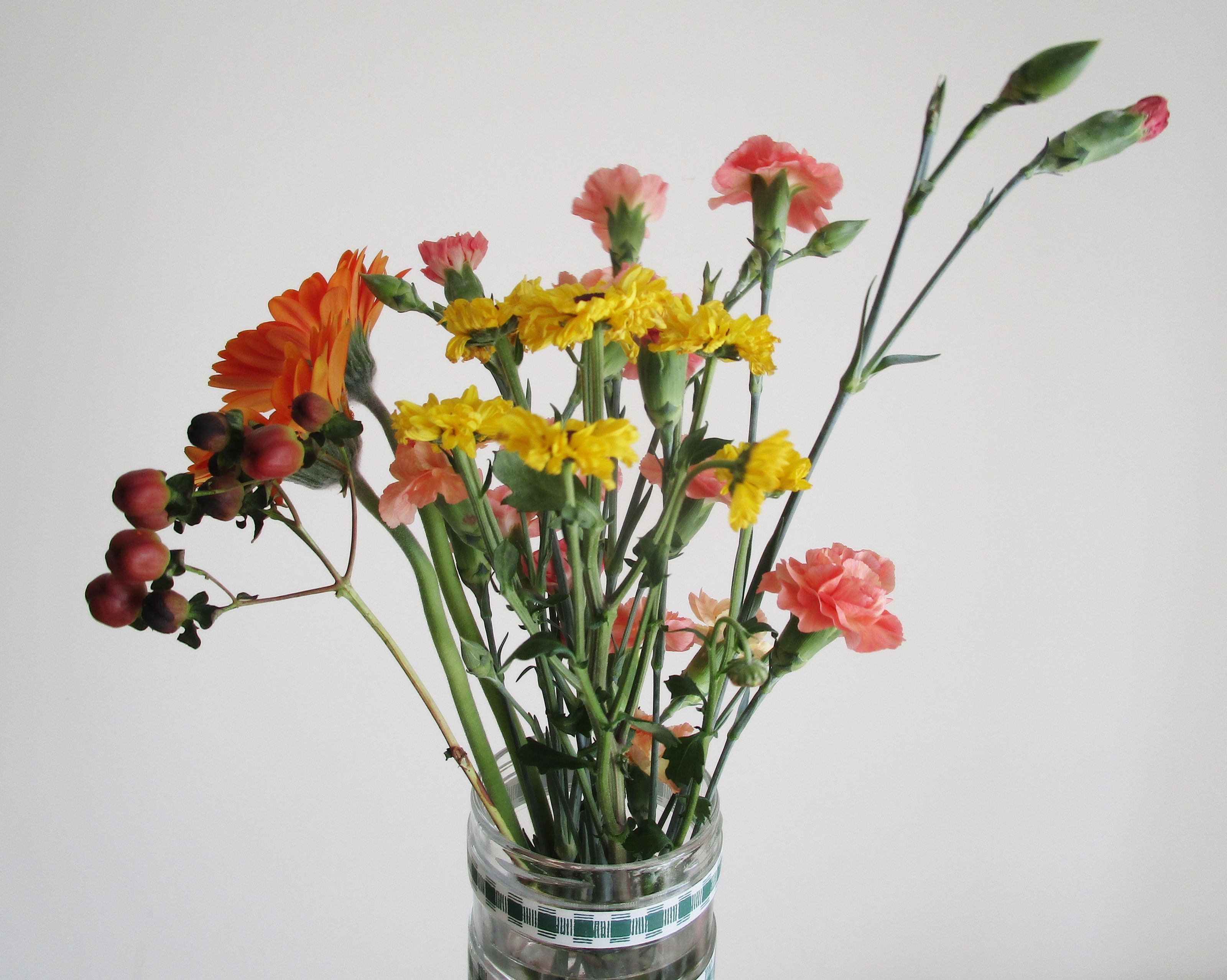
The Vermont state flower inspires some genuinely creative gift ideas. Red clover–themed bouquets and wildflower arrangements make thoughtful presents for anyone with Vermont roots — or anyone who appreciates understated beauty.
Here are a few occasions that suit a Vermont-themed floral gift:
Housewarming: Surprise someone who just moved to (or from) Vermont with a wildflower arrangement that captures the spirit of Green Mountain meadows.
Town Meeting Day: Vermont's civic tradition falls on the first Tuesday in March. Mark the occasion with a locally inspired bouquet.
Mother's Day: The second Sunday in May calls for something personal. A wildflower bouquet with clover accents feels warm, unique, and thoughtful.
Fourth of July: Pair red clover with white daisies and blue delphiniums for a patriotic wildflower mix that looks stunning on a picnic table.
Local florists can create custom wildflower arrangements featuring seasonal blooms that capture the feel of Vermont's meadows. Keep in mind that bouquets may vary slightly from photos on any website, because each florist selects the freshest available flowers and preserves the overall style and value. Honestly, that's the beauty of a hand-crafted arrangement — every bouquet becomes one of a kind.
Want to send flowers to someone in Vermont — or anywhere else? MyGlobalFlowers connects you with local florists who hand-deliver fresh arrangements right to your door. The delivery fee calculates individually at checkout based on your recipient's location, so you always know the cost before you order.

Final thoughts
Honestly, I think Vermont got it right. Red clover isn't trying to impress anyone. The plant just quietly does its job — feeds the soil, nourishes the bees, and brightens every roadside meadow with those soft pink-purple blooms. There's something deeply appealing about a state that chooses substance over spectacle, even in something as symbolic as a state flower.
Next time you walk through a field, a park, or even your own backyard, look down. You might spot a cluster of red clover right at your feet. Take a second to appreciate the plant that built Vermont's farming legacy, fed a generation of dairy cows, and earned the vote of thousands of schoolchildren over a century ago.
Feeling inspired? Browse wildflower-inspired arrangements in our catalog, or share this article with a friend who loves Vermont.
Send flowers today
Choose a bouquet, add a message, and a local florist hand-delivers it.