 EUR
EUR
 GBP
GBP
 CAD
CAD
 AUD
AUD

 ✨Boss’s Day✨
 🍭Sweetest Day🍭
 Birthday
 Same Day
 Occasions
 Flowers
 Roses
Roses
 Plants
 Gifts
Gifts
 International Flower Delivery
Missouri's State Flower: Hawthorn
- 🌼 The Missouri state flower has one of the most entertaining origin stories of any official state symbol in the country.
- 💡 The Missouri legislature officially designated the hawthorn as the state flower on March 17, 1923.
- 🌸 One thing to know: bouquets may vary slightly from website photos because each local florist selects the freshest stems available that day.
The Missouri state flower has one of the most entertaining origin stories of any official state symbol in the country. Picture this: a flower so contested that Missouri's legislature flat-out rejected the winner of a public vote and then spent years arguing before finally settling on a different bloom. That flower is the white hawthorn blossom — a tough, thorny, quietly beautiful tree that grows wild across nearly every corner of the Show-Me State. MyGlobalFlowers — an international flower delivery service connecting you with local florists — brings you the full story behind Missouri's beloved state flower.
In this article, you'll learn the hawthorn's official name, the dramatic history behind its selection, its biology and symbolism, how the hawthorn connects to Missouri's other state symbols like the state bird and flower pairing, and practical tips for growing hawthorn in your own yard. Whether you're a Missouri native, a trivia enthusiast, or someone who simply wants to know what is Missouri's state flower, you're in the right place.
What is Missouri's state flower?
The Missouri state flower name is the white hawthorn blossom, belonging to the genus Crataegus. The Missouri legislature officially designated the hawthorn as the state flower on March 17, 1923. Here's the thing — Missouri didn't just pick one species. The state hosts roughly 100 species of hawthorn, more than almost any other state in the nation. That abundance made hawthorn a natural choice to represent the land.
Hawthorns belong to the rose family (Rosaceae), making them close cousins of apples, pears, and — yes — roses. The flowers appear in dense clusters of small, five-petaled white blooms, each roughly ½ to ¾ inch across. These delicate blossoms burst open along thorny branches in spring, creating a striking contrast between the soft white petals and the rugged, spiny wood beneath them. If you've ever driven past a tree covered in a cloud of white flowers along a Missouri highway in late April, there's a good chance you were looking at a hawthorn.
The dramatic story behind Missouri's state flower choice
The state flower of Missouri didn't arrive without a fight. The hawthorn's path to official status involved rejected votes, competing bills, and years of legislative wrangling. Let me walk you through the whole saga.
The goldenrod that wasn't
Before the hawthorn ever entered the conversation, goldenrod was the early front-runner. It grew everywhere, bloomed boldly, and already served as the state flower for four other states. That last detail turned out to be a problem. Many Missourians felt goldenrod was too common — basically a weed — and they wanted something more distinctive. A committee organized a statewide vote, putting 27 candidate flowers on the ballot. Goldenrod quietly dropped out of contention.
The wild crab apple upset
The wild crab apple blossom won the popular vote by a wide margin. Other favorites included aster, honeysuckle, black-eyed Susan, violet, burdock, and hollyhock. The wild rose took second place. But here's where things got interesting: Missouri's legislature refused to adopt the crab apple blossom. Lawmakers apparently felt the crab apple didn't represent the state strongly enough — or perhaps they simply wanted to exercise their own judgment. Either way, the people's choice was set aside, and the flower question remained open.
Hawthorn wins the day
Three years passed. Legislators introduced competing bills championing the hawthorn and the daisy. Neither passed at first. Hawthorn supporters made a compelling case: the hawthorn was native to Missouri, grew wild across the entire state, and served as a potent symbol of the Missouri landscape — rugged, resilient, and deeply rooted. Those arguments eventually won over the legislature, and lawmakers passed the hawthorn bill on March 17, 1923. Missouri finally had its state flower.





Missouri state bird and flower — a quick look at the Show-Me State's symbols
The Missouri state flower pairs beautifully with the state's other official symbols. The Missouri state bird is the Eastern Bluebird, a vibrant songbird the legislature adopted in 1927 — just four years after choosing the hawthorn. The bluebird represents happiness and the arrival of spring, while the hawthorn represents resilience and endurance. Together, the Missouri state bird and flower paint a vivid picture of the state's character: cheerful but tough.
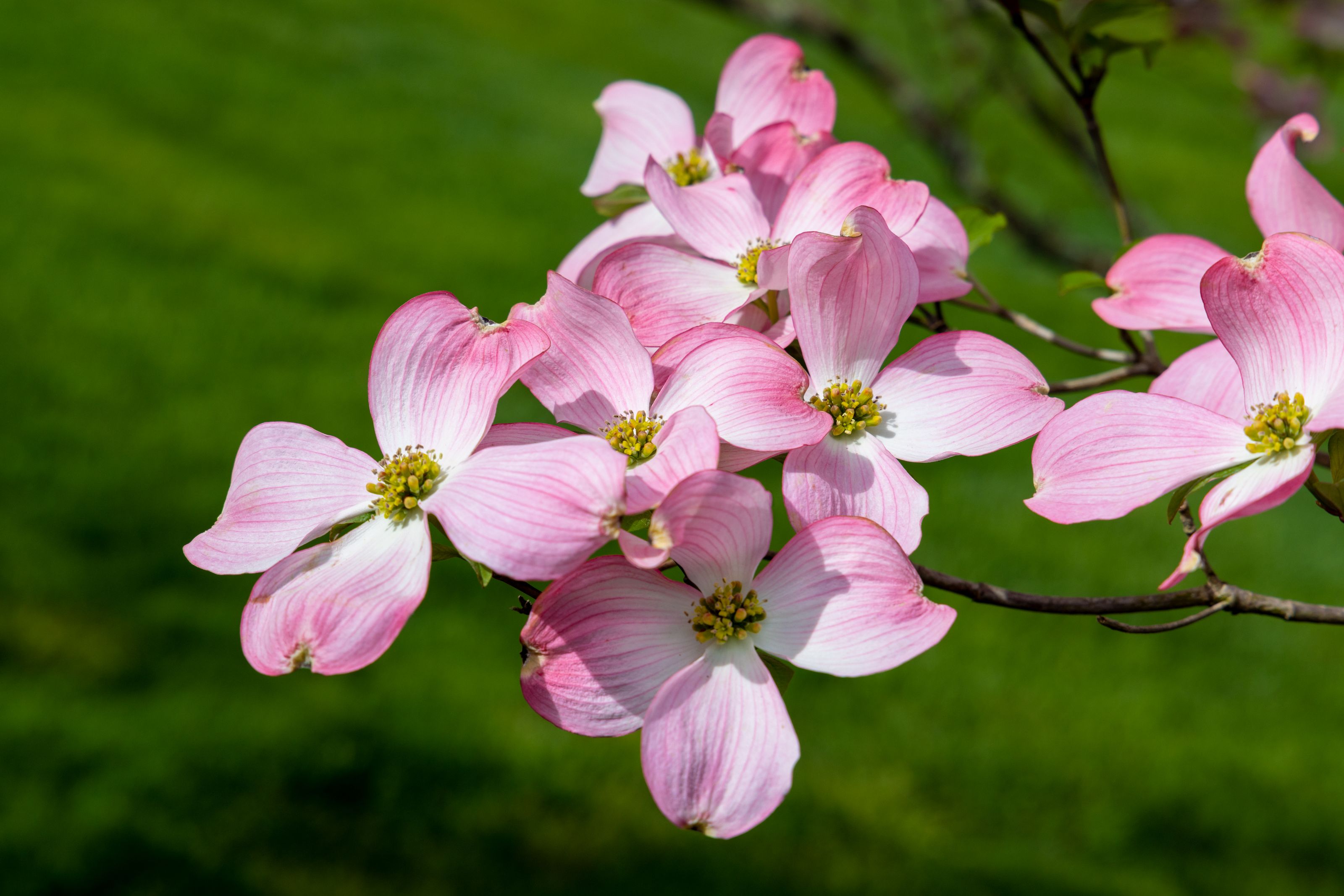
The Missouri state tree and flower connection runs even deeper. The state tree is the Flowering Dogwood, adopted in 1955. All three symbols — bluebird, hawthorn, and dogwood — share Missouri's spring woodlands and bloom during roughly the same weeks. Walk through an Ozark forest in early May and you'll likely see dogwood blossoms overhead, hawthorn clusters at eye level, and a bluebird flashing across an opening. It's a scene that captures Missouri's natural beauty in a single glance.
For context, a few other state symbols worth knowing: the state animal is the Missouri mule, and the state insect is the honeybee. But the hawthorn remains the floral heart of Missouri's identity.
Hawthorn biology and blooming season
The Missouri state flower blooms from late April through May, though the exact timing varies by region. Southern Missouri — especially the Ozarks — sees hawthorn blossoms open earliest, sometimes by mid-April. Trees near Kansas City and St. Louis typically bloom a week or two later as warmer temperatures push northward.
Hawthorn trees thrive in nearly every soil type found across Missouri. You'll spot them along prairie edges, forest clearings, limestone bluffs, and creek bottoms. The trees typically grow 15 to 30 feet tall, forming a rounded canopy that provides dappled shade beneath.
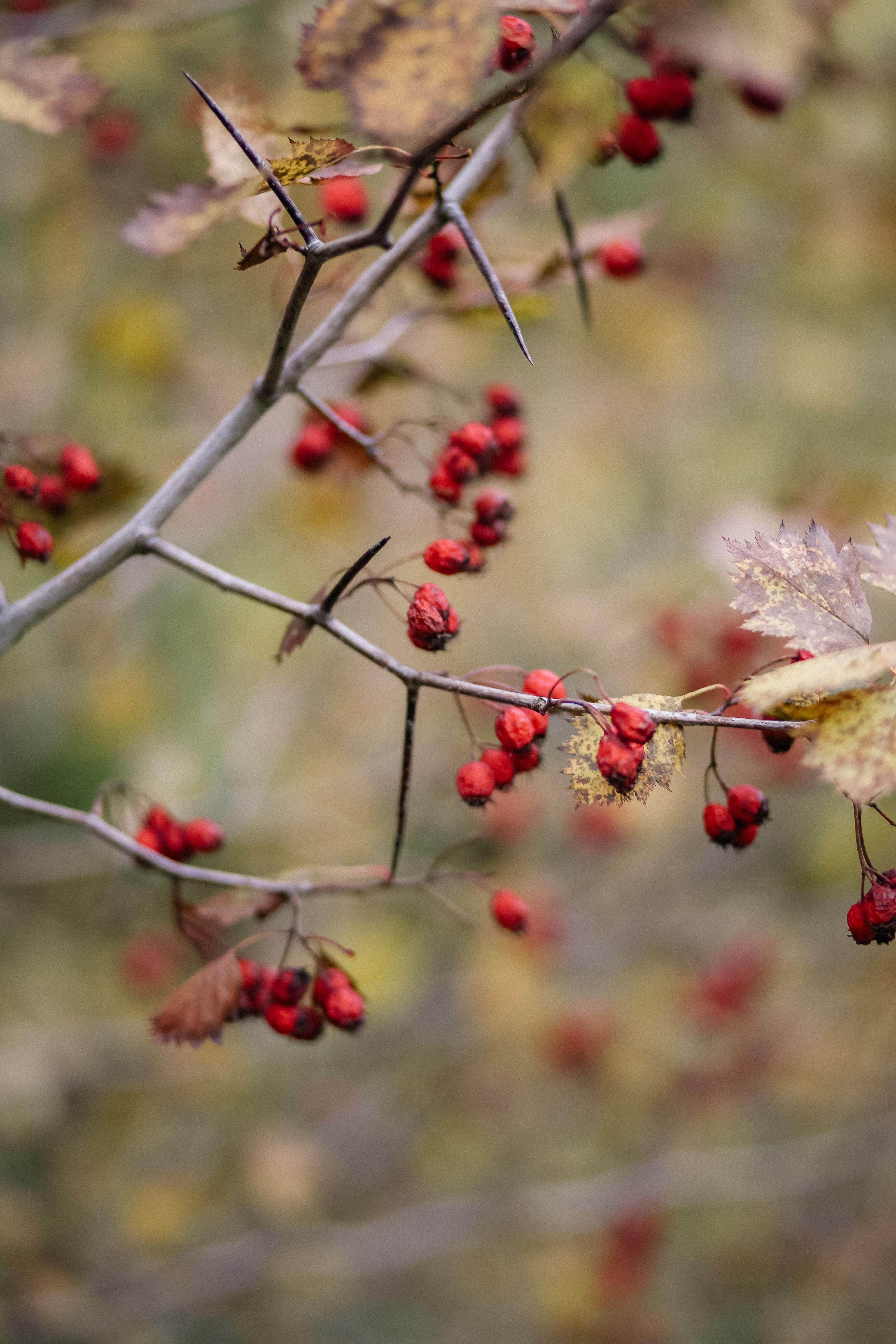
One of the hawthorn's most distinctive features is its thorns. Branches bear sharp spines that can reach up to 3 inches long — an identifying trait that makes hawthorn easy to recognize even when the flowers aren't blooming. Fun fact: those thorns are actually modified branches, not just surface prickles.
In fall, hawthorn trees produce small red fruits called "haws." Birds and wildlife depend on haws as a food source heading into winter. Cedar waxwings, robins, and wild turkeys all feast on the berries. Deer browse on the leaves and young twigs. The hawthorn earns its keep in every season.
Looking for mixed bouquets?
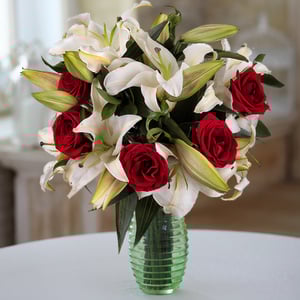
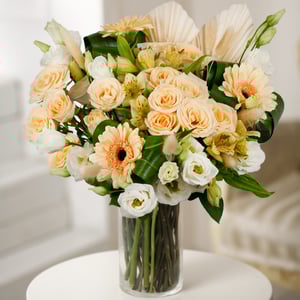
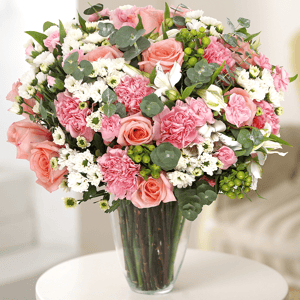
Browse mixed bouquets from local florists and pick one that suits the moment.
Symbolism and cultural meaning of the hawthorn
The Missouri state flower carries layers of symbolism that stretch back centuries. In Celtic and European folklore, hawthorn marks the boundary between spring and summer. Ancient communities considered hawthorn trees sacred boundary markers — planted at crossroads, along property lines, and beside holy wells.
Broadly, hawthorn symbolizes hope, protection, and resilience. In Missouri specifically, the hawthorn stands for toughness. The tree thrives in poor soil, withstands drought, and rebounds after harsh winters. Honestly, it's hard to think of a better metaphor for the Show-Me State.
Some European traditions associate hawthorn with love and fertility. In England, hawthorn branches were gathered for May Day celebrations, and young couples would decorate their doorways with hawthorn blossoms as a sign of new beginnings. That dual symbolism — toughness and tenderness — makes hawthorn one of the more layered state flowers in the country.
That symbolism of resilience is something you can share through flowers — even today. A spring bouquet built around whites and soft pinks carries echoes of the hawthorn's meaning, whether you're sending blooms for a birthday, a celebration, or just because.
How to grow and care for hawthorn in Missouri
The Missouri state flower grows beautifully in home landscapes when you give it the right conditions. Missouri spans USDA hardiness zones 5b through 7a, and hawthorn thrives across that entire range. Here are practical, step-by-step tips to help you succeed:
Choose a sunny spot. Hawthorn trees need at least 6 hours of direct sunlight daily. Full sun promotes the densest flowering and helps leaves dry quickly after rain, which reduces disease risk.
Plant in fall or early spring. Cooler temperatures help roots establish before summer heat arrives. Aim for late October through November or March through early April.
Water deeply but infrequently. Give young trees about 1 inch of water per week during the first two growing seasons. Mature hawthorns are remarkably drought-tolerant and rarely need supplemental watering.
Prune in late winter. Remove dead or crossing branches before new growth starts. Wear heavy leather gloves — those 3-inch thorns demand respect.
Watch for cedar-hawthorn rust. This common fungal disease plagues many Missouri hawthorns. Remove nearby Eastern red cedars if possible, since the fungus needs both hosts to complete its life cycle. Apply a fungicide in early spring if cedar removal isn't practical.
Mulch the base. Spread 2 to 3 inches of organic mulch around the root zone. Keep the mulch a few inches away from the trunk to prevent moisture buildup against the bark.
Common mistakes when growing hawthorn
The Missouri state flower is forgiving, but a few common errors can set your tree back:
Overwatering. Hawthorn roots rot in soggy soil. Make sure your planting site drains well, and reduce watering once the tree is established.
Planting too close to walkways. Those 3-inch thorns can snag clothing, scratch skin, and puncture bike tires. Give hawthorn at least 8 to 10 feet of clearance from any path or play area.
Ignoring fire blight. Fire blight causes branches to look scorched and blackened. Prune infected branches 8 to 12 inches below the visible damage, and sterilize your pruners with rubbing alcohol between each cut to prevent spreading the bacteria.
Expecting instant shade. Hawthorns grow slowly, adding roughly 12 to 24 inches of height per year. Plan for a long-term canopy rather than a quick screen.

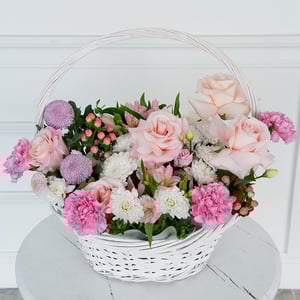
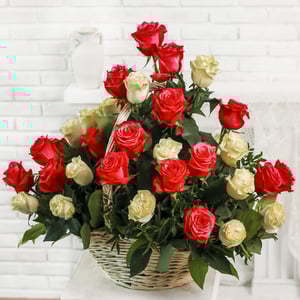
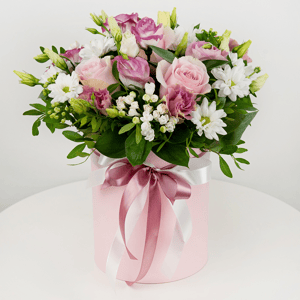


Celebrating Missouri's state flower with fresh blooms
The Missouri state flower inspires more than just backyard planting. Local florists across Missouri craft seasonal bouquets that echo the hawthorn's beauty — think whites, soft pinks, and fresh spring greens. You don't need a hawthorn branch in the vase to capture the spirit; a well-designed arrangement with white roses, stock, or lisianthus evokes the same feel.
MyGlobalFlowers connects you with local florists in cities like St. Louis, Kansas City, Springfield, and Columbia for same-day or next-day flower delivery in Missouri. A local florist selects the freshest available stems, assembles your arrangement by hand, and a courier delivers the bouquet directly to your recipient's door.
Here are a few occasions that pair perfectly with hawthorn-inspired bouquets:
Mother's Day (second Sunday in May). Hawthorns bloom right around Mother's Day. A white-themed bouquet nods to Missouri's state flower and tells Mom you put thought into the gift.
Memorial Day. Honor loved ones with arrangements featuring white flowers — a timeless gesture of remembrance.
Birthdays and anniversaries. A spring bouquet with hawthorn-inspired tones makes a meaningful local gift, especially for someone who loves Missouri's natural beauty.
Housewarming. Potted flowering plants echo Missouri's wild landscape and give your recipient a living reminder of your thoughtfulness.
One thing to know: bouquets may vary slightly from website photos because each local florist selects the freshest stems available that day. That's actually a benefit — your recipient gets peak-freshness flowers arranged with care, not a cookie-cutter replica. The delivery cost is calculated at checkout based on your recipient's location.
Send flowers today
Choose a bouquet, add a message, and a local florist hand-delivers it.