EUR
 GBP
 CAD
 AUD

 🎃Halloween🎃
 Birthday
 Occasions
 Same Day
 Flowers
 Roses
 Plants
 Gifts
 International Flower Delivery
What’s Your Birth Month Flower? Discover Their Meanings
- 📅 Every month has one or two official birth flowers — from January's carnation to December's narcissus — each carrying its own Victorian-era symbolism.
- 🎁 Matching a bouquet to someone's birth flower (with a note explaining its meaning) turns a generic gift into a personal one for birthdays, Mother's Day, and holidays.
- 🐾 Mind pet safety: lily of the valley (May), chrysanthemums (November), and poppies (August) are toxic to cats or dogs — ask your florist for pet-safe swaps.
Birth month flowers might just be one of the most thoughtful — and underrated — ways to personalize a gift. Think about it: most people know their birthstone, but ask them about their birth flower and you'll probably get a blank stare. That's a missed opportunity, because every month of the year has its own official bloom (sometimes two!), each carrying a rich layer of symbolism, history, and personality. I always find it fascinating how a single flower can say so much about a person born in a particular month.
In this guide, you'll find everything you need to know: the official birth month flowers for every month, a handy birth month flowers chart you can bookmark, the deeper meanings behind each bloom, creative gifting ideas tied to US holidays, care tips for keeping your arrangement gorgeous, and common mistakes to avoid. And if you're inspired to send a bouquet based on someone's birth flower, MyGlobalFlowers, an international flower delivery service, works with local florists around the world to arrange and hand-deliver fresh blooms — so you can order from anywhere in the US and surprise someone you care about, no matter where they live.
Let's dig in.
The history and origins of birth month flowers
Birth month flowers trace their roots back to the Victorian era, when people were obsessed with floriography — the language of flowers. During the 1800s, sending someone a carefully chosen bloom was basically the equivalent of sending a coded text message. Every petal, every color, every stem carried meaning. A red rose whispered passion. A yellow chrysanthemum signaled neglected love. People published entire dictionaries devoted to decoding floral messages.
Over time, specific flowers became associated with each calendar month, much like birthstones became linked to months through jewelry traditions. The practice grew more standardized in the early 20th century as the floral industry in the US and the UK began publishing official lists. Most months ended up with two official birth month flowers — a primary and a secondary — partly because of seasonal availability and partly because regional traditions didn't always agree on a single bloom. Having two flowers per month gave people more options and acknowledged that floral symbolism isn't one-size-fits-all.
Now, it's worth noting that you'll occasionally see slight variations depending on the source. Some lists swap a flower here or there. The chart below follows the most widely recognized tradition in the US, the one you'll find referenced by the Society of American Florists and most major floral authorities.
Official birth month flowers chart
Here's your complete birth month flowers chart — all twelve months at a glance. This section is designed to be easy to bookmark or screenshot, so you always have the official birth month flowers handy when a birthday rolls around.
| Month | Primary flower | Secondary flower | Key meaning |
|---|---|---|---|
| January | Carnation | Snowdrop | Love, devotion, hope |
| February | Violet | Primrose | Loyalty, faithfulness, young love |
| March | Daffodil | Jonquil | New beginnings, rebirth |
| April | Daisy | Sweet Pea | Innocence, blissful pleasure |
| May | Lily of the Valley | Hawthorn | Sweetness, humility, hope |
| June | Rose | Honeysuckle | Love, passion, devotion |
| July | Larkspur | Water Lily | Positivity, dignity, purity |
| August | Gladiolus | Poppy | Strength, sincerity, remembrance |
| September | Aster | Morning Glory | Wisdom, valor, affection |
| October | Marigold | Cosmos | Warmth, creativity, order |
| November | Chrysanthemum | — | Joy, optimism, longevity |
| December | Narcissus | Holly | Good wishes, faithfulness, hope |
Keep this chart somewhere you'll see it — your phone's notes app, your fridge, wherever works. Trust me, when you gift someone their birth flower and explain what it means, the reaction is always worth it.


Birth month flowers and their meanings
Now let's go deeper. Below you'll find every birth month flower broken down by month, complete with symbolism, fun facts, personality connections, and gifting suggestions tied to occasions you actually celebrate.
January — Carnation & Snowdrop
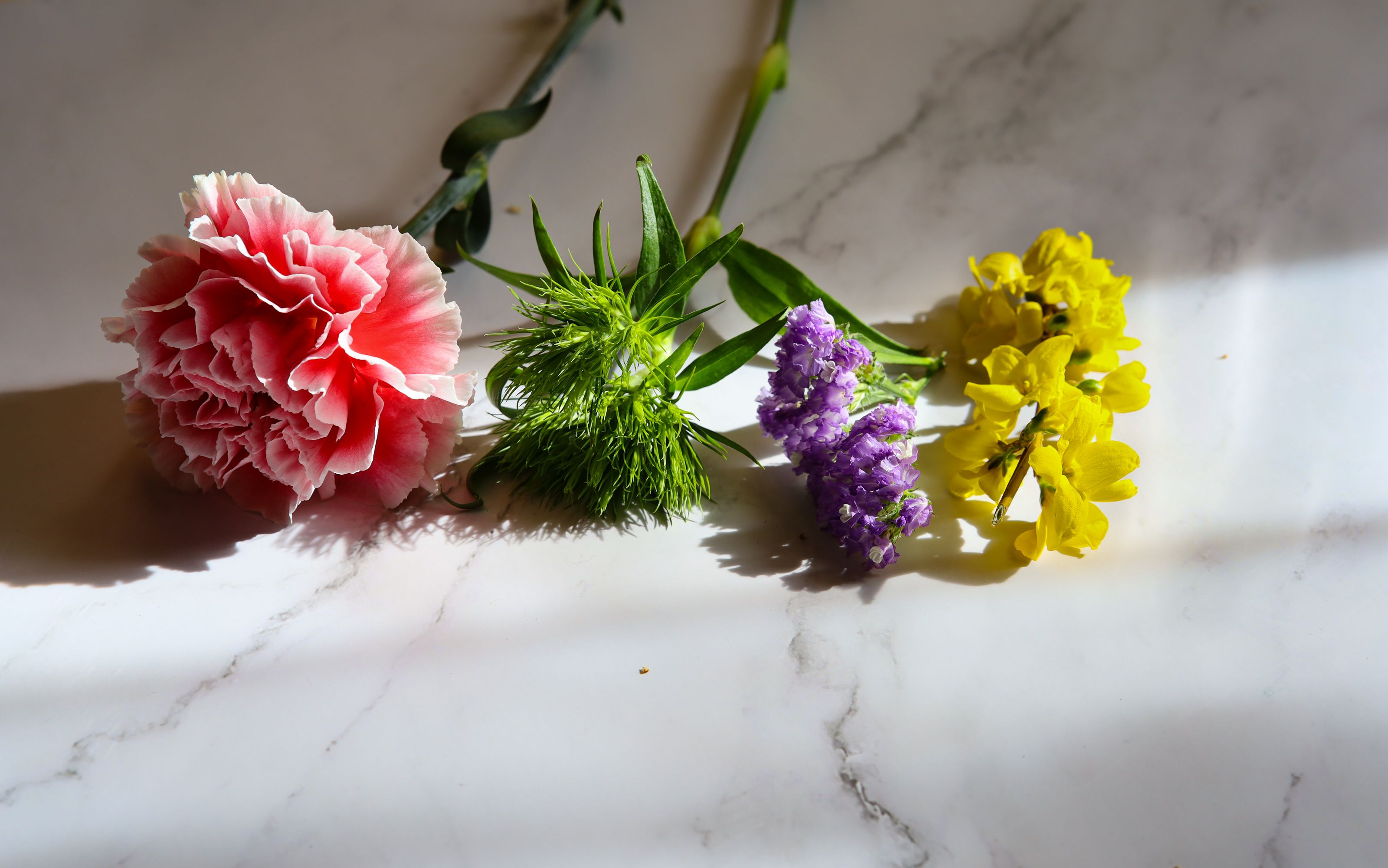
January's primary birth flower is the carnation, one of the world's oldest cultivated flowers. Carnations symbolize love, fascination, and distinction. Different colors layer on extra meaning: pink carnations represent gratitude, white carnations signal pure love, and red carnations express deep admiration. The secondary January bloom, the snowdrop, is a delicate white flower that pushes through frozen ground — making it a perfect symbol of hope and resilience.
Fun fact: Carnations can last up to three weeks in a vase with proper care, making them one of the longest-lasting cut flowers you can buy.
Gifting idea: January birthdays often fall right after the holiday season, so a vibrant carnation bouquet is a wonderful way to start someone's year on a bright note. A pink carnation arrangement also makes a thoughtful "thank you" gift for anyone who hosted you over Christmas or New Year's.
February — Violet & Primrose
February's primary birth flower is the violet, symbolizing loyalty, faithfulness, and modesty. Violets have a long literary history — Shakespeare referenced them multiple times, and ancient Greeks associated the bloom with love and fertility. The secondary February flower, the primrose, represents young love and the idea that life without your beloved is meaningless. Honestly, that's pretty intense for such a small, cheerful flower.
Fun fact: Violets are one of the few flowers that are entirely edible. People use them in salads, cocktails, and candied desserts.
Gifting idea: February means Valentine's Day, of course. While roses get all the spotlight on February 14th, a violet-inspired bouquet for a February-born partner adds a deeply personal twist. Pair the flowers with a card explaining the symbolism, and you've got a Valentine's gift that stands out from every dozen red roses on the block.
March — Daffodil & Jonquil
March's primary birth flower is the daffodil, the cheerful yellow trumpet that signals spring's arrival across the US. Daffodils represent new beginnings, rebirth, and unrequited love. The jonquil — March's secondary bloom — is actually a specific type of narcissus with fragrant, clustered flowers. Jonquils symbolize desire and returned affection.
Fun fact: Daffodils are one of the first flowers to bloom after winter, often popping up when temperatures are still hovering around 40–50°F. Entire festivals celebrate daffodil season, including the famous Daffodil Festival in Gloucester, Virginia.
Gifting idea: A bright daffodil bouquet makes a perfect spring birthday gift. March birthdays also sit near the start of the spring equinox, so the "new beginnings" symbolism feels especially fitting for someone starting a fresh chapter — a new job, a new home, a new year of life.
April — Daisy & Sweet Pea
April's primary birth flower is the daisy — a symbol of innocence, purity, and true love. The word "daisy" comes from "day's eye," because the flower opens its petals at dawn and closes them at dusk. Sweet pea, the secondary April bloom, represents blissful pleasure, gratitude, and farewell. Sweet peas are beloved for their ruffled petals and intoxicating fragrance.
Fun fact: Gerbera daisies, a popular variety for bouquets, are actually the fifth most popular cut flower in the world. People love them for their bold, graphic shape and wide color range.
Gifting idea: April bouquets shine at springtime gatherings. Picture this: a daisy-and-sweet-pea arrangement as a centerpiece at an Easter brunch or a spring birthday dinner. The mix of playful daisies and romantic sweet peas creates a vibe that's both fun and elegant.
May — Lily of the Valley & Hawthorn
May's primary birth flower is lily of the valley, a dainty, bell-shaped bloom known for its intoxicating scent. Lily of the valley symbolizes sweetness, humility, and the return of happiness. The hawthorn, May's secondary flower, represents hope and supreme happiness. Hawthorn blossoms have been part of May Day celebrations in Europe for centuries.
Fun fact: Lily of the valley was the flower in Kate Middleton's royal wedding bouquet in 2011, instantly making it one of the most searched-for wedding flowers in the world.
Gifting idea: May means Mother's Day (the second Sunday of May), and a bouquet inspired by May's birth flowers makes a gorgeous, meaningful gift for a mom born in this month. Just a heads-up — lily of the valley is toxic to cats and dogs, so keep the arrangement out of reach of pets. A small card mentioning the birth flower connection adds an extra personal touch.
June — Rose & Honeysuckle
June's primary birth flower is the rose, the undisputed queen of the flower kingdom. Roses represent love, passion, honor, and devotion, with each color carrying its own nuance — red for romantic love, yellow for friendship, pink for gratitude, white for purity. Honeysuckle, June's secondary bloom, symbolizes the bonds of love and everlasting devotion. The sweet nectar of honeysuckle vines is a nostalgic childhood memory for many people who grew up in the American South.
Fun fact: The US produces roughly 1.2 billion stems of roses each year, and June is peak rose season. Rose gardens across the country — from Portland's International Rose Test Garden to New York's Peggy Rockefeller Rose Garden — hit their most spectacular bloom during this month.
Gifting idea: June is one of the most popular wedding months in the US. A rose bouquet is an obvious choice for a June-born bride, wedding anniversary, or summer birthday celebration. If you want to order a rose arrangement for someone's special day, MyGlobalFlowers makes it easy to send flowers to cities around the world through local florists who assemble each bouquet by hand.
July — Larkspur & Water Lily
July's primary birth flower is the larkspur, a tall, stately spike of blooms that comes in shades of purple, blue, pink, and white. Larkspur represents positivity, an open heart, and strong bonds of love. The water lily, July's secondary bloom, symbolizes purity, enlightenment, and rebirth. Water lilies float gracefully on ponds and lakes, making them one of the most visually serene flowers in nature.
Fun fact: Larkspur gets its name from the shape of the flower's spur, which resembles the claw of a lark's foot. In medieval times, people believed larkspur could ward off scorpions and venomous snakes — a handy thing during hot July evenings.
Gifting idea: July birthdays land right around Independence Day celebrations on July 4th. A red, white, and blue larkspur arrangement doubles as a patriotic centerpiece and a personalized birthday gift. That's two occasions handled with one beautiful bouquet.
August — Gladiolus & Poppy
August's primary birth flower is the gladiolus, named after the Latin word "gladius" (sword) because of the flower's tall, blade-shaped leaves. Gladioli represent strength of character, sincerity, and moral integrity. The poppy, August's secondary flower, symbolizes imagination, eternal sleep, and remembrance.
Fun fact: Gladiolus stems can reach 2 to 4 feet tall, making them a dramatic, eye-catching choice for floor-standing arrangements. Honestly, this one surprised me — a single gladiolus stem can produce up to 20 individual florets that open from the bottom up.
Gifting idea: Late summer birthdays call for bold, vibrant arrangements. A gladiolus bouquet in fiery orange or deep magenta captures the energy of August perfectly. Pair the bouquet with a handwritten note about the "strength of character" meaning, and you've got a gift that feels deeply personal.
September — Aster & Morning Glory
September's primary birth flower is the aster, a star-shaped bloom (the name comes from the Greek word for "star") that symbolizes wisdom, valor, and faith. The morning glory, September's secondary flower, represents affection, mortality, and the beauty of fleeting moments — fitting for a flower that opens fresh each morning and closes by afternoon.
Fun fact: In ancient times, people burned aster leaves to ward off evil spirits. Today, asters are much more appreciated for their role in supporting pollinator populations — bees and butterflies flock to asters in early fall, making them a garden superhero.
Gifting idea: September marks the start of fall and back-to-school season. An aster arrangement makes a lovely teacher appreciation gift, a warm "thinking of you" gesture, or a cheerful birthday surprise as the leaves begin to turn. Asters are also pet-safe, so they're a smart choice for households with curious cats or dogs.
October — Marigold & Cosmos
October's primary birth flower is the marigold, a sun-colored bloom representing warmth, creativity, and the desire to succeed. Marigolds carry deep cultural significance — in Mexico, marigolds are the flower of Día de los Muertos (Day of the Dead), used to guide spirits home. The cosmos, October's secondary bloom, symbolizes order, harmony, and beauty in simplicity.
Fun fact: Marigolds are natural pest repellents. Gardeners across the US plant marigolds alongside vegetables to deter aphids, mosquitoes, and even rabbits. Form and function in one gorgeous package.
Gifting idea: October birthdays sit squarely in peak autumn, which means marigolds match the season's color palette perfectly — golds, oranges, deep reds. A marigold-and-cosmos arrangement makes a beautiful Thanksgiving centerpiece too, especially when the holiday falls just a few weeks after someone's October birthday. Combine the gift with a warm family dinner, and you've nailed it.
November — Chrysanthemum
November's birth flower is the chrysanthemum — and it stands alone without a secondary flower, which honestly makes it feel even more special. Chrysanthemums (often called "mums") symbolize joy, optimism, longevity, and loyalty. Mums come in an astonishing range of forms, from tight pompons to sprawling spider shapes, and they bloom in nearly every color except true blue.
Fun fact: In the US, chrysanthemums are closely associated with fall and Thanksgiving. People place potted mums on porches and stoops as autumn decor, and mums are the most popular fall garden flower in the country. But in many Asian cultures, chrysanthemums represent life and rebirth rather than autumn.
Gifting idea: A chrysanthemum bouquet is a natural fit for Thanksgiving (the fourth Thursday of November). Send a mum arrangement as a hostess gift, a Thanksgiving centerpiece, or a November birthday surprise. One thing to note: chrysanthemums are toxic to cats, so if your loved one has a feline at home, mention this or consider a pet-safe alternative like sunflowers paired with the mum arrangement.
December — Narcissus & Holly
December's primary birth flower is the narcissus (specifically the paperwhite variety), symbolizing good wishes, faithfulness, and respect. The secondary December bloom is holly, which represents domestic happiness, protection, and foresight. Holly's glossy green leaves and bright red berries are iconic symbols of the winter holiday season.
Fun fact: Here's where things get a little confusing. Narcissus is the genus that includes both daffodils (March's flower) and paperwhites (December's flower). The key difference? March daffodils are the classic trumpet-shaped yellow flowers, while December's narcissus refers to the fragrant, white-petaled paperwhite variety that blooms indoors during winter. They're relatives, not twins.
Gifting idea: December birthdays sometimes get overshadowed by Christmas, so a dedicated birth flower bouquet shows extra thoughtfulness. A narcissus arrangement — possibly accented with holly sprigs for a festive touch — makes a gorgeous December birthday gift or a Christmas arrangement. You can order through MyGlobalFlowers and local florists will arrange the freshest available blooms for hand-delivery, even during the busy holiday season.
Looking for a birthday bouquet built around their birth flower?
Browse birthday arrangements from local florists and pick the bloom that matches the month.
Creative ways to use birth month flowers as gifts
Birth month flowers open up a world of gifting possibilities beyond the standard birthday bouquet. Here are some creative ideas to make the most of this tradition:
- Birthday bouquets matched to the birth flower. Order a bouquet built around your loved one's birth month flower. Include a handwritten card that explains the flower's meaning — most people have never heard of their birth flower, and the "reveal" moment is always a hit.
- Mother's Day arrangements. Gift your mom a bouquet featuring her birth flower (not just May's lily of the valley). A personalized Mother's Day gift tied to her unique birth month feels much more intentional than a generic spring arrangement.
- Valentine's Day with a twist. Sure, roses are the classic Valentine's Day choice. But if your partner was born in September, imagine surprising them with a stunning aster bouquet and a note that reads, "You're my star" (aster means star, after all).
- Thanksgiving and Christmas centerpieces. Incorporate the birth flowers of family members gathering around the table. A Thanksgiving centerpiece featuring November chrysanthemums and a grandma's August gladioli creates a conversation starter that ties the whole family together.
- Housewarming or "just because" gifts. Pair the birth flower with a small potted plant or a scented candle in a matching fragrance. These layered gifts show you put real thought into the gesture.
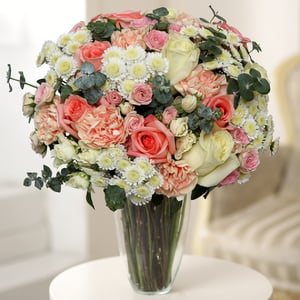
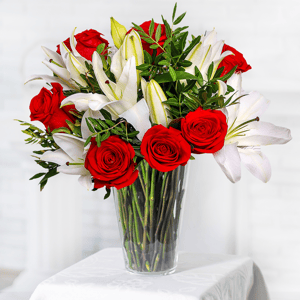
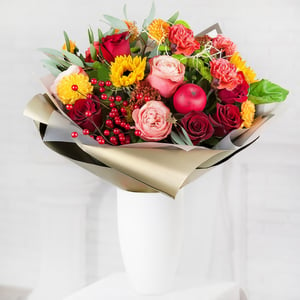
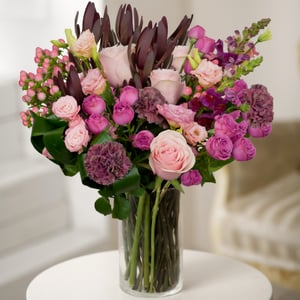
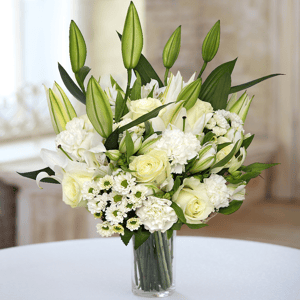
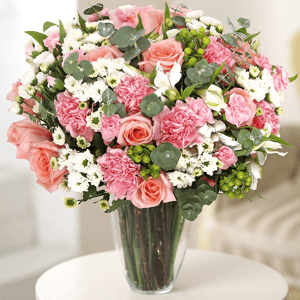
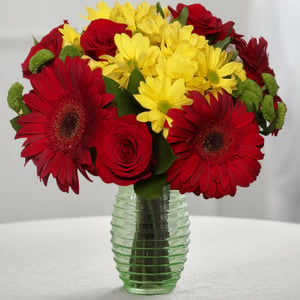
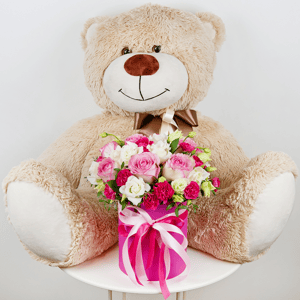
MyGlobalFlowers lets you order bouquets featuring many of these blooms, and local florists arrange each one fresh for hand-delivery. One thing I'd recommend keeping in mind: the final bouquet may vary slightly from the photo on the website, because florists use the freshest locally available stems. Honestly, that's a good thing. It means your arrangement is made with peak-quality flowers, not wilting stems forced to match a picture. Think of it as artisan craftsmanship — each bouquet is a one-of-a-kind creation.
How to care for fresh birth month flowers
Birth month flowers deserve to last as long as possible once they arrive. Here are practical care tips adapted for US homes and climates:
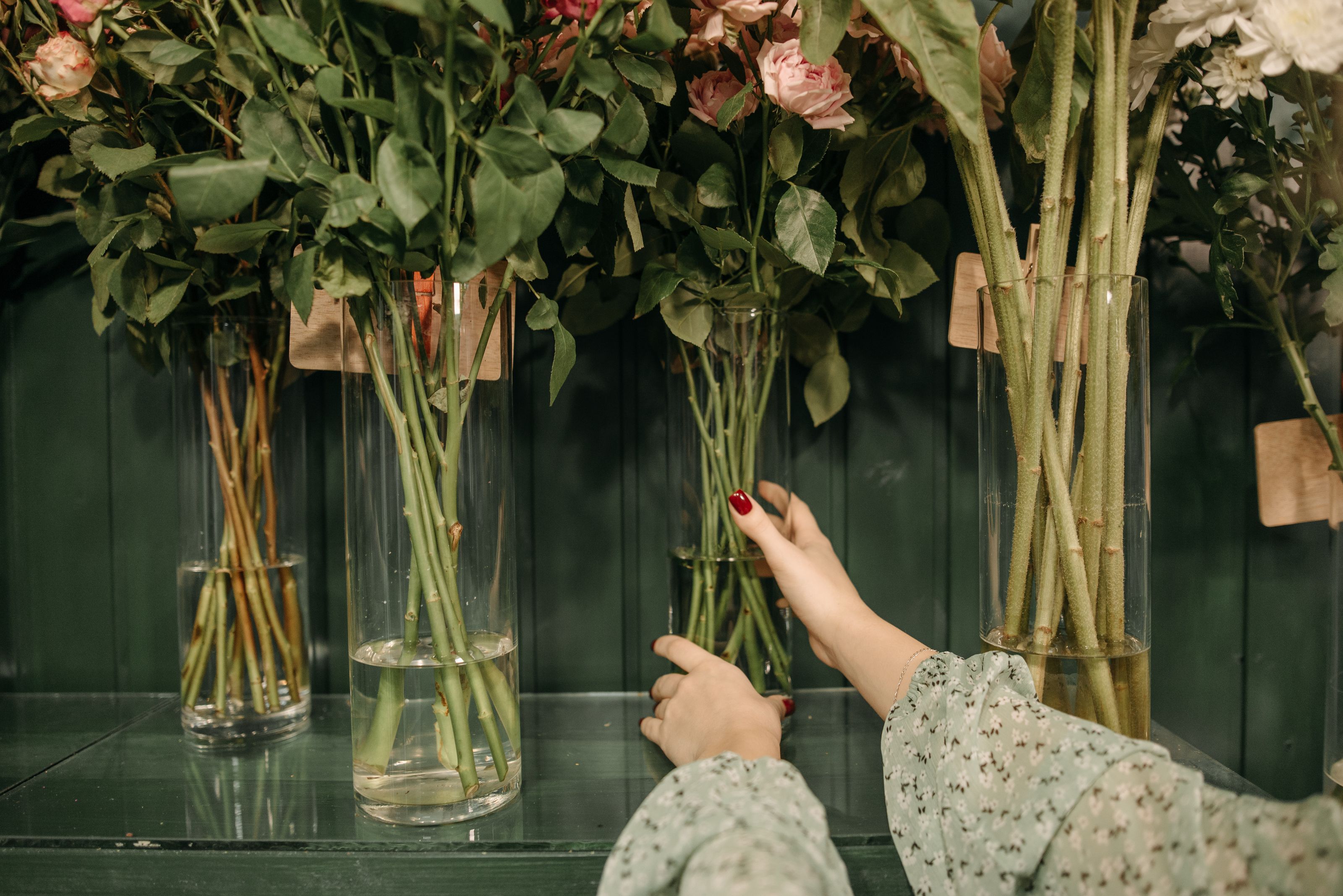
- Trim stems at a 45-degree angle before placing them in water. The angled cut increases the surface area for water absorption. Use sharp scissors or garden shears — dull blades crush the stems and block water uptake.
- Change the water every two days. Fresh, clean water prevents bacterial growth that shortens flower life. Add the flower food packet that comes with most bouquets — it contains sugar for energy and an antibacterial agent.
- Keep arrangements away from direct sunlight and heating vents. This is especially important during cold US winters, when indoor heating can dry flowers out fast. A spot near a window with indirect light works best.
- Remove wilting petals promptly. Dying petals release ethylene gas, which speeds up the aging process for neighboring blooms. Pluck fading petals and leaves daily to extend the life of the entire arrangement.
- Add a few ice cubes during summer heat waves. When indoor temperatures climb above 75°F, dropping two or three ice cubes into the vase helps keep the water cool and slows bacterial growth. This simple trick can add two to three extra days of freshness.
Common mistakes when choosing birth month flowers
Birth month flowers come with a few pitfalls that catch people off guard. Here are the most common mistakes — and how to avoid them:
- Picking flowers by color alone. You might love the look of a golden marigold, but if you're buying for someone born in June, the marigold doesn't carry the right birth-month connection. Always check the birth month flowers chart first, then choose colors within the correct flower type.
- Confusing daffodils and narcissus. This one trips up a lot of people. March's birth flower is the daffodil — the classic yellow, trumpet-shaped spring bloom. December's birth flower is the narcissus — specifically the paperwhite variety, which is white, fragrant, and blooms in winter. Both belong to the Narcissus genus, but they look and behave very differently. Don't accidentally send paperwhites for a March birthday or yellow daffodils for a December one.
- Assuming every source lists the same flowers. Minor variations exist between different floral authorities. Some lists assign poinsettia instead of narcissus for December, for example. The chart in this article follows the most widely accepted US tradition, which is recognized by the Society of American Florists. When in doubt, stick with this list.
- Forgetting about pet safety. Some birth flowers are toxic to cats and dogs. Lily of the valley (May) is highly toxic to both cats and dogs. Chrysanthemums (November) are toxic to cats. Poppies (August) can cause problems for pets too. If you're sending flowers to a pet-owning household, either choose pet-safe alternatives or include a note reminding your loved one to place the arrangement out of reach.
Why two flowers per month?
Birth month flowers didn't always come in pairs. So why do most months have two official blooms?
The answer has roots in both nature and commerce. In the 18th and 19th centuries, the association between flowers and calendar months developed organically through regional folklore and literary traditions. Different parts of Europe — and later, the US — favored different blooms for the same month, based on what grew locally. A flower that thrived in English gardens in March might not bloom until April in New England, so parallel traditions developed.
When the floral industry began standardizing birth month flower lists in the early 1900s, consolidating every regional preference into one universal list proved impossible. The compromise? Assign a primary flower (the most widely recognized bloom) and a secondary flower (an equally meaningful alternative). The dual system also gave consumers more choice. If someone didn't care for carnations (January's primary flower), snowdrops offered a beautiful alternative.
Seasonal availability played a huge role too. Some flowers — like lily of the valley — have a very short natural bloom season. Having a secondary option meant florists could always offer a birth-month-appropriate bloom, even outside peak season. With modern flower cultivation and global supply chains, seasonal limitations matter less than they once did, but the two-flower tradition remains firmly embedded in the official birth month flowers list.
November is the notable exception. Chrysanthemum stands alone as November's sole birth flower, probably because mums are so abundant and varied that a secondary flower felt unnecessary. With thousands of chrysanthemum cultivars in every color, shape, and size, November's single birth flower still offers enormous variety.
Final thoughts
Knowing someone's birth month flower adds a layer of meaning that transforms a simple bouquet into something memorable. It tells the person, "I didn't just grab whatever was on display — I chose something that's truly about you." That shift, from generic to intentional, is what turns a good gift into a great one.
Which birth month flower is yours? I'd love to know whether the symbolism resonates with your personality — it's almost eerie how often it does.
Explore the MyGlobalFlowers catalog to find a bouquet inspired by your birth flower — or surprise someone you love with theirs. Local florists arrange every order with the freshest blooms available and hand-deliver directly, so the person on the receiving end gets a one-of-a-kind arrangement made with care.
Surprise someone with their birth flower
Pick a bouquet, add a card explaining what the bloom means, and a local florist hand-delivers it.