EUR
 GBP
 CAD
 AUD

 🎃Halloween🎃
 Birthday
 Occasions
 Same Day
 Flowers
 Roses
 Plants
 Gifts
 International Flower Delivery
January Birth Flowers: Meaning and Symbolism
- 🌸 The January birth flower duo — carnation and snowdrop — gives you two very different ways to celebrate: carnations carry love and devotion across 12+ color meanings, while snowdrops signal hope and resilience.
- ❄️ Snowdrops bloom as early as late January in USDA zones 3–7, pushing through frozen ground, and carnations last up to 3 weeks in a vase with proper care.
- 💐 Pick carnations for bold, colorful birthday bouquets and snowdrops for gardens or symbolic gifts — both flowers pair well with winter greenery and other seasonal stems.
January claims two birth flowers — the carnation and the snowdrop — and together they carry over 2,000 years of symbolism. Whether you just found out your birth month flower or you want to pick a meaningful gift for someone born in January, understanding these blooms helps you choose with purpose. This guide breaks down what each January birth flower means, where each one came from, how each color shifts the message, and how to grow or care for both in a U.S. climate.
What are the birth flowers for January?
The birth flowers for January are the carnation (Dianthus caryophyllus) and the snowdrop (Galanthus nivalis). Most months in the Western birth flower tradition carry two blooms — one primary and one secondary. January's primary flower, the carnation, traces its symbolic roots to ancient Greece. The secondary flower, the snowdrop, draws its meaning from European folklore and Christian legend.
Why two flowers? The tradition started shifting in the early 20th century, when the Society of American Florists assigned specific flowers to each month. Over time, a second flower appeared for every month, partly for variety and partly because some blooms — like snowdrops — grow only in narrow seasons and regions. Having two options lets you match your gift, tattoo, or garden plan to the exact meaning you want.
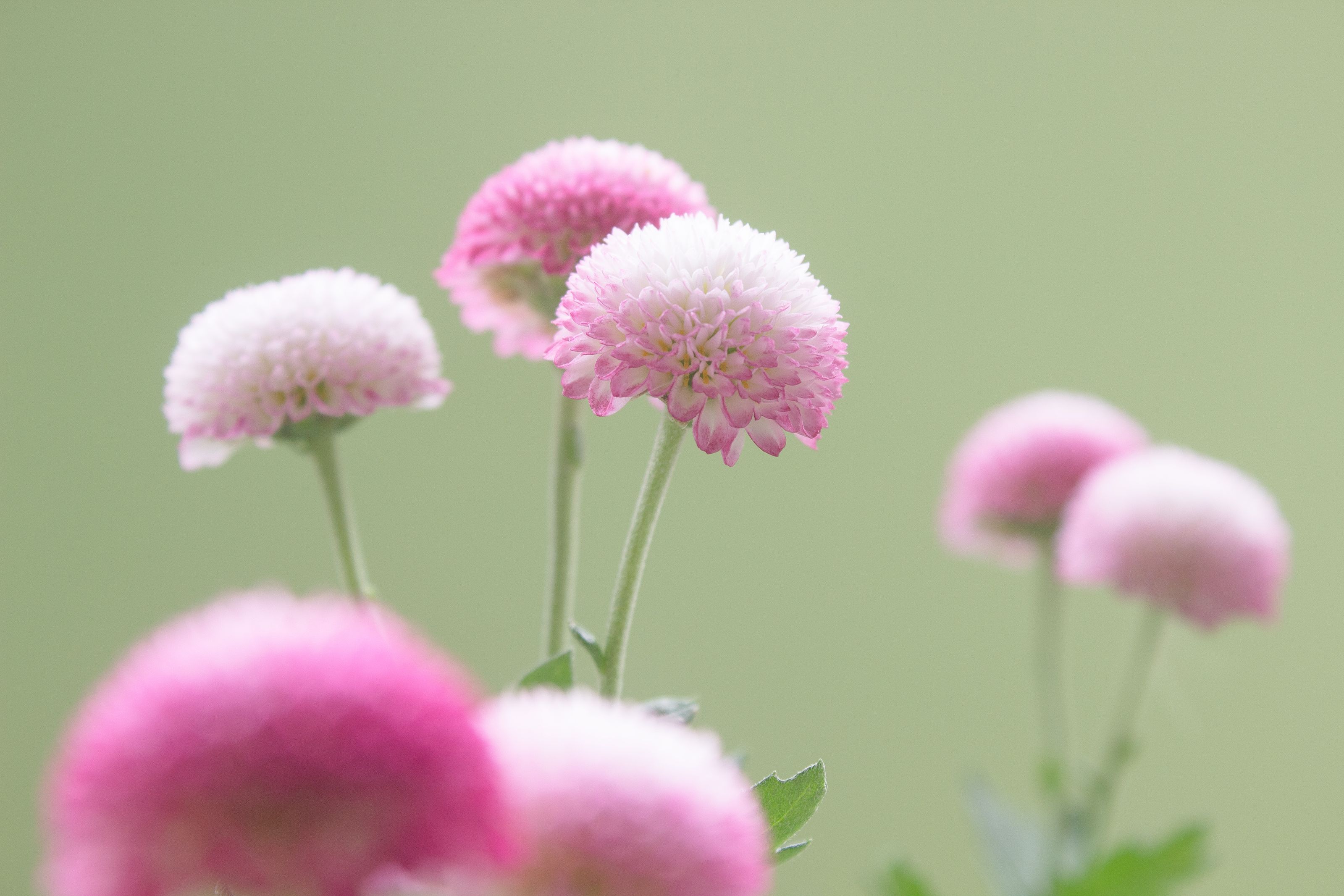
Carnation: January's primary birth flower
The carnation ranks among the oldest cultivated flowers on Earth. Greek botanist Theophrastus named the genus Dianthus around 300 B.C., combining the Greek words dios (god) and anthos (flower). That name translates to "flower of the gods." Pretty hard to top that introduction.
Carnation history and origins
Carnations likely originated in the Mediterranean region, near modern-day Greece and Italy. Roman citizens wove carnation garlands for ceremonies and celebrations. By the 1600s, carnation cultivation had spread across Europe, and Dutch and French growers developed hundreds of new varieties.
The flower reached American soil in the late 1800s. In 1904, Anna Jarvis chose a white carnation to honor her late mother at a memorial service in Grafton, West Virginia. That gesture helped inspire Mother's Day, which Congress officially recognized in 1914. Today, the U.S. floral industry sells over 100 million carnation stems each Valentine's Day alone.
January birth flower meaning: carnation color symbolism
Here's where carnations get genuinely interesting. Each color sends a distinct message:
- Red carnations express deep love and admiration
- Pink carnations carry gratitude and the memory of a mother's affection
- White carnations stand for purity, luck, and remembrance
- Yellow carnations signal disappointment or rejection — so choose carefully
- Purple carnations suggest capriciousness and unpredictability
- Light red (or dark pink) carnations communicate fondness and warmth
One lesser-known fact: in 1997, the Australian biotech company Florigene created the first genetically engineered carnation — a blue-violet bloom called "Moondust." The company inserted a gene from petunias to produce a color that carnations cannot achieve naturally. You can still buy Moondust carnations from specialty florists today.
How long do carnations last?
Cut carnations outlast most flowers. A fresh carnation bouquet keeps its color and structure for 14 to 21 days in a vase. Compare that to roses (5–7 days) or tulips (5–10 days). That longevity makes carnations a practical choice for January birthday gifts, especially when you want the arrangement to last through a celebration.
Caring for cut carnations at home
Follow these steps right after you receive or buy a carnation bouquet:
- Trim each stem at a 45-degree angle using sharp scissors or a knife
- Fill a clean vase with lukewarm water and flower food
- Remove all leaves below the waterline to prevent bacterial growth
- Place the vase away from direct sunlight, heating vents, and fruit bowls (fruit releases ethylene gas, which speeds wilting)
- Change the water every 2 days and re-trim stems by half an inch each time
In winter, U.S. homes run heaters constantly. That dry indoor air shortens vase life. A simple fix: mist the petals lightly once a day.



Snowdrop: January's secondary birth flower
The snowdrop — January's second birth flower — takes a completely different approach to beauty. Where carnations explode with color, snowdrops offer a quiet, almost fierce delicacy. Each white bell hangs from a single slender stem, rarely more than 4 to 6 inches tall.
Snowdrop history and folklore
Snowdrops grow wild across Europe, from the Pyrenees to Ukraine. The species Galanthus nivalis gets its name from the Greek gala (milk) and anthos (flower), plus the Latin nivalis (resembling snow).
Christian folklore connects snowdrops to the expulsion from Eden. The legend says that when Eve wept in the snow after leaving the Garden, an angel transformed her tears into snowdrops to give her hope for spring. That story cemented the snowdrop's association with consolation and new beginnings.
Victorian-era Britons had a more complicated relationship with snowdrops. Many Victorians refused to bring snowdrops indoors because a single bloom resembled a corpse wrapped in a shroud. Bringing snowdrops into the house, according to Victorian superstition, invited death. Outside the house? Totally fine. Inside? Bad luck.
Snowdrop January birth flower meaning
The snowdrop January birth flower meaning centers on three themes:
- Hope — snowdrops push through frozen soil, sometimes blooming while snow still covers the ground
- Rebirth — the earliest-blooming bulb in many U.S. and European gardens
- Consolation — historically given to comfort someone during grief
That combination of toughness and tenderness makes snowdrops a fitting symbol for people born in the coldest weeks of the year.
The world of snowdrop collectors
Dedicated snowdrop collectors call themselves galanthophiles, and some pay staggering prices. In 2022, a single bulb of Galanthus plicatus 'Golden Fleece' sold on eBay for £1,390 (roughly $1,750 USD at the time). The record-setting sale came from a collector in the United Kingdom. Rare snowdrop varieties with unusual markings — double petals, yellow ovaries, or green-tipped tepals — routinely fetch $50 to $300 per bulb in specialty markets.
Growing carnations in your U.S. garden
Carnations thrive in USDA hardiness zones 6 through 9. You can grow annual varieties in cooler zones (3–5), but perennial carnations need milder winters.
Quick growing guide:
- Soil: well-drained, slightly alkaline (pH 6.7–6.9)
- Sunlight: at least 6 hours of direct sun per day
- Spacing: 12 to 18 inches apart
- Watering: water at the base, not overhead — wet petals encourage fungal diseases
- Bloom time: late spring through early fall, depending on the variety
Pinch back young stems when they reach about 6 inches tall. Pinching encourages bushier growth and more blooms. Deadhead spent flowers regularly to keep the plant producing new buds through the season.
Growing snowdrops in your U.S. garden
Snowdrops perform best in USDA zones 3 through 7. The bulbs need cold winter temperatures to trigger blooming — a process called vernalization.
Key planting details:
- Planting time: September through November (plant bulbs "in the green" — while foliage still shows — or dry bulbs in fall)
- Depth: 3 inches deep, pointed end up
- Spacing: 3 inches apart, in clusters of 10 to 25 for visual impact
- Light: partial shade, especially under deciduous trees (snowdrops bloom before most trees leaf out)
- Soil: moist but not waterlogged, rich in organic matter
Snowdrops naturalize over time. A cluster of 25 bulbs can spread to 100+ bulbs within 5 years if left undisturbed. You can divide clumps right after flowering and replant the separated bulbs immediately.
One common mistake: buying dried-out bulbs from a discount bin. Snowdrop bulbs lack the protective papery coating that tulip and daffodil bulbs have. Dried snowdrop bulbs lose viability fast. Buy fresh bulbs from a reputable nursery, and plant within a few days of purchase.
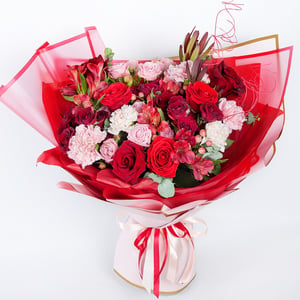
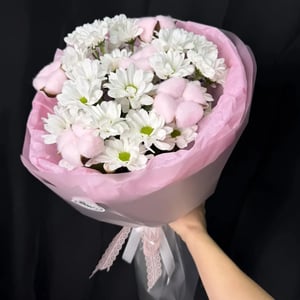
Looking for a January birthday bouquet?
Browse arrangements from local florists and pick one that suits the occasion.
How carnation and snowdrop represent January
Both January birth month flowers mirror the character of the month itself. January sits at the hinge between ending and beginning. Carnations, with their layered petals and long vase life, carry endurance. Snowdrops break through frost. Together, the two birth flowers for January celebrate persistence, quiet strength, and fresh starts.
For Capricorn birthdays (December 22 – January 19), carnations match Capricorn's reputation for discipline and lasting loyalty. For Aquarius birthdays (January 20 – February 18), snowdrops echo the Aquarian traits of originality and compassion — blooming when no other flower dares.

Choosing January birthday flowers: practical tips
Picking the right flower for a January birthday involves more than just knowing the birth month flower for January. Think about the person's taste, the occasion, and what's actually available.
Availability matters. Carnations are available year-round from every major florist. Local florists stock carnations in dozens of colors at any time in January. Snowdrops? Much harder to find as cut flowers. Most florists don't carry cut snowdrops because the stems are so short (3–6 inches). A potted snowdrop plant or a packet of snowdrop bulbs makes a better gift choice.
Pairing ideas for winter bouquets:
- Carnations + white roses + eucalyptus for a classic winter arrangement
- Carnations + hypericum berries + pine greenery for a seasonal, textured look
- Pink carnations + ranunculus + dusty miller for softer, romantic tones
- Red carnations + white lilies + baby's breath for Valentine's Day (February 14 comes right after January, so early planning helps)
Budget note: Carnations cost significantly less than roses, peonies, or orchids. A dozen carnation stems typically runs $8 to $15 USD at most U.S. florists. That price makes carnations one of the most budget-friendly options for full, lush arrangements.
January birth flower tattoo ideas
Birth flower tattoos have surged in popularity since 2019, according to Google Trends data. January's two flowers translate beautifully into ink.
Carnation tattoo styles:
- Fine-line single carnation on the wrist or ankle
- Botanical illustration with stem, leaves, and Latin name (Dianthus caryophyllus)
- Watercolor carnation on the shoulder blade, using birth month colors
Snowdrop tattoo styles:
- Minimalist cluster of 3 hanging bells
- Snowdrop pushing through cracked ice (a popular metaphor for resilience)
- Paired with a Capricorn or Aquarius zodiac symbol
A good tattoo artist will ask about scale and placement. Snowdrops work well at small sizes because of their simple shape. Carnations need slightly more space — those ruffled petals lose detail below about 2 inches.

Common mistakes with January birth flowers
Mistake 1: Confusing "cheap" with "boring." Carnations get dismissed as filler flowers. That reputation comes from their low price and their frequent use in grocery store bunches. But a well-arranged carnation bouquet — monochrome, in a single bold color — looks striking. Don't underestimate a flower that the ancient Greeks named after their gods.
- ✗Mistake 2: Planting snowdrop bulbs too late. Snowdrop bulbs need to go into the ground before the first hard freeze. Planting in December or January rarely works. September or October gives the bulbs enough time to establish roots.
- ✗Mistake 3: Giving yellow carnations as a romantic gift. Yellow carnations traditionally mean rejection or disappointment. Stick with red, pink, or white for birthdays and anniversaries.
- ✗Mistake 4: Skipping the water change. Carnations last 2–3 weeks, but only if you refresh the water every other day. Stagnant water breeds bacteria that clogs stems and kills the flowers faster.
Your turn
The January birth flower carries real weight — centuries of mythology, a practical growing season, and a color language that says exactly what you mean. Pick carnations when you want bold, lasting color. Choose snowdrops when you want to honor someone's quiet strength. Or go with both.
What flower would you pick for a January birthday — the one the Greeks called divine, or the one that blooms through snow? Browse our birthday flower collection to find arrangements featuring carnations and other seasonal stems, hand-delivered by local florists near you.
Send flowers today
Choose your bouquet, add a message, and let a local florist hand-deliver it.