 EUR
EUR
 GBP
GBP
 CAD
CAD
 AUD
AUD

 🎃Halloween🎃
 Birthday
 Occasions
 Same Day
 Flowers
 Roses
Roses
 Plants
 Gifts
Gifts
 International Flower Delivery
Easter Lily & Easter Flowers Guide
- 🌿 The Easter lily (Lilium longiflorum) thrives in bright indirect light at 60–68 °F and can rebloom outdoors in USDA zones 4–8 when you transplant the bulb after flowering.
- ⚠️ Every part of the Easter lily plant — pollen, petals, leaves, stems — poses a potentially fatal toxicity risk to cats, so keep the plant out of any home with feline residents.
- 💐 Beyond the classic white trumpet Easter lily, you can build spring Easter flower arrangements with tulips, daffodils, hyacinths, ranunculus, and the unrelated Easter lily cactus for a longer-lasting display.
The Easter lily sells roughly 10 million pots each year across the United States, making this fragrant trumpet-shaped flower the fourth best-selling potted plant in the country. You want to know why this particular bloom dominates church altars, dining tables, and front porches every spring — and how to keep yours alive long after the holiday. This guide covers everything from the Easter lily's religious roots and color varieties to indoor care, outdoor planting, cat safety warnings, and creative Easter flower arrangements. Whether you just picked one up at the grocery store or you're planning an entire Easter flower display, you'll find practical, no-fluff answers here.
What exactly makes the Easter lily so special?

The Easter lily (Lilium longiflorum) originated on the Ryukyu Islands of southern Japan. A World War I soldier named Louis Houghton brought suitcases of the bulbs to the southern Oregon coast in 1919. That single act launched a billion-dollar industry.
Today, roughly 95% of all Easter lily bulbs sold in North America come from a narrow 10-mile coastal strip along the Oregon-California border. About 10 farms operate in that region, concentrated near the town of Smith River, California, and Brookings, Oregon. Growers harvest bulbs in the fall, and commercial greenhouses force the bulbs to bloom precisely in time for Easter Sunday — a date that shifts between March 22 and April 25 each year.
The trumpet Easter lily flower typically reaches 3 to 4 inches long. A mature Easter lily plant stands 2 to 3 feet tall. The bloom releases a sweet, heavy fragrance, especially at night.
So what sets this bloom apart from every other spring flower? Timing. Growers manipulate temperature and light exposure over a 120-day forcing schedule to coax blooms for a single holiday. No other potted plant goes through such precise choreography.
Easter lily meaning and religious symbolism








Easter lily meaning runs deep in Christian tradition. The white Easter lily represents purity, hope, and resurrection. Churches across the U.S. display hundreds of these plants on Easter Sunday — some large congregations order 50 to 200 pots each year to line the altar.
The association between lilies and faith predates Christianity. Ancient Middle Eastern cultures linked the lily to motherhood and fertility. Early Christian artists placed white lilies in depictions of the Virgin Mary, calling them "Madonna Lilies" (Lilium candidum). The Easter lily gradually replaced the Madonna Lily in American churches during the 1940s and 1950s because Lilium longiflorum forced more reliably in greenhouses.
Religious Easter flowers go beyond lilies alone. Many churches combine white Easter lily plants with white roses, gardenias, and baby's breath to create altar displays. These religious Easter flower arrangements typically use exclusively white blooms to reinforce the resurrection theme.
A quick note for anyone gifting: the Easter lily meaning also extends to sympathy. Funeral florists frequently use these same trumpet blooms year-round.
Easter lily care indoors: keeping your plant alive
Easter lily care indoors starts the moment you bring the pot home. Follow these steps and your blooms can last 2 to 3 weeks.
Light and temperature
Place the Easter lily plant near a bright window with indirect sunlight. Direct afternoon sun scorches the leaves. The plant thrives between 60 and 68 °F during the day and slightly cooler at night — around 55 °F. Keep the pot away from heating vents and direct radiator heat.
Watering your Easter lily
Water the Easter lily when the top inch of soil feels dry. Poke your finger straight into the potting mix. Dry? Water thoroughly until liquid drains from the bottom. Soggy soil kills bulbs fast. Remove decorative foil wrapping from the base — foil traps moisture and invites root rot.
Extending bloom life
- Remove the yellow pollen-bearing anthers from each open flower using a tissue or small scissors.
- Cut spent blooms at the base of the flower head as soon as petals wilt.
- Feed the plant with a balanced liquid fertilizer (10-10-10) diluted to half strength every 2 weeks.
- Turn the pot a quarter turn daily so the stem grows straight toward the light.
These four steps extend indoor bloom time by roughly a week. One more thing — never place an Easter lily near a fruit bowl. Ripening fruit releases ethylene gas, and ethylene accelerates flower drop.
Easter lily care outdoors: transplanting after the holiday

Easter lily care outdoors gives your spent holiday plant a second life. In USDA hardiness zones 4 through 8, Easter lily bulbs can overwinter in the ground and rebloom naturally in July.
When to transplant
Wait until all blooms have faded and nighttime temperatures stay consistently above 40 °F. In most of the U.S., that window falls between mid-April and late May.
How to plant Easter lily bulbs
- Choose a garden spot with full morning sun and afternoon shade.
- Dig a hole 6 inches deep and mix in 2 inches of compost at the bottom.
- Remove the bulb from the pot and gently shake off loose potting soil.
- Set the bulb in the hole with the root side facing down.
- Backfill with garden soil and press firmly.
- Water deeply — give the planted area about 1 inch of water.
- Spread 2 to 3 inches of mulch (shredded bark or straw) around the stem to regulate soil temperature.
Cut the stem back to soil level after the foliage yellows naturally in late summer. New shoots emerge the following spring, and the Easter lily flower appears in mid-to-late July — the plant's natural bloom season.
Overwintering Easter lily bulbs
In zones 4 and 5, add an extra 3 to 4 inches of mulch before the first frost. Remove excess mulch in early spring once daytime temperatures reach the mid-40s °F consistently. In zones 6 through 8, standard mulching handles winter protection adequately.
Easter lily colors: beyond the classic white


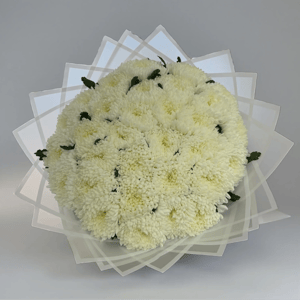



The classic white Easter lily dominates the market — but color varieties exist, and buyers frequently search for them.
White Easter lily
The standard Lilium longiflorum cultivar "Nellie White" accounts for the overwhelming majority of commercial production. Grower Earl White of Brookings, Oregon, introduced this cultivar in 1967. "Nellie White" produces 5 to 8 blooms per stem and remains the industry benchmark.
Yellow Easter lily
True yellow Easter lilies don't exist in the Lilium longiflorum species. When people search for "yellow Easter lily," they usually mean one of two things: Asiatic hybrid lilies in lemon or golden hues, or the yellowing leaves of a struggling white Easter lily. For a genuine yellow trumpet-shaped lily, look at Lilium "Golden Splendor" or Lilium "Connecticut King." Local florists can source these during the spring season.
Pink Easter lily
Similarly, pink Easter lily options aren't Lilium longiflorum. Oriental lily hybrids like "Stargazer" or "Sorbonne" offer pink trumpet-shaped blooms. Florists often include pink lilies in spring Easter flower arrangements alongside white Easter lilies for contrast.
Easter lily cactus: a completely different plant
The Easter lily cactus (Echinopsis oxygona) shares a common name but has zero botanical relation to the true Easter lily. This round, spiny South American cactus produces spectacular funnel-shaped flowers — up to 8 inches long — in white, pink, lavender, or red. Blooms open at night and last about 24 hours.
Easter lily cactus care differs entirely from lily care. The cactus needs sandy, fast-draining soil, full sun for at least 6 hours daily, and minimal water. Let the soil dry completely between waterings. In USDA zones 8b through 11, the Easter lily cactus survives outdoors year-round. Everywhere else in the U.S., grow the Easter lily cactus as an indoor plant near a south-facing window.
The cactus blooms naturally around Easter — hence the name. Expect peak flowering from late March through May.
Easter lily toxic to cats: a critical warning
A meaningful Easter gift starts with the right bloom
Choose a seasonal arrangement that feels fresh, thoughtful, and right for the occasion.
Here's something every cat owner needs to know. The Easter lily ranks among the most dangerous plants for cats. The ASPCA lists all parts of Lilium longiflorum — flowers, leaves, stems, pollen, even the water in the vase — as severely toxic to felines.
A cat that ingests even a small amount of lily material can develop acute kidney failure within 24 to 72 hours. Symptoms include vomiting, lethargy, loss of appetite, and excessive thirst. Without veterinary treatment within 18 hours of ingestion, kidney damage may become irreversible.
The Pet Poison Helpline (855-764-7661) reports that lily poisoning cases spike every Easter season. Roughly 1 in 3 emergency calls about plant toxicity during the Easter weekend involves lilies.
If you have cats, do not bring Easter lily plants into your home. Period. Choose cat-safe Easter flowers instead: roses, orchids, snapdragons, sunflowers, or gerbera daisies. The Easter lily cactus (Echinopsis) also poses no toxicity risk to cats and offers a holiday-themed alternative.
Easter flowers: names, types, and seasonal picks
What are Easter flowers beyond the lily? The holiday coincides with peak spring bloom season across much of the U.S., so you have dozens of gorgeous options. Here's a rundown of the most popular Easter flower types.
Spring Easter flowers for arrangements
- Tulips — Dutch tulips bloom from March to May; choose from over 3,000 registered cultivars in virtually every color.
- Daffodils — Bright yellow Easter flowers that naturalize easily; toxic to most pets, but less lethal than lilies.
- Hyacinths — Dense, fragrant flower spikes in purple, white, pink, and blue; each stem holds 30 to 60 tiny florets.
- Ranunculus — Ruffled, rose-like blooms available in pastels; each stem lasts 7 to 10 days in a vase.
- Freesia — Slender stems carry 5 to 10 tubular flowers with a citrus-like scent.
- Peonies — Early-season peonies from California farms arrive in late March; expect to pay $8 to $15 per stem during Easter week.
- Irises — Tall purple, blue, or white blooms that add vertical drama to any Easter flower bouquet.
Happy Easter flowers to gift
Happy Easter flowers work as gifts for hosts, neighbors, and family. Potted Easter plants like tulips, daffodils, and mini roses give recipients something they can enjoy for weeks. A blooming orchid lasts months with minimal care. For a traditional look, a classic white Easter lily plant remains the go-to.
When you order flowers for Easter through a delivery service, local florists typically hand-deliver the arrangement within a same-day or next-day window. Place orders at least 3 to 5 days before Easter Sunday to guarantee availability — florists sell out fast during the holiday rush.
Easter flower arrangements for church
Easter flower arrangements for church follow specific aesthetic and symbolic guidelines. Most congregations prefer white-dominant displays to reflect resurrection themes. Here's how churches typically build their Easter floral program.
Common flowers for church arrangements
- White Easter lilies form the backbone of most altar displays.
- White roses and hydrangeas fill gaps and add volume.
- Greenery like salal, ruscus, and fern fronds provide contrast.
- Some churches add yellow Easter flowers — daffodils, forsythia branches, or yellow roses — to evoke sunrise and new light.
Sizing and placement
Large churches often place matching arrangements on both sides of the altar, each standing 24 to 36 inches tall. Smaller congregations line the altar rail with individual Easter lily pots — sometimes 20 to 50 pots across. Many churches invite congregants to purchase a lily "in memory of" or "in honor of" a loved one, printing the dedications in the Easter Sunday bulletin.
Easter flower arrangement tips for home
Building your own Easter flower arrangement at home? Start with a 6-inch vase. Place 3 to 5 stems of white lilies as the focal point. Add 5 to 7 stems of filler flowers — ranunculus, spray roses, or waxflower. Tuck in eucalyptus or pittosporum for greenery. Cut stems at a 45-degree angle under running water. Change the vase water every 2 days. An arrangement built this way lasts 7 to 10 days in a cool room.
Easter flower bouquets from professional florists often include mixed spring blooms — tulips with hyacinths, lilies with roses. Prices for Easter bouquets typically range from $45 to $120 USD depending on size and flower selection.
Common mistakes with Easter lily plants
Plenty of people make the same errors year after year. Let's fix that.
Overwatering. More Easter lily plants die from soggy soil than from neglect. Water only when the top inch of soil feels dry.
Ignoring foil wrapping. Decorative foil traps drainage water against the roots. Punch holes in the bottom or remove the foil entirely.
Placing near drafts. Cold drafts from exterior doors or warm blasts from HVAC vents stress the Easter lily plant. Stable temperature matters more than warmth.
Skipping the anther removal. Pollen stains fabric, skin, and furniture. The orange pollen from the Easter lily flower leaves nearly permanent marks on white tablecloths. Remove anthers before they open fully.
Tossing the plant after Easter. Many gardeners don't realize the Easter lily bulb survives transplanting. A $10 potted plant can produce blooms in your garden for years.
How to choose the best Easter lily at the store
Not all Easter lily plants at the grocery store or nursery look equal. Here's what to check before you buy.
Pick a plant with buds in various stages — a couple open, several still closed. A plant with all blooms fully open has already peaked. Look at the leaves: deep green, dense foliage from the soil line to the flower buds signals a healthy root system. Yellowing lower leaves suggest root stress or overwatering at the nursery.
Check the stem. A sturdy stem stands straight without staking. Wobbly stems with gaps between leaves may indicate the plant grew under poor lighting.
Smell matters too. A healthy Easter lily flower emits a strong, sweet fragrance. No scent? The plant may have sat in a cold storage unit too long.
Your next move with Easter flowers
Ready to send a springtime gesture?
Choose a beautiful arrangement and turn your Easter message into something they can enjoy.
Choosing the right Easter lily — or any spring Easter flower — comes down to knowing what you need it for. Church altar? Go with classic white Easter lily plants in 6-inch pots. Gift for a cat-owning friend? Switch to roses, orchids, or an Easter lily cactus. Decorating your own dining table? Build a mixed Easter flower arrangement with tulips, ranunculus, and a few lily stems.
What combination will you try this year? Explore seasonal Easter flowers at and let local florists put together something your guests won't forget.