EUR
 GBP
 CAD
 AUD

 Birthday
 Same Day
 Occasions
 Flowers
 Roses
 Plants
 Gifts
 International Flower Delivery
Sympathy Flowers
- 🌿 White lilies, roses, and chrysanthemums remain the most widely chosen condolence flowers in the U.S., each carrying a distinct meaning — from innocence to honor to loyalty — so match the bloom to the relationship.
- 📦 Local florists typically need a same-day order placed before noon to guarantee delivery to a funeral home or private residence by 5 PM.
- 💐 Sending sympathy flowers for the home — potted orchids, peace lilies, or a hand-tied bouquet — often means more than a funeral spray because the family sees them daily for weeks.
Condolence flowers reach roughly 80% of American funerals and memorial services each year, according to the Society of American Florists. That number tells you something: blooms still carry weight when words feel thin. You're reading this because someone you care about just lost a loved one — or because you want to prepare for a moment no one enjoys but everyone faces. This guide walks you through which grief flowers to choose, what each bloom symbolizes, how to send sympathy flowers without making an etiquette misstep, and how to keep arrangements fresh once they arrive at the home.
Condolence flowers and why they still matter
Condolence flowers do something a text message can't: they take up physical space in a grieving person's world. A vase on the kitchen counter. A wreath near the casket. A potted plant on the windowsill three months later. That physical presence reminds a bereaved family that people showed up — literally and figuratively.
Roughly 67% of Americans say flowers rank as the most appropriate gesture after a death in the family, per a 2023 Harris Poll survey commissioned by the American Floral Endowment. That statistic holds across age groups 25–65+.
Here's what matters: you don't need to pick the "perfect" arrangement. You need to pick something real, send sympathy flowers on time, and include a short note. The rest of this article helps you do exactly that.

Which flowers represent grief and loss?
Flowers that symbolize grief share a few traits — soft colors, gentle fragrances, and long cultural histories. Below are 8 blooms used most often as flowers for condolences, along with the specific meaning each one carries.
Lilies
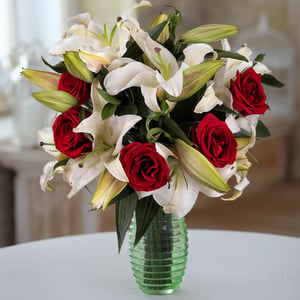
White lilies — especially Stargazer and Casablanca varieties — top the list. Lilies represent the restored innocence of the departed soul. A single stem measures 6–8 inches across, making lilies dramatic on their own. One heads-up: lily pollen stains fabric permanently. Snap off the orange anthers with a tissue before placing lilies in a room.
Roses
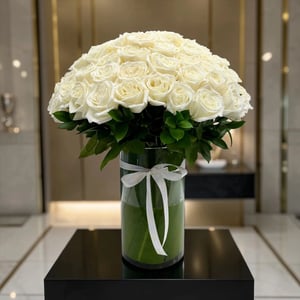
White roses signal reverence. Red roses express love and courage. Pink roses convey gratitude. A dozen long-stem white roses typically costs $50–$75 USD through a local florist. Roses remain the go-to flower for sympathy in the U.S. because nearly everyone recognizes them.
Chrysanthemums
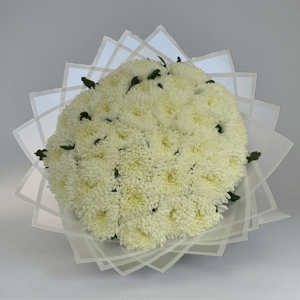
In the United States, chrysanthemums symbolize loyalty and honor. In many European countries — France, Belgium, Italy — mums carry a strictly funerary meaning and appear almost exclusively on graves. For American services, white or yellow chrysanthemums fit comfortably in mixed sympathy arrangements.
Carnations
White carnations stand for pure love and innocence. Pink carnations mean "I will never forget you." Carnations last 14–21 days in a vase with fresh water, making them one of the longest-lasting grief flowers you can buy.
Orchids
Potted phalaenopsis orchids — the moth orchid — work beautifully as sympathy flowers for the home. A well-cared-for orchid blooms for 2–3 months and re-blooms with proper care. Orchids represent eternal love. Price range: $40–$90 USD for a single-stem potted plant.
Gladioli
Gladioli stand for strength of character. Standing funeral sprays often feature gladioli because the tall spikes (up to 4 feet) create a striking vertical line. Gladioli carry a Roman association — the name comes from "gladius," meaning sword.
Forget-me-nots
The name says everything. Forget-me-nots symbolize lasting memory and true love. These tiny blue flowers work best as accents in mixed bouquets rather than stand-alone arrangements.
Hyacinths
Purple hyacinths mean "I am sorry" and "please forgive me." Blue hyacinths represent constancy. Hyacinths bloom in early spring, so florists source them most easily between February and April.
Condolence flower arrangements: types and when to use each
Not every situation calls for the same style. A standing spray beside a casket serves a different purpose than a bouquet on a friend's dining table. Here's a breakdown.
Standing sprays and wreaths
Standing sprays anchor a funeral or visitation. A florist builds them on an easel, and the arrangement faces the room. Wreaths — circular designs — symbolize eternal life. Typical cost: $100–$250 USD. Funeral homes display standing sprays during the service, and the family often donates or distributes them afterward.
Casket sprays
The immediate family typically orders the casket spray. This arrangement rests on top of the closed casket or on the lower half of an open casket. If you're not a close relative, skip this option. Let the family handle it.
Sympathy bouquets for the home
A hand-tied bouquet or a vase arrangement sent directly to a grieving friend's home carries a personal, intimate tone. These flowers for someone grieving arrive without the formality of a funeral setting. Many people send sympathy flowers for the home 1–2 weeks after the service — a thoughtful gesture because the crowds have left and the quiet has set in.
Potted plants and dish gardens
A peace lily (Spathiphyllum) or a succulent dish garden lasts far longer than cut flowers. Peace lilies thrive in low-light rooms and tolerate inconsistent watering. Dish gardens — small collections of green plants in a shared container — cost $35–$60 USD and give the recipient something to tend during a difficult stretch.
Funeral baskets
Basket arrangements sit on a table or the floor. They suit both the service and the home. A funeral basket typically uses a mix of roses, lilies, and greenery in whites, creams, and soft pinks.

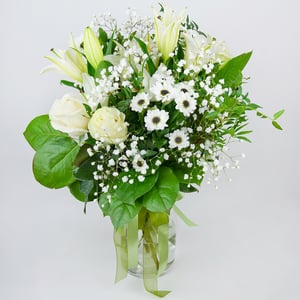
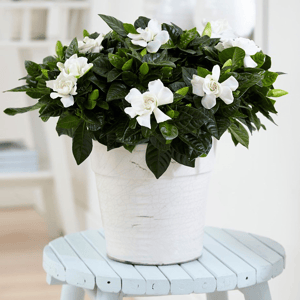
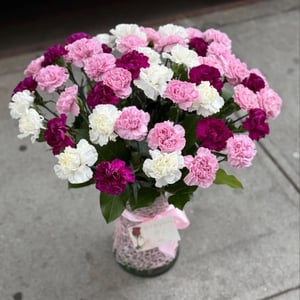
How color changes the message of your condolence flowers
- Color carries meaning. Get this wrong and you send an unintended signal.
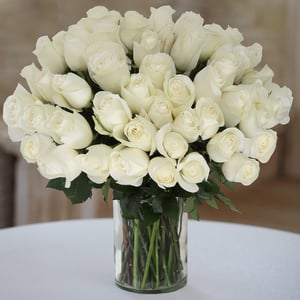
- White communicates purity, peace, and spiritual reverence — the safest default for any bereavement situation.
- Soft pink communicates grace, admiration, and gentle love — a strong choice for a female relative or close friend.
- Lavender and purple communicate dignity, sorrow, and respect — purple hyacinths and lavender roses fit well in sorry-for-your-loss flowers.
- Deep red communicates grief rooted in love — reserve red roses for a spouse, partner, or parent.
- Yellow communicates friendship and warmth — suitable when you're sending flowers for a grieving friend, less traditional for formal services.
- Bright orange or hot pink communicates celebration of life — use these only when the family specifically requests a "celebration of life" tone.
- One quick rule: when you don't know the family's preferences, stick with whites and greens. You won't misstep.
When and where to send sympathy flowers
Timing trips people up more than flower choice does. Here's a direct breakdown.
Sending to a funeral home
Contact the funeral home first. Ask for the full name of the deceased, the date and time of the visitation or service, and the delivery address. Most funeral directors accept flower deliveries starting 2–3 hours before the visitation. Local florists generally need your order by noon to guarantee same-day delivery by 5 PM.
Sending to a private residence
Flowers for a death in the family can arrive at the home before or after the service. Many etiquette experts — including those at the Emily Post Institute — say the most meaningful window falls 1–7 days after the funeral, when the initial flood of support has slowed. A second arrangement 3–4 weeks later makes an even deeper impression.
Sending to a church or place of worship
Some religious traditions restrict flowers. Orthodox Jewish shiva observances typically do not include floral arrangements; food baskets or charitable donations suit these situations better. Catholic, Protestant, and most non-denominational Christian services welcome flowers. Buddhist services often accept white flowers. Always confirm with the family or the venue.
Sending condolence flowers from across the country
You're in Los Angeles and the service takes place in Boston. No problem. Order through a service that routes your request to a local florist in the delivery city. The florist hand-delivers the arrangement — fresh, that day. MyGlobalFlowers connects you to florists in over 150 countries and most U.S. cities for exactly this kind of situation.
How to choose flowers for a grieving family: 6 practical tips
- Choosing flowers for bereavement feels daunting when you're emotional. These steps strip away the guesswork.
- Start with the relationship. A coworker's parent died? Send a modest vase arrangement ($40–$60 USD). Your best friend's spouse passed? Go bigger — a premium bouquet or potted orchid ($75–$120 USD).
- Check cultural norms. In some Latino communities, white and purple flowers are standard. In many Asian cultures, white chrysanthemums carry strong funereal meaning — and carnations may be more appropriate for Korean families.
- Consider longevity. Cut flowers last 5–10 days. A potted peace lily thrives for years. Dried flower wreaths — growing in popularity since 2020 — last indefinitely.
- Read the obituary. It often specifies "in lieu of flowers, donate to…" Respect that request. Send a card instead.
- Include a handwritten note. Even two sentences outweigh a pre-printed card. Write the person's name. Mention a specific memory. Keep it short.
- Skip the glitter, balloons, and bright ribbons. Funeral homes and grieving families find them jarring.
Looking for the right tribute?
Browse arrangements from local florists and pick one that suits the occasion.
Sorry for your loss flowers: what to write on the card
- The card matters as much as the arrangement. Here are 5 real examples — no clichés, no filler.
- "Mike brought so much laughter into every room. Thinking of you and holding that memory close."
- "I loved your mom's blueberry pie and her laugh. She made every visit feel like home."
- "No words feel right, so I won't pretend. I'm here, and I'm not going anywhere."
- "Your dad taught me to fish when I was 12. That kind of patience stays with a person."
- "I won't say I understand, because I don't. But I care about you, and I'm a phone call away."
- Notice the pattern. Name the person. Share a detail. Skip "sorry for your loss" if you can manage something more specific.
How to care for sympathy flowers after they arrive
A grieving family shouldn't have to worry about wilting bouquets. If you're the recipient — or someone helping out — follow these steps.
The first 10 minutes
- Remove the wrapping immediately.
- Trim 1 inch off the bottom of each stem at a 45-degree angle.
- Fill a clean vase with cool water and add the provided flower food packet.
- Pull any leaves that sit below the waterline — submerged leaves breed bacteria.
Day-to-day upkeep
Change the water every 48 hours. Re-trim stems by half an inch each time. Keep flowers away from direct sunlight, heating vents, and fruit bowls — ripening fruit releases ethylene gas, which accelerates wilting.
Climate considerations for the U.S.
Summer months in the South (90°F+) cut flower life by 30–50%. Keep arrangements in air-conditioned rooms, ideally at 65–72°F. In dry Western states — Arizona, Nevada, Colorado — mist delicate blooms like hydrangeas once daily to prevent browning.
Potted plant care
Peace lilies need indirect light and water once per week. Yellow leaves mean overwatering; brown tips mean underwatering. Orchids prefer bright, indirect light and ice-cube watering (place 3 ice cubes on the soil once a week, according to the orchid care team at the Cleveland Botanical Garden).

Common mistakes when sending flowers for condolences
- Even well-meaning gestures backfire. Avoid these 5 blunders.
- Ordering too late. A standing spray that arrives after the service ends serves no purpose at the venue. Order 24 hours before the event whenever possible.
- Choosing overly festive colors. A bright sunflower arrangement screams "birthday," not "bereavement." Save the bold tones for celebrations of life.
- Forgetting to confirm the delivery address. Funeral homes sometimes share a building or campus with other facilities. Include the full name of the deceased on the delivery card so the staff routes the flowers correctly.
- Sending flowers when the family asked for donations. Read the obituary. Respect the family's wishes.
- Skipping the card. An arrangement without a note is an anonymous gesture. The family will spend energy guessing who sent it — energy they don't have right now.
Beyond flowers: additional ways to show sympathy
- Flowers for loss aren't the only option. Pairing blooms with another gesture multiplies the impact.
- Meal delivery gift cards ($25–$50 to DoorDash, Grubhub, or a local restaurant) ease the burden of cooking.
- Charitable donations in the deceased's name honor the family's request and carry a lasting legacy.
- Memory books or custom photo frames give the family a tangible keepsake to revisit.
- A second bouquet 3–4 weeks later says "I still remember." Most people forget by then. You won't.
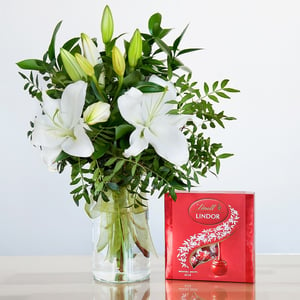
- Some online services — MyGlobalFlowers among them — let you add chocolates, a plush bear for a child, or a personalized card to your sympathy flower order. These small extras soften a heavy day.


Flowers that represent loss across different cultures
Loss is universal. Floral customs are not.
| Culture | Preferred blooms | Colors to use | Colors to avoid |
|---|---|---|---|
| American (general) | Lilies, roses, carnations | White, soft pink, lavender | Bright red, orange |
| Mexican / Mexican-American | Marigolds (cempasúchil), white roses | Orange (Día de los Muertos), white | None specific |
| Korean-American | Chrysanthemums, carnations | White | Red for the elderly |
| Hindu-American | Marigolds, jasmine, lotus | White, yellow | None specific |
| Jewish-American | Typically none (donations preferred) | N/A | N/A |
| Catholic-American | Lilies, roses, gladioli | White, purple, cream | Neon or bright |
This table covers major U.S. communities. Always ask the family or a close friend when in doubt.
What makes condolence flower arrangements different from regular bouquets?
- Condolence flower arrangements differ from birthday or anniversary bouquets in 4 ways.
- Color palette. Sympathy designs lean toward muted tones — whites, creams, soft pinks, and lavenders.
- Scale. Funeral sprays and wreaths run larger (36–48 inches tall) to fill the visual space of a service venue.
- Structure. A florist builds sympathy pieces on foam, wire, or easel frames — not just in a vase.
- Add-ons. Ribbons bearing the relationship ("Beloved Mother," "Dear Friend") appear on funeral pieces but rarely on everyday bouquets.
- A sorry-for-your-loss bouquet sent to someone's home, though, can look like any tasteful arrangement. Simplicity often speaks louder than extravagance.
A personal note
Grief doesn't follow a calendar. Neither should your support. The bouquet you send on the day of the funeral matters. The small potted plant you drop off a month later matters even more. Pick flowers that feel honest, write something real on the card, and don't overthink the rest.
If someone you love lost someone they love — reach out today. Browse sympathy bouquets, potted plants, or wreaths in the MyGlobalFlowers catalog and let a local florist handle the rest.
Send sympathy flowers
Choose your bouquet, add a message, and let a local florist hand-deliver it.
Frequently asked questions about condolence flowers
What flower represents grief most clearly?▾
The white lily carries the strongest association with grief in American culture. Purple hyacinths also represent sorrow and apology. Both work well in sympathy arrangements.
How much should you spend on sympathy flowers?▾
Most Americans spend $50–$150 USD on bereavement flowers, depending on the relationship. A coworker's family might receive a $50 vase arrangement. A close friend or relative warrants $100–$150 or more.
Can you send condolence flowers after the funeral?▾
Absolutely. Many etiquette experts recommend sending flowers 1–2 weeks post-service, when daily life resumes and the silence grows louder. A late bouquet often carries more emotional weight than one among dozens at the funeral home.
What flowers should you avoid sending for a death?▾
Avoid bright, celebratory blooms like sunflowers or gerbera daisies unless the family requests a "celebration of life" theme. Skip red roses unless you had a deeply personal, romantic connection with the deceased.
Do you send flowers for condolences to the funeral home or the family's house?▾
Both options work. Formal arrangements (wreaths, standing sprays) go to the funeral home. Personal bouquets and potted plants go to the family's residence. Sending to the home after the service shows lasting thoughtfulness.
What do you write on a sympathy card?▾
Name the deceased. Share one specific memory or quality. Keep the message under 4 sentences. Avoid generic phrases like "they're in a better place" — unless you know the family shares that belief.