 EUR
EUR
 GBP
GBP
 CAD
CAD
 AUD
AUD

 ✨ Father's Day ✨
 Birthday
 Occasions
 Same Day
 Flowers
 Roses
Roses
 Plants
 Gifts
Gifts
 International Flower Delivery
Prettiest flowers: a complete guide to the world's most beautiful blooms
The prettiest flowers have a way of stopping you mid-step — whether you spot them spilling over a neighbor's fence, tucked into a bridal bouquet, or blooming unexpectedly along a hiking trail. I remember the first time I saw a dinner-plate dahlia at a farmer's market in Portland. The thing was wider than my face, layered in shades of coral I didn't even know existed, and I stood there genuinely stunned that nature could pull that off. That moment turned me into a lifelong flower obsessive, and honestly, I don't think I'm alone.
Send a classic beauty
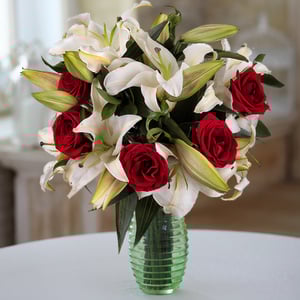
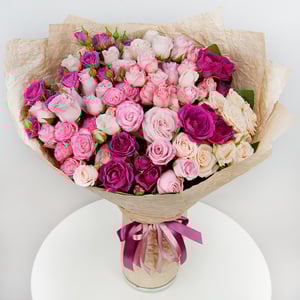
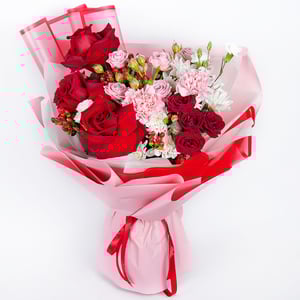
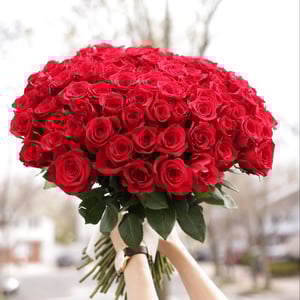
Shop rose bouquets, hand-arranged and delivered fresh by a local florist.
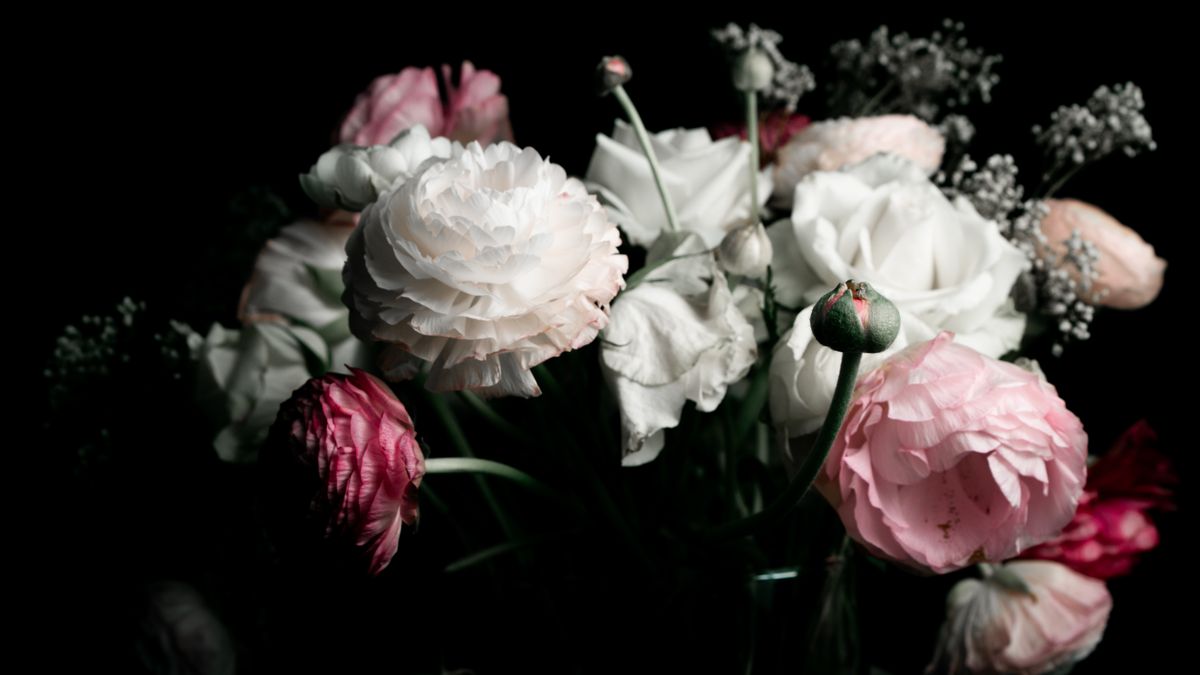
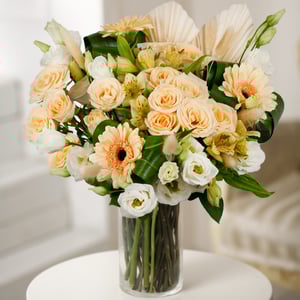
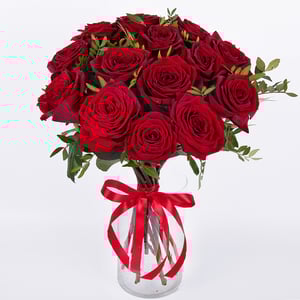
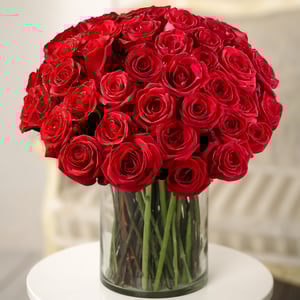
If you've ever searched for the most beautiful bloom to grow in your yard, tuck into a gift bouquet, or simply admire from afar, you're in the right place. At MyGlobalFlowers, an international flower delivery service that connects you with local florists around the world, we spend our days surrounded by petals — so we've put together this curated guide with real passion behind it.
Here's what you'll find below: a deep dive into the prettiest flowers in the world, from timeless classics to jaw-dropping rarities most people have never heard of. You'll get practical care tips, growing advice tied to US climates, occasion-based picks for every major holiday, and a few personal opinions I couldn't keep to myself. Let's get into it.
What are the prettiest flowers in the world?
Asking what are the prettiest flowers is a bit like asking someone to pick their favorite sunset — beauty is deeply personal. But here's the thing: certain flowers consistently top every global poll, every florist's favorite list, and every "most beautiful" roundup year after year. And once you see the lineup, you'll understand why.
The prettiest flowers in the world span every continent, climate, and color palette imaginable. You've got the lush, romantic peonies beloved across North America and Europe. You've got sacred lotuses rising from still waters in Asia. You've got fiery proteas thriving in South Africa's rocky terrain. Beauty doesn't play favorites with geography.
What unites the worlds prettiest flowers isn't a single trait — it's a combination of color complexity, petal structure, fragrance, and often a compelling backstory. Some flowers earn their place through sheer visual drama. Others get there through rarity or cultural meaning. Below, I've broken down the most prettiest flowers into a top-ten essentials list, a deeper discovery list, and a collection of rare blooms that will genuinely surprise you.
Top 10 prettiest flowers everyone should know
These prettiest flowers represent the best of the best — the blooms that florists, gardeners, and flower lovers around the world reach for again and again. If you're building a mental catalog of the top 10 prettiest flowers, start right here.
1. Peony
Peonies are the kind of flower that makes people audibly gasp. Each bloom is a lush explosion of ruffled, tissue-thin petals layered so densely that a single stem can look like a whole bouquet. The color range runs from snow white through blush pink to deep burgundy, and when they're fully open, peonies have an almost impossibly romantic quality.
Key facts: Peonies bloom in late spring (typically May through early June). Blooms measure 3–8 inches across depending on the variety. Most are deliciously fragrant, with a sweet, rosy scent. Colors include white, pink, coral, red, and yellow.
Best occasion: Weddings — peonies are the reigning queen of bridal florals. Also perfect for Mother's Day gifts in May.
Growing tip: Peonies thrive in USDA zones 3–8 and need full sun plus well-drained soil. Plant bare-root peonies in fall and be patient — these beauties can take 2–3 years to produce their first show-stopping blooms, but once established, peony plants live for decades.
2. Dahlia
If peonies are romantic, dahlias are dramatic. The dinner-plate varieties can reach a staggering 10–12 inches across — a single flower the size of a dessert plate. Petals spiral outward in perfect geometric patterns, and the color range is one of the widest in the flower kingdom: everything from soft lavender to electric orange to near-black maroon.
Key facts: Dahlias bloom from midsummer through the first frost, making them the star of late-season gardens. Most varieties are unscented. Sizes range from 2-inch pompons to 12-inch dinner plates.
Best occasion: Autumn weddings, Thanksgiving centerpieces, and bold birthday bouquets.
Growing tip: Plant dahlia tubers after the last frost in USDA zones 7–11 (in colder zones, dig up tubers before winter and store them indoors). Full sun is non-negotiable, and deadheading spent blooms encourages continuous flowering all season long.
3. Rose
You knew this one was coming. Roses are the undisputed classic of the flower world, and honestly, they've earned that reputation. With over 30,000 cultivated varieties ranging from dainty spray roses to cabbage-sized garden roses, there's a rose for every taste and every occasion. The velvety texture of a deep red rose is hard to beat.
Key facts: Roses bloom year-round in commercial cultivation, with peak garden season from late spring through fall. Sizes range from 1-inch miniatures to 5-inch hybrid teas. Many varieties are intensely fragrant. Colors cover every hue except true blue.
Best occasion: Valentine's Day is the obvious pick, but garden roses shine at weddings, and white roses are a thoughtful choice for sympathy arrangements.
Growing tip: Roses grow well across USDA zones 3–11, depending on variety. Give roses at least 6 hours of direct sun, water at the base (not overhead), and prune in late winter before new growth begins.
4. Orchid
Orchids carry an air of exotic elegance that few flowers can match. The Phalaenopsis (moth orchid) alone has converted millions of non-gardeners into obsessive plant parents. But the orchid family includes over 25,000 species — from the flamboyant Cattleya to the delicate Dancing Lady — and each one feels like a tiny botanical sculpture.
Key facts: Bloom times vary widely by species, but Phalaenopsis orchids can hold blooms for 2–3 months indoors. Sizes range from less than 1 inch (some miniature species) to over 6 inches. Fragrance depends on species.
Best occasion: Orchids make stunning hostess gifts, elegant Mother's Day presents, and sophisticated office décor.
Growing tip: Most orchids thrive indoors with bright, indirect light. The biggest mistake people make is overwatering — let the potting medium dry out between waterings. An east-facing window is usually ideal.
5. Tulip
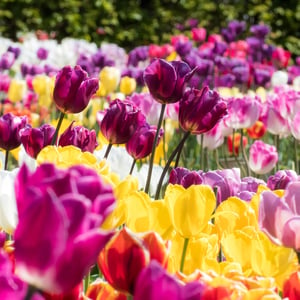
Tulips are spring incarnate. And while the simple cup-shaped silhouette is iconic, the showstoppers of the tulip world are the parrot varieties — ruffled, feathered, streaked with wild color combinations that look almost hand-painted. I've always been fascinated by how a flower so simple in shape can be so endlessly varied.
Key facts: Tulips bloom in spring (March through May). Blooms measure 2–4 inches across and stand 10–24 inches tall. Most varieties are unscented. Colors include virtually every shade, often with striking bi-color patterns.
Best occasion: Easter arrangements, spring birthday bouquets, and Valentine's Day (as a fresh alternative to roses).
Growing tip: Plant tulip bulbs in fall in USDA zones 3–7. Tulips need a cold period to bloom, so gardeners in zones 8+ should pre-chill bulbs in the refrigerator for 12–16 weeks before planting.
6. Cherry blossom
Cherry blossoms are proof that fleeting beauty can be the most powerful kind. These delicate pink and white flowers blanket branches for just one to two weeks each spring — and then they're gone. The transience is the whole point. In Japan, the tradition of hanami (flower viewing) celebrates exactly this: beauty that doesn't last.
Key facts: Cherry blossoms peak in late March through mid-April. Individual flowers measure about 1 inch across, but massed together on a tree, the effect is breathtaking. Lightly fragrant. Colors range from pure white to deep pink.
Best occasion: Spring celebrations and cultural festivals. In the US, the National Cherry Blossom Festival in Washington, D.C. draws over a million visitors each year.
Growing tip: Ornamental cherry trees (Prunus serrulata) grow well in USDA zones 5–8. Plant in full sun with well-drained soil. Choose the 'Yoshino' variety for the classic D.C. festival look.
7. Ranunculus
If you ask me, ranunculus might be the most underrated flower on this entire list. Each bloom is built from dozens of paper-thin, concentric petals that create a swirl so tight and perfect it barely looks real. Florists absolutely love ranunculus for its photogenic quality and extraordinary vase life.
Key facts: Ranunculus blooms in spring (April through June). Blooms measure 3–5 inches across. No significant fragrance. Colors include white, pink, red, orange, yellow, and purple.
Best occasion: Weddings, Mother's Day, and Valentine's Day bouquets where you want something a little different from roses.
Growing tip: Plant ranunculus corms in fall in USDA zones 8–11. In colder zones, start corms indoors in late winter and transplant after the last frost. Ranunculus prefer cool nights and full to partial sun.
8. Hydrangea
Hydrangeas are the overachievers of the flower garden. A single bloom head is actually a cluster of dozens — sometimes hundreds — of small flowers packed together into massive globe or cone shapes that can measure 6–12 inches across. And here's the fun part: many hydrangea varieties change color based on soil pH. Acidic soil produces blue flowers; alkaline soil turns them pink.
Key facts: Hydrangeas bloom from late spring through fall. Bloom heads measure 6–12 inches. Most are unscented. Colors include blue, pink, purple, white, and green.
Best occasion: Summer weddings, sympathy arrangements, and generous "just because" bouquets.
Growing tip: Hydrangeas grow best in USDA zones 3–9, depending on the species. Morning sun with afternoon shade is ideal in warmer climates. To encourage blue blooms, amend soil with aluminum sulfate; for pink, add lime.
9. Bird of paradise
Bird of paradise (Strelitzia reginae) barely looks like a flower at all — and that's exactly what makes it so unforgettable. The bloom emerges from a boat-shaped bract in brilliant orange and deep blue, fanning out like the crest and beak of an exotic tropical bird in flight. It's pure botanical sculpture.
Key facts: Bird of paradise blooms intermittently year-round in tropical climates, with peak season in late winter through spring. Blooms stand about 6 inches tall on stalks reaching 3–5 feet. No fragrance. Colors are orange and blue (or all-white in the giant species S. nicolai).
Best occasion: Tropical-themed events, modern architectural arrangements, and statement-making gift bouquets.
Growing tip: Outdoors, bird of paradise thrives in USDA zones 10–12. In colder zones, grow in containers and bring indoors when temperatures drop below 50°F. Full sun produces the most blooms.
10. Lotus
The lotus is the flower that poetry was invented for — and I say that as someone who usually avoids floral clichés. Rising immaculately from muddy, still water, every petal perfectly symmetrical, the lotus carries sacred meaning across Hindu, Buddhist, and ancient Egyptian traditions. The visual alone — a luminous pink or white bloom floating above wide green pads — is unforgettable.
Key facts: Lotus blooms in midsummer (July through August). Flowers measure 4–12 inches across. Lightly fragrant. Colors include white, pink, yellow, and red.
Best occasion: Water garden centerpiece, meditation spaces, and cultural celebrations.
Growing tip: Lotus grows in USDA zones 4–10 and needs still, warm water at least 6 inches deep and full sun. Plant tubers in spring in a wide, shallow container submerged in a pond or large water garden.
15 more of the prettiest types of flowers worth discovering
The prettiest flowers don't stop at ten. The prettiest types of flowers extend far beyond the usual suspects, and some of the most stunning blooms fly completely under the radar. Here are 15 more that deserve a serious look.
Bleeding heart
Bleeding heart (Lamprocapnos spectabilis) produces arching stems lined with perfectly heart-shaped pendants in pink and white. Each tiny "heart" has a protruding inner petal that looks like a single falling drop — hence the name. This shade-garden favorite thrives in USDA zones 3–9 and blooms in mid- to late spring. Try the 'Gold Heart' cultivar for the added drama of chartreuse foliage.
Delphinium
Delphiniums are the skyscrapers of the flower border, sending up towering spikes of densely packed blooms that can reach 4–6 feet tall. The blues are legendary — few flowers produce such vivid true-blue shades. Delphiniums bloom in early summer and again in fall if you cut back spent spikes promptly. Best in USDA zones 3–7 where summers stay cool.
Protea
Protea looks like something from a prehistoric landscape — bold, architectural, and unlike anything else in a bouquet. The King Protea (P. cynaroides), South Africa's national flower, can measure up to 12 inches across. Proteas dry beautifully, making them fantastic for long-lasting arrangements. Grow in USDA zones 9–12 in sandy, acidic soil with excellent drainage.
Calla lily
Calla lilies are the definition of sculptural elegance. That smooth, trumpet-shaped spathe curving around a golden spadix is instantly recognizable and endlessly chic. Beyond the classic white, modern cultivars come in deep purple, mango orange, and nearly black. Calla lilies thrive in USDA zones 8–10 and make exceptional wedding and sympathy flowers.
Wisteria
Wisteria turns any ordinary pergola into a fairy-tale scene. These cascading clusters of purple, blue, pink, or white flowers can hang 1–3 feet long, dripping with fragrance in mid-spring. Japanese wisteria (W. floribunda) produces the longest racemes. Plant in USDA zones 5–9, but be warned — wisteria is vigorous. You'll need sturdy support and regular pruning to keep the vine under control.
Passionflower
Passionflower (Passiflora) is one of the most intricate flowers on the planet. Each bloom is a complex arrangement of filaments, petals, and reproductive structures that looks like it was designed by an architect, not nature. The purple passionflower (P. incarnata) is native to the southeastern US and grows well in USDA zones 6–10 as a fast-climbing vine.
Camellia
Camellias bloom when almost nothing else does — late fall through early spring, depending on the variety. The glossy, dark green foliage provides a perfect backdrop for the elegant, rose-like blooms in white, pink, and red. Japonica varieties are the garden standard. Plant in USDA zones 7–9 in acidic, well-drained soil with partial shade.
Foxglove
Foxglove (Digitalis purpurea) produces towering spikes covered in spotted, bell-shaped flowers that hummingbirds and bees can't resist. The interior of each bell is speckled with dramatic patterns — like tiny works of art. Foxgloves are biennial in most gardens (USDA zones 4–8), blooming in early summer of the second year. Note: all parts are toxic if ingested, so plant with care around pets and children.
Iris (bearded)
Bearded irises are the peacocks of the perennial garden. The "beard" — a fuzzy strip of tiny filaments along each lower petal — adds texture and intrigue, while the color combinations are mind-boggling: flame orange with purple falls, lemon yellow with ruby edges, jet black with bronze beards. Bearded irises bloom in late spring in USDA zones 3–9. Plant rhizomes in late summer, barely covering the top surface with soil.
Anemone
Anemones carry a delicate, almost windswept beauty — fitting, since the name derives from the Greek word for "wind." The dark center surrounded by papery petals creates striking contrast, especially in white or deep red varieties. Japanese anemones bloom in fall and thrive in USDA zones 4–8, while florist anemones (A. coronaria) make stunning spring bouquet additions.
Hellebore
Hellebores, also called Lenten roses, bloom bravely in late winter to early spring when the garden is still dormant. The downward-facing, cup-shaped flowers come in moody shades of plum, sage green, creamy white, and even near-black. These shade-tolerant perennials are deer-resistant and flourish in USDA zones 4–9. The 'Wedding Party' series offers some of the most striking double-flowered cultivars available.
Sweet pea
Sweet peas are all about fragrance and flutter. The ruffled, butterfly-like blooms climb trellises on delicate tendrils, releasing one of the most intoxicating scents in the garden. Grow sweet peas in USDA zones 2–11 as cool-season annuals — sow seeds in late winter for spring blooms. The Spencer varieties offer the largest, most frilled petals.
Cosmos
Cosmos bring effortless charm to any sunny garden bed. The daisy-like blooms sway on slender stems in shades of pink, white, orange, and deep crimson. 'Cupcakes Blush' is a standout cultivar with fused petals that create a cup-shaped bloom unlike any other cosmos. Direct-sow seeds after the last frost in virtually any US zone — cosmos actually prefer lean soil and minimal fuss.
Fuchsia
Fuchsia flowers look like tiny, elaborate earrings dangling from arched stems. The two-toned combination of a flared outer sepal and a contrasting inner corolla — often in hot pink and purple — is unmistakable. Fuchsias thrive in cool, humid climates (USDA zones 6–10 depending on species) and make gorgeous hanging basket plants in shaded porches across the Pacific Northwest.
Sunflower
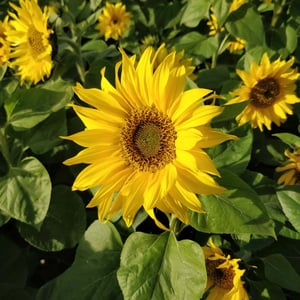
Sunflowers are pure joy on a stem. While the classic yellow giant is iconic, newer varieties like 'ProCut Red' and 'Strawberry Blonde' offer russet, burgundy, and bicolor options that feel surprisingly sophisticated. Sunflowers bloom from midsummer through early fall, grow in every US zone as annuals, and reach 2–12 feet tall depending on the variety. Direct-sow seeds in full sun after the last frost for the easiest garden win imaginable.

Real prettiest flowers — rare and unusual blooms you might never have seen
The prettiest flowers aren't always the ones you'll find at your local garden center. When people search for real prettiest flowers, they're looking for something beyond the mainstream — the blooms so rare, so unusual, or so fleeting that encountering one feels like discovering a secret. Here are six that genuinely stopped me in my tracks during research.
Middlemist's Red
Middlemist's Red (Middlemist camellia) is widely considered the rarest flower on Earth. Only two known plants exist: one in a greenhouse in Chiswick, London, and another in a garden in New Zealand. Originally brought from China in 1804 by John Middlemist, the flower has since gone extinct in its native habitat. The bloom itself resembles a deep pink rose — beautiful, but its rarity is what makes it legendary.
White Egret Orchid
The White Egret Orchid (Habenaria radiata) is native to Japan, and each flower is a masterpiece of natural mimicry. The fringed white petals spread outward like the wings of a bird in flight — the resemblance to a snowy egret is uncanny. These tiny orchids grow from small tubers in boggy, acidic soil. Growing White Egret Orchids at home is possible but demanding; the plant requires consistently moist conditions and cool winter dormancy.
Kadupul Flower
The Kadupul Flower (Epiphyllum oxypetalum), a cactus species native to Sri Lanka and Central America, blooms only at night and wilts before dawn. You literally cannot buy this flower — the bloom is too fragile to survive cutting. In Sri Lankan culture, the Kadupul is associated with celestial beings. The white, star-shaped petals release a delicate fragrance during the few hours the flower exists. Honestly, this one surprised me more than any other entry on the list.
Chocolate Cosmos
Chocolate Cosmos (Cosmos atrosanguineus) is a deep, velvety reddish-brown flower that actually smells like chocolate — warm, rich, and slightly vanilla-scented. The original wild species is technically extinct in its native Mexico; all existing plants are clones propagated from a single surviving specimen. You can grow Chocolate Cosmos from tubers in USDA zones 7–10, treating the plant similarly to a dahlia.
Juliet Rose
The Juliet Rose is a modern garden rose bred by David Austin over a period of 15 years at a reported cost of nearly $5 million. When it debuted at the Chelsea Flower Show, the Juliet Rose caused a sensation — soft apricot-peach petals unfurling in a perfectly cupped, old-world form. Today the Juliet Rose is commercially available (and no longer $5 million per stem), but the breeding story makes every bloom feel like a small luxury.
Corpse Flower
The Corpse Flower (Amorphophallus titanum) is not conventionally pretty — and it smells like rotting flesh. So why include it? Because the sheer spectacle of a single bloom structure reaching 6–10 feet tall, opening once every 7–10 years, and drawing thousands of visitors to botanical gardens is dramatic beauty in its own right. When the US Botanic Garden in Washington, D.C. has a corpse flower bloom event, lines wrap around the building. Sometimes "prettiest" is about the experience, not just the petals.
These rare and unusual flowers remind us why people search for real prettiest flowers — there's a whole world of botanical wonder beyond what shows up in a standard bouquet. The stories behind these blooms are as captivating as the flowers themselves.
Prettiest flowers for every occasion and US holiday
Knowing the prettiest flowers is one thing — knowing which ones to choose for a specific moment is where it gets practical. Here's an occasion-by-occasion guide mapped to major US holidays and life events.
- ✓Valentine's Day (February 14):
Red roses remain the gold standard. Tulips and ranunculus offer a fresh, modern alternative for partners who appreciate something unexpected. - ✓Mother's Day (second Sunday in May): Peonies are peak-season and perfect. Hydrangeas and orchids are equally thoughtful — orchids especially if your mom loves long-lasting plants.
- ✓Memorial Day (late May):
Red poppies carry deep symbolic meaning. Pair white roses and blue delphiniums for a patriotic red-white-and-blue tribute. - ✓Fourth of July:
Sunflowers bring warm gold tones, red dahlias add drama, and blue irises complete the palette. Think bold and celebratory. - ✓Thanksgiving (fourth Thursday in November):
Chrysanthemums, marigolds, and dahlias in warm autumn tones — rust, amber, deep burgundy, and gold — set the perfect table. - ✓Sympathy and funerals:
Calla lilies, white roses, and white lilies convey quiet respect and grace. - ✓Weddings: Peonies, garden roses, ranunculus, and sweet peas are the current favorites among wedding florists across the US.
- ✓Birthdays: Gerbera daisies, sunflowers, and mixed seasonal bouquets bring bright energy and work for any age.
By the way, MyGlobalFlowers connects you with local florists who hand-deliver fresh arrangements for any of these occasions — whether your loved one is across town or across the globe.
How to care for the prettiest flowers after they arrive
Even the prettiest flowers need a little help to stay gorgeous once they land on your kitchen counter. Here's a straightforward care routine that works for virtually any cut flower arrangement in a US household.
- ✓Trim stems immediately. Cut about half an inch off each stem at a 45-degree angle using sharp scissors or floral snips. The angled cut increases the surface area for water absorption.
- ✓Use room-temperature water. Fill a clean vase with lukewarm — not cold — water. Cold water can shock stems and slow hydration.
- ✓Strip lower leaves. Remove any foliage that sits below the waterline. Submerged leaves breed bacteria fast and shorten vase life.
- ✓Change water every two days. Dump the old water, rinse the vase, refill with fresh room-temperature water, and re-trim the stems each time.
- ✓Keep flowers away from hazards. Direct sunlight, heating vents, and fruit bowls are enemies of fresh flowers. Ripening fruit releases ethylene gas, which speeds wilting significantly.
- ✓Manage indoor temperature. In hot US summers — especially across the South and Southwest — place flowers in the coolest room of the house. The sweet spot is around 65–72°F.
- ✓Use flower food. Add the provided packet to the water. No packet? Mix a teaspoon of sugar plus a few drops of bleach per quart of water as a DIY alternative. The sugar feeds the flowers; the bleach fights bacteria.
Follow these steps and you can expect most cut flowers to last 7–12 days — some varieties, like chrysanthemums and carnations, can push past two weeks.
Common mistakes people make when choosing or growing pretty flowers
Even flower enthusiasts trip up sometimes. Here are the prettiest flowers pitfalls I see most often — along with easy fixes.
- ✗Picking flowers based only on looks without checking your USDA hardiness zone.
A tropical plumeria won't survive a Minnesota winter. Always match the plant to your zone before you buy. The USDA Plant Hardiness Zone Map is free online — bookmark it. - ✗Overwatering potted orchids.
Orchids need drying time between waterings. Roots sitting in soggy potting medium rot quickly. Water once a week at most, and let the medium dry out before the next watering. - ✗Planting sun-loving flowers in shade (and vice versa).
Sunflowers in a north-facing bed will be leggy and flowerless. Bleeding hearts in blazing afternoon sun will crisp up by July. Read the light requirements on the tag and honor them. - ✗Ignoring bloom season.
Expecting peonies in October or dahlias in March will leave you disappointed. Every flower has a peak season — plan your garden and your gift-buying accordingly. - ✗Not deadheading dahlias and zinnias. Removing spent blooms signals the plant to produce more flowers. Deadheading extends bloom time dramatically, sometimes by weeks.
- ✗Ordering flowers last-minute for major holidays.
Valentine's Day and Mother's Day are the busiest delivery days of the year. Place your order at least 3–5 days ahead to get the best selection and a smooth delivery experience.
How to send the prettiest flowers to someone you love
Growing the prettiest flowers is rewarding — but sometimes you just want to brighten someone's day right now, wherever that person happens to be. Here's how to do it through MyGlobalFlowers.
The process is simple. Browse the online catalog and pick an arrangement that matches the occasion and your taste. Choose a delivery date, add a personal message, and complete your order. From there, a local florist in the recipient's city takes over — selecting the freshest available blooms, arranging the bouquet by hand, and delivering it directly to the door.
Here's something important to know: the final arrangement may look slightly different from the photo on the website. That's not a flaw — it's artisan floristry. Local florists use the freshest seasonal flowers available in their market, substituting individual stems when needed while keeping the overall style, color palette, and value consistent. Think of it the way you'd think of a chef using the freshest ingredients at the market that morning — the dish might not match the cookbook photo exactly, but the quality and care are real.
Delivery cost is calculated at checkout based on the destination, so you'll always see the full price before you confirm. And if you want to add a little extra — chocolates, a stuffed animal, or a greeting card — you can explore those add-on options during the ordering process.
Whether you're sending peonies to your mom for Mother's Day or sunflowers to a friend celebrating a new job in another country, MyGlobalFlowers makes the logistics invisible. You choose the beauty; local florists handle the rest.
Conclusion
If there's one thing I've learned from years of chasing down the prettiest flowers in gardens, farmer's markets, and flower shops around the world, it's that real beauty rarely needs to shout. Sometimes it's a dahlia wider than your face, sometimes it's a bloom that only opens once a decade. Find the one that stops you mid-step, and let a local florist bring it to your door.
Find your favorite bloom
Browse the full collection and let a local florist deliver it fresh today.