 EUR
EUR
 GBP
GBP
 CAD
CAD
 AUD
AUD

 Birthday
 Same Day
 Occasions
 Flowers
 Roses
Roses
 Plants
 Gifts
Gifts
 International Flower Delivery
What Is September's Birth Flower?
- 🌸 September claims two birth flowers — the aster (symbolizing wisdom and love) and the morning glory (representing affection and renewal) — each with over 600 species worldwide.
- 🌿 Asters thrive in USDA zones 3–8, bloom from late August through October, and last 5–14 days as cut flowers when you trim the stems every 2 days.
- 🎁 Both flowers make meaningful September birthday gifts: asters work well in mixed bouquets, while morning glories shine as potted plants or garden vines that climb up to 15 feet in a single season.
September's birth flower actually comes in a pair — the aster and the morning glory — and knowing what each one means gives you a thoughtful edge when picking birthday gifts, planning a garden, or even choosing a tattoo. The Aster genus alone includes over 600 species across North America and Eurasia, so you have plenty of variety to explore. Whether you landed here wondering "what is September's birth flower?" or you want the backstory on symbolism and care, this guide covers both blooms in full detail. Stick around for growing tips tuned to U.S. hardiness zones, color meanings, and real ways to use these flowers beyond a basic bouquet.
What is the birth flower for September?
The birth flower for September splits into two official blooms. The aster serves as the primary birth month flower for September, and the morning glory fills the secondary role. Most floral societies — including the Society of American Florists, established in 1884 — recognize both.
Why two flowers? Months with dual birth flowers give you more options for gifting and self-expression. January has the carnation and snowdrop. October has the marigold and cosmos. September follows the same tradition. The aster and the morning glory complement each other well: one excels as a cut flower, and the other dominates gardens and trellises.
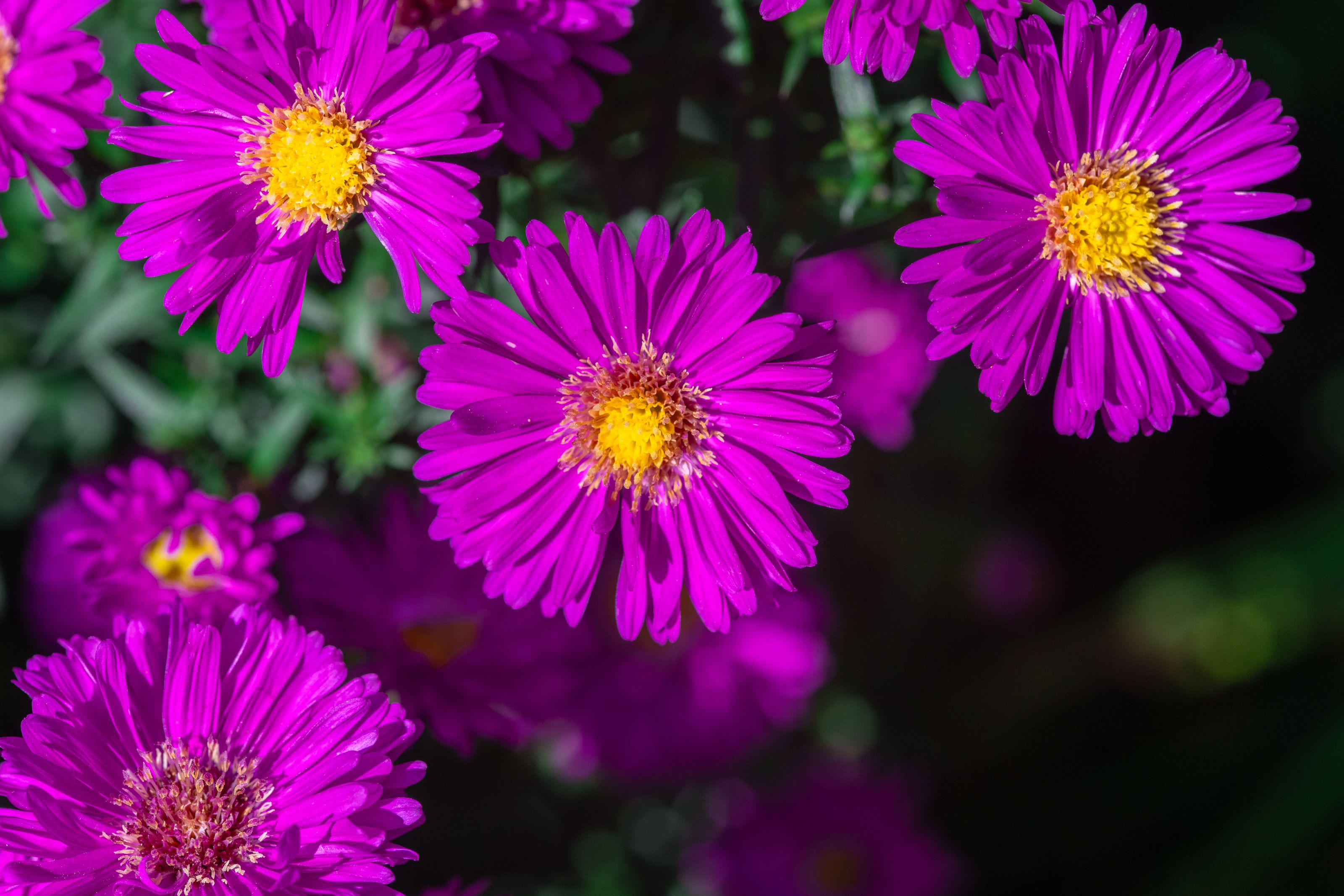
September birth flower: aster — the star of fall gardens
The September birth flower aster gets its name from the Greek word astḗr, meaning "star." Look at an aster bloom from above, and you'll see why — thin petals radiate outward from a dense center, forming a near-perfect star shape.
Aster varieties and colors
- The genus Symphyotrichum (formerly Aster) contains roughly 170 species native to North America. Here are the most popular types you'll find at nurseries across the U.S.:
- New England Aster (Symphyotrichum novae-angliae) — reaches 3–6 feet tall, produces purple, pink, or white blooms
- New York Aster (Symphyotrichum novi-belgii) — grows 1–4 feet tall, favors moist soil near coastal areas
- China Aster (Callistephus chinensis) — an annual variety that blooms in late summer, offers double-petal forms in red, blue, and yellow
- Heath Aster (Symphyotrichum ericoides) — stays compact at 1–3 feet, covers itself in tiny white flowers by September
- Smooth Aster (Symphyotrichum laeve) — tolerates dry conditions, sports blue-violet blooms on arching stems
- Each color carries a different message. Purple asters signal wisdom and royalty. White asters communicate purity and new beginnings. Pink asters express love and sensitivity. Red asters convey deep devotion.
September birth flower meaning: what asters symbolize
- The September birth flower meaning for asters revolves around four core themes:
- Wisdom — Ancient Greeks burned aster leaves to ward off evil spirits, believing the smoke carried protective knowledge
- Love — French tradition links asters to enduring romantic affection
- Patience — Asters bloom late in the season, long after showier flowers have faded
- Remembrance — People in England once placed asters on soldiers' graves after World War I
Greek mythology ties asters to the goddess Astraea. According to the legend, Astraea wept because she saw too few stars on earth. Her tears hit the ground and transformed into star-shaped aster flowers. The Roman poet Virgil (70–19 BCE) mentioned burning aster leaves near beehives to improve the honey's flavor.
How to grow asters in your garden
- Asters reward U.S. gardeners with very little fuss. Here's what you need to know:
- Hardiness zones: 3 through 8 (check your zone at planta.garden or the USDA Plant Hardiness Zone Map).
- Sunlight: Full sun — at least 6 hours of direct light per day. Asters tolerate partial shade, but fewer blooms follow.
- Soil: Well-drained, slightly acidic (pH 5.8–6.5). Mix 2–3 inches of compost into the top 12 inches of soil before planting.
- Spacing: Plant New England asters 18–24 inches apart. Space smaller varieties like heath asters 12–15 inches apart.
- Watering: Give asters about 1 inch of water per week. Water at soil level — wet foliage invites powdery mildew, a common aster problem in humid states like Georgia, Alabama, and the Carolinas.
- Pinching trick: Pinch back the top 1–2 inches of aster stems in early June and again in early July. The plant responds by branching out, and you get a bushier shape with more blooms by September.
- Bloom period: Late August through mid-October, depending on your region and variety.
Caring for cut asters in a vase
- Cut asters can last 5–14 days in a vase. Follow these steps to maximize freshness:
- Trim stems at a 45-degree angle before placing asters in water
- Remove any leaves that fall below the waterline
- Change the water every 2 days
- Add flower food to the vase — one packet per quart of water
- Keep the vase away from direct sunlight and fruit bowls (ripening fruit emits ethylene gas, which shortens bloom life)
- Quick note: aster stems tend to get slimy faster than roses or carnations. Changing the water on schedule matters more with asters than with most other cut flowers.



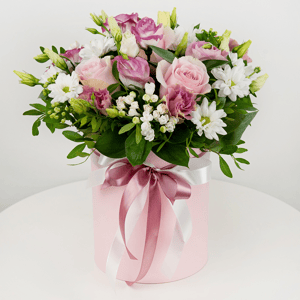


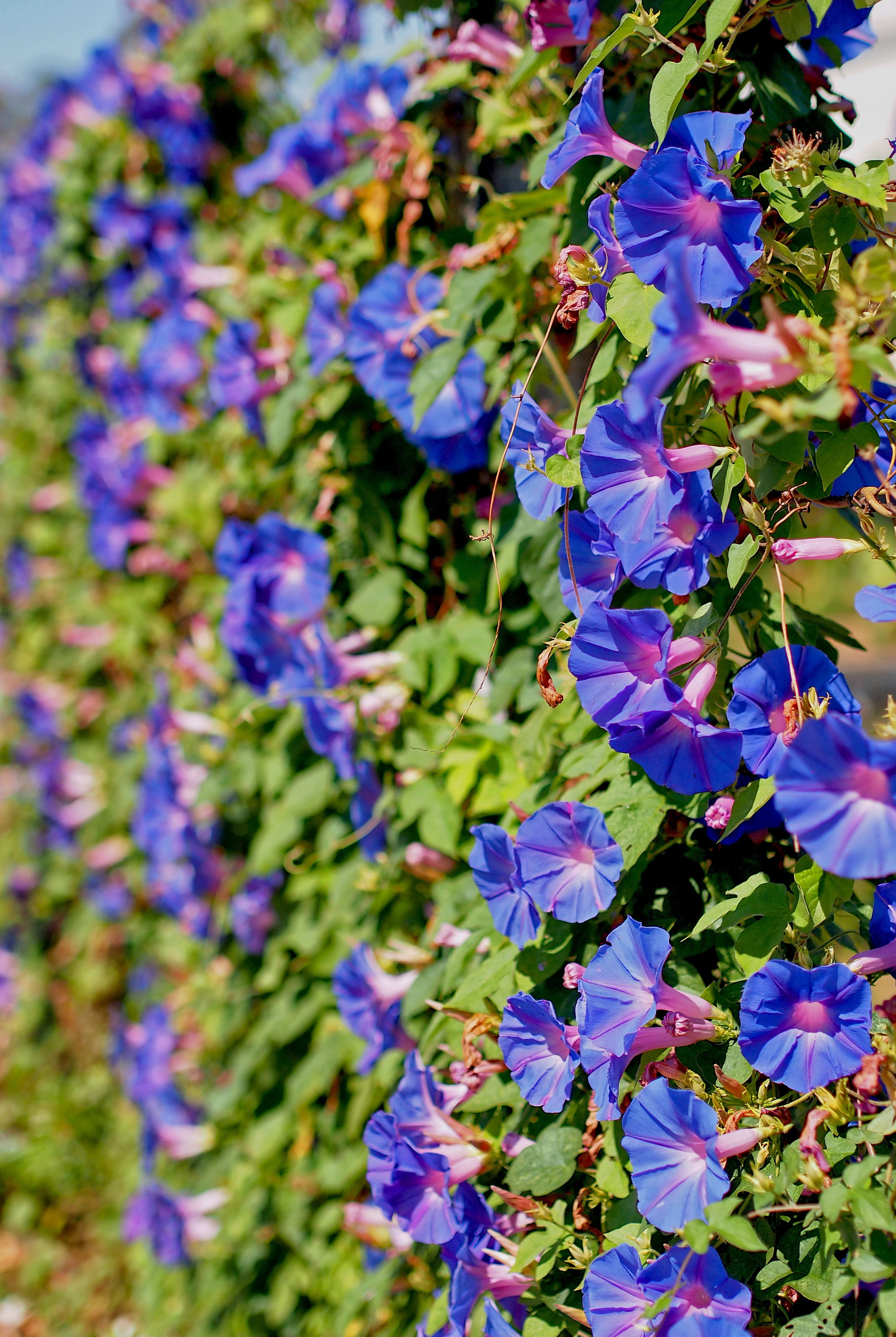
Morning glory: September's secondary birth flower
The morning glory September birth flower brings a completely different energy. Where asters stand sturdy and star-shaped, morning glories climb, twist, and open fresh blooms every sunrise. That daily renewal gives morning glories their core symbolism.
Morning glory varieties
- Over 1,000 species belong to the family Convolvulaceae, and about 50 of those fall under the Ipomoea genus — the "true" morning glories. Popular varieties in the U.S. include:
- Heavenly Blue (Ipomoea tricolor) — sky-blue flowers measuring 3–5 inches across, grows up to 12 feet
- Grandpa Ott (Ipomoea purpurea) — deep purple blooms with a magenta star at the center, heirloom variety dating to the 1800s
- Scarlett O'Hara (Ipomoea nil) — crimson-red flowers, named after the fictional character in 1939
- Moonflower (Ipomoea alba) — white, fragrant blooms that open at dusk instead of dawn, can reach 15 feet in a single growing season
- Flying Saucers (Ipomoea tricolor) — blue and white streaked petals, vine reaches 10 feet
What morning glories symbolize
- The birth flower of September's secondary bloom carries meanings tied to the flower's daily life cycle:
- Affection — Victorian-era lovers exchanged morning glories as tokens of devotion
- Mortality and renewal — each bloom opens at dawn and closes by afternoon, representing life's fleeting nature
- Unrequited love — in Japanese hanakotoba (the language of flowers), morning glories symbolize brief love or willful promises
In Japan, morning glory festivals (asagao-ichi) have run annually since the Edo period (1603–1868). The most famous festival takes place at Tokyo's Iriya Kishimojin Temple every July 6–8, where vendors sell over 120 varieties. Japanese breeders developed double-petaled and ruffled morning glory cultivars that still influence American garden catalogs.
Chinese traditional medicine has used morning glory seeds (qian niu zi) for over 1,000 years as a purgative. That's a historical footnote — not a recommendation. Don't eat morning glory seeds.
Growing morning glories in the U.S.
- Morning glories grow fast. Really fast. A single vine can climb 10–15 feet between late spring and the first frost. Here's your growing guide:
- Best zones: Morning glories grow as annuals everywhere in the U.S. Gardeners in zones 10–11 (Southern Florida, Hawaii) can grow morning glories as perennials.
- Planting timeline: Sow seeds directly outdoors after the last frost date. In most of the U.S., that window falls between mid-April (zone 8) and late May (zone 5).
- Seed prep: Nick the seed coat with a nail file or soak seeds in warm water for 24 hours before planting. Germination improves from roughly 50% to over 80% with this step.
- Support: Morning glories need something to climb — a trellis, fence, mailbox post, or string frame. Without support, the vines sprawl across the ground and attract fewer pollinators.
- Soil: Average to poor soil actually works better. Rich, nitrogen-heavy soil produces lots of leaves and few flowers. Skip the fertilizer.
- Watering: Water young plants regularly until vines establish themselves (about 3 weeks). After that, morning glories handle dry spells well. One inch of rain per week keeps blooms steady.
- Caution: Some states — including Arizona and parts of Arkansas — classify certain Ipomoea species as invasive. Check with your county extension office before planting.
Asters vs. morning glories: choosing the right September flower
Both flowers belong to September. But they serve different purposes. Here's a direct comparison:
| Feature | Aster | Morning glory |
|---|---|---|
| Type | Perennial (most species) | Annual (most U.S. zones) |
| Growth habit | Upright, bushy, 1–6 feet | Climbing vine, 10–15 feet |
| Bloom time | Late August – October | June – first frost |
| Best as cut flower? | Yes — lasts 5–14 days in a vase | No — blooms wilt within hours of cutting |
| Pollinator value | High — attracts butterflies, bees | Moderate — attracts hummingbirds, bees |
| Ease of growing | Easy, low maintenance | Easy, but can spread aggressively |
| Gift suitability | Bouquets, arrangements, potted plants | Potted seedlings, seed packets, garden décor |
Bottom line: Send asters when you want a traditional birthday bouquet. Choose morning glories when you want to give a living plant or a garden gift.
Looking for a September birthday bouquet?
Browse birthday arrangements from local florists and choose the colour that carries the meaning you want.
September birthday gift ideas using birth month flowers
The birth month flower for September opens up several gift angles beyond a standard floral arrangement:
Bouquets featuring asters
Local florists across the U.S. stock asters from late August through October. A mixed bouquet combining purple asters with white roses and eucalyptus stems makes a classic September birthday gift. Ask your florist to add solidago (goldenrod) for a seasonal touch. Most florists charge between $45 and $85 for a hand-tied aster bouquet, depending on your city and arrangement size.
Potted plants
A potted New England aster gives the recipient a perennial plant that returns every year. Look for compact cultivars like 'Purple Dome' (18 inches tall) or 'Alert' (12 inches tall) at local garden centers. Potted morning glory seedlings also make thoughtful gifts, especially for someone with a porch or balcony.
Seed packets and garden kits
For the gardener on your list, bundle a few morning glory seed packets ('Heavenly Blue' and 'Grandpa Ott' pair well together) with a small trellis. Total cost: under $25. Add a handwritten note about the September birth flower meaning to personalize the gift.
Birth flower jewelry and art
September birth flower tattoos, necklaces, and prints have surged in popularity since 2020. Etsy sellers offer over 15,000 aster-themed jewelry pieces. A sterling silver aster pendant typically runs $25–$60. If your recipient prefers morning glories, watercolor prints of Ipomoea tricolor make an elegant framed gift.
Common mistakes when growing or gifting September birth flowers
- ✗Here are the pitfalls to avoid:
- ✗Overwatering asters. Soggy soil kills aster roots. Stick to 1 inch per week and let the top inch of soil dry between waterings.
- ✗Planting morning glories in rich soil. Too much nitrogen = beautiful vines with zero flowers. Use average, unfertilized ground.
- ✗Cutting morning glories for a vase. Morning glory blooms last only a few hours once cut. Give potted plants or seeds instead.
- ✗Ignoring powdery mildew on asters. White, powdery patches on aster leaves spread fast in humid climates. Space plants properly and water at soil level — not from overhead.
- ✗Forgetting to deadhead asters. Spent blooms divert energy from new buds. Pinch off faded flower heads every few days to extend the bloom season by 2–3 weeks.
- ✗Assuming "aster" and "daisy" mean the same thing. Both belong to the Asteraceae family, but daisies (Bellis perennis) and asters (Symphyotrichum) differ in bloom time, growth habit, and symbolism.



How September birth flowers connect to U.S. holidays and occasions
- September lands right on Labor Day (first Monday of the month), Grandparents' Day (the Sunday after Labor Day), and the autumn equinox (September 22 or 23). Each occasion pairs well with September's birth flowers:
- Labor Day gatherings — scatter potted asters across a picnic table as living centerpieces
- Grandparents' Day — send a bouquet of purple asters to convey wisdom and deep respect
- Fall equinox celebrations — plant morning glory seeds with kids to mark the transition into autumn
- Back-to-school gifts for teachers — a small aster arrangement in a mason jar costs under $20 and lasts over a week
- Asters also carry strong associations with the 20th wedding anniversary. If you celebrate a September anniversary, asters make a fitting and symbolic choice.
So — aster or morning glory? You don't have to pick just one. Grow asters in a border garden for weeks of fall color, and train morning glories up a fence for daily sunrise blooms. Or send someone born in September a bouquet of purple asters and tuck a seed packet of 'Heavenly Blue' morning glories into the card. That kind of layered, personal gift sticks with people. Which September bloom speaks to you?
Send September birthday flowers
Pick the bouquet, add a handwritten note, and let a local florist hand-deliver it on the day.
Frequently asked questions
What is the birth flower for September?▾
September has two birth flowers. The aster serves as the primary bloom, and the morning glory fills the secondary role. The Society of American Florists — active since 1884 — recognizes both.
What does the September birth flower mean?▾
Asters symbolize wisdom, love, patience, and remembrance. Morning glories represent affection, renewal, and the fleeting beauty of each day. Purple asters specifically signal royalty and deep respect.
Can I use morning glories as cut flowers in a bouquet?▾
Morning glory blooms wilt within a few hours after cutting. Morning glories work far better as potted plants, trellised garden vines, or seed packet gifts.
When do asters bloom in the United States?▾
Most aster species bloom from late August through mid-October. New England asters peak in September across USDA zones 3–8. Bloom timing shifts slightly based on your local climate and elevation.
Are morning glories invasive?▾
Some species, especially Ipomoea purpurea, self-seed aggressively. Arizona and parts of Arkansas list certain morning glory species as invasive. Check with your county extension office before planting.
How long do cut asters last in a vase?▾
Cut asters last 5–14 days with proper care. Trim the stems every 2 days, change the water regularly, and add flower food to the vase. Keep asters away from ripening fruit and direct heat sources.