 EUR
EUR
 GBP
GBP
 CAD
CAD
 AUD
AUD

 ✨Boss’s Day✨
 Birthday
 Occasions
 Same Day
 Flowers
 Roses
Roses
 Plants
 Gifts
Gifts
 International Flower Delivery
Best Flowers for a Wedding Bouquet
- 💐 Roses, peonies, ranunculus, and dahlias remain the most reliable flowers for wedding bouquets because they photograph well, hold up for 8–12 hours without water, and come in dozens of color variations.
- 🌿 Match your bloom choice to the season — peonies peak in May and June, dahlias thrive from August through October — to save 20–30% compared to out-of-season sourcing.
- 🪡 High-end silk flowers now replicate real petal texture so closely that many couples mix 2–3 faux stems into fresh bouquets for added durability without sacrificing looks.
Your wedding bouquet will appear in roughly 80% of your professional photos — so the blooms you choose shape how you remember the entire day. The best flowers for a wedding bouquet balance appearance, fragrance, durability, and budget. American couples spend an average of $2,500 on wedding flowers, according to The Knot's 2023 Real Weddings Study, and the bridal bouquet alone typically runs between $150 and $350. This guide walks you through the top bloom picks, bouquet styles, seasonal timing, and a growing trend: premium silk and faux alternatives that look strikingly real.

What are wedding flowers, and why do they matter?
Wedding flowers include every bloom at the ceremony and reception — bouquets, boutonnieres, centerpieces, arches, and aisle markers. The bridal bouquet sits at the center of all these elements. Florists often design the entire event palette around the bouquet first, then extend colors and textures outward. A cohesive floral plan ties the venue, the attire, and the photography together.
Beyond decoration, flowers carry symbolic weight: roses signal love, lily of the valley signals happiness, and peonies signal prosperity. Choosing blooms that mean something to you adds a private layer of storytelling to a very public day.
Best flowers for a wedding bouquet: 10 blooms that deliver
The best flowers for a wedding bouquet combine visual drama with stamina. Nobody wants petals dropping mid-vow. Here are 10 proven performers, ranked by popularity across U.S. weddings.
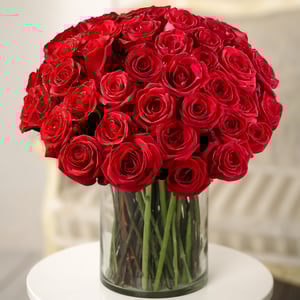
Roses
Roses dominate wedding floristry worldwide and appear in roughly 86% of American bridal bouquets, per IBIS World data. Garden roses — think the 'Juliet' variety developed by David Austin over 15 years — offer ruffled, peony-like petals and a strong scent. Standard hybrid tea roses cost $3–$5 per stem, while garden roses run $6–$12 per stem. Roses bloom year-round thanks to greenhouse cultivation, so seasonal pricing barely shifts.
Peonies
Peonies peak during a narrow 6-week window from late April through early June. A single peony stem can measure 6 inches across when fully open, filling space fast and cutting down on total stem count. Expect to pay $8–$15 per stem during peak season and significantly more — sometimes $20+ — for off-season imports. Peonies wilt faster in heat above 85 °F, so summer brides in Southern states should keep the bouquet refrigerated until the ceremony.
Ranunculus
Ranunculus produce thin, papery petals stacked in 40–60 concentric layers. The blooms measure 2–4 inches across and add a romantic, old-world texture. Peak season runs from January through April, making ranunculus a natural choice for spring weddings. Stems cost $3–$6 each. One caution: ranunculus bruise easily, so your florist should handle the bouquet assembly no more than 4–6 hours before the ceremony.
Dahlias
Dahlias bloom from late July through the first frost, typically mid-October in USDA zones 7–8. The 'Café au Lait' variety — a creamy blush bloom up to 10 inches wide — trended heavily after appearing in multiple celebrity weddings around 2018. Dahlia stems cost $4–$8 each. Because dahlias drink heavily, your florist should condition the stems in warm water for at least 2 hours before arranging.
Hydrangeas
A single hydrangea head spans 6–8 inches, which means one or two stems can anchor an entire bouquet. Hydrangeas thrive in the U.S. from May through October. Stems cost $4–$7 each. The catch: hydrangeas dehydrate quickly. A pro trick — soak the heads in cool water for 30 minutes before assembly — solves most wilting issues.
Calla lilies
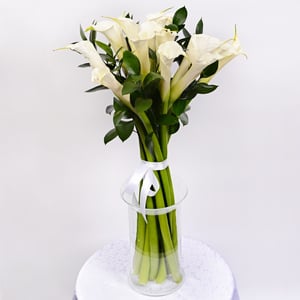
Calla lilies bring a sleek, architectural silhouette to modern and minimalist weddings. A bouquet of 12–15 calla lily stems creates a striking, streamlined look. Stems run $2–$5 each. Calla lilies stay fresh for 7–10 days after cutting, so they tolerate destination-wedding timelines better than most blooms. White calla lilies remain the classic pick, but deep purple and mango-orange varieties have gained traction since 2022.
Sweet peas
Sweet peas produce a delicate, butterfly-like bloom with a honeyed fragrance. The flowers appear in early spring, peaking from March through May. Stems cost $2–$4 each but carry fewer petals per stem, so you need more to create volume. Sweet peas wilt within 3–5 days, so they work best for brides who want a fragrant, ephemeral bouquet.
Orchids
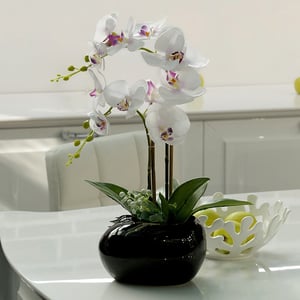
Phalaenopsis orchids and cymbidium orchids both work in wedding bouquets, but phalaenopsis offers a flatter, more photogenic bloom. A single orchid stem produces 5–8 flowers along the branch. Orchid stems cost $5–$15 depending on variety. Orchids tolerate heat better than most wedding blooms — a real advantage for outdoor ceremonies in Texas, Florida, or Arizona.
Lisianthus
Lisianthus looks remarkably like a rose but costs 30–40% less. Each stem carries 3–5 buds, and the blooms last 10–14 days in water. Florists love lisianthus as a filler that does double duty as a focal bloom. Stems run $2–$4 each, making lisianthus a budget-friendly hero. Peak season stretches from June through October.
Gardenia
Gardenias deliver an intoxicating fragrance and waxy, creamy-white petals. A single gardenia bloom can serve as a boutonniere or a bouquet accent. Gardenias bruise easily — even fingerprints can leave brown marks on the petals. Your florist should handle gardenias with cotton gloves and place the blooms last during assembly. Stems cost $4–$8 each.
Best wedding bouquet styles: finding your shape
The best wedding bouquet styles depend on your dress silhouette, venue, and comfort level with size. Here are 6 widely used shapes.
Round bouquet
The round bouquet features a dome of tightly packed blooms, typically 10–12 inches in diameter. Round bouquets pair well with A-line and ball-gown dresses. Roses, ranunculus, and hydrangeas form the usual foundation.
Cascade bouquet
The cascade bouquet drapes downward from the hands, sometimes extending 18–24 inches. Orchids, trailing amaranthus, and ivy create the waterfall effect. Cascade bouquets suit tall brides and cathedral-length veils.
Garden-style bouquet
A garden-style bouquet looks like someone gathered flowers straight from a meadow. The arrangement mixes 5–7 different bloom types with greenery at varying heights. Peonies, dahlias, and sweet peas anchor this loose, organic style.
Posy bouquet
A posy measures 6–8 inches across and fits in one hand. Posies work well for bridesmaids and for brides who prefer a compact look. Lisianthus and spray roses fill a posy neatly.
Oversized bouquet
Oversized bouquets stretch beyond 14 inches wide and make a dramatic visual statement. These arrangements require 40–60 stems and weigh noticeably more — factor in arm fatigue during a long ceremony. Dahlias, king proteas, and pampas grass define this trend.
Boho or unstructured bouquet
Boho bouquets reject symmetry on purpose. Branches, dried grasses, and wildflowers jut out at varied angles. Eucalyptus, thistle, and craspedia (billy balls) add texture and movement.
Best silk and artificial flowers for a wedding bouquet
High-quality silk flowers for a wedding now feature real-touch coatings that mimic the feel of live petals. The best fake flowers for wedding bouquets use latex-dipped silk or polyurethane foam. Real-touch technology became widespread around 2015 and has improved dramatically since then.
Why couples choose artificial wedding flowers
- Allergy relief: roughly 50 million Americans experience seasonal allergies each year, according to the ACAAI, and strong floral scents can trigger reactions during the ceremony.
- Cost control: a premium silk bouquet costs $80–$200 and doubles as a permanent keepsake.
- Weather resistance: fake wedding flowers hold up in 95 °F heat or high humidity without wilting.
- Planning flexibility: couples order silk bouquets 2–3 months early, reducing last-minute stress.
How to spot the best artificial flowers for a wedding
Look for these 4 markers when shopping:
- Stems with a wire core that bends and holds a natural curve
- Petals that feel soft and slightly cool (real-touch coating)
- Subtle color gradients on each petal, not a single flat hue
- Leaves with visible veining and matte finish
Brands like Ling's Moment, Something Borrowed Blooms, and Afloral sell directly to U.S. brides. Something Borrowed Blooms also offers a rental model — you pay roughly 70% less than buying — and return the bouquet after the wedding.
Mixing real and fake stems
Some florists blend 2–3 silk statement blooms with fresh greenery. The fresh eucalyptus or ruscus provides authentic fragrance, while the silk peonies or roses survive the entire reception without drooping. This hybrid approach cuts fresh-flower costs by about 25%.
Looking for the right bridal bouquet?
Browse wedding arrangements from local florists and find a shape and palette that suits your dress.
Matching your flowers to the season
Seasonal sourcing saves money and supports local growers. Here's a quick reference for U.S. weddings:
| Season | Peak blooms | Price range per stem |
|---|---|---|
| Spring (Mar–May) | Ranunculus, peonies, sweet peas, tulips | $3–$15 |
| Summer (Jun–Aug) | Roses, lisianthus, hydrangeas, sunflowers | $2–$8 |
| Fall (Sep–Nov) | Dahlias, marigolds, chrysanthemums, amaranthus | $3–$10 |
| Winter (Dec–Feb) | Anemones, hellebores, orchids, camellias | $4–$15 |
Out-of-season peonies in December? Expect to pay 2–3 times the May price. Your florist can suggest look-alike substitutes — garden roses mimic peony shape, and ranunculus offer a similar layered texture at a fraction of the cost.
Wedding flower delivery: what to expect
Wedding flower delivery differs sharply from everyday bouquet delivery. A local florist typically schedules a dedicated drop-off window — often 2–3 hours before the ceremony — and sends a designer or assistant to set up on-site.
Planning the delivery timeline
- Book your florist 6–9 months before the wedding date.
- Confirm the final bloom count and color palette 4–6 weeks out.
- Schedule a delivery window that accounts for venue access and photography time.
- Designate a point-of-contact (wedding planner or family member) at the venue.
Ordering flowers from anywhere in the U.S.
Online services like MyGlobalFlowers connect you with local florists in cities across the country and abroad. You place the order, select the arrangement, and a florist in the destination city hand-delivers the bouquet. This model works especially well for destination weddings — you coordinate from home while a florist near the venue handles the fresh blooms.

How to keep your bouquet fresh all day
Your bouquet faces 8–12 hours between assembly and the last dance. Use these steps to keep blooms vibrant:
- Store the bouquet in a refrigerator set to 34–38 °F until 30 minutes before photos.
- Mist the petals lightly with water every 2–3 hours during outdoor events.
- Keep the bouquet away from direct sunlight and heat vents.
- Ask your florist for a small water vial (called an aqua pick) attached to the handle wrap — the vial feeds water to the stems throughout the day.
- Trim 1 inch off each stem at a 45-degree angle before placing the bouquet in water overnight (for next-day brunch photos).
U.S. summer weddings in states like Georgia, Nevada, or Texas demand extra attention. Temperatures above 90 °F can wilt hydrangeas in under an hour. A cooler bag or insulated floral carrier provides a safety net during transport.
Common mistakes and how to dodge them
- ✗Ordering blooms without a consultation. Florists need to see your dress, your venue photos, and your color swatches. Share a Pinterest board, but let the florist propose substitutions based on what's actually in season.
- ✗Ignoring stem durability. Gardenias, ranunculus, and sweet peas bruise easily. Skip these for a bouquet toss — use a decoy bouquet with sturdier flowers instead.
- ✗Choosing fragrance over function. Stargazer lilies smell gorgeous, but the pollen stains fabric permanently. Your florist can remove the stamens, but the scent also fades once stamens go.
- ✗Skipping the mock-up. Many florists offer a trial bouquet 2–4 weeks before the wedding for $75–$150. That trial catches color mismatches, proportion issues, and weight problems before they show up on your wedding day.
- ✗Forgetting about the groom and wedding party. Boutonnieres, corsages, and bridesmaid bouquets should coordinate — not match exactly. A monochrome lineup photographs as a flat wall of color. Vary the blooms while keeping the palette consistent.
Extra touches that elevate your bouquet
- Ribbon wrap: a 2-inch satin or raw silk ribbon adds color contrast and covers the mechanics.
- Charm or locket: attach a small photo frame to the stem wrap as a tribute to a loved one.
- Fragrance boost: tuck a sprig of fresh rosemary or lavender among the stems for an unexpected scent layer.
- Preservation plan: book a pressed-flower artist or resin specialist before the wedding. Preservation works best when the artist receives the bouquet within 48 hours.
Your bouquet, your call
The flowers you carry down the aisle tell a story you get to write yourself. Choose blooms that match your season, your budget, and your personality — not just what trends on social media. Fresh, silk, or a creative mix of both — no wrong answer exists. Start by talking to a local florist at least 6 months out, bring your inspiration photos, and stay open to expert suggestions. What flower speaks to you most? That's your answer.
Order your wedding flowers
Choose your arrangements, share your date and palette, and let a local florist handle the rest.
FAQ
How much does a typical bridal bouquet cost in the U.S.?▾
Most bridal bouquets range from $150 to $350. Premium blooms like garden roses and out-of-season peonies push the price higher. A simple hand-tied bouquet with in-season flowers can cost as little as $100.
Can I mix fresh and silk flowers in the same bouquet?▾
Yes. Many florists blend 2–3 silk focal blooms with fresh greenery. Fresh eucalyptus provides natural fragrance while silk peonies or roses stay crisp throughout the reception.
When should I book my wedding florist?▾
Book 6–9 months before the wedding date. Popular florists fill their calendar quickly during peak season (May through October). Confirm bloom selections and final counts 4–6 weeks before the event.
What are the best fake flowers for a wedding bouquet?▾
Look for real-touch silk or latex-dipped foam flowers with wire-core stems, color gradients on petals, and matte-finish leaves. Brands like Ling's Moment and Something Borrowed Blooms offer realistic options starting around $80 per bouquet.
Which flowers last the longest without water during a ceremony?▾
Orchids, calla lilies, and roses hold up for 8–12 hours without a water source. Hydrangeas and sweet peas wilt fastest — keep these in water until the last possible moment.
Do wedding flowers vary by region in the U.S.?▾
Yes. Southern weddings lean toward magnolias and gardenias. Pacific Northwest couples favor dahlias and locally grown ranunculus. Desert weddings in Arizona or Nevada often incorporate succulents and proteas for heat resistance.