 EUR
EUR
 GBP
GBP
 CAD
CAD
 AUD
AUD

 ✨Boss’s Day✨
 Birthday
 Occasions
 Same Day
 Flowers
 Roses
Roses
 Plants
 Gifts
Gifts
 International Flower Delivery
Anemone flower: meaning, symbolism, and colors
The anemone flower carries over 2,000 years of symbolic history — and knowing that history helps you pick the right bloom for any occasion. With more than 120 species in the Ranunculaceae family, anemones grow wild across North America, Europe, and Asia. Whether you want to send a meaningful bouquet or plant anemones in your own garden, this guide breaks down every color meaning, seasonal detail, and variety you need to know.
Anemone flower meaning through the ages
Anemone flower meaning traces back to ancient Greek mythology. According to Ovid's Metamorphoses (written around 8 AD), the goddess Aphrodite wept over the slain Adonis, and red anemones sprang from his blood. That origin story tied anemones to love, loss, and anticipation for centuries. The flower's name comes from the Greek word anemos, meaning "wind" — hence the common nickname "windflower."
Victorian-era Europeans included anemones in their floriography dictionaries around the 1830s. Senders used anemones to express forsaken love or fading hope. Today, anemone flower symbolism has broadened. Modern florists associate anemones with protection against evil, anticipation, and new beginnings.
How to pronounce "anemone"
Anemone flower pronunciation trips up many people. Say it: uh-NEM-uh-nee (four syllables). Stress the second syllable. The word rhymes with "enemy" — a handy trick to remember.
Anemone flower colors and what each one means
Anemone flower colors range from pure white to deep burgundy, and each shade carries a distinct message. The table below summarizes the 5 most popular colors and their meanings.
| Color | Meaning | Best occasion |
|---|---|---|
| Red | Passionate love, devotion, remembrance | Valentine's Day, anniversaries |
| White | Sincerity, purity, sympathy | Weddings, memorial services |
| Purple | Royalty, dignity, spiritual protection | Graduations, milestone birthdays |
| Pink | Gentle affection, fading youth | Mother's Day, baby showers |
| Blue | Trust, calm anticipation | Get-well wishes, friendship gifts |
Red anemone flower meaning
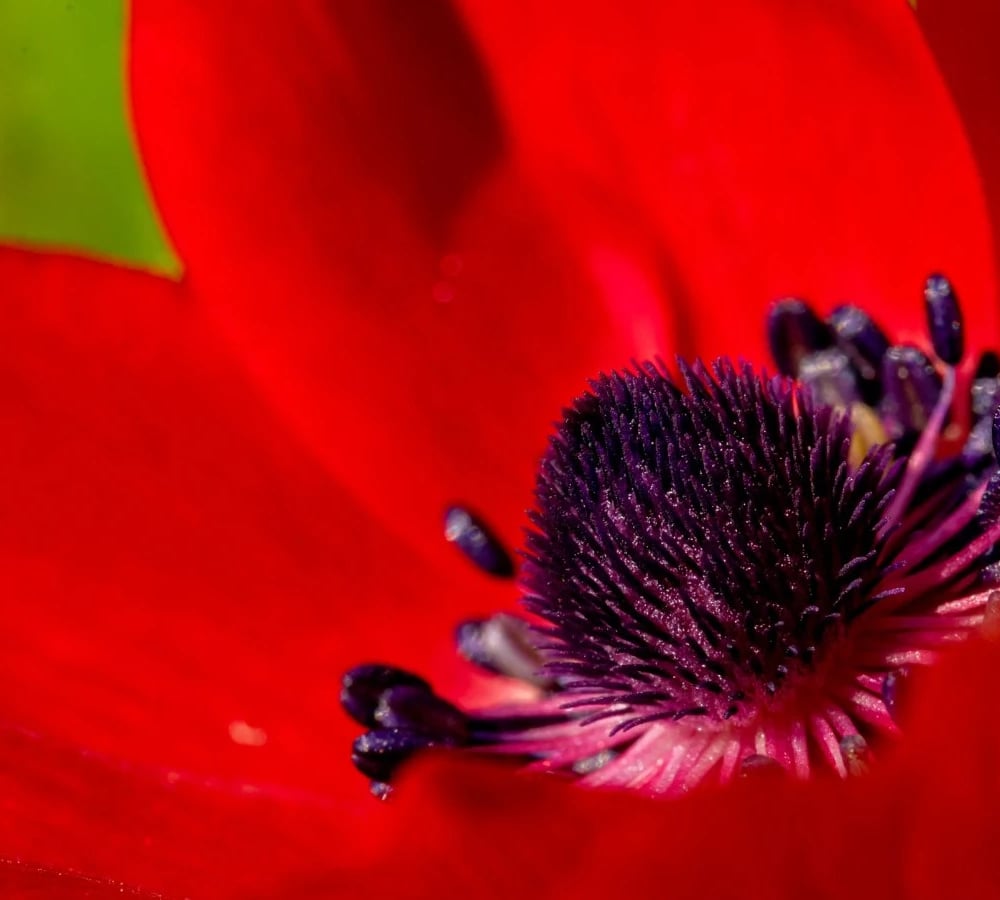
Red anemone flower meaning connects directly to the Adonis myth. A red anemone says, "My love for you runs deep." Florists in the US frequently pair red anemones with garden roses for Valentine's Day arrangements. The De Caen variety produces single-petaled red blooms that measure 2–3 inches across.
White anemone flower meaning
White anemone flower meaning centers on sincerity and peace. Wedding planners across the US favor white anemones because the dark center creates striking contrast against white petals. A single white anemone stem typically costs between $3 and $6 at US flower markets during peak season (January through April).
Purple anemone flower meaning
Purple anemone flower meaning leans toward protection and royalty. In some Eastern European traditions, people hung purple anemones near doorways to ward off illness. Purple De Caen and St. Brigid cultivars bloom with semi-double to double petals, giving arrangements a lush, textured look.




Major anemone flower varieties
Anemone varieties fall into 3 main groups, and each group thrives in different USDA hardiness zones. Knowing the differences helps you choose the right anemone for your garden or bouquet.
Japanese anemone flower
Japanese anemone flower (Anemone hupehensis) grows 2–4 feet tall and blooms from late August through October. Gardeners in USDA Zones 4–8 plant Japanese anemones for reliable fall color. Popular cultivars include 'Honorine Jobert' (white, introduced in 1858) and 'Pamina' (deep pink, double petals). Japanese anemones spread through underground runners and can fill a 3-foot area within 2 seasons.
Wood anemone flower
Wood anemone flower (Anemone nemorosa) hugs the ground at just 6–8 inches tall. This woodland native blooms in early spring — typically March through May in the northeastern US. Each wood anemone plant produces a single flower with 6–7 white petals. Gardeners use wood anemones as ground cover beneath deciduous trees.
Poppy anemone (De Caen and St. Brigid)
Poppy anemones (Anemone coronaria) produce the bold, colorful blooms you see most often at florist shops. De Caen types display single petals, while St. Brigid types show double or semi-double petals. Both groups thrive in USDA Zones 7–10 and bloom from late winter through spring. A pack of 25 De Caen corms typically retails for $8–$15 at US garden centers.
Anemone flower season: when do anemones bloom?
Anemone flower season depends on the variety and your location. Here's a quick guide by region:
- Poppy anemones bloom from February through May in Southern California and the Gulf Coast (Zones 8–10)
- Wood anemones bloom from March through May in the Pacific Northwest and New England (Zones 4–7)
- Grecian windflowers (Anemone blanda) bloom from April through May across the Midwest (Zones 5–8)
- Japanese anemones bloom from August through October in most US regions (Zones 4–8)
US wholesale flower markets stock imported anemones year-round, but domestic anemone season peaks between December and May. California flower farms supply the majority of US-grown anemones during these months.
Looking for anemone-inspired contrast?
Browse red arrangements from local florists and choose a palette that fits your message.
Anemone flower symbolism across cultures
Anemone flower symbolism shifts from culture to culture. Greek traditions link anemones to grief and the fleeting nature of life. Chinese culture associates anemones with illness and death — avoid sending anemones to a Chinese hospital patient. In contrast, Egyptian culture once regarded anemones as symbols of sickness turning to health.
Christian symbolism connects red anemones to the blood of Christ. Some Renaissance painters — including Sandro Botticelli — placed anemones in crucifixion scenes during the late 1400s. European folk medicine practitioners used anemone extracts (now known to contain protoanemonin, a mild toxin) as remedies for headaches and cramps throughout the 1600s.
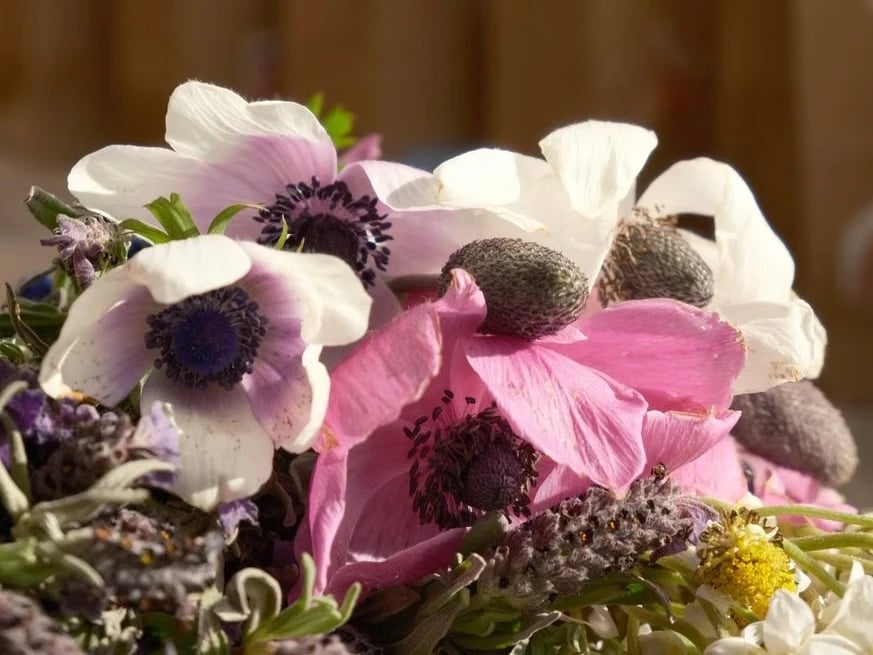
How to choose anemones for your bouquet
Anemone blooms pair well with ranunculus, garden roses, and eucalyptus. Follow these tips to build a standout arrangement:
- Select firm, unopened buds — anemone petals open fully within 2–3 days in a vase
- Mix 2 colors maximum per arrangement to avoid visual clutter
- Add greenery like silver dollar eucalyptus to frame the dark anemone centers
- Trim stems at a 45-degree angle every 2 days to extend vase life to 7–10 days
- Keep the vase away from direct sunlight and fruit bowls (ethylene gas wilts petals faster)
A mixed bouquet featuring 10 anemone stems, ranunculus, and seasonal greenery typically costs $45–$75 from US florists during peak season.
Common mistakes when buying or growing anemones
Anemone buyers and growers run into a few predictable problems. Avoid these pitfalls:
- ✗Planting corms too deep — anemone corms need just 1–2 inches of soil cover, not 4–5 inches like tulip bulbs
- ✗Skipping the pre-soak — dry corms absorb water for 4–6 hours before planting, which doubles germination rates
- ✗Ignoring drainage — anemone corms rot in soggy soil, so add perlite or sand to heavy clay beds
- ✗Choosing the wrong zone — poppy anemones struggle north of Zone 6 without winter mulch protection
Quick care guide for cut anemones
Cut anemones last 5–10 days with proper care. Change the water every other day. Use a clean vase — bacteria shorten anemone vase life by 30–40%. Add one packet of commercial flower food per quart of water. Keep the room temperature below 72°F (22°C). Anemone stems continue to grow after cutting, sometimes adding a full inch in the vase.
One surprising trait: anemones are phototropic. The blooms follow light. Rotate your vase 180 degrees daily to keep stems upright.
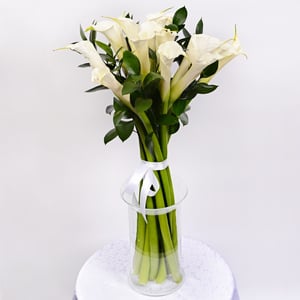

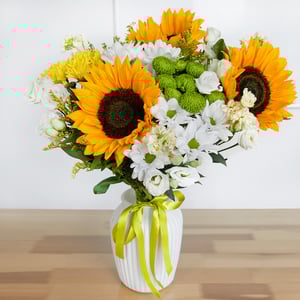

Popular anemone arrangements for US holidays
Anemones fit perfectly into several major US celebrations:
- Valentine's Day (February 14): Red and burgundy anemones paired with red roses create a romantic arrangement that feels unexpected. Florists across the US report growing demand for anemone-based Valentine's bouquets since 2019.
- Mother's Day (second Sunday in May): Pink and white anemones communicate gentle appreciation. A hand-tied bouquet of 15 mixed anemones makes a memorable gift your mom won't see from every other sender.
- Memorial Day (last Monday in May): White anemones carry a solemn, respectful tone. Their mythological connection to loss makes white anemones a thoughtful addition to remembrance arrangements.
The anemone holds a rare spot among flowers: bold enough to anchor an arrangement, symbolic enough to carry a meaningful message, and versatile enough to grow in gardens from San Diego to Boston. Pick a color that matches your intention, pair anemones with a complementary bloom or two, and let the windflower do what it does best — catch every eye in the room.
Send flowers today
Pick an arrangement, add your message, and let a local florist hand-deliver it fresh.
Frequently asked questions about anemone flowers
Are anemone flowers toxic to pets?▾
Yes. All anemone species contain protoanemonin, a compound that irritates the mouth, stomach, and skin of cats and dogs. The ASPCA lists anemones as toxic to both cats and dogs. Keep anemone bouquets on high shelves or in rooms your pets cannot access.
Do anemones come back every year?▾
Japanese anemones and wood anemones return reliably every year in their recommended USDA zones (4–8). Poppy anemones behave as annuals in Zones 3–6 but perennialize in Zones 7–10. Gardeners in cold zones can lift poppy anemone corms in fall and store the corms at 55–60°F until spring replanting.
What flowers pair best with anemones in a bouquet?▾
Ranunculus, garden roses, sweet peas, and hellebores complement anemones beautifully. All four flowers share a similar petal texture. Eucalyptus and dusty miller add structure without competing for attention.
Can I order anemone flower delivery in the US year-round?▾
Most US florists stock anemones from November through May — the natural growing season for domestic and imported poppy anemones. Summer availability drops, so call your local florist to confirm stock between June and October.
How do I keep anemones from drooping in a vase?▾
Trim 1/2 inch off each stem every 2 days. Use cool water (not warm). Support top-heavy blooms with a grid of floral tape across the vase opening. Anemone stems soften naturally over time, so some gentle curving after day 5 is normal.