EUR
 GBP
 CAD
 AUD

 🎃Halloween🎃
 Birthday
 Occasions
 Same Day
 Flowers
 Roses
 Plants
 Gifts
 International Flower Delivery
Jasmine Flower Meaning & Symbolism
- 🌼 Jasmine flower meaning centers on purity, love, and spiritual devotion — themes that hold true across Hindu, Buddhist, Persian, and Western traditions alike.
- 🎨 White jasmine signals innocence and respect, yellow suggests grace and friendship, and pink carries a quieter romantic warmth — choose the color that matches your occasion.
- ✨ The spiritual meaning of jasmine connects to meditation, prophetic dreams, and emotional healing in practices dating back to ancient Egypt around 1000 BCE.
The jasmine flower meaning stretches across more than 200 species in the genus Jasminum and at least 2,000 years of documented human history. Knowing what jasmine stands for helps you pick the right bloom for a wedding garland, a sympathy arrangement, or a simple "thinking of you" gesture. You'll walk away from this page understanding jasmine symbolism by color, by culture, and by spiritual tradition — plus practical tips for keeping jasmine fresh in American climates that range from humid Florida summers to dry Arizona heat.
What does the jasmine flower mean?
Jasmine flower meaning begins with two core ideas: purity and deep affection. Botanists classify most jasmine species under the olive family (Oleaceae). The genus Jasminum contains roughly 200 species, and humans have cultivated jasmine for at least two millennia — first in Persia, then across South and Southeast Asia, and eventually throughout the Mediterranean.
The English word "jasmine" traces back to the Persian yasmin, meaning "gift from God." That etymology matters. Persian poets in the 10th century referenced jasmine in love poetry repeatedly. The flower carried an inherent sense of the sacred.
Here's the short version of what jasmine stands for:
- Purity — white petals signal clean intentions and sincerity
- Love — romantic, familial, and platonic
- Respect — especially in East Asian gift-giving traditions
- Sensuality — the fragrance peaks after sundown, linking jasmine to nighttime and intimacy
- Hope — jasmine blooms even in poor soil, thriving where showier flowers fail
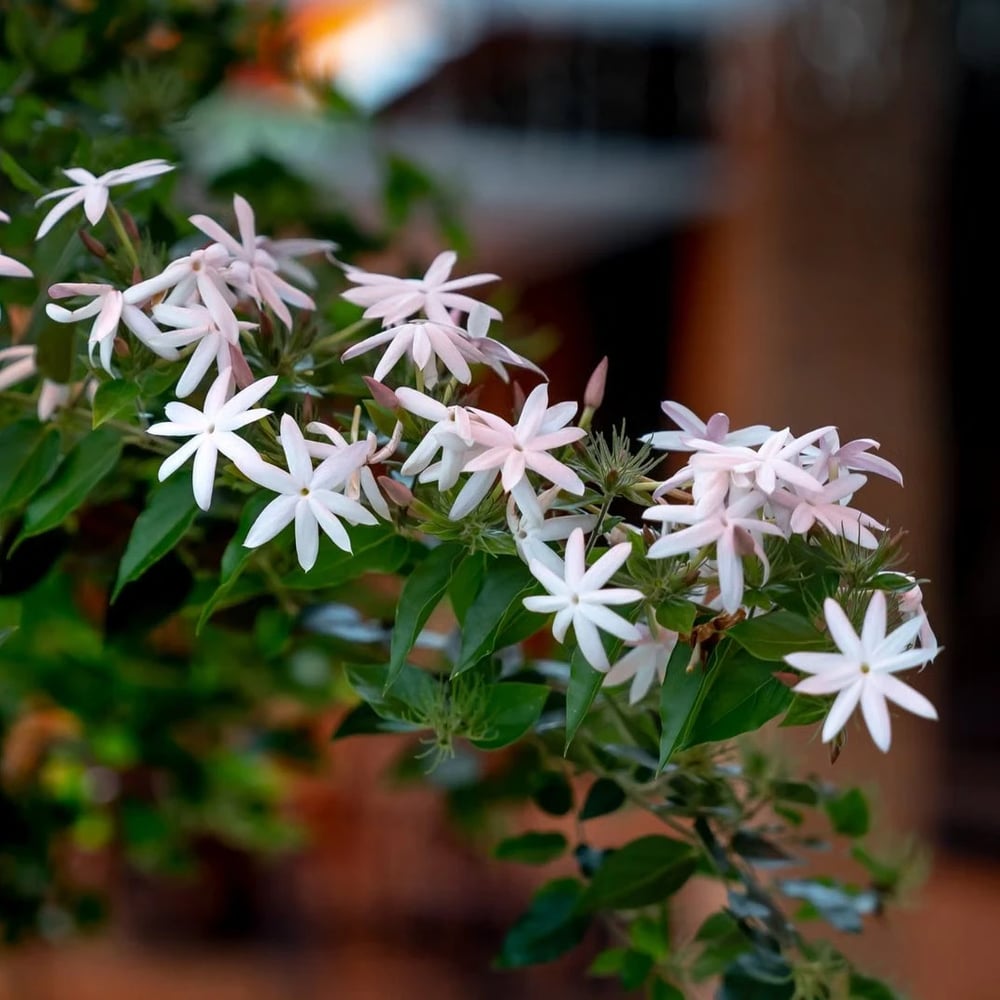
That last point deserves attention. Jasmine grows in USDA hardiness zones 7 through 10. You can cultivate Jasminum polyanthum (pink jasmine) in a pot on a windowsill in Chicago. Jasmine adapts. The flower's resilience shapes part of its symbolic weight.
Jasmine symbolism across world cultures
Jasmine symbolism shifts depending on where you stand on the globe. The flower is not a single idea — cultures bend its meaning toward their own values.
Jasmine in South Asian traditions
India treats jasmine (locally called mogra or malligai) as a sacred flower. Hindu families weave jasmine garlands for temple offerings, weddings, and daily prayer rituals. In Tamil Nadu, women wear jasmine strands in their hair — a tradition documented in Sangam literature dating to roughly 300 BCE.
The city of Madurai, known as the "Jasmine City," trades an estimated 400 metric tons of jasmine annually. That's not decorative trivia; it reflects how deeply jasmine connects to Indian daily life.
Jasmine in Southeast Asia
The Philippines names Jasminum sambac (also called sampaguita) as the national flower. The Philippine government formalized that designation in 1934 through Proclamation No. 652. Filipinos string sampaguita into leis for visitors, religious icons, and celebrations.
Indonesia declared jasmine (melati putih) a national flower in 1990 through Presidential Decree No. 4. Indonesian brides wear jasmine blossoms pinned to their hair and dress during traditional Javanese weddings.
Jasmine in the Middle East and North Africa
Jasmine remains the unofficial flower of Damascus, Syria. Locals call Damascus "the city of jasmine." Tunisian men tuck a sprig of jasmine behind one ear — a social signal that varies by region and context.
In Egyptian culture, jasmine held ceremonial weight as early as 1000 BCE. Ancient Egyptians infused jasmine into oils for embalming and anointing rituals.
Jasmine in East Asia
China associates jasmine with feminine beauty and modesty. The folk song Mo Li Hua ("Jasmine Flower"), first documented in the 18th century, became one of the most recognized Chinese melodies worldwide. Jasmine tea — green tea scented with Jasminum sambac blossoms — originated in China's Fujian province during the Song Dynasty (960–1279 CE).
Japan uses jasmine differently. The flower represents grace and sweetness there, and florists pair jasmine with cherry blossoms for spring arrangements.
Jasmine in Western culture
Victorian-era Europeans used jasmine in the "language of flowers" (floriography). A sprig of white jasmine meant "amiability" or "I attach myself to you." Yellow jasmine signaled "grace and elegance." European perfumers in Grasse, France, began cultivating Jasminum grandiflorum in the 16th century. Grasse remains a center of jasmine production for the fragrance industry today — the region harvests about 27 tons of jasmine blossoms each year.
Jasmine flower spiritual meaning
Jasmine flower spiritual meaning runs deeper than decorative beauty. Multiple spiritual traditions assign jasmine a role in connecting the physical and non-physical worlds.
Jasmine in Hindu and Buddhist practice
Hindu practitioners burn jasmine incense during meditation to quiet the mind. Ayurvedic texts classify jasmine as a cooling, calming herb. Buddhist temples across Thailand and Sri Lanka use jasmine garlands as altar offerings daily.
In Hinduism, jasmine connects to Vishnu and Shiva. Devotees offer white jasmine to Vishnu as a sign of devotion. The flower's nighttime blooming cycle links jasmine to the moon — a spiritual symbol of intuition and inner reflection.
Jasmine in aromatherapy and energy work
Aromatherapists in the United States use jasmine essential oil (Jasminum grandiflorum or Jasminum sambac) for anxiety relief. A 2010 study published in the Journal of Health Research found that participants who inhaled jasmine oil showed lower heart rates compared to a control group.
Energy healers associate jasmine with the crown and heart chakras. The spiritual meaning of jasmine in these practices centers on emotional openness, releasing grief, and cultivating self-worth.
Jasmine and prophetic dreams
Folk traditions in the Middle East and South Asia connect jasmine to prophetic or vivid dreaming. Placing jasmine flowers near your pillow — a practice documented in Persian folk medicine texts — supposedly encourages meaningful dreams. No clinical trials back that claim, but the tradition persists across cultures.
Jasmine in Christian symbolism
Some Christian traditions link white jasmine to the Virgin Mary. The flower's purity and sweet fragrance mirror Marian qualities of grace and motherhood. Italian Renaissance paintings occasionally feature jasmine alongside the Madonna — though roses and lilies appear far more frequently.
Jasmine flower symbolism by color
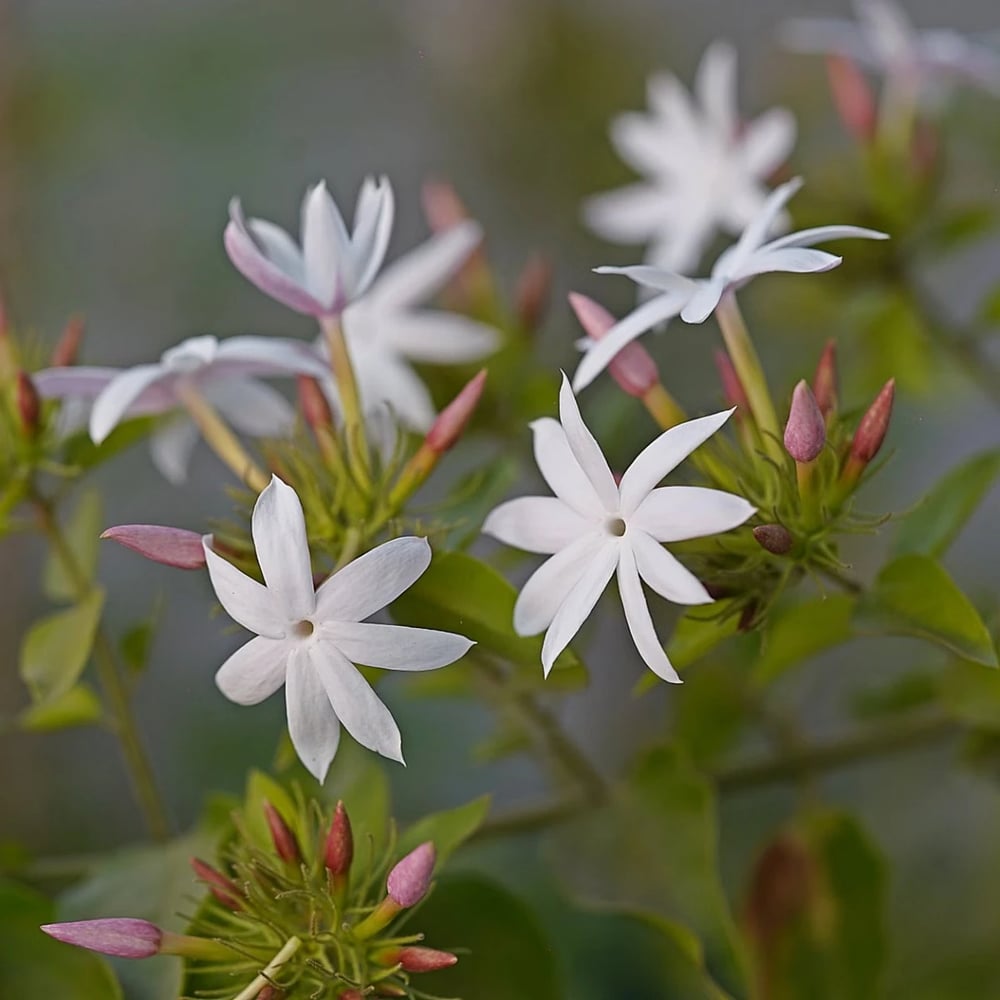
Jasmine flower symbolism changes with petal color. Most people picture white jasmine, but the genus produces yellow, pink, and even faintly orange blooms.
White jasmine
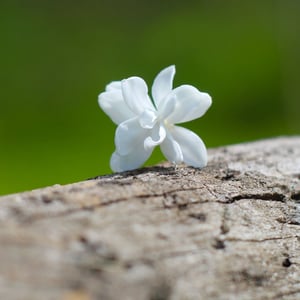
White jasmine (Jasminum sambac, Jasminum officinale) dominates the symbolism conversation. White represents:
- Innocence and purity
- New beginnings — weddings, baby showers
- Sympathy and remembrance — white jasmine appears in funeral arrangements across South and Southeast Asia
- Spiritual devotion
Yellow jasmine
Yellow jasmine (Jasminum humile, also called Italian jasmine) conveys:
- Grace and elegance
- Friendship rather than romantic love
- Warmth and positivity
Note: Gelsemium sempervirens, the Carolina yellow jessamine, is not true jasmine. That plant is toxic. True yellow jasmine belongs to the Jasminum genus. Know the difference before you buy.
Pink jasmine
Pink jasmine (Jasminum polyanthum) carries softer romantic overtones:
- Gentle affection
- Feminine warmth
- Youthful energy
Pink jasmine blooms heavily in spring. American gardeners in zones 8–10 grow pink jasmine outdoors as a vine. Cooler-climate gardeners in zones 5–7 grow pink jasmine in containers and bring the plant indoors before the first frost.
When to gift jasmine flowers
Jasmine fits a surprising range of American occasions. Here's a practical breakdown:
- Valentine's Day (February 14) — white or pink jasmine paired with roses for layered fragrance
- Mother's Day (second Sunday in May) — jasmine symbolizes appreciation and maternal warmth
- Weddings — bridal bouquets, boutonnieres, and reception centerpieces; jasmine's scent intensifies in evening ceremonies
- Sympathy and memorial services — white jasmine conveys gentle respect without overwhelming grief
- Housewarming gifts — a potted Jasminum sambac grows well indoors with bright, indirect light
- Anniversary celebrations — particularly meaningful for couples with roots in South Asian, Middle Eastern, or Filipino cultures
Timing matters. Jasmine peaks in availability between May and September in the U.S. market. Off-season jasmine costs more and may lack the intense fragrance you expect.
Drawn to jasmine’s message of love and devotion?
Express those feelings with a romantic bouquet that speaks straight from the heart.
How to keep jasmine fresh after you receive a bouquet
Cut jasmine wilts faster than sturdier flowers like carnations or chrysanthemums. Follow these steps to extend jasmine's vase life from 3 days to roughly 7 days:
- Trim 1 inch off each stem at a 45-degree angle using sharp scissors.
- Remove leaves that fall below the waterline — submerged leaves breed bacteria.
- Fill a clean vase with cool water (around 65–70°F) and add floral preservative.
- Change the water every 24 hours — jasmine releases compounds that cloud water fast.
- Place the vase away from direct sunlight, heating vents, and fruit bowls (fruit emits ethylene gas, which accelerates wilting).
- Mist jasmine petals lightly each morning during dry months — winter heating in American homes drops indoor humidity below 30%, and jasmine suffers in arid air.
One extra tip: jasmine smells strongest in the evening. Position your vase in the bedroom or living room where you spend time after sundown.
Potted jasmine care for American gardens and homes
Potted jasmine makes a lasting gift. The plant blooms repeatedly across growing seasons, and caring for jasmine in the U.S. requires attention to just a few basics.
Light and temperature
Jasmine needs 4–6 hours of direct sunlight daily. South-facing windows work best in most American homes. Outdoor jasmine thrives in USDA zones 7–10. Keep indoor jasmine away from cold drafts — the plant shows stress below 50°F.
Watering
Water jasmine when the top inch of soil feels dry. Overwatering causes root rot, especially in winter when the plant's growth slows. During summer months, you may water every 2–3 days. In winter, once a week suffices.
Feeding
Apply a balanced liquid fertilizer (10-10-10 ratio) every 2 weeks from April through September. Stop feeding in October. The rest period prepares jasmine for heavier blooming the following spring.
Pruning
Prune jasmine right after the blooming cycle ends. Remove dead or leggy stems. Cut back up to one-third of the vine's length. Pruning stimulates new growth and prevents the vine from becoming tangled.
Common mistakes when buying or growing jasmine
Even flower-savvy people stumble with jasmine. Avoid these pitfalls:
- Confusing Carolina jessamine with true jasmine — Gelsemium sempervirens looks similar but contains toxic alkaloids; check the Latin name before purchasing.
- Expecting jasmine to bloom year-round indoors — jasmine needs a cool dormancy period (around 40–50°F for 6–8 weeks) to trigger spring blooms.
- Placing cut jasmine near heating vents — forced air dries petals within hours.
- Skipping the water change — jasmine fouls vase water faster than most cut flowers; 24-hour water changes double the bloom's display life.
- Buying jasmine in winter without checking the source — off-season jasmine often travels long distances, and the fragrance fades during extended refrigeration.
Jasmine in perfumery and beyond
Jasmine plays a starring role in the fragrance world. Perfumers call jasmine a "heart note" — the scent that anchors a fragrance after the top notes fade. Chanel No. 5, created by Ernest Beaux in 1921, uses jasmine from Grasse, France, as a key ingredient.
Extracting jasmine essence requires labor. Workers pick jasmine flowers by hand at night, when the blooms release peak fragrance. Producing 2.2 pounds (1 kilogram) of jasmine absolute requires roughly 7 million blossoms. That ratio explains why pure jasmine oil costs between $200 and $500 per ounce.
Jasmine also appears in:
- Tea — jasmine green tea ranks among the most consumed scented teas globally; China produces over 100,000 metric tons annually.
- Cuisine — Thai and Indonesian cooks infuse jasmine into rice, desserts, and syrups.
- Skincare — jasmine oil features in serums and moisturizers marketed for dry or sensitive skin types.

A personal take on jasmine
Jasmine earns its reputation honestly. Few flowers cross as many cultural boundaries with their meaning intact. A jasmine blossom on a Hindu altar in Houston carries the same core symbolism as one threaded into a Filipino sampaguita lei in Los Angeles. That consistency says something.
Pick jasmine when you want to say more than "I like you" but less than "let me write you a sonnet." The flower communicates with subtlety. And honestly? A single sprig of jasmine on a nightstand fills an entire room with fragrance by midnight. Sometimes the smallest gesture lands hardest.
What does jasmine mean to you — a childhood memory, a spiritual practice, or simply the best-smelling flower you've ever encountered? Explore jasmine varieties in your and find a bloom that matches your intention.
Planning something as meaningful as a wedding?
Choose bridal blooms that carry jasmine’s symbolism of purity and new beginnings.