EUR
 GBP
 CAD
 AUD

 🎃Halloween🎃
 Birthday
 Occasions
 Same Day
 Flowers
 Roses
 Plants
 Gifts
 International Flower Delivery
Bleeding Heart Flower Meaning & Symbolism
- 💔 The bleeding heart meaning centers on deep romantic love, compassion, and emotional vulnerability — not just sadness, despite the dramatic name.
- 🌸 Pink blooms signal passionate love, white ones stand for purity or remembrance, and red varieties express the most intense devotion.
- 🕊️ The bleeding heart dove (Gallicolumba luzonica), native to the Philippines, carries its own separate symbolism of peace, sacrifice, and resilience.
The bleeding heart flower carries one of the most emotionally loaded names in all of botany. You'll want to understand the bleeding heart meaning before you plant one in your garden, ink one on your skin, or send one to someone grieving — because the symbolism runs deep and sometimes dark. Scottish botanist Robert Fortune brought Lamprocapnos spectabilis to Western gardens in 1846 after collecting specimens in China, and the flower has stirred up poets, tattoo artists, and even political pundits ever since. Here's everything the bleeding heart means across cultures, colors, and contexts.
Bleeding heart flower meaning: more than heartbreak
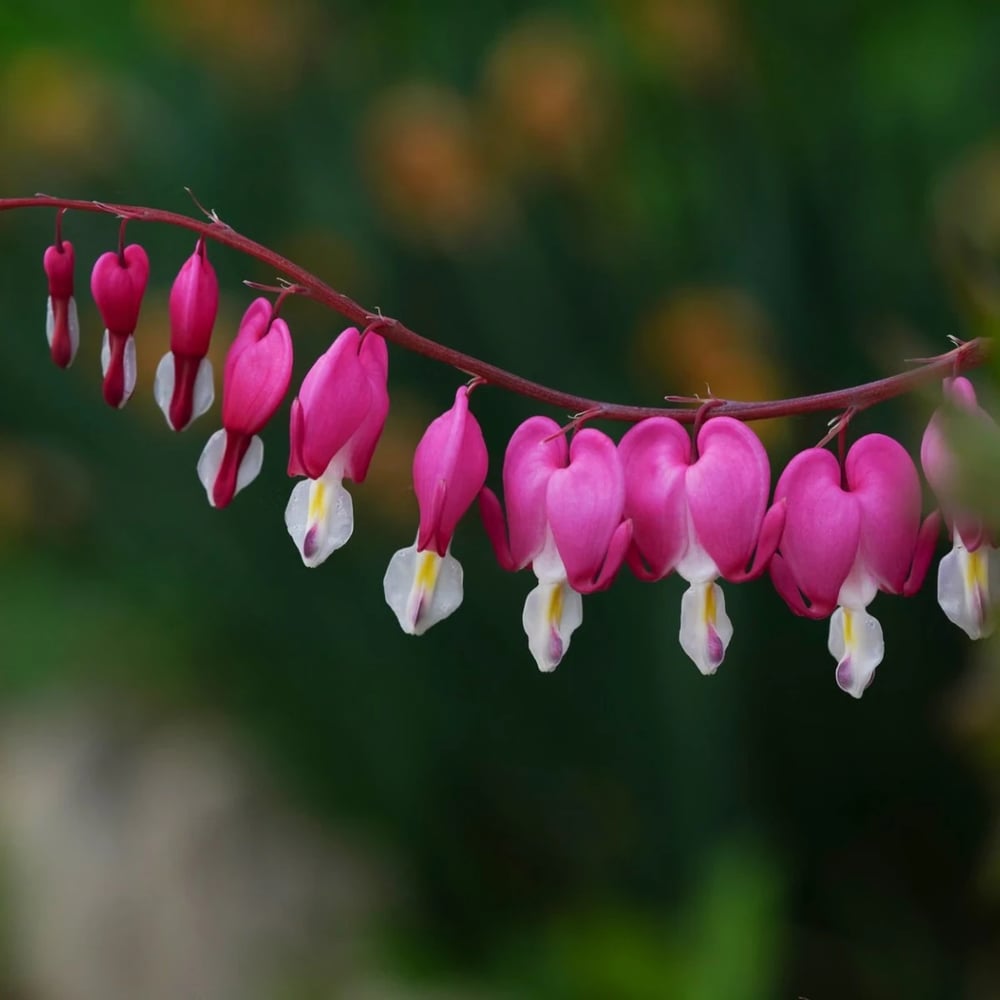
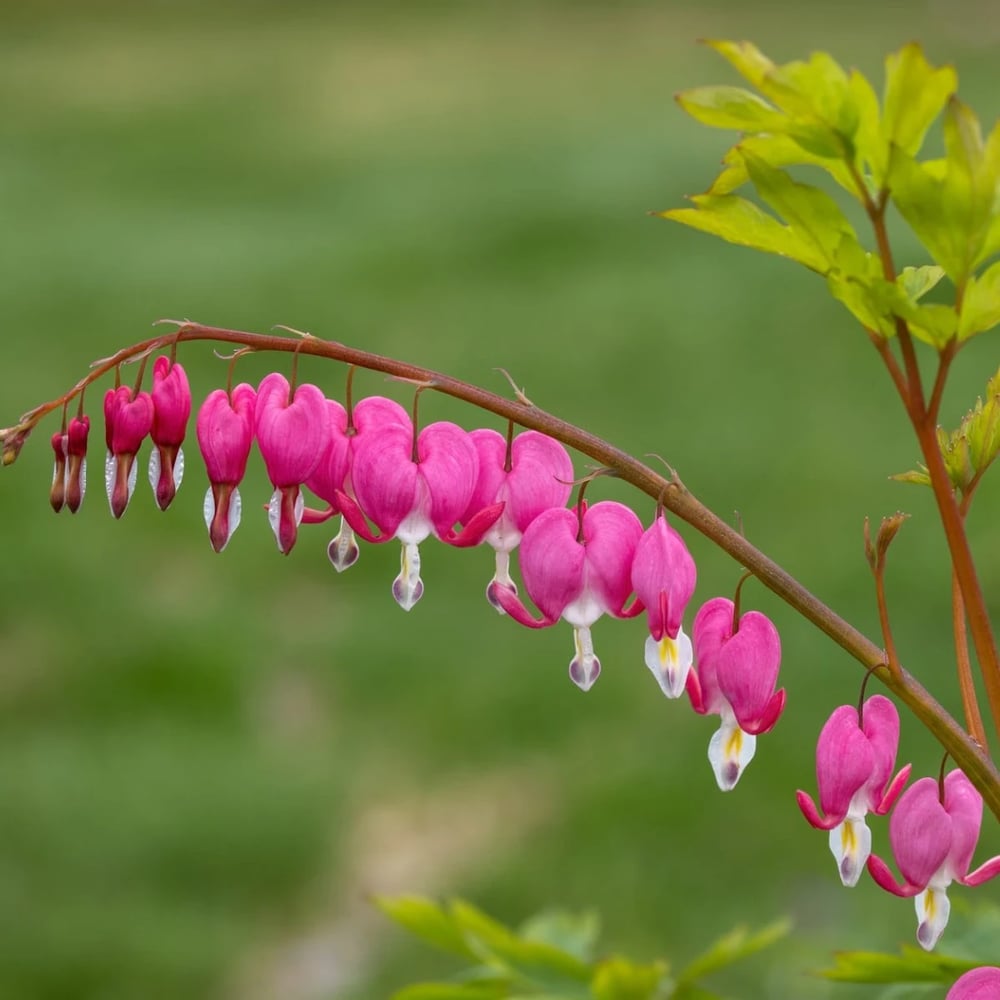
Bleeding heart flower meaning starts with the obvious: the bloom looks exactly like a tiny heart with a single droplet falling from its base. Botanists classify the plant under the family Papaveraceae — yes, the poppy family. That connection matters. Poppies carry associations with sleep, dreams, and remembrance (think Memorial Day). The bleeding heart shares some of that emotional weight.
But here's what most articles skip. The bleeding heart doesn't only mean sorrow. Depending on context, the flower communicates:
- Unconditional love between partners or family members
- Compassion for someone going through hardship
- Emotional openness and willingness to be vulnerable
- Remembrance of a loved one who has passed
The Japanese name Tai-tsurisō translates to "sea bream fishing rod" — a much less romantic image. Still, most East Asian traditions link the bloom to grace and gentle emotion rather than grief.
Bleeding heart symbolism across cultures
Bleeding heart symbolism shifts depending on where you stand in the world. Let's break down the big ones.
Eastern roots
China and Korea both cultivated Lamprocapnos spectabilis long before Robert Fortune shipped specimens back to England. In Korean folklore, a tragic prince offers gifts to a maiden — a pair of shoes, earrings, a lantern, and finally his own heart. Each gift corresponds to a stage of the bleeding heart's bloom structure. The tale ends in heartbreak. The prince takes his own life, and the flower springs from where his blood fell.
That legend gave the bleeding heart its strongest association: love that costs everything.
Western interpretations
Victorian-era gardeners in England and the United States adopted the bleeding heart around the 1850s. The Victorians used a "language of flowers" called floriography. In that system, bleeding hearts communicated a direct message: "My heart bleeds for you." Senders placed the bloom in arrangements to confess unrequited feelings or express deep sympathy after a death.
Religious connections
The Sacred Heart of Jesus — a well-known Catholic symbol since the 17th century — shares visual DNA with the bleeding heart flower. Some Catholic gardeners in Latin America and southern Europe planted bleeding hearts near home altars. The flower's shape mirrored the pierced, bleeding Sacred Heart imagery in devotional art.
Buddhist traditions take a different angle. The bleeding heart evokes compassion (karuṇā), one of the Four Immeasurables. Tibetan garden monks reportedly grew similar Dicentra species near meditation halls as early as the 15th century.
Bleeding heart flower symbolism by color
Bleeding heart flower symbolism changes sharply with color. The plant blooms in a narrow but meaningful range.
Pink bleeding hearts
Pink is the most common variety. Lamprocapnos spectabilis produces arching racemes of 15–20 pink, heart-shaped flowers on stems reaching 24–36 inches tall. Pink bleeding hearts symbolize romantic love, tenderness, and emotional attachment. You'll see them most often at weddings and anniversaries.
White bleeding hearts
The cultivar Lamprocapnos spectabilis 'Alba' produces pure white blooms. White bleeding hearts carry meanings of innocence, spiritual purity, and mourning. Funeral florists across the U.S. sometimes include white bleeding hearts in sympathy arrangements from late April through June, when the plant naturally blooms.
Red bleeding hearts
True red bleeding hearts come from Dicentra formosa hybrids and a few specialty cultivars. Red amplifies the emotional intensity. Red bleeding hearts speak to passion, deep sacrifice, and all-consuming devotion. They're less common in nurseries, which makes them feel more deliberate as a gift.
Gold and yellow varieties
Dicentra scandens, a climbing species, produces yellow flowers. Yellow bleeding hearts break away from the somber palette. Yellow signals friendship, joy, and new beginnings — a refreshing twist on the usual bleeding heart symbolism.
The bleeding heart dove: a separate symbol
Bleeding heart dove symbolism deserves its own section because people frequently confuse the bird with the flower. The Luzon bleeding heart dove (Gallicolumba luzonica) lives exclusively in the forests of Luzon island in the Philippines. The bird's white breast features a vivid red patch that looks exactly like a stab wound.
Here's what the bleeding heart dove represents:
- Peace and nonviolence (it belongs to the dove family, after all)
- Sacrifice and martyrdom — the red "wound" evokes Christ-like imagery
- Resilience in the face of habitat loss (the IUCN lists the species as Near Threatened, with roughly 2,500–10,000 mature individuals remaining as of 2016)
- Filipino cultural pride and natural heritage
The bird appears on Philippine conservation posters, stamps, and educational materials. Don't mix up dove symbolism with flower symbolism in conversation — they overlap thematically but come from completely different traditions.
The bleeding heart meaning of flower in tattoo culture
The bleeding heart meaning of flower shows up frequently in tattoo parlors. A 2022 survey by Statista found that roughly 32% of Americans have at least one tattoo, and floral designs rank among the top 5 most-requested categories.
Bleeding heart tattoos communicate layered messages depending on their design:
- A single bloom on the wrist or collarbone often signals lost love or a memorial
- A full vine wrapping around the forearm expresses ongoing emotional growth
- A bleeding heart paired with a dagger intensifies the theme of betrayal or sacrifice
- A white bleeding heart with a name underneath typically honors a deceased family member
Tattoo artists in cities like Los Angeles, New York, and Austin report that bleeding heart requests spike in spring — mirroring the flower's natural bloom cycle from April through June in USDA hardiness zones 3–9.
Feeling the tender message behind the bleeding heart?
Say it with a romantic bouquet when words aren’t quite enough.
When to give bleeding hearts (and when to think twice)
The bleeding heart suits specific occasions. Knowing when to give one — and when to avoid one — saves you from awkward moments.
Great occasions for bleeding hearts:
- Sympathy and condolence arrangements (especially white blooms)
- Anniversaries celebrating enduring love (pink or red)
- Mother's Day gifts for sentimental moms (second Sunday of May in the U.S.)
- Memorial Day plantings to honor fallen service members (last Monday of May)
- "Thinking of you" gestures during someone's difficult season
Occasions where bleeding hearts send the wrong signal:
- Celebrations like birthdays or promotions (too melancholy)
- New relationships (too intense, too soon)
- Business congratulations (stick with orchids or sunflowers)
- Baby showers (the name alone raises eyebrows)
One practical note: bleeding hearts bloom for about 4–6 weeks in spring. Outside that window, you'll need to order potted plants from specialty nurseries or choose dried/preserved stems.
How to care for bleeding hearts after you get them
You bought a bleeding heart plant or received a potted one as a gift. Now what? Follow these steps to keep the plant thriving through summer dormancy and beyond.
For potted bleeding hearts:
- Place the pot in partial shade — direct afternoon sun scorches the foliage fast, especially in southern states like Georgia or Texas
- Water the soil when the top inch feels dry (roughly every 3–4 days indoors)
- Keep the ambient temperature between 55°F and 75°F
- Feed the plant with a balanced 10-10-10 fertilizer once a month during the bloom period
- Expect the foliage to yellow and die back by mid-July — the plant enters dormancy, not death
For cut bleeding heart stems:
- Trim 1 inch off each stem at a 45-degree angle before placing the stems in water
- Use cool (not cold) water with a packet of flower food
- Change the water every 2 days to prevent bacterial buildup
- Keep the vase away from direct sunlight and heating vents
- Expect a vase life of 5–7 days under good conditions
For garden planting (USDA zones 3–9):
- Choose a spot with morning sun and afternoon shade
- Amend the soil with compost to improve drainage — bleeding hearts hate "wet feet"
- Space plants 18–24 inches apart
- Apply 2 inches of mulch around the base to retain moisture
- Plant in early spring (March–April) or early fall (September) for best root establishment
Common mistakes with bleeding heart flowers
Even experienced gardeners trip up with bleeding hearts. Avoid these pitfalls.
Mistake 1: Panicking when the plant "dies" in summer. Bleeding hearts go dormant after blooming. The foliage turns yellow, then brown, then vanishes. Mark the spot with a garden stake so you don't accidentally dig up the roots.
Mistake 2: Planting in full sun. The plant tolerates morning light but wilts under 6+ hours of direct afternoon exposure. A north- or east-facing garden bed works best in most U.S. climates.
Mistake 3: Overwatering. Soggy soil causes root rot within 2–3 weeks. Test soil moisture at a 2-inch depth before watering.
Mistake 4: Ignoring toxicity. All parts of the bleeding heart contain isoquinoline alkaloids. The ASPCA classifies Lamprocapnos spectabilis as toxic to dogs, cats, and horses. Keep pets and small children away from the plant.
Mistake 5: Assuming all "bleeding hearts" look alike. Classic Lamprocapnos spectabilis grows 24–36 inches tall with arching sprays of pendant flowers. Fringed bleeding hearts (Dicentra eximia) stay compact at 12–18 inches and bloom from spring through fall. The fringed type handles heat better, making it a stronger pick for gardeners in zones 7–9.
The political "bleeding heart" — a quick detour
You might already know the phrase "bleeding heart liberal." Columnist Westbrook Pegler first popularized the political insult in the 1930s, using "bleeding heart" to mock New Deal supporters he saw as overly sentimental. By the 1960s, the phrase had cemented itself in American political vocabulary. The Cambridge English Dictionary still defines "bleeding heart" as "someone who shows too much sympathy for everyone."
That political meaning has nothing to do with the flower itself — but it colors public perception. Some people hesitate to use the term "bleeding heart" in garden contexts because of the political baggage. Worth knowing, especially if you write plant labels or gift card messages.

Bleeding heart meaning in art and literature
Artists and writers have drawn on bleeding heart symbolism for centuries. A few notable examples:
- Emily Dickinson referenced heart imagery that scholars link to the bleeding heart plant in at least 4 poems written during the 1860s
- Pre-Raphaelite painter Dante Gabriel Rossetti included heart-shaped floral motifs in works like Beata Beatrix (1864–1870)
- Modern illustrators on platforms like Etsy sell over 12,000 bleeding heart–themed prints, greeting cards, and digital art files
- The video game Undertale (2015) features a heart motif in its combat system that many fan communities associate with bleeding heart symbolism
The flower keeps showing up in album art, book covers, and indie film posters. The shape reads instantly — no explanation needed.
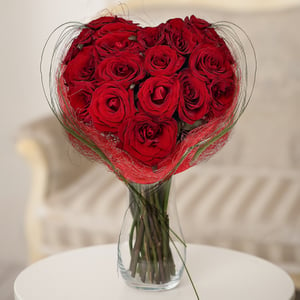
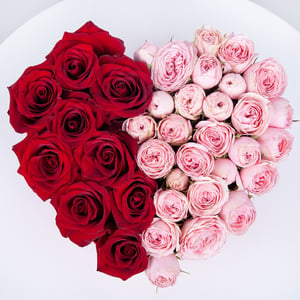
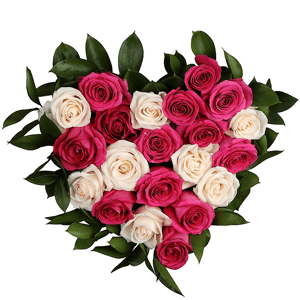
Ready to turn the meaning into a gift?
Choose an anniversary bouquet that speaks of deep, lasting love.