EUR
 GBP
 CAD
 AUD

 🎃Halloween🎃
 Birthday
 Occasions
 Same Day
 Flowers
 Roses
 Plants
 Gifts
 International Flower Delivery
African Daisy & African Flowers Guide
- 🌼 African daisies (Osteospermum) grow as perennials in USDA zones 9–11 and as annuals everywhere else, blooming best in temperatures between 55°F and 70°F with at least 6 hours of direct sun daily.
- 🪴 Start African daisy seeds indoors 6–8 weeks before your last frost date, space seedlings 12–18 inches apart, and water only when the top inch of soil dries out — overwatering kills these plants faster than drought.
- 🎨 African daisy colors span purple, white, yellow, pink, orange, and bicolor, with newer 4D cultivars that stay open at night instead of closing like traditional varieties.
The African daisy (Osteospermum) brings over 70 recognized species from southern Africa straight into American gardens, and each one earns its spot. You want bold color from spring through fall without constant fussing — this flower delivers exactly that. African daisy plants thrive in USDA hardiness zones 9 through 11 as perennials, and gardeners across the rest of the country grow them as cool-season annuals. Whether you're filling a border bed, stacking containers on a patio, or looking for pollinator-friendly blooms, you'll find real answers here: planting, care, troubleshooting, and variety selection.
What makes the African daisy stand out among African flowers
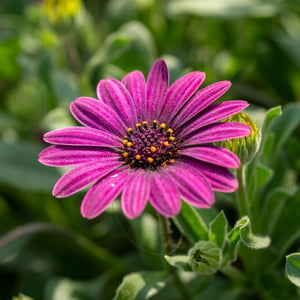
The African daisy belongs to the Asteraceae family, the same family as sunflowers and classic garden daisies. But Osteospermum species look distinctly different. Each bloom features a dark central disc — often blue or deep purple — surrounded by spoon-shaped or flat petals in striking hues. A single African daisy flower typically measures 2 to 3 inches across.
Here's what catches most gardeners off guard: the petals close at night and on heavily overcast days. The 4D series from Monrovia changed that pattern. Monrovia's 4D African Daisy cultivars stay open around the clock, giving you color even after sunset.
The Osteospermum genus originates from the eastern and southern regions of Africa. Botanists have documented roughly 70 species across South Africa, Tanzania, and the Arabian Peninsula. That South African heritage explains why the African daisy plant handles drought, sandy soil, and intense sunlight so well. The plant evolved for survival in lean conditions.
Don't confuse Osteospermum with Arctotis, another South African daisy relative. Both share the common name "African daisy," but Arctotis leaves feel fuzzy and silver-gray, while Osteospermum leaves grow smooth, dark green, and slightly leathery. The distinction matters when you're shopping at a nursery.
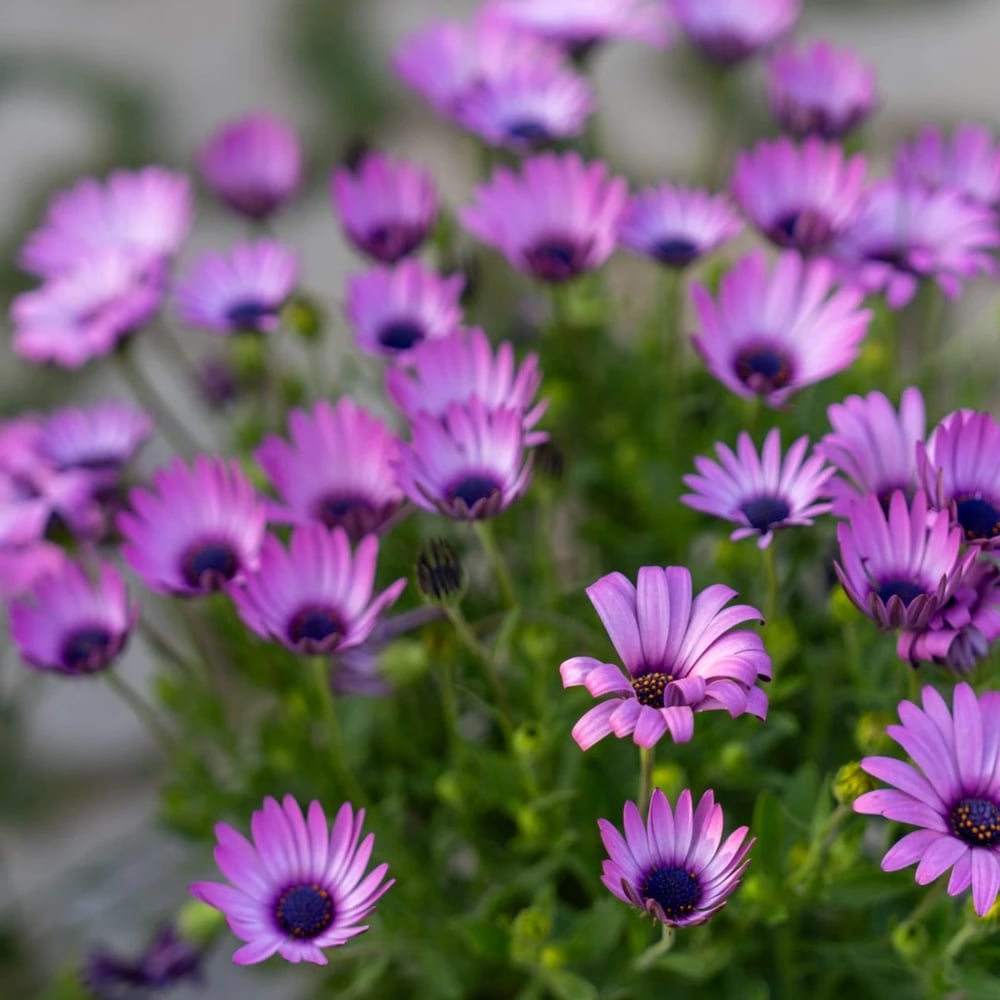
African daisy: perennial or annual?
Gardeners ask this question constantly: is the African daisy perennial or annual? The honest answer — both, depending on where you live.
Perennial zones: In USDA hardiness zones 9 through 11, which cover parts of California, Florida, Texas, and Arizona, the African daisy perennial form returns year after year. Plants survive mild winters without protection and can live 3 to 5 years in the ground.
Annual zones: Gardeners in zones 3 through 8 treat the African daisy annual form as a single-season plant. Frost kills the stems and roots. A hard freeze at 25°F or below destroys the entire plant.
The workaround: You can overwinter potted African daisies indoors. Bring containers inside before the first frost, place the pots near a south-facing window, and keep temperatures above 40°F. Cut watering by half during winter dormancy.
| Climate zone | Growth habit | Expected lifespan |
|---|---|---|
| Zones 9–11 | Perennial | 3–5 years |
| Zones 7–8 | Short-lived perennial (with protection) | 1–2 years |
| Zones 3–6 | Annual | Single season |
African daisy colors and popular varieties
The African daisy colors available today go far beyond the original wild species. Breeders have pushed the palette wide open.
Purple African daisy
The purple African daisy remains the most popular choice at American garden centers. Cultivars like 'Osteospermum 4D Violet Ice' — sold by Annie's Annuals for $11.75 per plant — produce semi-double flowers in deep violet with a blue-purple center disc. The purple African daisy pairs well with silver foliage plants like dusty miller or lamb's ear.
White African daisy
A white African daisy variety like 'Osteospermum Compact White' gives you clean, bright blooms that soften mixed borders. White cultivars tend to grow slightly more compact, reaching 10 to 14 inches tall. Plant white varieties alongside purple or orange types for maximum contrast.
Yellow African daisy
The yellow African daisy brings warm tones into beds and containers. 'Zion Copper Amethyst' from Annie's Annuals blends copper-yellow petals with amethyst streaks — a bicolor effect you won't find in most daisies. Yellow varieties tolerate heat slightly better than purple ones, making them a strong pick for gardens in zones 9 and 10.
Blue disc African daisy
The blue disc African daisy refers to varieties with especially vivid metallic-blue center discs. That blue center appears across many Osteospermum species, but certain cultivars intensify the color. Look for 'Soprano' and 'Serenity' series for the most pronounced blue centers.
How to start African daisy seeds
Growing African daisy seeds from scratch saves money and gives you access to varieties that local nurseries might not carry. Here's the step-by-step process:
- Sow seeds indoors 6 to 8 weeks before your region's last frost date (check the USDA map or your county extension office for exact dates)
- Press seeds lightly into moist seed-starting mix — do not cover them, because African daisy seeds need light to germinate
- Keep seed trays at 60°F to 68°F for best germination
- Expect sprouting within 10 to 15 days
- Transplant African daisy seedlings outdoors after all frost danger passes
African daisy seedlings look fragile at first. The cotyledon leaves appear small and round. True leaves — the ones with the characteristic slightly lobed edges — develop within 2 weeks of sprouting. Wait until seedlings produce at least 4 true leaves before hardening them off outdoors.
Quick tip: Harden off seedlings over 7 to 10 days. Start with 2 hours of outdoor shade on day one. Gradually increase sun exposure. By day 10, leave seedlings outside overnight (as long as temperatures stay above 40°F).
African daisy care: soil, sun, and water
African daisy care comes down to mimicking South African growing conditions — bright sun, lean soil, and infrequent watering. Get these three factors right and the plant practically takes care of itself.
Sunlight
African daisy plants need a minimum of 6 hours of direct sunlight daily. Eight hours produce the densest blooms. In areas with blazing afternoon heat (Phoenix, Las Vegas, inland Southern California), provide light afternoon shade — about 2 hours of filtered light from 2 PM to 4 PM — to prevent wilting.
Soil requirements
Sandy, well-draining soil works best. African daisies despise wet feet. Aim for a soil pH between 5.5 and 5.8. Heavy clay soil needs amendment: mix in 3 to 4 inches of coarse sand or perlite before planting.
Container gardeners should use a mix of 60% potting soil and 40% perlite. This ratio prevents water from sitting around the roots.
Watering
Water deeply but infrequently. Soak the root zone, then let the top inch of soil dry out completely before watering again. During a typical spring in zones 8–10, that means watering roughly every 5 to 7 days. In midsummer heat, you might water every 3 to 4 days.
Overhead watering encourages fungal problems. Water at the base of the plant, not on the leaves.
Feeding schedule
Apply a balanced 10-10-10 granular fertilizer once at planting time. Follow up with a half-strength liquid fertilizer every 3 to 4 weeks during the bloom season. Too much nitrogen pushes leaf growth at the expense of flowers.
African daisy leaves: spotting problems early
African daisy leaves serve as an early warning system. Healthy leaves look dark green, slightly glossy, and feel firm to the touch. Problems show up fast:
- Yellowing lower leaves signal overwatering or poor drainage — reduce watering frequency immediately
- Brown crispy edges indicate sunburn or underwatering — check soil moisture and provide brief afternoon shade
- Gray fuzzy patches point to downy mildew — improve air circulation and avoid wetting the foliage
- Stippled or bronzed leaves suggest spider mite damage — spray the undersides of leaves with a strong jet of water, or apply neem oil
Deadheading spent blooms encourages continuous flowering. Pinch or cut the flower stem back to the nearest leaf junction. Do this every 3 to 5 days during peak bloom season (April through June and September through November in most US regions).
Love these cheerful, sun-loving blooms?
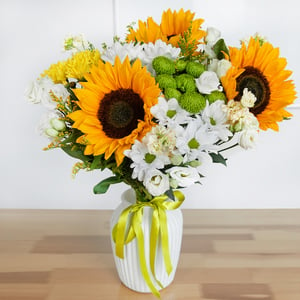
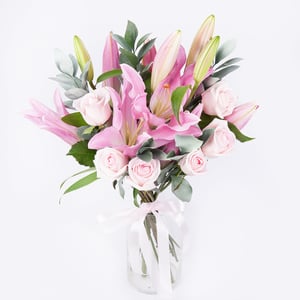
Bring the same bright energy indoors with vivid summer bouquets.
Other stunning African flowers worth knowing
The African daisy shares its continent with dozens of remarkable species that have crossed into American gardens. Understanding these related African flowers helps you build a garden with year-round interest.
African lily flower (Agapanthus)
The African lily flower, or Agapanthus, produces dramatic globe-shaped clusters of trumpet blooms — usually blue, purple, or white — on stalks reaching 3 to 4 feet tall. Agapanthus grows as a perennial in USDA zones 6 through 11. Gardeners in colder zones grow Agapanthus in large containers and overwinter the containers indoors.
African violet flower
The African violet flower (Saintpaulia) thrives as a houseplant across all US regions. African violet flowers bloom in purple, blue, pink, red, and white. These compact plants need bright indirect light — never direct sun — and temperatures between 65°F and 80°F. African violet flowers open continuously when you maintain consistent moisture without letting the crown stay wet.
African bush daisy (Euryops)
The African bush daisy (Euryops pectinatus) grows as a small shrub, reaching 3 to 6 feet tall in frost-free climates. Bright yellow flowers cover the plant nearly year-round in zones 9 through 11. The African bush daisy needs more water than Osteospermum and prefers slightly richer soil.
African marigold flowers (Tagetes erecta)
African marigold flowers — despite the name — actually originated in Mexico and Central America. Portuguese traders brought marigold seeds to Africa in the 16th century, and the common name stuck. African marigold flowers grow 1 to 3 feet tall and bloom in yellow, gold, and orange. American gardeners plant them as annuals after the last frost, often around Memorial Day weekend in northern states.
African starfish flower (Stapelia)
The African starfish flower (Stapelia) earns attention for all the wrong reasons — and the right ones. These South African succulents produce star-shaped blooms up to 12 inches across. The flowers smell like rotting meat to attract pollinating flies. Grow Stapelia as a houseplant or outdoor succulent in zones 10 and 11. The visual impact of the African starfish flower justifies the odor, honestly.
South African flowers in garden design
South African flowers share similar needs: lean soil, good drainage, and full sun. Group your African daisy with Agapanthus, Euryops, and Gazania for a planting scheme rooted in southern African ecosystems. These flowers native to Africa all tolerate drought once established, making them practical choices for water-wise landscaping in California, Texas, and the Desert Southwest.
Seasonal planting guide for US gardeners
The African daisy performs differently depending on your region. Match your planting schedule to local conditions:
| US region | Best planting time | Peak bloom period |
|---|---|---|
| Pacific Coast (CA, OR) | February – March | April – June, September – November |
| Desert Southwest (AZ, NV) | October – November | November – April |
| Gulf Coast (TX, FL, LA) | October – November | November – May |
| Southeast (GA, SC, NC) | March – April | April – June |
| Midwest & Northeast | May (after last frost) | June – September |
In the Desert Southwest, African daisies actually perform as winter-blooming annuals. Tucson and Phoenix gardeners plant in October for blooms starting in November. Summer heat above 90°F typically shuts down flowering, and temperatures above 100°F can kill the plant outright.
Common mistakes with African daisy plants
Five errors trip up most gardeners. Avoid them and your success rate jumps dramatically.
Overwatering. The number-one killer. African daisy roots rot in soggy soil within days. If your pot has no drainage hole, drill one before planting.
Too much fertilizer. Heavy feeding produces leggy, floppy stems with few flowers. Stick to the feeding schedule: once at planting, then every 3–4 weeks at half strength.
Planting too close together. African daisy seedlings look small, so gardeners pack them tightly. Space plants 12 to 18 inches apart. Crowded plants develop poor air circulation and invite fungal diseases.
Ignoring temperature cues. African daisies thrive between 55°F and 70°F. Above 80°F, flowering slows. Above 90°F, blooms stop entirely. Plan for spring and fall color in hot climates, not summer.
Forgetting to deadhead. Spent flowers left on the plant redirect energy toward seed production, not new blooms. Deadhead every few days. It takes 30 seconds per plant.
Beautiful African flowers for US holidays and occasions
Knowing when to feature beautiful African flowers throughout the year helps you plan a garden that always has something to offer — or gives you ideas for gifting.
Mother's Day (second Sunday in May): Purple African daisies in a decorative container make a living gift. The plant blooms through June in most US regions, outlasting cut flowers by weeks.
Memorial Day (late May): White African daisy arrangements honor solemnity with brightness. Combine white Osteospermum with blue Agapanthus (African lily flower) for a patriotic palette.
Fourth of July: Red Gazania, white African daisies, and blue Agapanthus create a South African-inspired red, white, and blue display.
Fall porch displays (September – November): Yellow African daisy and copper-toned varieties complement pumpkins and autumn décor. African daisies rebloom strongly as temperatures cool into the 60s and 70s.
Thanksgiving (fourth Thursday in November): African marigold flowers in gold and orange tones fit the harvest theme for table centerpieces and front porch containers.
How to keep cut African daisies fresh indoors
Cut African daisy flowers can last 5 to 7 days in a vase. Follow these steps:
- Cut stems early in the morning when the plant holds the most moisture
- Use sharp, clean scissors and cut at a 45-degree angle
- Remove any leaves that would sit below the water line
- Fill the vase with cool (not cold) water and add one packet of floral preservative
- Change the water every 2 days and re-trim 1/4 inch from the stems each time
- Place the vase away from direct sunlight, heating vents, and fruit bowls (fruit releases ethylene gas, which ages flowers faster)
One thing to know: cut African daisies may close at night indoors too. The petals respond to light levels. Place the vase near a lamp in the evening and the blooms will often stay open longer.
Building a full garden with flowers native to Africa
You can build an entire garden bed using only flowers native to Africa. These species evolved under similar conditions — sandy soil, seasonal drought, intense UV — and they look natural together.
Front row (6–12 inches tall): African daisy varieties (Osteospermum), Gazania, and ice plant (Delosperma) as ground covers.
Middle row (12–24 inches tall): African marigold flowers (Tagetes erecta), Euryops (African bush daisy), and Felicia (blue marguerite).
Back row (24–48 inches tall): African lily flower (Agapanthus), bird of paradise (Strelitzia reginae), and red hot poker (Kniphofia).
Accent pots: African violet flowers (Saintpaulia) in shaded porch areas. African starfish flower (Stapelia) in full-sun containers.
This layered approach uses South African flowers exclusively and creates a cohesive look. All these South African flower species share a preference for well-drained soil and moderate to low water — a practical choice for drought-prone parts of the US.
Your garden, your experiment
Growing an African daisy teaches you something useful about plants in general: the toughest-looking flowers often come from the toughest environments. South African plains get baked by sun, stripped by wind, and starved of rain — and Osteospermum thrives there anyway. Bring that same resilience into your yard, and you'll spend less time fussing and more time noticing how many butterflies show up.
Start with one 4-inch nursery pot. Just one. Set it where it gets morning sun. Water it when the soil dries out. Watch what happens over the next 6 weeks. That single plant might change how you think about your whole garden.
What's your experience — have you tried African daisies in your zone? Drop a note and share what worked for you.
Want to put a smile on someone’s face?
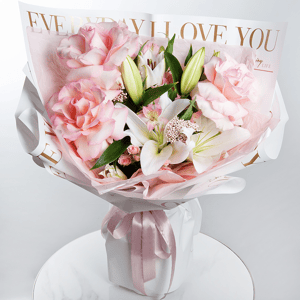
Send a bold, colorful bouquet as upbeat as an African daisy in full bloom.