EUR
 GBP
 CAD
 AUD

 Birthday
 Same Day
 Occasions
 Flowers
 Roses
 Plants
 Gifts
 International Flower Delivery
Lilac Bush Meaning & Growing Guide
- 🌸 A lilac bush blooms reliably with 6+ hours of direct sun, well-drained soil close to pH 7, and pruning within 3 weeks after the flowers fade.
- 💜 Purple lilacs symbolize first love, white lilacs signal innocence, and the whole genus stands for renewal because the shrubs flower in April and May.
- 🌳 Small yards suit a dwarf lilac such as 'Palibin' (4–5 feet tall), while a Japanese tree lilac (20–30 feet, June blooms) adds height. Cut stems last 3–5 days in a vase.
A lilac bush can bloom for generations. Gov. Benning Wentworth planted lilacs at his Portsmouth, New Hampshire, estate around 1750, and shrubs from that planting still flower there today. Whether you're planting a shrub or sending a bouquet to someone you love, a few choices make all the difference: picking the right variety, reading the lilac flower meaning correctly, and pruning at the right time. Get them right, and you'll avoid years of leafy, flowerless frustration. Below you'll find what lilacs symbolize, which types suit your yard, how to care for a lilac bush through the seasons, and how to keep cut lilacs fresh in a vase.
What is a lilac bush? Quick facts about the lilac flower
A lilac bush belongs to the genus Syringa, a group of about 12 species in the olive family (Oleaceae). The common lilac, Syringa vulgaris, comes from the rocky hills of the Balkan Peninsula. European settlers brought it to North America in the 1600s, and George Washington noted in his 1785 diary that he transplanted lilacs at Mount Vernon.
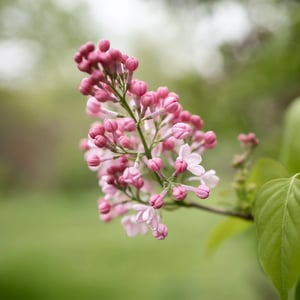
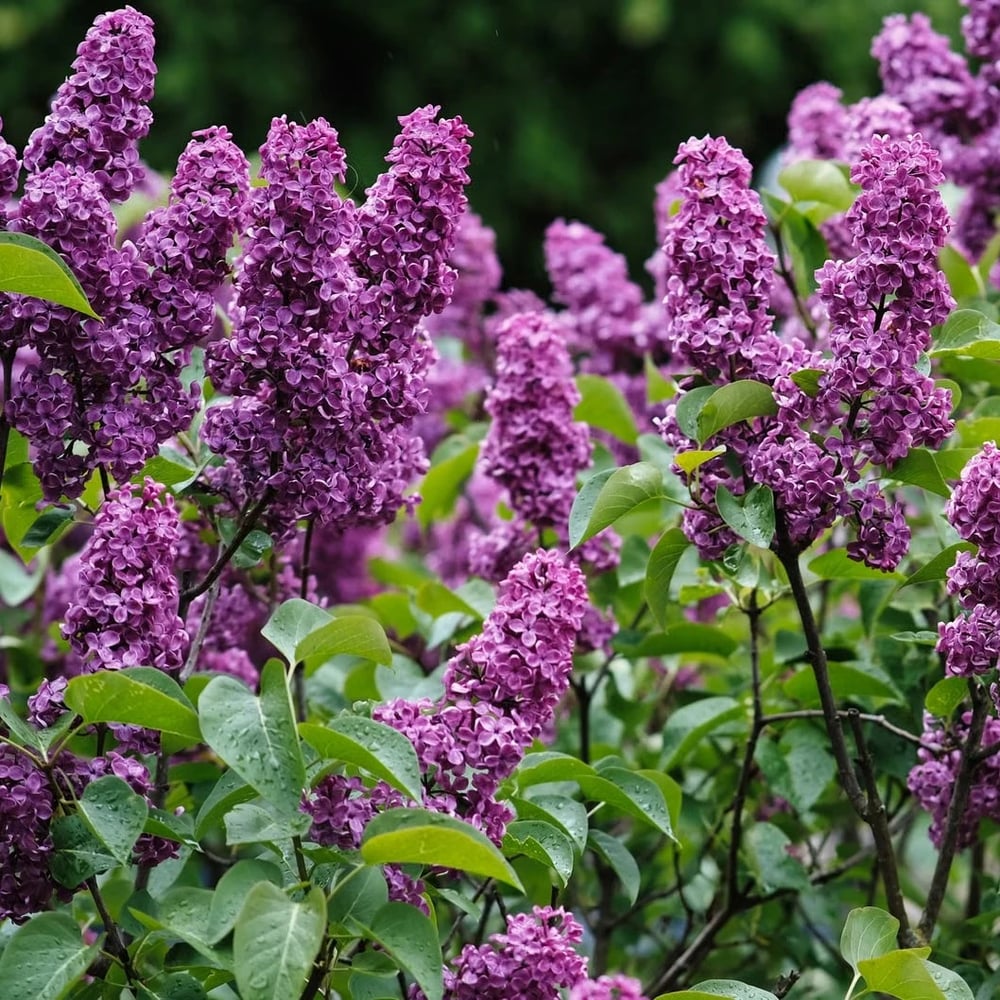
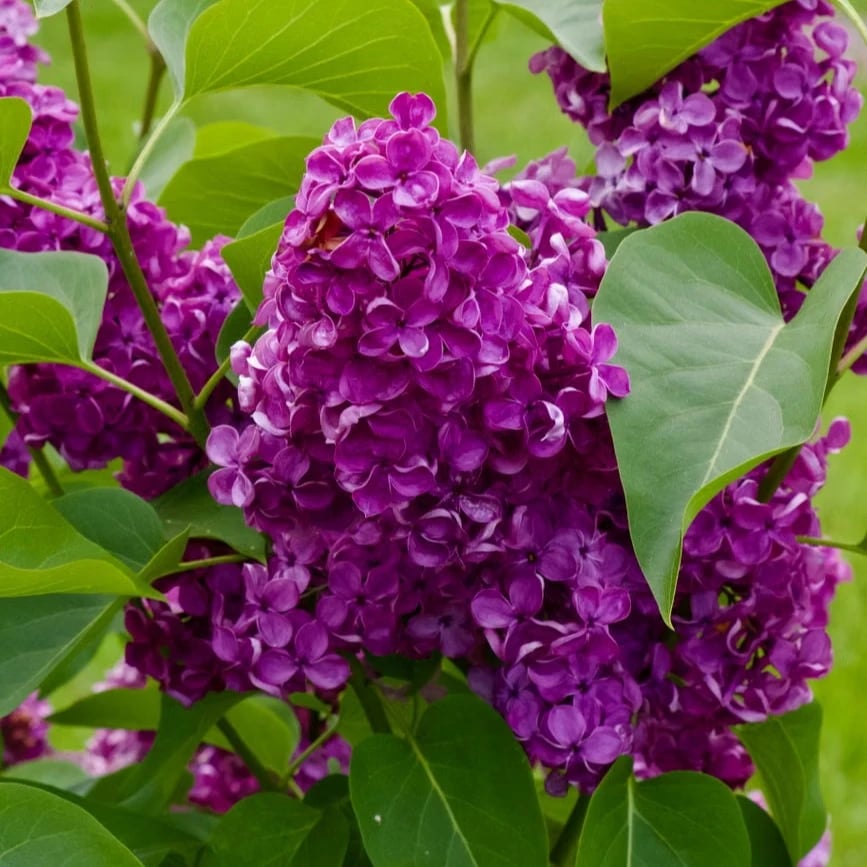
Here's what the plant looks like up close. Each lilac flower has 4 petals, and hundreds of these tiny blooms pack into cone-shaped clusters called panicles. A single panicle often reaches 6–8 inches long. According to The Morton Arboretum in Lisle, Illinois, the common lilac grows 8–15 feet tall and 6–12 feet wide.
Fragrance is what sells this shrub. Breeders have released more than 2,000 cultivars of the common lilac. French nurseryman Victor Lemoine bred over 200 of them in Nancy, France, in the late 1800s, and gardeners still call those double-flowered varieties "French lilacs."
Bonus fact: New Hampshire adopted the purple lilac as its state flower in 1919.
Lilac flower meaning: what do lilacs symbolize?
The symbolism of the lilac bush dates back to ancient Greece. In one myth, the god Pan chased a nymph named Syringa. To escape him, she turned into a lilac shrub. Pan cut the hollow stems and made the first panpipes. The genus name comes from the Greek word syrinx, meaning "pipe."
In the 1800s, Victorian florists turned lilacs into a coded message. In the language of flowers, a purple lilac whispered "the first emotions of love." Honestly, few flowers carry such a gentle, specific meaning.
Lilac flower meaning by color
Color changes the message. Check this table before you choose stems for a bouquet:
| Lilac color | Traditional meaning | Good fit for |
|---|---|---|
| Purple | First love, early romance | A new relationship, a first anniversary |
| White | Innocence, purity | Weddings, christenings, graduations |
| Blue | Happiness, calm | Housewarmings, "thinking of you" notes |
| Magenta | Passion, love of life | A partner's birthday |
| Violet | Spirituality, reflection | Sympathy and remembrance |
Lilacs in American memory and celebrations
In the US, lilacs also signal renewal and remembrance. Walt Whitman wrote "When Lilacs Last in the Dooryard Bloom'd" in 1865 as an elegy for President Abraham Lincoln. Ever since, many Americans have linked violet and purple lilacs with honoring someone they lost.
Lilacs mean celebration, too. Rochester, New York, has hosted a lilac festival in Highland Park since 1898. Boston's Arnold Arboretum has held Lilac Sunday on Mother's Day since 1908. And Mackinac Island, Michigan, throws a 10-day lilac festival every June, a tradition that started in 1949.


Types of lilac bushes for American gardens
Each type of lilac bush suits a different yard, climate, and bloom window. Picture your space first: a narrow side yard, a wide lawn, or a spot near the street. Then match the plant to it.
| Lilac type | Botanical name | Mature size | Bloom time | USDA zones |
|---|---|---|---|---|
| Common lilac | Syringa vulgaris | 8–15 ft tall | Late April–May | 3–7 |
| Japanese tree lilac | Syringa reticulata | 20–30 ft tall | June | 3–7 |
| Dwarf Korean lilac 'Palibin' | Syringa meyeri 'Palibin' | 4–5 ft tall | May | 3–7 |
| 'Miss Kim' lilac | Syringa pubescens subsp. patula 'Miss Kim' | 6–9 ft tall | Late May | 3–8 |
| Reblooming lilac (Bloomerang®) | Syringa hybrid | 4–5 ft tall | May, then again late summer | 3–7 |
Japanese tree lilac
The Japanese tree lilac breaks the shrub mold. Syringa reticulata grows as a small tree, 20–30 feet tall and 15–25 feet wide. Creamy white flower clusters up to 12 inches long open in June, about 2–3 weeks after common lilacs finish. Shiny reddish-brown bark, a bit like cherry bark, gives the tree winter interest.
Cities love this tree. The cultivar 'Ivory Silk' lines streets in Minneapolis, Chicago, and Denver because it tolerates road salt and compacted soil. One honest note: the fragrance is musky, closer to privet than to a classic lilac.
Dwarf lilac bush
A dwarf lilac bush fits patios, foundation beds, and large containers. 'Palibin' stays 4–5 feet tall and covers itself in pale pink-lavender blooms each May. 'Miss Kim' grows a bit larger and turns burgundy in fall. Proven Winners' Bloomerang® series flowers in spring, rests, then reblooms from midsummer until frost.
Containers work, too. Use a pot at least 20 inches wide with drainage holes. North of USDA Zone 5, potted dwarf lilacs need extra winter protection.
Lilacs for warm climates
Common lilacs need a real winter chill to form flower buds, which explains why they struggle in Houston, Atlanta, or Phoenix. Gardeners in Southern California plant Descanso hybrids such as 'Lavender Lady' and 'Blue Skies,' which bloom after mild winters in Zones 8–9. In the Southeast, 'Miss Kim' handles heat better than most.
Lilac bush care: planting, watering, and pruning
Good lilac bush care comes down to five things: sun, drainage, soil pH, restraint with fertilizer, and pruning timing. Get these right, and a lilac will reward you for decades.
Planting a lilac bush
Plant in early spring or in fall, about 6 weeks before the ground freezes. Follow these steps:
- Choose a spot with at least 6 hours of direct sun.
- Dig a hole twice as wide as the root ball and just as deep.
- Set the crown level with the surrounding soil, not lower.
- Backfill with native soil and water deeply.
- Spread 2–3 inches of mulch, keeping it 3 inches away from the stems.
- Space common lilacs 5–15 feet apart so air can move freely.
A quick budget note: a 1-gallon lilac at a US garden center usually costs around USD 20–40. A larger 3-gallon shrub blooms sooner and often runs USD 40–70.
Sun, soil, and water
Lilacs prefer neutral to slightly alkaline soil, around pH 6.5–7.5. A USD 15 home soil test tells you where you stand, and garden lime raises acidic soil toward neutral.
Water matters most in year one. Give a new lilac about 1 inch of water per week through its first summer. After 2 years, established lilacs handle dry spells well. Keep in mind that soggy soil kills lilacs faster than drought does.
Feeding your lilac
Here's what matters: skip the high-nitrogen fertilizer. Lawn fertilizer pushes leafy growth and blocks flowers. A light handful of balanced 10-10-10 fertilizer in early spring covers most lilacs, and compost works even better.
When and how to prune lilacs
Timing beats technique. Lilacs set next year's flower buds by midsummer, so here's a simple rule for US gardeners: finish pruning before July 4.
- Deadheading: Snip spent flower clusters within 2–3 weeks after blooms fade.
- Thinning: Cut out 1 or 2 crossing stems at ground level each year.
- Renewal pruning: Remove one-third of the oldest stems (thicker than 2 inches) every year for 3 years.
- Suckers: Pull or cut root sprouts each spring to keep the shrub tidy.
Lilac care through the year
| Season | Your lilac care task |
|---|---|
| March–April | Apply compost, check soil pH, watch buds swell |
| April–May | Enjoy blooms, cut stems for vases in the morning |
| Late May–June | Deadhead and prune right after flowering |
| July–August | Water during dry spells, ignore cosmetic powdery mildew |
| September–November | Mulch, plant new shrubs, rake fallen leaves |
| December–February | Let the shrub chill, avoid pruning |
Looking for mothers day?
Browse mothers day from local florists — hand-arranged and delivered fresh near your recipient.
Common mistakes in lilac care (and how to fix them)
Most lilac bush problems trace back to a few repeat errors. These are the ones Cooperative Extension offices in states like Minnesota and Michigan hear about every spring:
- Late pruning. Gardeners who prune in fall cut off next year's buds. Prune within 3 weeks of bloom instead.
- Deep shade. A lilac under a maple canopy grows leggy and flowers sparsely. Move the shrub to a spot with 6+ hours of sun.
- Lawn fertilizer runoff. Nitrogen from turf feeding produces lush leaves and zero flowers. Keep lawn fertilizer 3 feet away from the lilac.
- Crowded planting. Tight spacing traps humidity and invites powdery mildew. Give each common lilac at least 5 feet of space.
- Impatience. A young lilac often takes 3–4 years to bloom heavily. Patience pays off.
By the way, powdery mildew turns lilac leaves dusty gray in August. The fungus looks bad but rarely harms the shrub, and better airflow solves most cases.
Lilacs as a gift: occasions on the US calendar
The lilac bush peaks in April and May, which lines up neatly with several American celebrations. Both cut lilacs and potted lilacs make thoughtful gifts during this window.
- Mother's Day (second Sunday in May): Purple lilacs echo the Arnold Arboretum's Lilac Sunday tradition.
- Easter (March or April): White lilacs pair beautifully with tulips and hyacinths.
- Graduation season (May–June): Blue lilacs send a message of happiness and fresh starts.
- Memorial Day (last Monday in May): Violet lilacs honor someone you remember, in the spirit of Whitman's 1865 poem.
- Spring weddings (May–June): White lilacs soften bridal bouquets and centerpieces.
- Housewarmings: A potted dwarf lilac gives a new homeowner a shrub that blooms for years.
Pet owners can relax: the ASPCA lists Syringa vulgaris as non-toxic to cats, dogs, and horses.





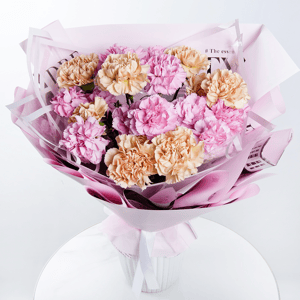
How lilac bouquet delivery works with local florists
A lilac bush blooms for only a few weeks a year, so a florist's timing matters. Here's how ordering usually works when you send lilac flowers within the US:
- You pick a lilac bouquet or a spring mix online.
- You choose a delivery date and add your recipient's address.
- You write a card message, short or long.
- A local florist in your recipient's city selects fresh stems and arranges the bouquet.
- The florist hand-delivers the bouquet to the door.
Many local florists offer same-day delivery for orders placed by noon in the recipient's time zone, whether that's EST, CST, MST, or PST. In peak season, expect cut lilacs at US florists to cost about USD 5–10 per stem.
Extras worth adding
Small touches make a bouquet personal. Consider these add-ons:
- Handwritten-style cards: A florist prints your message on a card tucked into the bouquet.
- Photo confirmation: Some florists send you a picture of the bouquet at delivery.
- Vases: A glass vase saves your recipient a hunt through the cupboard.
- Chocolates or balloons: A box of sweets turns a Mother's Day bouquet into a full gift.
- Potted plants: A dwarf lilac in a pot keeps flowering long after a vase fades.
How to care for cut lilac flowers at home
Whether they come from your own lilac bush or a florist's bouquet, cut lilacs wilt fast without the right prep. Their woody stems struggle to drink. A few simple steps fix that:
- Cut stems early in the morning, when the panicles hold the most water.
- Choose clusters with about half the flowers open.
- Split the stem bottom vertically, about 1–2 inches up, with sharp pruners.
- Strip all leaves below the waterline.
- Place stems in lukewarm water, around 100°F, right away.
- Change the water every day and recut the stems every 2 days.
- Keep the vase away from fruit bowls, heat vents, and direct sun.
A climate tip for US homes: air conditioning dries the air quickly in summer. A cool room around 65–70°F helps cut lilacs last 3–5 days. Honestly, that short vase life is part of what makes lilacs feel special.
Final thoughts on growing and gifting a lilac bush
A lilac bush rewards patience more than skill. My honest advice: plant one this fall, even a small 'Palibin' by the back door, and give it 3 springs to settle in. You'll get a scent that pulls you outside every May. In the meantime, send a bouquet of purple lilacs to someone who remembers the lilacs at their grandmother's house. So which color will you choose first: purple for love, white for a fresh start, or violet for remembrance?
Send fresh flowers today
Pick a bouquet and a local florist hand-delivers it fresh to the door.