 EUR
EUR
 GBP
GBP
 CAD
CAD
 AUD
AUD

 ✨Boss’s Day✨
 Birthday
 Occasions
 Same Day
 Flowers
 Roses
Roses
 Plants
 Gifts
Gifts
 International Flower Delivery
Chinese flowers: symbolism, meanings, and the blooms that shaped a civilization
Chinese flowers carry over 3,000 years of cultural meaning — and understanding that symbolism changes how you see every petal. Whether you're choosing a tattoo, decorating for Lunar New Year, or simply curious about the blossoms behind Chinese poetry and art, this guide breaks down the flowers native to China, their names in Mandarin, and the stories they tell.
China hosts roughly 30,000 plant species. Botanists consider about 12,000 of those species endemic — meaning they grow nowhere else on Earth naturally. That staggering biodiversity makes Chinese flora one of the richest on the planet. Let's dig into the blooms that matter most.
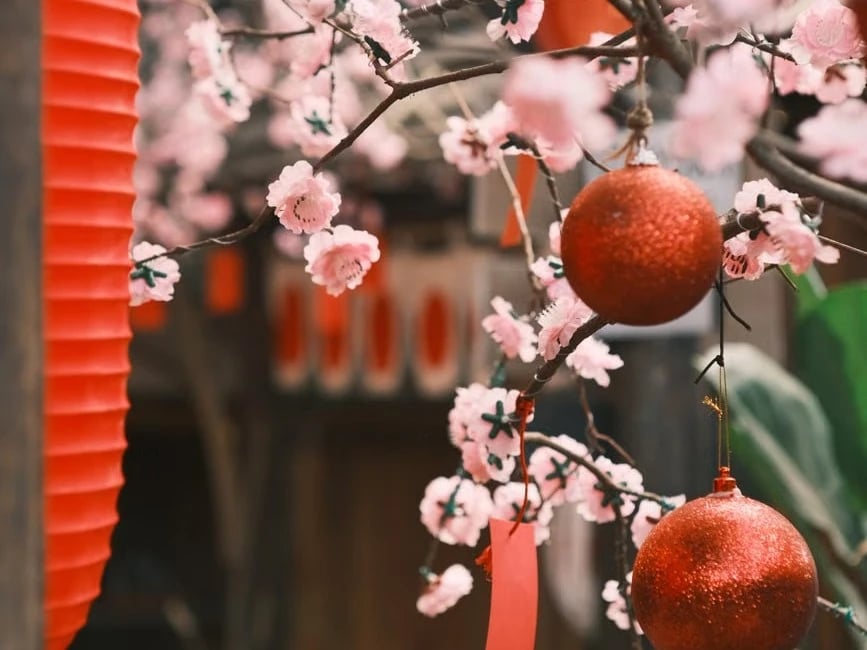
Chinese flowers and their deep cultural roots
Chinese flower culture didn't appear overnight. Confucius referenced orchids in his teachings around 500 BCE. The Shijing (Book of Songs), compiled before 600 BCE, mentions plum blossoms, peach flowers, and lotus. Flowers in China function as a language — one that communicates virtue, status, seasonal change, and emotional truth.
Traditional Chinese paintings group four flowers together as the "Four Gentlemen" (四君子 – Sì Jūnzǐ): the plum blossom, orchid, bamboo, and chrysanthemum. Each bloom represents a season and a moral quality. Artists have painted these four subjects for over 1,000 years.
Here's what sets Chinese flower symbolism apart from Western traditions: a single bloom can carry political, spiritual, and personal significance all at once. The peony, for example, signals wealth and feminine beauty and national pride. Context decides which meaning takes center stage.
The Chinese national flower debate
China does not currently have an official national flower. Surprising? The government proposed the peony in 1994, but the National People's Congress never finalized the decision. The plum blossom served as the national flower of the Republic of China (1929–1949) and remains the official flower of Taiwan today.
Public surveys repeatedly favor two candidates:
- Peony (牡丹 – Mǔdān): roughly 60% of respondents in a 2019 China Flower Association poll supported the peony as the sole national flower.
- Plum blossom (梅花 – Méihuā): the runner-up, beloved for its resilience in winter cold.
A "dual national flower" proposal — honoring both the peony and plum blossom — gained traction but stalled in committee. So technically, the question remains unresolved.
Traditional Chinese flowers and their symbolism
Peony (牡丹 – Mǔdān): the king of flowers
The peony dominates Chinese flower culture. Luoyang, a city in Henan Province, hosts an annual Peony Festival every April that draws over 20 million visitors. The Chinese flower name for peony literally translates to "the red of the cinnabar." Peonies symbolize prosperity, honor, and romance.
During the Tang Dynasty (618–907 CE), the imperial court cultivated peonies obsessively. Emperor Xuanzong planted thousands in the palace gardens. A single rare peony bulb could cost the equivalent of several months' wages for a common laborer.
Growing peonies in the US: Herbaceous peonies thrive in USDA hardiness zones 3 through 8. Plant the roots in fall, about 2 inches below the soil surface. Peonies need 6+ hours of direct sunlight daily and cold winters to trigger blooming.
Lotus (莲花 – Liánhuā): purity rising from mud
The lotus holds sacred status in both Buddhism and Confucianism. The flower grows from muddy pond bottoms yet produces spotless petals. That contrast — filth below, beauty above — makes the lotus a metaphor for spiritual purity.
Scholar Zhou Dunyi wrote his famous essay "On the Love of the Lotus" (爱莲说) in 1063 CE. Zhou praised the lotus for being "unstained" by its surroundings. The essay still appears in Chinese middle school textbooks today.
Lotus flowers bloom from June through August across southern China. The entire plant serves practical purposes: cooks use lotus root in soups, bakers wrap sticky rice in lotus leaves, and herbalists brew lotus seed tea.
Chrysanthemum (菊花 – Júhuā): autumn's noble bloom
Chrysanthemums arrived in Chinese gardens around 1,500 years ago. The poet Tao Yuanming (365–427 CE) made chrysanthemums famous through his retirement poetry. He wrote about picking chrysanthemums by his eastern fence — an image that became shorthand for simple, honest living.
The Double Ninth Festival (重阳节 – Chóngyáng Jié), celebrated on the 9th day of the 9th lunar month, features chrysanthemum wine and chrysanthemum viewing. The festival dates back to the Han Dynasty (206 BCE – 220 CE).
China produces about 70% of the world's chrysanthemum supply. Hangzhou, Kaifeng, and Zhongshan all host major chrysanthemum exhibitions annually.
A word of caution for gift-giving: white chrysanthemums carry funeral associations in China. Avoid white mums in celebratory bouquets. Yellow and pink chrysanthemums carry happier connotations.
Plum blossom (梅花 – Méihuā): courage in winter
Plum blossoms flower in late January and February — often while snow still covers the ground. That timing gives the plum blossom its core symbolism: perseverance through hardship. The Five Friends of Winter painting tradition pairs plum blossoms with pine, bamboo, wintersweet, and narcissus.
Nanjing designated the plum blossom as its city flower. Every February, Meihua Mountain (梅花山) in Nanjing's Zhongshan scenic area displays over 35,000 plum trees representing 360+ varieties. Visitors can see blooms ranging from pale pink to deep crimson.
Orchid (兰花 – Lánhuā): the gentleman's flower
Confucius compared virtuous people to orchids. Why? Orchids grow in secluded valleys, fragrant even without an audience. That quiet excellence earned orchids a permanent place among the Four Gentlemen.
China harbors about 1,500 wild orchid species. Yunnan Province alone hosts over 800 of those species. The Chinese cymbidium orchid — prized for its subtle fragrance — dominated ink-wash painting for centuries.
Orchid collecting in China reached fever pitch during the 1990s and 2000s. A single rare Neofinetia falcata specimen sold for over $200,000 at auction in 2005. Market speculation drove prices to absurd levels before the bubble burst around 2008.
Camellia (山茶花 – Shāncháhuā): devotion and longevity
Camellias originated in southwestern China — specifically in Yunnan, Sichuan, and Guizhou provinces. The wild camellia family includes more than 280 species, and roughly 80% of those species grow in China. Kunming, the capital of Yunnan, claims the camellia as its city flower.
The oldest known camellia tree grows in Yunnan's Chuxiong Prefecture. Botanists estimate the tree at over 600 years old. Camellias symbolize lasting devotion because the flower and calyx fall together — never separately.
Peach blossom (桃花 – Táohuā): romance and renewal
Peach blossoms signal spring and romantic love. The poet Cui Hu (Tang Dynasty) wrote a famous verse about returning to a doorway where peach blossoms and a beautiful face once coincided — a poem every Chinese literature student encounters.
Peach wood also carries protective power in folk tradition. Families hang peach-wood charms above doorways during Lunar New Year. The Peach Blossom Spring (桃花源记), written by Tao Yuanming in 421 CE, describes a hidden utopia. That story became one of China's most retold literary works.
Lily (百合 – Bǎihé): a hundred years of harmony
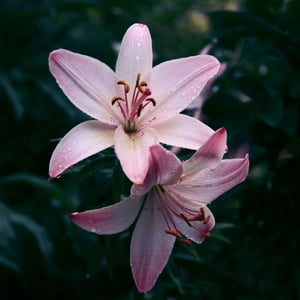
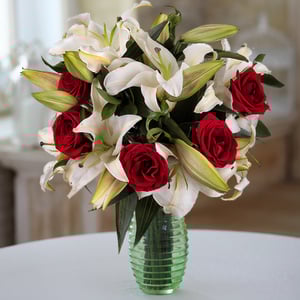
The Chinese flower name for lily — bǎihé — sounds like "a hundred years of unity." That homophone makes lilies a popular wedding flower. Brides carry lilies to wish for a long, harmonious marriage.
Beyond weddings, lilies appear in medicinal recipes. Dried lily bulbs (百合干) show up in traditional soups meant to calm the mind and nourish the lungs. You'll find dried lily bulbs at most Asian grocery stores across the US during January, usually priced between $5 and $8 per package.
Jasmine (茉莉花 – Mòlìhuā): elegance and grace
Jasmine traveled to China from Persia and India along the Silk Road roughly 2,000 years ago. Despite its foreign origins, jasmine became deeply Chinese. The folk song "Mòlìhuā" (Jasmine Flower) — one of the most recognized Chinese melodies worldwide — originated in Jiangsu Province during the Qing Dynasty.
Fuzhou, the capital of Fujian Province, named jasmine its city flower. Fujian Province produces the majority of China's jasmine tea. Workers layer fresh jasmine blossoms over green tea leaves 6 to 7 times to infuse the fragrance.
Chinese flower names: a quick reference guide
Learning a few Chinese flower names in Mandarin adds depth to your understanding. Here are 12 essential names:
- Rose — 玫瑰 (méiguī)
- Peony — 牡丹 (mǔdān)
- Lotus — 莲花 (liánhuā)
- Chrysanthemum — 菊花 (júhuā)
- Plum blossom — 梅花 (méihuā)
- Orchid — 兰花 (lánhuā)
- Camellia — 山茶花 (shāncháhuā)
- Peach blossom — 桃花 (táohuā)
- Lily — 百合 (bǎihé)
- Jasmine — 茉莉花 (mòlìhuā)
- Azalea — 杜鹃花 (dùjuānhuā)
- Hibiscus — 芙蓉花 (fúróng huā)
Notice how many Chinese flower names end in 花 (huā), meaning "flower." The character 花 appears in hundreds of compound words, idioms, and poetic phrases across the language.
Looking for orchids or lilies?
Browse arrangements built around flowers at the heart of Chinese floral tradition and choose one for the occasion.
Flowers from China that grow well in the US
Plenty of flowers native to China thrive in American gardens. You don't need a greenhouse or special equipment — just the right zone and some basic knowledge.
Azalea (杜鹃花 – Dùjuānhuā)
Azaleas originated in China and spread to Japan, then to Europe, and finally reached the US in the 1800s. Today, azaleas dominate spring landscapes from the Carolinas to the Pacific Northwest. The azalea prefers acidic soil (pH 4.5–6.0) and partial shade. Charleston, South Carolina hosts one of America's largest azalea festivals every March.
Wisteria (紫藤 – Zǐténg)
Chinese wisteria (Wisteria sinensis) produces cascading purple flower clusters up to 12 inches long. The vine blooms in April and May across most of the eastern US. Fair warning: Chinese wisteria grows aggressively. The vine can damage gutters, fences, and even building foundations without regular pruning.
Magnolia (玉兰 – Yùlán)
The Yulan magnolia (Magnolia denudata) blooms before its leaves appear, creating bare branches covered in white goblet-shaped flowers. Chinese gardeners cultivated this magnolia for over 1,400 years. In the US, Yulan magnolias perform best in zones 5–9 with moist, well-drained soil.
China aster (紫菀 – Zǐwǎn)
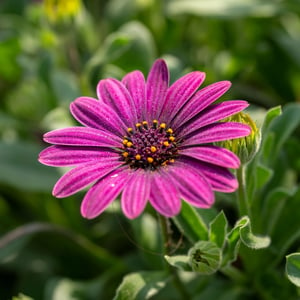
Despite the name, China asters (Callistephus chinensis) adapt to gardens across the US. These annual flowers bloom from midsummer through the first frost. Gardeners can start seeds indoors about 6 weeks before the last frost date in their area.
Flowers in Chinese art, poetry, and everyday life
The four seasons of flowers
Chinese tradition assigns specific flowers to each season:
- Spring: peony, magnolia, peach blossom, and cherry blossom
- Summer: lotus, pomegranate flower, jasmine, and gardenia
- Autumn: chrysanthemum, osmanthus (桂花 – guìhuā), and begonia
- Winter: plum blossom, narcissus, camellia, and wintersweet
This seasonal framework appears in paintings, textiles, porcelain design, and garden planning. The concept of seasonal appropriateness runs deep — wearing a chrysanthemum motif in spring would feel "wrong" in traditional contexts.
Chinese idioms built around flowers
Chinese idioms (chéngyǔ – 成语) frequently reference flowers:
- 鸟语花香 (niǎo yǔ huā xiāng): "Birds sing, flowers smell sweet." The phrase describes a beautiful spring day.
- 花好月圆 (huā hǎo yuè yuán): "Flowers bloom, the moon rounds." The expression conveys a perfect moment of family reunion.
- 走马观花 (zǒu mǎ guān huā): "Viewing flowers from horseback." The idiom criticizes superficial observation — skimming the surface without real understanding.
These four-character phrases appear in daily conversation, calligraphy, and literary writing. Knowing even two or three chéngyǔ about flowers will impress any Mandarin speaker you meet.
How to use Chinese flower symbolism for US holidays and events
Chinese flower meanings translate beautifully to American occasions. Here's a practical breakdown:
- Valentine's Day (February 14): Red peonies carry romantic weight equal to roses — but with a cultural twist. Pair red peonies with orchids for a bouquet that conveys both passion and refinement.
- Mother's Day (second Sunday in May): Carnations hold meaning in Chinese culture too. Pink carnations (康乃馨 – kāngnǎixīn) represent maternal love — the same as in the US. Add lilies for a wish of lasting family harmony.
- Lunar New Year (January or February): Lucky flowers include narcissus (水仙 – shuǐxiān), pussy willows, peach blossoms, and kumquat branches. The narcissus bulb typically blooms right around Lunar New Year — and growers time the bloom deliberately. You can find narcissus bulbs at Asian supermarkets across the US during January, usually priced between $3 and $6 per bulb.
- Sympathy and funerals: White and yellow chrysanthemums suit somber occasions. Avoid red flowers. Lilies also work for sympathy arrangements in Chinese tradition.
- Housewarming gifts: Orchids make excellent housewarming presents. A potted cymbidium or phalaenopsis orchid signals good taste and prosperity. Most garden centers in the US stock phalaenopsis orchids year-round at prices from $15 to $40.
Common mistakes when choosing Chinese flowers
Avoid these missteps:
- ✗Giving white flowers at celebrations — white signals mourning in Chinese culture, not purity (the Western association). Skip white bouquets at Chinese weddings or birthday parties.
- ✗Choosing yellow chrysanthemums for a romantic gift — chrysanthemums carry strong autumn and memorial associations, making them awkward as love tokens.
- ✗Ignoring number symbolism — even numbers suit happy occasions in Chinese tradition (except the number 4, which sounds like "death" in Mandarin). Odd numbers work better in most Western contexts. Know your audience.
- ✗Confusing Japanese and Chinese cherry blossoms — cherry blossoms (樱花 – yīnghuā) hold enormous cultural weight in Japan, but their symbolism in China differs. Chinese culture associates cherry blossoms with feminine beauty and springtime, without the Japanese overtones of mono no aware (the pathos of things).
- ✗Forgetting climate zones — a lotus pond works in South Carolina (zone 8) but won't survive a Minnesota winter outdoors. Check your USDA zone before planting any flowers from China.
How to care for Chinese flowers in US climates
Cut flowers (bouquets)
Follow these steps to keep your Chinese flower bouquet fresh:
- Trim stems at a 45-degree angle before placing them in water.
- Change the water every 2 days.
- Keep the vase away from direct sunlight and fruit bowls (fruit releases ethylene gas, which wilts flowers faster).
- Remove any leaves that sit below the waterline.
- Set your thermostat below 72°F — cooler rooms extend bloom life by 2–3 days.
Potted orchids
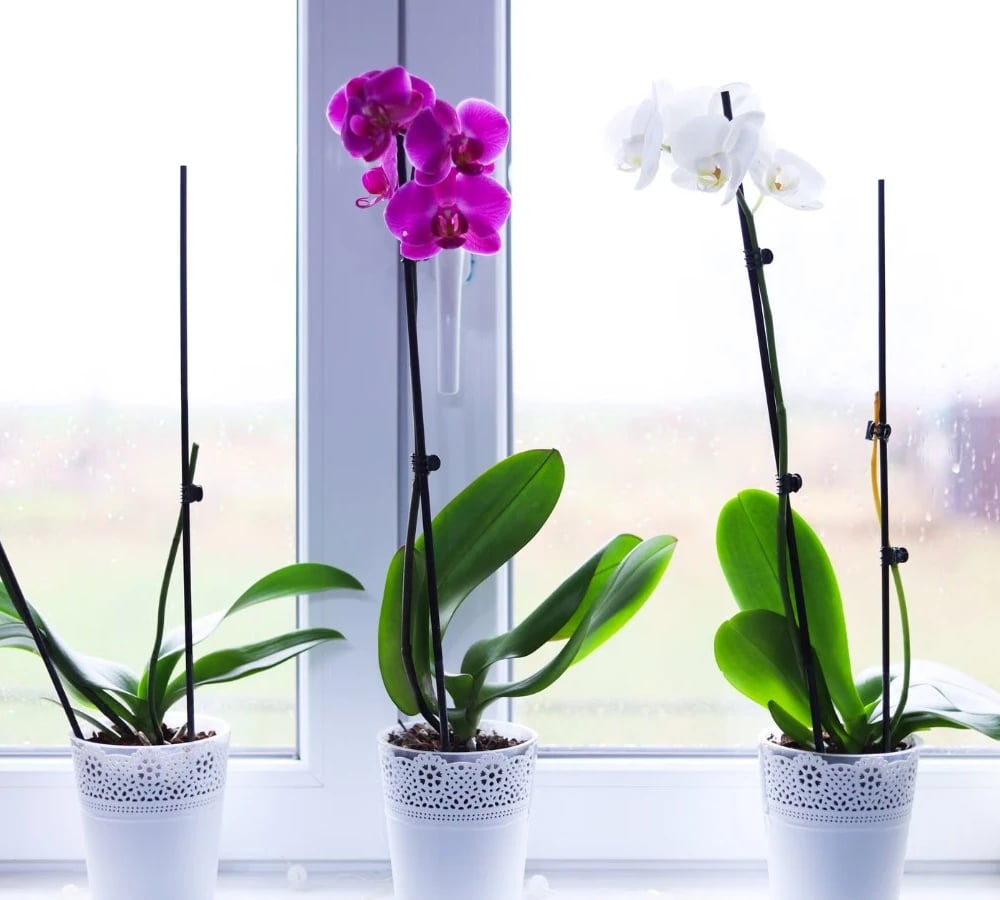
Orchids from China (and their hybrid descendants) dominate US houseplant sales. Water your orchid once every 7–10 days. Place the pot near an east-facing window for morning light. Fertilize monthly during the growing season (March–September) with a balanced 20-20-20 fertilizer diluted to half strength.
Outdoor plantings
For peonies, camellias, azaleas, and magnolias growing in your yard, mulch around the base each fall with 2–3 inches of organic material. Water deeply once per week during dry spells. Most flowers native to China evolved in humid, temperate climates — so supplemental watering matters in drier US states like Colorado, Arizona, and Nevada.
Sending Chinese-inspired arrangements within the US
You can order arrangements featuring traditional Chinese flowers through local florists in most US cities. Specify the flowers by name — "cymbidium orchids," "pink peonies," "white jasmine" — rather than asking generically for "Chinese flowers." Florists understand botanical names faster than cultural categories.
For Lunar New Year, many florists in cities with large Chinese-American communities (San Francisco, New York, Los Angeles, Houston) stock narcissus bulbs, lucky bamboo, and peach blossom branches during January and February. Order early — these seasonal items sell out fast.
Local florists hand-deliver arrangements the same day in most metro areas. Place your order before noon local time for same-day delivery.
Beyond the garden: Chinese flora you might not expect
China gave the world more than ornamental flowers. Kiwifruit vines (猕猴桃 – míhóutáo) originated in central China's Yangtze Valley. Tea plants (Camellia sinensis) — yes, tea belongs to the camellia family — originated in Yunnan Province. Ginkgo trees, dawn redwoods, and the dove tree (handkerchief tree) all trace their origins to Chinese forests.
The China flora database maintained by the Chinese Academy of Sciences catalogs over 31,000 vascular plant species. Roughly 10% of all known flowering plant species on Earth grow wild in China. That fact alone explains why so many popular garden plants in the US trace their ancestry back to Chinese mountains, valleys, and riverbanks.
The next time you spot a peony at your local farmers' market or an orchid at a grocery store, you'll know the backstory. These blooms carry centuries of meaning. Pick a favorite Chinese flower, learn its Mandarin name, and share the symbolism with someone who appreciates a good story. Which Chinese flower speaks to you?
Send flowers with meaning
Choose orchids, lilies, or peonies, add your message, and have a local florist deliver the arrangement fresh.
FAQ
What flower does China consider its national flower?▾
China has no officially designated national flower as of 2025. The peony received about 60% support in a 2019 public poll, and the plum blossom remains a strong contender. The National People's Congress has not finalized either choice.
Which Chinese flowers grow well in US gardens?▾
Peonies, azaleas, camellias, magnolias, Chinese wisteria, and chrysanthemums all thrive in various US climate zones. Check your USDA hardiness zone before planting — peonies prefer zones 3–8, while camellias do best in zones 7–9.
What colors should you avoid when giving flowers in Chinese culture?▾
White flowers signal mourning and funerals. Avoid white blooms for birthdays, weddings, and celebrations. Red and pink carry the happiest associations. Yellow works for some occasions but pair yellow chrysanthemums with sympathy — not romance.
How do you say "flower" in Chinese?▾
The Mandarin word for flower is 花 (huā). Most Chinese flower names end with this character — for example, 菊花 (júhuā) for chrysanthemum and 莲花 (liánhuā) for lotus.
What do the "Four Gentlemen" represent in Chinese art?▾
The Four Gentlemen — plum blossom, orchid, bamboo, and chrysanthemum — each represent a season and a moral quality. Plum blossom stands for winter and resilience. Orchid signals spring and humility. Bamboo represents summer and integrity. Chrysanthemum embodies autumn and noble solitude. Artists have painted these four subjects together for over a millennium.
Can you send traditional Chinese flower arrangements within the US?▾
Yes. Local florists in most US cities can create arrangements featuring peonies, orchids, lilies, and other Chinese flowers. Specify flowers by botanical name when ordering. During Lunar New Year, florists in cities like San Francisco, New York, and Los Angeles stock seasonal items such as narcissus bulbs and peach blossom branches.