 EUR
EUR
 GBP
GBP
 CAD
CAD
 AUD
AUD

 ✨Boss’s Day✨
 🍭Sweetest Day🍭
 Birthday
 Same Day
 Occasions
 Flowers
 Roses
Roses
 Plants
 Gifts
Gifts
 International Flower Delivery
Idaho's State Flower: Syringa
- 🌼 The Idaho state flower has one of the most confusing identities of any official bloom in America — and honestly, that's part of what makes it so fascinating.
- 💡 Meriwether Lewis first collected and documented Philadelphus lewisii in 1806, during the Corps of Discovery's return journey through what is now Idaho.
- 🌸 Want to send flowers to Boise for a birthday?
The Idaho state flower has one of the most confusing identities of any official bloom in America — and honestly, that's part of what makes it so fascinating. It goes by "syringa," "mock orange," and sometimes people flat-out mistake it for a lilac. No other state flower wears so many names or sparks so much botanical debate. Here at MyGlobalFlowers, an international flower delivery service, we love digging into the stories behind America's most iconic blooms, and this one has layers. In this article, you'll learn the real history of Idaho's beloved syringa, its surprising connection to the state bird, practical tips for growing it in your own yard, what it symbolizes, and how you can enjoy syringa-inspired arrangements delivered right to your door — or to someone you care about in Idaho.
What is the Idaho state flower?
The Idaho state flower is the syringa (Philadelphus lewisii), a deciduous shrub that most people know by its nickname: mock orange. And right here is where things get wonderfully tangled.
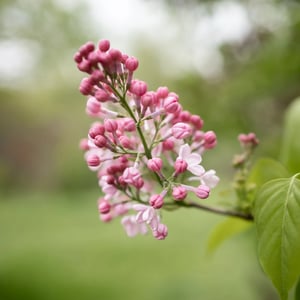
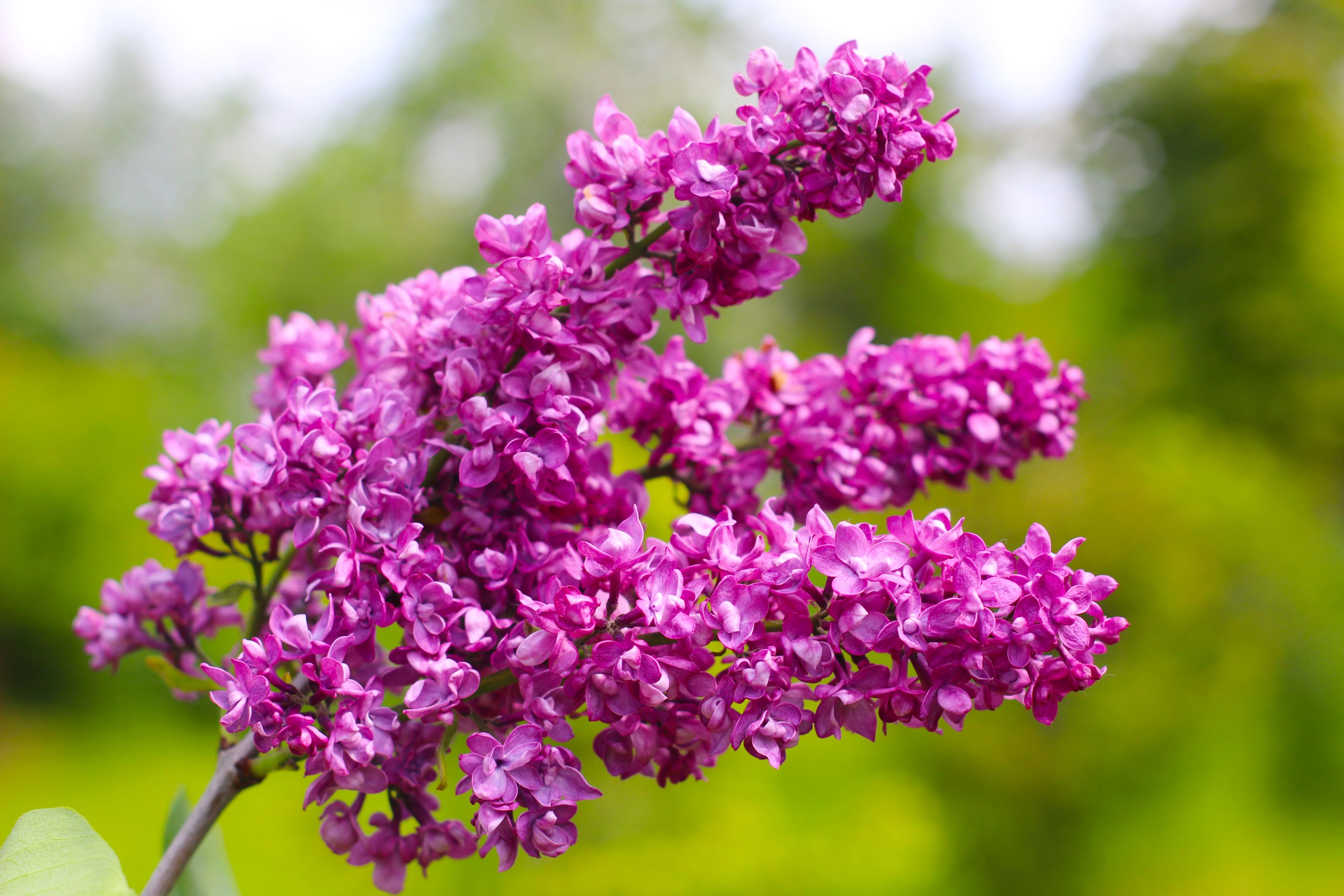
The name "syringa" is also the official botanical genus for lilacs (Syringa vulgaris). So when someone says "syringa," they could mean Idaho's state flower or a completely different plant. How did that happen? Early European herbalists lumped mock orange, lilac, and even jasmine under the umbrella name Syringa because all three have hollow, pipe-like stems. The Greek word syrinx means "tube" or "pipe," and that loose grouping stuck around long enough to cause generations of confusion.
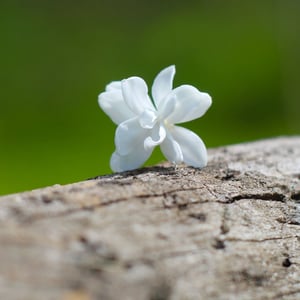
Here's the thing — Idaho's syringa is not a lilac. Not even close. Lilacs belong to the olive family (Oleaceae), while mock orange sits in the hydrangea family (Hydrangeaceae). And despite the name "mock orange," the plant has zero relation to citrus. It earned that nickname because the creamy-white blossoms look and smell remarkably like real orange blossoms. Picture this: clusters of delicate white petals releasing a sweet, citrusy fragrance on a warm Idaho breeze. Early settlers noticed the resemblance immediately and started calling it mock orange — and that name stuck, too.
One more cool detail: the species name lewisii honors Meriwether Lewis of the Lewis and Clark expedition, who collected specimens of the plant during his legendary journey across the American West.
History of the Idaho state flower syringa
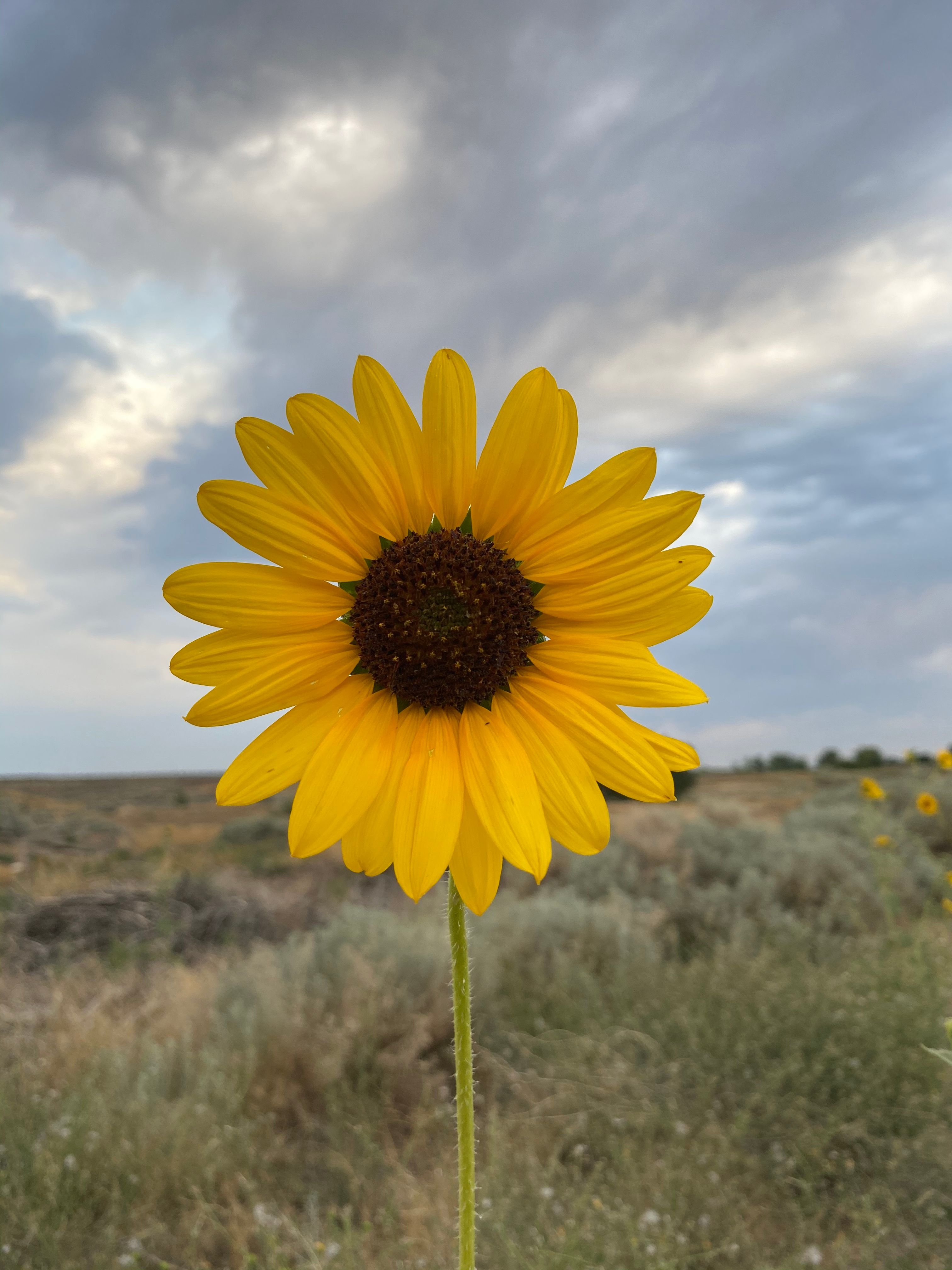
The Idaho state flower syringa carries a history that stretches back thousands of years — long before European explorers ever set foot in the region.
Indigenous roots
Native American tribes, especially the Nez Perce, prized syringa for its remarkably straight, hard wood. They crafted arrows, bows, cradles, combs, snowshoe frames, and pipe stems from its branches. The wood doesn't splinter easily, which made it ideal for items that demanded durability and precision. Syringa wasn't just a useful resource — it held cultural significance as a reliable material woven into daily life and ceremony.
The Lewis and Clark expedition
Meriwether Lewis first collected and documented Philadelphus lewisii in 1806, during the Corps of Discovery's return journey through what is now Idaho. The German-American botanist Frederick Pursh later formally described the species and named it in Lewis's honor. That scientific name forever links Idaho's state flower to one of the most celebrated exploration stories in American history.
From territory to statehood
Idaho became the 43rd state on July 3, 1890. Even before any official legislation existed, many Idahoans considered the syringa their state flower "by common consent." The shrub blanketed canyon slopes and river corridors across southern and central Idaho, and residents already associated its fragrant white blooms with home. It was the obvious choice — the people just needed the government to catch up.
World's Columbian Exposition
Idaho featured syringa prominently at the 1893 World's Columbian Exposition in Chicago. The state used the bloom to represent Idaho's natural beauty on a national stage, and the display introduced millions of fairgoers to this relatively unknown western shrub. That moment boosted syringa's profile far beyond Idaho's borders.
Official adoption in 1931
The Idaho state legislature officially designated syringa as the state flower in 1931. The move formalized what residents had felt for decades. Fun fact: that same legislative session also adopted the mountain bluebird as the state bird — but more on that pairing in a moment.
Modern preservation efforts
This is a topic most people overlook, and I think it deserves attention. Native syringa stands face real threats from wildfire, urban sprawl, and invasive plant species that compete for space along Idaho's river corridors and foothill slopes. Conservation groups and researchers at the University of Idaho continue to study syringa populations and work on habitat restoration. Some projects focus on replanting syringa along degraded streambanks, where the shrub's root system helps prevent erosion. Protecting native syringa means protecting the broader ecosystem that depends on it — pollinators, birds, and the soil itself.




Idaho state bird and flower — a perfect pair
The Idaho state bird and flower share more than just the same adoption year. Idaho's state bird is the mountain bluebird (Sialia currucoides), a striking songbird with vivid cerulean plumage. The Idaho legislature adopted both symbols in 1931, which feels intentional — and poetic.
The mountain bluebird nests in open meadows, forest edges, and foothill clearings. Those happen to be exactly the habitats where syringa thrives. In late May and June, when syringa bushes erupt in white blossoms across Idaho's canyons, mountain bluebirds dart and perch among the branches. That visual — bright blue wings against clouds of white flowers — is one of Idaho's most iconic natural scenes.
The ecological connection runs deeper than looks. Dense syringa branches offer nesting cover for bluebirds and other songbirds. The shrub's flowers attract the insects that bluebirds eat. So the Idaho state bird and flower don't just look good together — they genuinely support each other in the wild.
I always find it fascinating when a state's official symbols align so perfectly with real ecology rather than just politics. Idaho nailed it.
Botanical profile of syringa (Philadelphus lewisii)
The Idaho state flower is a rugged, beautiful shrub with some impressive characteristics. Let's break down the details.
Physical characteristics
Syringa grows as a deciduous, multi-stemmed shrub that typically reaches 4 to 10 feet tall. Each flower has four pure-white petals and measures about 1 to 1.5 inches across. Flowers appear in loose clusters of five to fifteen blossoms at the tips of lateral branches. Mature stems develop bark that peels in thin, reddish-brown strips, giving the plant interesting texture even in winter. The leaves are oval, roughly 1 to 3 inches long, with slightly serrated edges.
Blooming season
Syringa blooms from late May through July, depending on elevation and geographic location within Idaho. Lower-elevation valleys — like the Boise River corridor and the Snake River Plain — see flowers first. Higher mountain areas follow several weeks later. Peak bloom lasts about two to three weeks, and you won't miss it: entire hillsides turn white.
Fragrance
Honestly, this surprised me the first time I learned about it — syringa's fragrance is intensely sweet and citrusy, almost identical to real orange blossoms. Warm breezes carry the scent across meadows and canyons, and pollinators pick up on it from impressive distances. The fragrance alone makes syringa worth planting in a garden.
Native range
Syringa grows naturally across the Pacific Northwest, from British Columbia south to northern California and east to Montana. But Idaho is the true heartland of the species. The shrub thrives in the state's river canyons, foothill slopes, and rocky terrain at elevations between 2,000 and 7,000 feet. You'll find especially dense stands along the Salmon River, the Clearwater River, and the Boise River drainages.
Looking for mixed bouquets?
Browse mixed bouquets from local florists and pick one that suits the moment.
Growing syringa in your garden
The Idaho state flower is surprisingly easy to grow — once you understand what it wants and what it absolutely hates. This section goes deeper than the basics because I've seen too many vague guides that leave gardeners guessing.
Ideal conditions
Syringa prefers well-drained, moderately fertile soil and tolerates rocky and sandy conditions without complaint.
The shrub performs best in full sun but accepts partial shade — though more sun produces noticeably more blooms.
Syringa thrives in USDA Hardiness Zones 4 through 8, making it viable across a wide swath of the western and northern United States.
Established plants tolerate drought remarkably well. You should water deeply but infrequently during the first two growing seasons to help the roots settle in.
Planting tips
Plant syringa in early spring or fall for the best results.
Dig a hole roughly twice the width of the root ball and just as deep — you don't want the crown sitting below grade.
Spread 2 to 3 inches of mulch around the base to retain moisture and regulate soil temperature, but keep the mulch a few inches away from the stem to prevent rot.
Space multiple shrubs 6 to 8 feet apart to allow proper airflow between plants.
Pruning and maintenance
Prune syringa right after flowering ends — this is critical. Syringa blooms on old wood, meaning the plant forms next year's flower buds shortly after the current season's blooms fade. Pruning in fall or winter removes those buds and costs you an entire season of flowers.
Remove dead, damaged, or crossing branches to maintain shape and encourage air circulation.
Apply a balanced fertilizer once in early spring before new growth begins.
Common mistakes to avoid
Overwatering drowns syringa roots. The plant evolved in well-drained, rocky soils and hates sitting in waterlogged ground.
Pruning at the wrong time eliminates next year's blooms — always prune immediately after flowers drop, never before bloom.
Planting in heavy, unamended clay starves the roots of oxygen. Mix in compost or coarse sand to improve drainage before planting.
Ignoring airflow invites powdery mildew. Crowding plants together or tucking them into stagnant corners creates the damp, still conditions mildew loves.
Symbolism and meaning of syringa
The Idaho state flower carries rich symbolism that resonates far beyond botany. Syringa's pure white blossoms represent innocence, purity, and new beginnings — themes that feel right at home in a state built on rugged independence and fresh starts.
In the Victorian language of flowers, mock orange stood for memory and brotherly love. People gave sprigs of the plant to express deep, platonic affection or to commemorate a shared past. That layer of meaning adds a thoughtful dimension to any bouquet inspired by syringa.
I'd recommend thinking about syringa's symbolism more broadly, too. The plant thrives in harsh, rocky terrain where many other shrubs struggle. It colonizes steep canyon walls and dry foothill slopes with apparent ease. That resilience mirrors Idaho's pioneering spirit — the idea that beauty and strength can grow in the toughest conditions.
Syringa in celebrations and floral arrangements
The Idaho state flower doesn't just belong on a hillside — its elegance and symbolism make it a natural fit for celebrations and thoughtful floral gifts.
Occasions that call for syringa-inspired blooms
Mother's Day falls on the second Sunday of May, right when syringa starts blooming. White, fragrant flowers make a deeply thoughtful gift for your mom or any mother figure in your life.
Weddings embrace syringa's bridal-white blossoms beautifully — the blooms work in bouquets, centerpieces, and ceremony arches.
Housewarming celebrations pair perfectly with syringa's symbolism of fresh starts and new beginnings.
Memorial Day calls for white blooms that honor loved ones with grace and dignity.
Idaho Day on March 4 commemorates the state's founding — what better way to celebrate than with arrangements inspired by the state flower?
Ordering flowers for delivery in Idaho
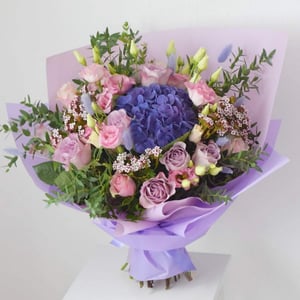
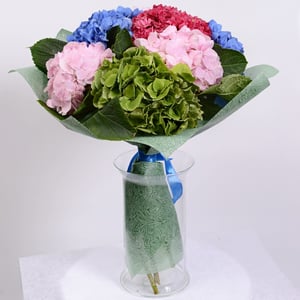
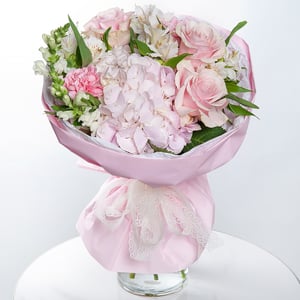
You can order fresh arrangements inspired by syringa's elegance through MyGlobalFlowers. Local florists in Boise, Idaho Falls, Coeur d'Alene, Twin Falls, Pocatello, and other Idaho cities assemble your bouquet using the freshest seasonal flowers available.
Each bouquet may vary slightly from the website photo, and that's actually a good thing. Your florist selects the best blooms on hand that day, so you get a one-of-a-kind, artisan-quality arrangement rather than a cookie-cutter copy. The delivery fee calculates individually at checkout based on your recipient's location.
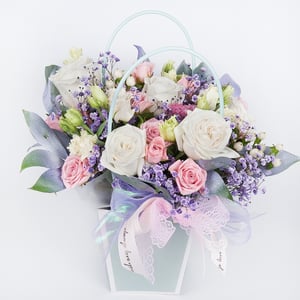
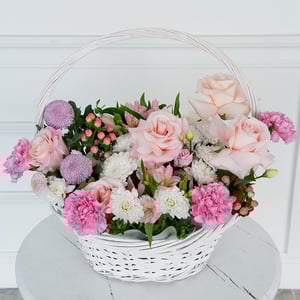
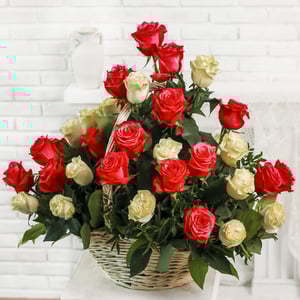
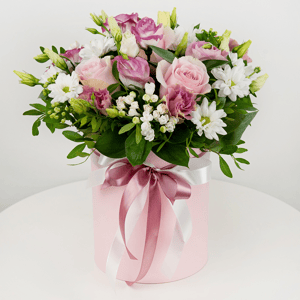
Want to send flowers to Boise for a birthday? Need a sympathy arrangement delivered to someone in Idaho Falls? Browse the Idaho flower delivery catalog at MyGlobalFlowers to find the perfect arrangement.


Wildlife and ecological value of syringa
The Idaho state flower plays a vital ecological role that goes well beyond looking pretty — and this is an area most people don't hear enough about.
Syringa's nectar-rich blooms attract a wide range of pollinators. Bees swarm the flowers in peak bloom, butterflies land on the flat, open petals, and hummingbirds visit regularly. Given declining bee populations across the country, planting syringa in your garden directly supports local pollinator health.
Birds — including the mountain bluebird — rely on syringa's dense branching structure for nesting cover and protection from predators. Smaller songbirds like wrens and sparrows also build nests in the tangled interior of mature shrubs.
Deer browse syringa foliage, especially in spring when new growth is tender. But the plant recovers quickly from browsing thanks to its vigorous root system and ability to produce new shoots.
One of syringa's most underappreciated talents is erosion control. The shrub's extensive root network stabilizes streambanks and steep slopes along Idaho's rivers and creeks. In a state where spring snowmelt sends massive volumes of water cascading down mountain drainages, that root structure prevents valuable topsoil from washing away. Incorporating syringa into riparian restoration projects is something conservation groups across Idaho actively pursue — and it works.
Send flowers today
Choose a bouquet, add a message, and a local florist hand-delivers it.