EUR
 GBP
 CAD
 AUD

 🎃Halloween🎃
 Birthday
 Occasions
 Same Day
 Flowers
 Roses
 Plants
 Gifts
 International Flower Delivery
Iowa's State Flower: Wild Prairie Rose
- 🌼 The Iowa state flower is a bloom that catches people off guard — it's not a pampered garden hybrid but a wild, wind-tested prairie rose that has been thriving along Iowa's roadsides and…
- 💡 The Iowa state legislature officially adopted the wild rose in 1897, making Iowa one of the earliest states in the nation to designate an official flower.
- 🌸 One practical note: the delivery cost calculates individually at checkout, depending on the arrangement and location.
The Iowa state flower is a bloom that catches people off guard — it's not a pampered garden hybrid but a wild, wind-tested prairie rose that has been thriving along Iowa's roadsides and open meadows for centuries. Picture this: you're driving through Story County in late June, windows down, and suddenly a ribbon of soft pink petals lines both sides of the gravel road. That's the wild rose doing what it does best — showing up without fanfare and stealing the scene anyway. I always find it fascinating that a state known for corn and soybeans chose something so quietly beautiful as its floral emblem. In this article — brought to you with help from MyGlobalFlowers, an international flower delivery service — you'll learn the history behind Iowa's choice, the botany that makes the wild rose special, its deep symbolism, practical tips for growing it in your own yard, and how the wild rose connects to Iowa's broader identity.
What is the Iowa state flower?
The Iowa state flower is the wild rose — specifically, the wild prairie rose (Rosa pratincola, also classified as Rosa arkansana). The Iowa state legislature officially adopted the wild rose in 1897, making Iowa one of the earliest states in the nation to designate an official flower. Here's the thing: the original legislation didn't pin down a single species. Lawmakers simply wrote "wild rose" into the record, embracing every native rose species that dotted the prairies. Over time, the wild prairie rose emerged as the species most commonly cited and recognized.
The push for a state flower came during a period when states across the country were racing to establish official symbols. Iowa's effort was championed by members of the Iowa legislature who wanted a flower that genuinely represented the landscape — not an imported ornamental, but something people could actually find growing wild across all 99 counties. The wild rose won out over other candidates because Iowans already knew it, already loved it, and could already spot it blooming along every fence line from Sioux City to Burlington.
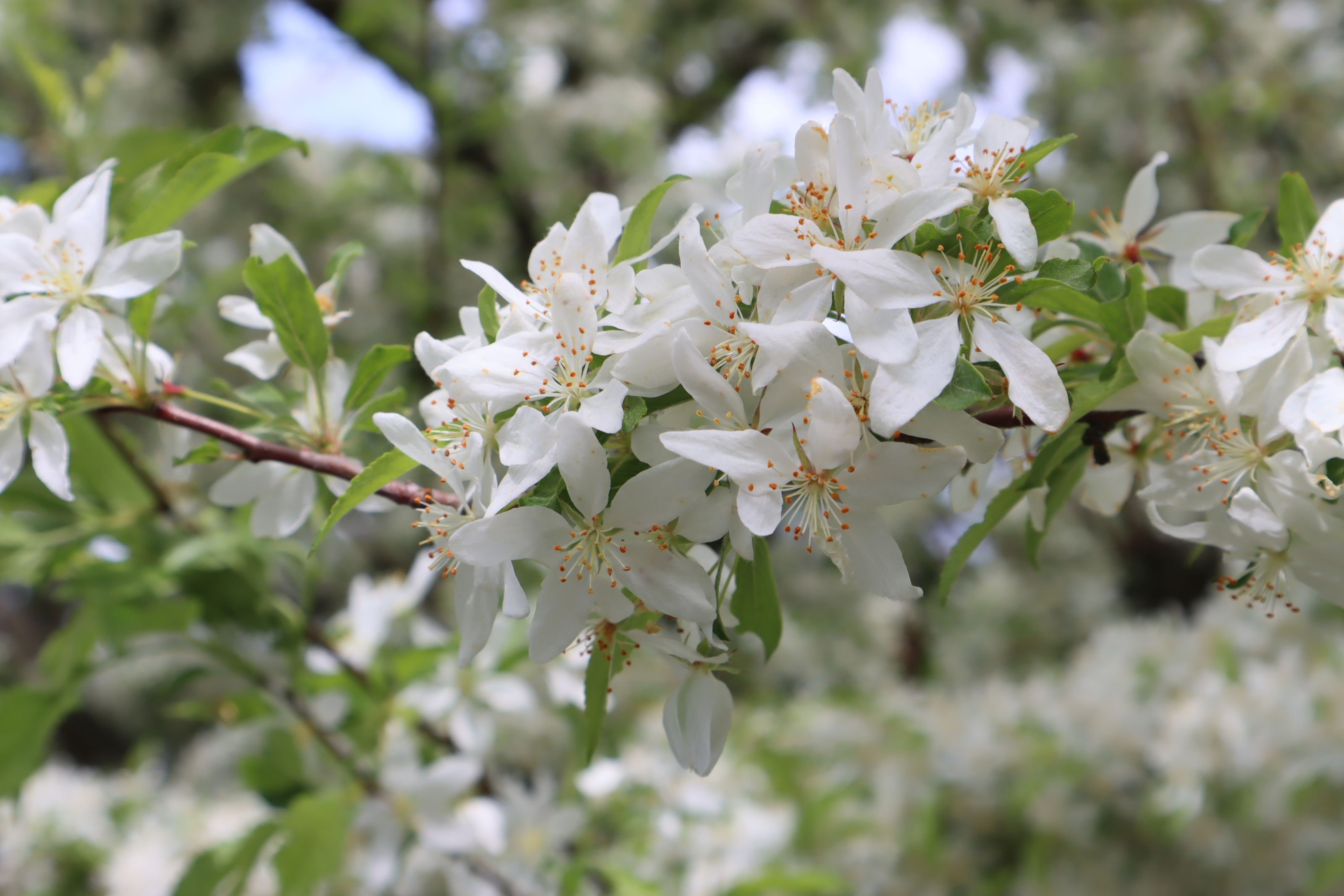
The Iowa state flower wild rose — botany and identification
The Iowa state flower wild rose is far more interesting than a quick glance might suggest. At first, you see five simple pink petals surrounding a cluster of bright yellow stamens — nothing flashy. But that simplicity is the whole point. The wild prairie rose typically stands 2–4 feet tall, spreads through underground rhizomes, and blooms from early June through late July. Each flower lasts only a few days, yet the plant produces so many buds that the display keeps going for weeks.
Iowa is home to three native wild rose species that often get lumped together. Let's untangle them.
Prairie rose (Rosa pratincola / Rosa arkansana)
The prairie rose is the low-growing, scrappy species most commonly associated with the state flower of Iowa. It thrives in open prairies, road ditches, and sandy soils. Stems carry small, fine prickles rather than large thorns. Leaves typically appear in groups of 9–11 leaflets. This species handles drought, poor soil, and full sun exposure without complaint — a true prairie survivor.
Meadow rose (Rosa blanda)
The meadow rose prefers open woodlands and the edges of clearings. It grows taller than the prairie rose — sometimes reaching 5 feet — and has noticeably smooth stems with few or no thorns. Leaflets usually come in groups of 5–7. The flowers look similar to the prairie rose but tend to appear slightly later in the season.
Carolina rose (Rosa carolina)
The Carolina rose favors thickets and forest edges across eastern Iowa. It stands taller than the prairie rose, typically reaching 3–6 feet, and features straight, paired thorns at the base of each leaf. Leaflets appear in groups of 5–7, and the blooms carry a slightly deeper pink hue.
How do you tell them apart on a summer hike? Focus on three details: thorn shape (fine prickles on the prairie rose, paired straight thorns on the Carolina rose, nearly absent on the meadow rose), leaflet count (9–11 for prairie, 5–7 for the others), and habitat (open prairie vs. woodland edge vs. thicket). Once you know the pattern, identification becomes second nature.





Iowa state bird and flower — a pair of prairie icons
The Iowa state flower and the Iowa state bird share something essential: both are prairie creatures, perfectly adapted to the state's wide-open landscape. Iowa designated the Eastern Goldfinch — also called the American Goldfinch — as its state bird in 1933, more than three decades after adopting the wild rose.
The connection between these two symbols runs deeper than geography. The Eastern Goldfinch feeds on seeds from prairie plants, and rose hips from the wild rose provide food through Iowa's cold winters. Both species symbolize resilience — the goldfinch survives harsh winters by switching its diet, and the wild rose bounces back each spring from root systems that endure well below freezing.
For context, Iowa has a whole roster of state symbols. The state tree is the oak, chosen for its strength and longevity. The state rock is the geode — those unassuming round stones that crack open to reveal stunning crystal interiors. Honestly, Iowa has a knack for picking symbols that look ordinary on the outside but reveal something extraordinary when you pay attention. The wild rose fits that pattern perfectly.
Symbolism and cultural meaning of the wild rose in Iowa
The Iowa state flower carries layers of meaning that reach back centuries. For early European settlers arriving on the Iowa prairie, the wild rose represented beauty amid harsh conditions. These families faced brutal winters, relentless winds, and backbreaking labor — yet every June, the wild rose bloomed along the trails, offering a gentle reminder that beauty doesn't need comfort to exist.
Native American communities in the region valued the wild rose long before statehood. Many tribes used rose hips to brew medicinal tea rich in vitamin C — a critical nutrient during winter months when fresh food was scarce. Rose petals appeared in ceremonial contexts, and rose-hip preparations served as remedies for colds and digestive troubles. The plant held both practical and spiritual significance.
Today, the wild rose still shows up across Iowa's cultural life. The flower appears on state publications, the Iowa state quarter design, local art, and Iowa-themed gifts. Florists in Des Moines, Cedar Rapids, and Iowa City incorporate wild rose imagery into seasonal arrangements. The bloom plays a quiet role during Iowa Statehood Day on December 28, when residents celebrate the anniversary of Iowa joining the Union in 1846. State fairs and garden festivals regularly feature exhibits on native prairie plants, with the wild rose taking center stage.
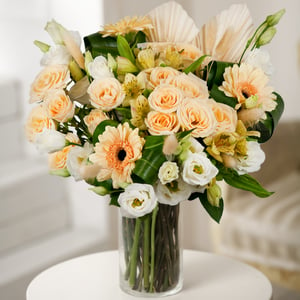
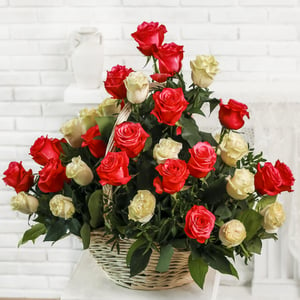
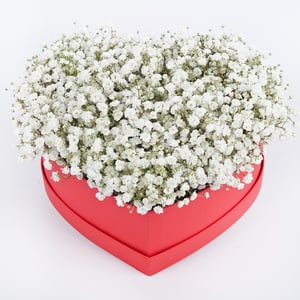
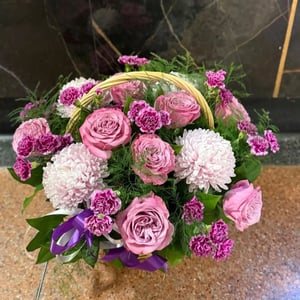
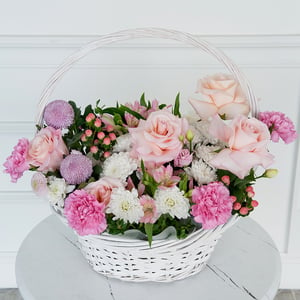
Looking for mixed bouquets?
Browse mixed bouquets from local florists and pick one that suits the moment.
How to grow the Iowa state flower wild rose in your garden
The Iowa state flower wild rose is one of the easiest native plants you can add to a backyard garden — especially in Iowa's climate (USDA Zones 4–5). I'd recommend this plant for anyone who wants beauty without fuss. Here's how to get started.
Soil
The wild prairie rose prefers well-drained, slightly acidic to neutral soil with a pH between 6.0 and 7.0. The plant tolerates poor, rocky, and sandy soil without needing rich amendments. Heavy clay soil creates problems, so mix in coarse sand or fine gravel to improve drainage before planting.
Sunlight
Plant the wild rose in full sun — at least 6 hours of direct sunlight each day. The plant tolerates partial shade, but fewer blooms appear in lower light. South-facing slopes and open yard sections work best.
Watering
Water the wild rose deeply once a week during the first growing season. Established plants handle Iowa's summer heat and occasional drought surprisingly well. The key is letting the soil dry between waterings — this mimics the natural prairie cycle the plant evolved in.
Pruning and care
Prune dead canes in early spring before new growth emerges. Remove spent blooms throughout the season to encourage a longer flowering period. Leave some rose hips on the plant in fall — birds (including the Eastern Goldfinch) feed on rose hips through winter, and the hips add visual interest to your garden when everything else has gone dormant.
A few common mistakes to avoid:
Over-watering drowns the shallow root system — always let soil dry between waterings.
Planting in heavy clay without amending drainage leads to root rot within the first season.
Using chemical pesticides kills native pollinators (bees, butterflies) that the wild rose depends on — opt for organic pest control methods instead.
Best ways to enjoy roses beyond the garden
The Iowa state flower inspires a love for roses that goes well beyond gardening. You don't need a backyard plot to enjoy the beauty of roses — you can send fresh roses to someone you care about in Iowa or anywhere in the US.
MyGlobalFlowers works with local florists who hand-deliver fresh bouquets directly to your recipient's door. Each arrangement reflects the florist's artistry and seasonal flower availability, so the final bouquet may vary slightly from the website photo. Honestly, this surprised me at first — but that subtle variation is actually a hallmark of genuine handcrafted work. A local florist selects the freshest blooms available that day, and the result often looks even better than the catalog image.
Looking for the perfect occasion to send roses in Iowa? Here are a few ideas:
Mother's Day (the second Sunday in May) — a rose bouquet echoes the state flower and carries extra meaning for Iowa moms.
Valentine's Day — the classic reason to send roses never goes out of style.
Iowa Statehood Day (December 28) — a fun, unexpected reason to send flowers and celebrate state pride.
Graduation season (May–June) — the timing coincides with the wild rose bloom, making the gesture feel perfectly seasonal.
Sympathy and memorial moments — roses carry comfort during the hardest times.
One practical note: the delivery cost calculates individually at checkout, depending on the arrangement and location. You can order from anywhere in the US and have local florists handle the delivery in Iowa — whether that's flower delivery in Des Moines, Ames, Davenport, or a small town along the Mississippi.
Fun facts about the state flower of Iowa
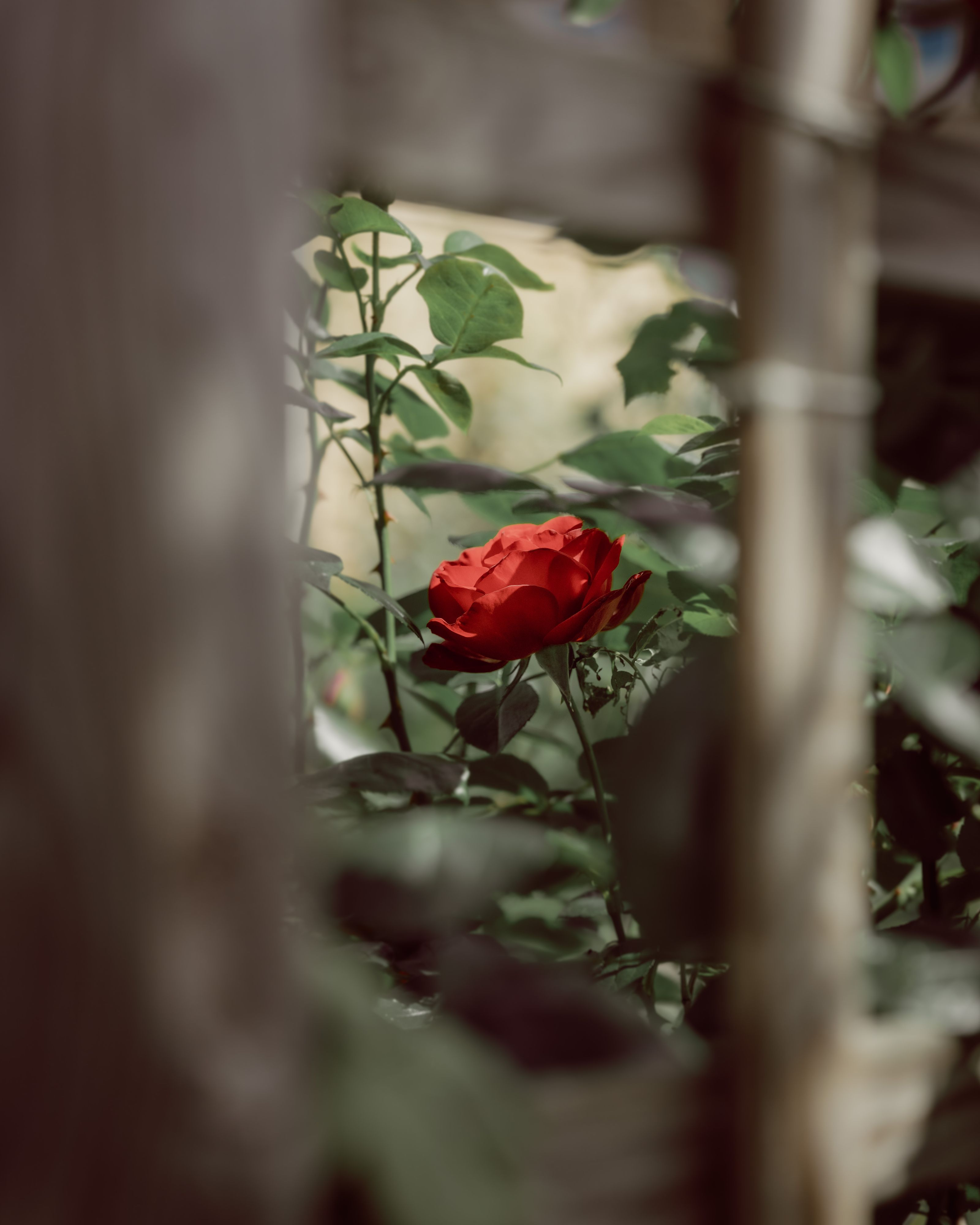
The Iowa state flower has some stories worth sharing. Here are a few that might surprise you:
Iowa adopted the wild rose in 1897, making the designation one of the earliest state flower choices in the US.
The wild prairie rose blooms from June through late July, peaking around the Fourth of July — perfect timing for patriotic celebrations.
Rose hips from the wild rose contain more vitamin C per ounce than oranges — frontier communities relied on them to prevent scurvy.
Iowa shares the "rose" theme with several other states — New York chose the cultivated rose, Georgia picked the Cherokee rose, and North Dakota also claims the wild prairie rose — but Iowa's choice predates most of them.
The wild rose grows along nearly every county road in Iowa — you can spot it on a simple summer drive without leaving pavement.
Native pollinators visit each wild rose bloom an average of 20+ times per day, making the flower a critical part of Iowa's prairie ecosystem.
A quiet symbol that says a lot
The wild rose doesn't shout. It doesn't demand a greenhouse, a special fertilizer blend, or a team of gardeners. It just shows up every June along Iowa's roads and fields, does its thing, and quietly reminds everyone that the most beautiful things often grow without any help at all. That feels like Iowa's character in a nutshell — unpretentious, tough, beautiful without trying too hard.
Next time you drive through Iowa in June, roll down the window and look for those pink blooms along the roadside. They're easy to miss at 60 miles per hour, so slow down a little. Have you ever spotted the wild rose growing in Iowa? I'd love to hear about your favorite stretch of road.
And whenever you want to bring a little prairie charm to someone's doorstep — whether they live in Iowa or anywhere else — browse rose bouquets in the MyGlobalFlowers catalog and let a local florist turn your gesture into something hand-delivered and heartfelt.
Send flowers today
Choose a bouquet, add a message, and a local florist hand-delivers it.