EUR
 GBP
 CAD
 AUD

 ✨Boss’s Day✨
 🍭Sweetest Day🍭
 Birthday
 Same Day
 Occasions
 Flowers
 Roses
 Plants
 Gifts
 International Flower Delivery
Petunia Care & Meaning Guide
- 🌸 Petunias thrive with 6+ hours of direct sun, weekly fertilizing, and consistent moisture — skip any one of these, and blooms fade fast.
- ✂️ Cut leggy stems back by one-third in mid-July to trigger a second flush of flowers that lasts into fall.
- 💜 Purple petunias symbolize mystery and enchantment, making a purple petunia hanging basket both a garden showpiece and a meaningful gesture.
Petunias fill more hanging baskets across America than any other flowering annual — and for good reason. This petunia care guide hands you everything from planting schedules and watering tricks to the surprising symbolism behind each bloom color. You'll walk away knowing exactly how to grow petunias that cascade, climb, and burst with color from May through October, plus the cultural meaning that makes petunias a thoughtful gift.
What makes the petunia plant special

The petunia plant belongs to the Solanaceae family — the same family as tomatoes and peppers. Botanists first documented wild petunias in South America during the 1500s. Spanish explorers brought early specimens to Europe in the 1700s, though breeders didn't begin hybridizing petunias until the 1850s.
Today you can pick from over 35 recognized species and hundreds of cultivars. Petunias grow as tender perennials in USDA Zones 10–11 but perform as warm-season annuals everywhere else in the United States. A single trailing petunia can stretch 3–4 feet by late summer. That vigor makes petunias a top choice for containers, garden beds, and window boxes alike.
Here's what sets petunias apart from other annuals: bloom time. Petunias can flower continuously for 5 straight months when you feed and water them correctly. Few annuals match that return on investment.
Petunia meaning, symbolism, and name origin


Petunia name meaning
The word "petunia" comes from the French petun, which traces back to the Tupi-Guaraní word for tobacco. French botanist Antoine Laurent de Jussieu assigned the name in 1803. The connection? Both petunias and tobacco belong to Solanaceae. So the petunia name meaning literally ties back to indigenous South American language.
Petunia flower meaning by color
Petunia symbolism shifts depending on the bloom color. Here's a quick breakdown:
- Purple petunias — mystery, enchantment, and royalty
- Pink petunias — gentleness, motherly love, and compassion
- Red petunias — passion, energy, and bold affection
- White petunias — purity, trust, and worthiness
- Yellow petunias — friendship, optimism, and new beginnings
- Black (deep purple) petunias — rebellion and individuality
The petunias meaning in Victorian flower language carried a slightly different spin: resentment or anger. Victorian-era gift givers sometimes sent petunias to express displeasure. Modern usage has softened considerably. Today the petunia flower meaning leans positive — comfort, warmth, and the desire to spend time with someone.
When petunias make the perfect gift
Petunia symbolism pairs nicely with American holidays. A potted petunia makes a thoughtful Mother's Day gift (second Sunday of May). Gardeners love receiving petunia hanging baskets on Memorial Day weekend — right when outdoor planting season peaks across most of the Lower 48. A trailing petunia basket also works beautifully for housewarming parties or Teacher Appreciation Week (first full week of May).
Petunia types and varieties
Understanding petunia varieties helps you choose the right plant for the right spot. Four main groups dominate nursery shelves every spring.
Grandiflora petunias
Grandiflora petunias produce the largest blooms — up to 5 inches across. 'Storm' and 'Ultra' top the popularity charts. The trade-off? Large flowers bruise easily in heavy rain. Grandifloras perform best in sheltered containers or covered porches.
Multiflora petunias
Multiflora petunias deliver smaller flowers (2–3 inches) but far more of them. 'Celebrity' and 'Primetime' lead this category. These plants tolerate rain and wind better than grandifloras, so they work well in exposed garden beds.
Milliflora petunias
Milliflora petunias stay compact — about 8 inches tall — with 1- to 1.5-inch blooms. The 'Fantasy' series dominates this group. Use millifloras for edging, small pots, or mixed containers where you need tidy growth.
Spreading and trailing petunias
Trailing petunia varieties changed the game when the 'Wave' series launched in the 1990s. A single Wave petunia spreads up to 4 feet wide and only 6 inches tall. 'Supertunia Vista Bubblegum,' 'Easy Wave Red,' and 'Supertunia Bordeaux' rank among the best performers for hanging baskets. A trailing petunia hanging basket filled with 3–5 plants creates a full, cascading display by early July.
The firefly petunia plant
The firefly petunia plant made headlines in 2024. Biotech company Light Bio engineered petunias that glow in the dark using genes from a bioluminescent mushroom (Neonothopanus nambi). The USDA approved the firefly petunia for sale in the U.S. in September 2023. Each plant retails for roughly $29 USD. The glow appears strongest in new growth and fading flowers. You grow and care for firefly petunias the same way you'd handle any standard petunia.
When to plant petunias

Timing matters. Planting too early kills petunias; planting too late shortens your bloom season.
Transplants and nursery starts
Move nursery-bought petunias outdoors after your last frost date. For most of the continental U.S., that window falls between mid-April (Zone 8–9 in the South) and late May (Zones 4–5 in the Upper Midwest and Northeast). Soil temperature needs to reach at least 60°F. Stick a kitchen thermometer 3 inches into the soil to check.
When to plant petunia seeds
Start petunia seeds indoors 10–12 weeks before your last frost date. In Zone 6 (think: central Missouri, Tennessee, or Virginia), that means sowing seeds around mid-February. Petunia seeds need light to germinate — press seeds onto the soil surface but don't cover them. Germination takes 7–10 days at 70–75°F.
Seed-starting schedule by zone
| USDA Zone | Last frost (avg.) | Start seeds indoors | Transplant outdoors |
|---|---|---|---|
| 4 | May 15–30 | Early March | Late May |
| 5 | May 1–15 | Mid-February | Mid-May |
| 6 | April 15–30 | Early February | Late April |
| 7 | April 1–15 | Mid-January | Mid-April |
| 8 | March 15–30 | Early January | Late March |
How to grow petunias: planting step by step
Growing petunias starts with the right setup. Follow these steps and you'll give your plants the strongest possible start.
How to plant petunia seeds
- Fill a seed tray with sterile, soilless mix (peat-based or coco coir).
- Moisten the mix until water drains from the bottom holes.
- Scatter petunia seeds across the surface — space seeds roughly 1 inch apart.
- Press seeds gently into the surface with a flat board or your palm.
- Cover the tray with clear plastic wrap to hold humidity at 90%+.
- Place the tray under grow lights for 14–16 hours per day.
- Remove the plastic wrap once seedlings emerge (around day 7–10).
- Thin seedlings to 2 inches apart once the first true leaves appear.
Transplanting into the garden or containers
Dig a hole the same depth as the nursery pot. Space grandiflora and multiflora petunias 12 inches apart. Space trailing petunias 18–24 inches apart — Wave types spread aggressively. For hanging baskets, plant 3 trailing petunias in a 12-inch basket or 5 in a 14-inch basket. A purple petunia hanging basket looks especially dramatic when you combine 'Supertunia Royal Velvet' with white sweet alyssum spilling over the rim.
Amend garden soil with 2–3 inches of compost before planting. Petunias prefer a pH between 6.0 and 7.0. Most standard potting mixes already fall in that range.
Petunia flower care: sun, water, and feeding
Petunia flower care boils down to three pillars. Nail these, and your plants will reward you all summer.
Sunlight
Petunias need a minimum of 6 hours of direct sunlight daily. Eight hours? Even better. South-facing beds and west-facing balconies deliver the strongest performance. Petunias planted in shade produce leggy stems, fewer buds, and washed-out colors.
Watering
Water petunias in the ground once or twice a week — enough to soak the top 6 inches of soil. Petunias in hanging baskets dry out much faster. Expect to water baskets daily during July and August, especially when afternoon temperatures climb above 85°F. Water in the morning. Morning watering reduces fungal problems because leaves dry before nightfall.
Quick test: stick your finger 1 inch into the soil. Dry? Water. Damp? Wait.
Fertilizing
Petunias are heavy feeders. Apply a balanced liquid fertilizer (such as 10-10-10 or 20-20-20) every 7–14 days for container plants. Garden-bed petunias do well with a slow-release granular fertilizer applied at planting time, plus a liquid feed every 2–3 weeks. Iron deficiency shows up as yellowing leaves with green veins — treat that with chelated iron.
Petunia care instructions for hanging baskets
Love the look of blooming petunias?
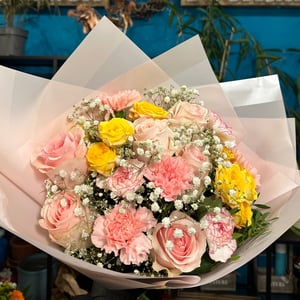
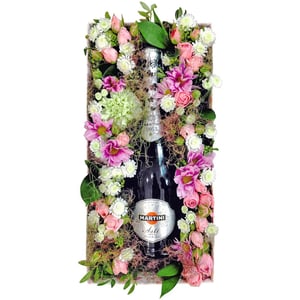
Bring that same easy, colorful feeling into a thoughtful floral gift when you want something ready to enjoy.
A petunia hanging basket demands extra attention compared to garden beds. The restricted root space and increased air exposure dry soil quickly.
Choosing the right basket
Use a basket at least 12 inches in diameter. Coco fiber liners look gorgeous but dry fastest. Plastic liners with drainage holes retain moisture longer — a smart choice in the Southwest or anywhere daytime highs regularly exceed 90°F.
Keeping baskets full and blooming
- Rotate baskets a quarter turn every few days so all sides receive even light.
- Feed with half-strength liquid fertilizer every 5–7 days instead of full-strength biweekly.
- Pinch spent blooms twice a week to redirect energy toward new buds.
- Cut back the longest trails by half when the center of the basket looks bare (usually mid-July).
A well-maintained trailing petunia hanging basket can produce blooms from late May through the first frost in October — roughly 20 weeks in Zone 6.
Common petunia care mistakes (and how to fix them)
Even experienced gardeners slip up. These mistakes account for most petunia disappointments.
Overwatering
Soggy soil breeds root rot. Yellow, wilting leaves on a well-watered plant usually point to overwatering, not underwatering. Let the top inch of soil dry between waterings. Make sure every container has drainage holes.
Ignoring leggy growth
By mid-summer, petunia stems stretch and bloom only at the tips. Most gardeners hesitate to cut healthy growth. Don't. Trim each stem back to about one-third of its length. New branching begins within 5–7 days, and a fresh wave of flowers follows 2 weeks later.
Skipping mid-season feeding
Petunias burn through nutrients fast, especially in containers. A plant that stops blooming in July typically needs food, not more water. Resume weekly feeding and watch buds return within 10 days.
Planting in too much shade
Even 4 hours of sun produces disappointing results. Relocate pots to a brighter spot or choose shade-tolerant alternatives like impatiens. Petunias simply won't compromise on sunlight.
Using garden soil in containers
Garden soil compacts in pots and suffocates roots. Always use a lightweight potting mix with perlite or vermiculite for containers and baskets.
Pests and diseases that affect petunias
Petunias resist many common garden pests, but a few problems crop up regularly across the U.S.
Pests to watch for
- Aphids — cluster on new growth and undersides of leaves; blast them off with a strong water spray.
- Budworms (tobacco budworm) — bore into flower buds before they open; apply Bt (Bacillus thuringiensis) spray weekly from June onward.
- Slugs — target petunias in damp, shady beds; sprinkle iron phosphate bait around the base.
Diseases to monitor
- Botrytis (gray mold) — appears as fuzzy gray patches on flowers and stems during cool, wet weather; improve air circulation and remove affected tissue.
- Root rot (Phytophthora) — strikes in waterlogged soil; prevent root rot by watering deeply but infrequently and ensuring proper drainage.
- Tobacco mosaic virus — causes mottled, distorted leaves; remove and destroy infected plants immediately because no cure exists.
Companion plants for petunias
Pair petunias with plants that share similar sun and water needs. Great partners include:
- Sweet alyssum — creates a fragrant, low-growing carpet beneath upright petunia stems
- Dusty miller — adds silver foliage contrast alongside purple or pink petunias
- Trailing lobelia — fills gaps in mixed hanging baskets with tiny blue flowers
- Fountain grass — brings vertical texture behind mounding petunias in garden beds
- Celosia — adds bold, feathery plumes that echo petunia color intensity
Vegetable gardeners plant petunias near peppers, green beans, and asparagus. Petunias attract pollinators and may help repel certain aphid species through their sticky, fragrant foliage.
Petunia care calendar for U.S. gardeners
Staying on schedule keeps petunias healthy all season. Here's a month-by-month roadmap.
February–March: Start petunia seeds indoors under grow lights. Order transplants from nurseries.
April–May: Harden off seedlings for 7 days before planting outdoors. Set transplants after the last frost. Apply slow-release fertilizer at planting time.
June: Begin weekly liquid feeding for container plants. Water baskets daily once temperatures pass 80°F. Pinch the first spent blooms.
July: Cut leggy stems back by one-third around July 4th. This mid-season haircut triggers a second bloom cycle. Scout for budworms.
August: Maintain consistent watering and feeding. Increase basket watering to twice daily during heat waves above 95°F.
September–October: Enjoy the fall bloom flush. Reduce fertilizer to every 2 weeks as growth slows. Pull plants after the first hard frost (below 28°F).
Your best petunia season starts now
Petunias ask for simple things: sun, water, food, and an occasional haircut. Give them those four inputs consistently, and you'll enjoy a 5-month cascade of color. The trickiest part? Remembering to cut stems back when everything looks fine — that mid-July trim separates a good petunia display from a spectacular one.
What variety are you planting this year? A classic purple petunia hanging basket, a glowing firefly petunia, or something entirely different? Whatever you choose, get those transplants in the ground after your last frost, feed weekly, and watch the show unfold.