EUR
 GBP
 CAD
 AUD

 Birthday
 Same Day
 Occasions
 Flowers
 Roses
 Plants
 Gifts
 International Flower Delivery
Allium Flower Types & Growing Guide
- 🌸 Allium flowers are perennial bulbs you plant in fall (September through November), and most varieties return year after year in USDA Zones 3–9.
- 🪴 Plant allium bulbs 3 times as deep as the bulb's height, pointy end up, in well-drained soil with full sun — they tolerate deer, resist most pests, and multiply on their own over time.
- 💜 The allium flower meaning centers on unity, patience, and good fortune, making purple, white, and red varieties meaningful gifts and striking garden focal points.
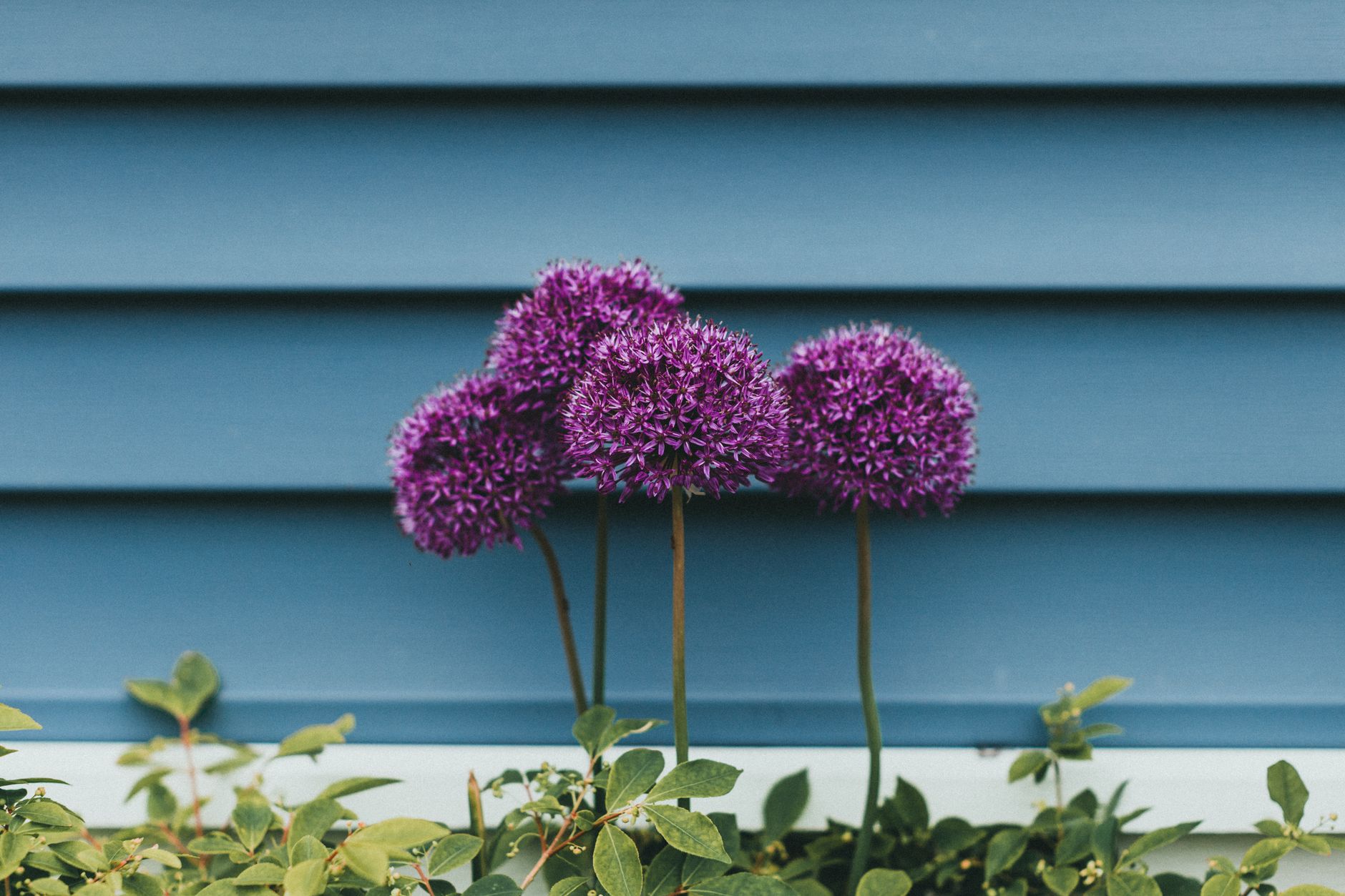
The allium flower belongs to a genus of over 700 species — and yes, that genus includes garlic, onions, and chives. But ornamental alliums steal the show with globe-shaped blooms that tower above garden beds on sturdy stems reaching 4 feet tall. You're here because you want to grow them, understand what they symbolize, or simply figure out which variety fits your yard. This guide covers all of that. From planting allium bulbs in fall to picking between a purple 'Gladiator' and a white 'Mont Blanc,' you'll walk away with a clear plan.
Allium flower meaning and symbolism
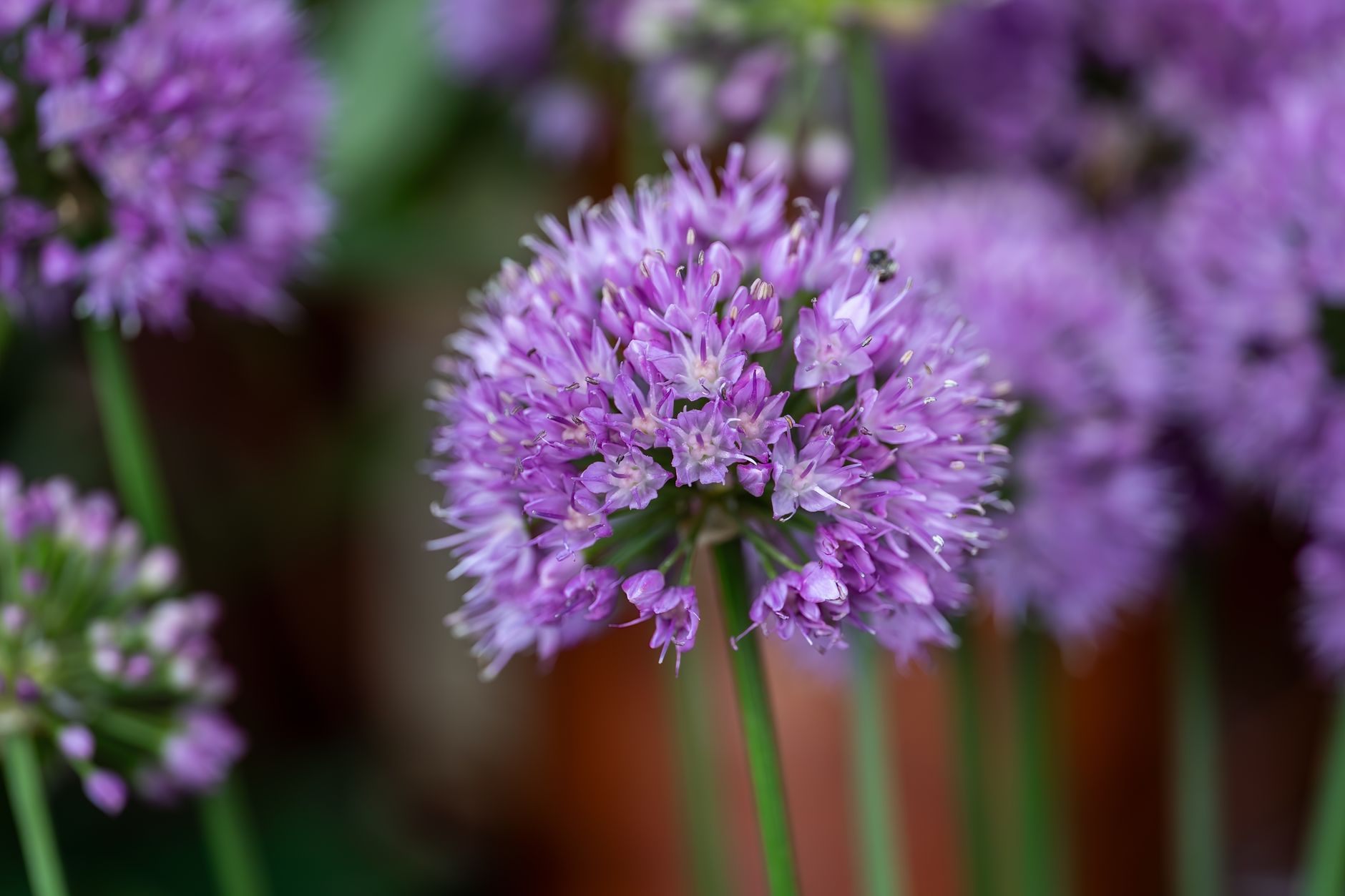
The allium flower carries a rich symbolic history that stretches back thousands of years. The word "allium" comes directly from Latin, meaning "garlic." Ancient Egyptians revered garlic as early as 3200 BCE, treating allium plants as symbols of the cosmos — the round bulb representing the universe. That reverence carried into Greek and Roman cultures, where soldiers ate garlic before battle, believing the allium plant brought courage and protection.
Today, the allium flower meaning focuses on unity and humility. Picture the bloom itself: hundreds of tiny individual florets fuse together into one perfect sphere. That structure naturally suggests togetherness. In Victorian flower language, giving someone an allium meant "patience" and "prosperity." The symbolism shifts slightly by color.
What different allium colors represent
- Purple allium flower — Royalty, admiration, and success. Purple alliums remain the most popular variety across American gardens.
- White allium flower — Purity, sincerity, and remembrance. Florists often include white alliums in sympathy arrangements.
- Red allium flower — Passion, energy, and bold affection. Red alliums appear less commonly but carry strong visual impact in bouquets and borders.
So the allium flower meaning runs deeper than most gardeners realize. Keep that in mind next time you hand someone a globe-shaped bloom from your garden.
Is allium a perennial? What you need to know


Yes. Allium is a perennial. Most ornamental allium varieties thrive in USDA Hardiness Zones 3 through 9, covering nearly the entire continental United States. A perennial allium bulb you plant this October will bloom next May or June — and keep blooming for 5 to 8 years with minimal effort.
Here's the nuance. Some allium varieties act as "short-lived perennials," meaning they fade after 3 or 4 seasons. Allium giganteum falls into this category. The bulbs exhaust themselves producing those massive 6-inch flower heads. Other varieties, like Millennium allium, keep going strong for a decade. Millennium allium earned the 2018 Perennial Plant of the Year award from the Perennial Plant Association — a recognition that speaks to its resilience.
What makes perennial allium so appealing? Four things stand out:
- Deer and rabbits avoid allium plants because of the onion scent in the foliage.
- Pollinators — especially bees and butterflies — flock to allium blooms from late spring through midsummer.
- Allium bulbs multiply over time, giving you more flowers each season without extra spending.
- Dried allium seed heads add winter interest to garden beds long after blooms fade.
Allium varieties worth growing in your garden
The allium family gives you more than 20 ornamental options for North American gardens. Choosing the right variety depends on your space, your zone, and the look you want. Here's a breakdown of the most popular picks.
Allium giganteum
Allium giganteum produces the tallest stems of any ornamental allium — reaching 3 to 5 feet high. Each stem carries a dense purple globe measuring 4 to 6 inches across. Allium giganteum bulbs need full sun and well-drained soil. Plant allium giganteum bulbs about 8 inches deep in fall. Bloom time runs from late May through June in most of the U.S.
Fair warning: allium giganteum foliage yellows and dies back before the flower even opens. Smart gardeners tuck allium giganteum behind mid-height perennials like salvia or catmint to hide the browning leaves.
Globemaster allium
Globemaster allium bulbs produce the largest flower heads in the allium world — up to 10 inches in diameter. That's roughly the size of a softball. Globemaster stands about 30 inches tall and blooms for 2 to 3 weeks in late spring. Unlike allium giganteum, Globemaster is a sterile hybrid, so the plant puts all energy into the bloom rather than seed production. One Globemaster bulb typically costs $8 to $15 depending on size.
Allium Gladiator
Allium Gladiator bulbs deliver a middle ground between Giganteum's height and Globemaster's bloom size. Gladiator reaches 40 to 48 inches with 6-inch purple flower heads. The variety blooms in late May through early June. Gladiator works well as a cut flower — stems last 10 to 14 days in a vase with fresh water.
Drumstick allium (Sphaerocephalon)
Drumstick allium bulbs create something totally different. Instead of round globes, drumstick allium grows egg-shaped burgundy flower heads about 1.5 inches long. The plant reaches 24 to 30 inches tall. Drumstick allium blooms later than most varieties — early to midsummer — filling the gap after spring alliums finish. You can buy drumstick allium bulbs in bulk for about $0.50 each, making them budget-friendly for mass plantings.
Millennium allium
Millennium allium plant stands apart from every other variety on this list. Why? Millennium allium doesn't grow from a traditional bulb. Gardeners buy Millennium allium as a container-grown plant and divide the clump every 3 to 4 years. The plant reaches 15 to 20 inches tall with rosy-purple 2-inch globes. Millennium allium blooms from July through August — later than any other popular allium.
Millennium allium bulbs (technically, divisions sold as bareroot) are available from specialty nurseries. The plant thrives in Zones 4 through 8 and handles heat, humidity, and clay soil better than most allium varieties.
Quick comparison table
| Variety | Height | Bloom size | Bloom time | Zones |
|---|---|---|---|---|
| Allium giganteum | 36–60 inches | 4–6 inches | Late May–June | 5–8 |
| Globemaster | 24–30 inches | 8–10 inches | Late May–June | 4–8 |
| Gladiator | 40–48 inches | 5–6 inches | Late May–June | 4–9 |
| Drumstick | 24–30 inches | 1.5 inches | June–July | 4–8 |
| Millennium | 15–20 inches | 2 inches | July–August | 4–8 |
When to plant allium bulbs
Allium bulbs go into the ground in fall. The timing matters, so pay attention to your region.
Plant allium bulbs 6 to 8 weeks before your first expected hard frost. For most of the U.S., that window looks like this:
- Northern states (Zones 3–5): September through mid-October
- Mid-Atlantic and Midwest (Zones 5–7): October through early November
- Southern states (Zones 7–9): Late October through late November
Why fall? Allium bulbs need a cold dormancy period — typically 12 to 14 weeks below 45°F — to trigger spring bloom. Skip the cold period, and the bulbs won't flower.
A common mistake: planting too early. Warm soil in early September (especially in Zone 7 and warmer) can trick bulbs into sprouting prematurely. Wait until soil temperature drops below 60°F. A basic soil thermometer from any garden center costs about $8 and saves you guesswork.
How to plant allium bulbs: step by step


Planting allium bulbs takes about 20 minutes for a dozen bulbs. Grab a hand trowel and follow these steps.
- Choose a spot with full sun — at least 6 hours of direct sunlight daily.
- Test the drainage by pouring a bucket of water on the soil. The water should absorb within 15 minutes. Standing water rots allium bulbs fast.
- Dig a hole 3 times the height of the bulb. A large allium giganteum bulb (3 inches tall) goes 9 inches deep. A small drumstick bulb (1 inch tall) goes 3 inches deep.
- Place the bulb pointy end up, flat root plate down.
- Space large-headed alliums 8 to 12 inches apart. Space small varieties like drumstick 4 to 6 inches apart.
- Backfill with the original soil. Mix in a tablespoon of bone meal per hole for extra phosphorus.
- Water the planting area thoroughly — one deep soak encourages root development before winter.
One more thing. Group allium bulbs in clusters of 5, 7, or 9 for natural-looking drifts. Single alliums look lonely. Odd-numbered groupings mimic how plants cluster in nature.
Do allium bulbs multiply?
Looking for a meaningful flower with personality?
Choose an arrangement that feels distinctive while still fitting a thoughtful everyday gesture.
They absolutely do. Most allium bulbs produce small offset bulbs (called "bulblets") around the base of the parent bulb each year. After 3 to 4 seasons, one original bulb can become a cluster of 4 to 6 bulbs.
Here's how multiplication works for different types:
- Allium giganteum bulbs multiply slowly — expect 1 to 2 offsets per year.
- Drumstick allium bulbs multiply aggressively and can naturalize across a garden bed within 4 years.
- Globemaster allium bulbs rarely produce offsets because Globemaster is a sterile hybrid. The plant sustains itself but doesn't spread.
- Millennium allium plant expands by clump division rather than bulb offsets. You dig and split the clump every 3 years.
Want to speed up multiplication? Let allium seed heads dry on the stem after blooming. Seeds drop naturally and germinate the following spring. Seed-grown alliums take 2 to 3 years to reach blooming size, so patience pays off.
You can also dig up bulb clusters in early fall, separate the offsets by hand, and replant the individual bulbs at proper spacing. Doing so prevents overcrowding, which reduces bloom size over time.
Allium care through every season
Allium care is genuinely low-maintenance. These plants evolved in rocky, dry Central Asian climates — they don't need pampering. But a few targeted steps boost performance significantly.
Spring care (March–May)
Allium foliage emerges in early spring. Resist any urge to cut the leaves. The leaves photosynthesize and feed the bulb for next year's bloom. Apply a balanced 10-10-10 granular fertilizer once in early spring, scattering about a tablespoon around each clump.
During bloom (May–July)
Tall varieties like Gladiator and Giganteum sometimes lean in strong winds. Push a thin bamboo stake into the soil 2 inches from the stem and tie loosely with garden twine. Water allium plants only during extended dry spells — once every 10 to 14 days if rain doesn't come. Overwatering causes bulb rot faster than any disease.
After bloom (July–August)
Leave the flower heads standing. Seriously — even after petals drop. Dried allium seed heads look architectural, attract finches, and signal to you exactly where the bulbs sit underground. Cut foliage only after leaves turn completely yellow and papery. That yellowing means the plant has pulled nutrients back into the bulb.
Winter dormancy (November–February)
Allium bulbs sit dormant underground during winter. In Zones 3 through 5, lay 2 to 3 inches of mulch (shredded leaves or straw) over the planting area after the first hard frost. Mulch insulates against extreme temperature swings. In Zones 6 and warmer, mulch is optional but still helpful for moisture retention.
Common allium mistakes and how to fix them
Even experienced gardeners trip up with alliums. Here are the errors that come up most often.
Planting in soggy soil. Allium bulbs rot in wet conditions. Raised beds solve drainage problems in clay-heavy soils common across the Midwest and Southeast.
Cutting foliage too early. The leaves look messy after bloom — understandably so. But removing green foliage starves the bulb. Plant alliums behind hostas or daylilies that fill in and hide the dying allium leaves.
Forgetting to fertilize. Allium bulbs deplete soil nutrients after a few years. Without a spring feeding, blooms shrink noticeably by year 3.
Planting too shallow. Shallow-planted bulbs heave out of frozen ground in northern states. The 3x-depth rule exists for a reason.
Ignoring companion timing. Giant allium foliage dies back before flowers open. First-time growers get alarmed. That's normal. Plan your bed so neighboring plants cover the gap.
Allium flowers for every occasion
Allium flowers work beyond the garden bed. Cut alliums last 7 to 14 days in a vase — longer than most spring flowers. The globe shape creates instant drama in arrangements.
Purple allium flowers make striking additions to graduation bouquets (May and June timing lines up perfectly). White allium flowers suit wedding arrangements and sympathy pieces. For Mother's Day bouquets, mix alliums with peonies or roses for texture contrast.
Dried allium seed heads last for months in fall and holiday arrangements. Spray them with metallic paint — gold or silver — for Thanksgiving centerpieces or Christmas décor.
Honestly, an allium flower in a simple glass vase on a kitchen table beats an elaborate arrangement. The geometry speaks for itself.
Your next move with allium flowers
The best time to order allium bulbs? Late August through September — before nurseries sell out of the popular varieties. Globemaster and Gladiator bulbs sell out first nearly every year. Drumstick and Millennium allium stock tends to last longer.
Start with 15 to 20 bulbs of 2 or 3 varieties for a mixed display. Plant them this fall, and by next May, you'll have something in your garden that stops neighbors mid-walk. What variety are you leaning toward?