EUR
 GBP
 CAD
 AUD

 Birthday
 Same Day
 Occasions
 Flowers
 Roses
 Plants
 Gifts
 International Flower Delivery
Amaranth Flower Meaning & Symbolism
- 🌿 Amaranth means "unfading" in Greek, and the flower has symbolized immortality, enduring love, and resilience for more than 8,000 years across dozens of cultures.
- 🎨 Each amaranth color carries a distinct message — red signals passion, purple conveys royalty, green represents renewal — so your color choice shapes the entire gift.
- 💐 Cut amaranth stems last 7–14 days in a vase and dry beautifully, making amaranth one of the most versatile flowers you can buy or grow in the U.S.
Amaranth meaning traces back over 8,000 years to a single Greek word that translates to "unfading." That fact alone tells you why this flower still shows up in wedding bouquets, memorial arrangements, and tattoo designs across the United States today. You're about to discover the full story behind the amaranth name meaning, the symbolism each color carries, and practical ways to use amaranth blooms for holidays like Thanksgiving, Valentine's Day, and Memorial Day. Whether you're picking flowers for someone you love or just curious about botanical history, this guide gives you everything worth knowing — with zero fluff.
What does amaranth mean? The word itself

Amaranth meaning starts with language. The English word "amaranth" comes from the Greek amarantos (ἀμάραντος), built from the prefix a- ("not") and marainein ("to wither"). Literally: "the one that does not fade."
Ancient Greek poets first used amarantos around the 4th century BCE. They described an imaginary flower that never wilted — a symbol of eternal life. The Latin form amarantus shifted to amaranthus when Renaissance botanists applied the name to a real genus of plants in the 1600s.
Here's a detail most articles miss. The spelling changed because scholars blended amarantos with the Greek word anthos (flower). That blend gave us "amaranthus" — literally "unfading flower." So every time you say "amaranthus meaning," you're already stating the definition inside the word itself.
Quick distinction: "amaranth" refers to both the concept and the common name. "Amaranthus" refers specifically to the botanical genus, which contains roughly 60–70 species. Florists and gardeners use both terms interchangeably in everyday conversation.
Amaranth flower meaning across cultures
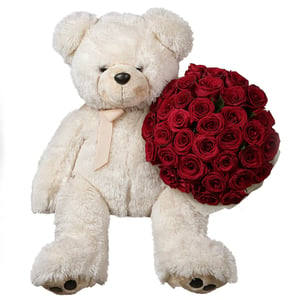
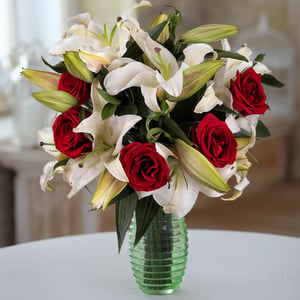
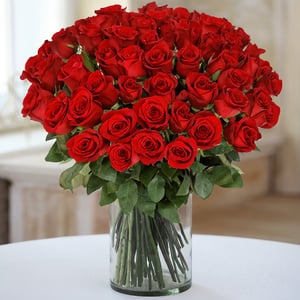
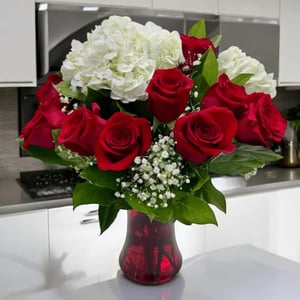

Amaranth flower meaning shifts depending on where and when you look. No single culture owns the symbolism. Here's how different civilizations interpreted amaranth.
Ancient Greece and Rome
Greek mythology linked amaranth to the goddess Artemis. Poets like Aesop referenced amaranth as a metaphor for lasting virtue over temporary beauty. Roman naturalist Pliny the Elder (23–79 CE) wrote about amaranth in Naturalis Historia, calling the dried flower remarkable for its ability to revive when sprinkled with water.
Aztec and Mesoamerican traditions
The Aztec empire cultivated amaranth as a staple crop starting around 6000 BCE. Amaranth grain provided up to 80% of the caloric intake in some regions. The Aztecs called the plant huautli and used amaranth flour mixed with honey and blood to create ceremonial figurines during the festival of Huitzilopochtli. After the Spanish conquest in the 1500s, colonial authorities banned amaranth cultivation because of these rituals. The ban lasted nearly 400 years.
Victorian England
The Victorian "language of flowers" (floriography) assigned amaranth the meaning of "immortal love" or "unfading affection." British florists placed amaranth in sympathy arrangements and in wreaths honoring the dead. The drooping variety — Amaranthus caudatus, known as "love-lies-bleeding" — carried a more melancholy message: hopeless love or heartbreak.
Modern United States
American florists today use amaranth flower meaning in two main contexts. Weddings lean on the "eternal love" symbolism. Memorial and sympathy arrangements draw on the "immortality" angle. Both readings come directly from that original Greek root.
Amaranth symbolism: 5 core themes
Amaranth symbolism clusters around five ideas. Each one connects to a different emotional register, which makes amaranth surprisingly flexible as a gift.
- Immortality — the original meaning, rooted in the Greek concept of a flower that never dies
- Enduring love — drawn from Victorian floriography and reinforced by modern bridal traditions
- Resilience and strength — inspired by the plant's ability to thrive in poor soil, drought, and heat above 95°F
- Remembrance of the dead — tied to ancient Greek funeral customs and modern Memorial Day observances
- Abundance and nourishment — connected to amaranth's role as a food crop producing roughly 40,000–60,000 seeds per plant
Notice that amaranth symbolism rarely touches on frivolity or casual romance. You won't find amaranth in a "just because" bouquet the way you'd find daisies or sunflowers. Amaranth carries weight. Choose amaranth when the occasion demands depth.
Amaranthus meaning by color

Amaranthus meaning changes with color. The genus produces blooms in red, purple, burgundy, green, gold, and orange. Each shade carries a slightly different emotional signal.
Red amaranth
Red signals passion, courage, and deep romantic love. Red amaranth — especially Amaranthus cruentus — pairs well with red roses for Valentine's Day arrangements. The deep crimson tones intensify the "eternal love" message.
Purple and burgundy amaranth
Purple amaranth suggests royalty, dignity, and spiritual devotion. Burgundy shades lean more toward sophistication. Florists in cities like New York and Los Angeles frequently add burgundy amaranth to fall wedding cascading bouquets, especially from September through November.
Green amaranth
Green amaranth represents renewal, growth, and fresh starts. Amaranthus viridis produces bright green tassels that florists use in spring arrangements. Green amaranth works particularly well for congratulatory bouquets — new jobs, graduations, housewarming gifts.
Gold and orange amaranth
Gold and orange shades connect to harvest themes and gratitude. These colors peak during the fall season. Thanksgiving centerpieces across the Midwest and Northeast often feature gold amaranth alongside sunflowers, wheat stalks, and mums.
Amaranth name meaning: why parents choose it
Amaranth name meaning attracts parents searching for something rare but rooted in history. The Social Security Administration (SSA) does not currently rank "Amaranth" in the top 1,000 baby names in the U.S. That rarity appeals to parents who want a name no one else in the kindergarten class will share.
The name carries connotations of strength, beauty, and permanence. Variations include:
- Amarantha — a feminine Latinized form popular in 17th-century English poetry
- Amaranthe — a French-influenced spelling occasionally seen in Louisiana
- Amara — a shorter form that ranks around #150 on the SSA charts and shares the "unfading" root
- Mara — an even shorter derivative, though Mara carries separate meanings in Hebrew ("bitter")
Poet John Milton referenced amaranth in Paradise Lost (1667), placing the flower in the Garden of Eden. That literary pedigree adds cultural depth to the name.
When to give amaranth: U.S. holidays and occasions
Give a flower that reflects something lasting
For meaningful milestones, a considered bouquet can carry the same idea of enduring connection.
Amaranth fits specific occasions better than others. Here's a practical guide matched to the American calendar.
Valentine's Day (February 14)
Red or burgundy amaranth paired with roses tells your partner: "My love endures." Florists can cascade dried amaranth through a bouquet for dramatic visual texture.
Memorial Day (last Monday in May)
Amaranth's connection to remembrance makes the flower fitting for grave decorations and memorial tributes. Dried amaranth holds up in outdoor heat, which matters during late May in states like Texas, Arizona, and Florida.
Weddings (peak season: June through October)
Cascading amaranth — especially Amaranthus caudatus — drapes beautifully over the edges of bridal bouquets and centerpieces. Stems typically measure 12–24 inches long. A single stem can fill a lot of visual space, which keeps arrangement costs manageable.
Thanksgiving (fourth Thursday in November)
Gold, orange, and burgundy amaranth echo fall foliage. A Thanksgiving table centerpiece might combine 5–7 amaranth stems with seasonal gourds, candles, and dried wheat.
Sympathy and funerals (year-round)
Amaranth's "immortality" symbolism speaks directly to grief. Purple and white arrangements with amaranth accents convey respect and lasting memory.
How to care for cut amaranth at home
Cut amaranth lasts 7–14 days in a vase. Follow these steps to maximize vase life.
- Trim 1 inch off each stem at a 45-degree angle before placing the stems in water
- Fill the vase with cool, fresh water and add one packet of flower food
- Change the water every 2 days — amaranth drinks heavily and clouds water faster than most blooms
- Keep the vase away from direct sunlight and heating vents (especially during U.S. winters when indoor heating runs constantly)
- Remove any leaves that fall below the waterline to prevent bacterial growth
Drying amaranth at home
Dried amaranth retains color for 1–3 years. The process takes about 2 weeks.
- Bundle 5–8 stems together with a rubber band
- Hang the bundle upside down in a dark, dry room with good air circulation
- Avoid garages or attics in humid states like Florida or Georgia — humidity above 60% can cause mold
- Spray dried stems lightly with unscented hairspray to reduce shedding
Common mistakes when buying or arranging amaranth
Even seasoned flower buyers stumble with amaranth. Watch out for these pitfalls.
Mistake #1: Confusing ornamental and grain varieties. Not all amaranth looks good in a vase. Grain amaranth (Amaranthus hypochondriacus) produces dense seed heads meant for eating, not displaying. Ask your florist specifically for Amaranthus caudatus (hanging type) or Amaranthus cruentus (upright plumes).
Mistake #2: Cutting stems too short. Amaranth looks best when stems hang or tower above surrounding flowers. Cutting stems shorter than 10 inches removes the drama that makes amaranth special.
Mistake #3: Overcrowding the vase. Amaranth tassels need room to drape. Cramming too many stems together flattens the cascading effect. Start with 3–5 stems per medium-sized vase and build from there.
Mistake #4: Ignoring water temperature. Amaranth absorbs cool water better than warm water. Lukewarm water — the default advice for most flowers — actually shortens amaranth vase life by about 2 days.
Flowers that pair well with amaranth
Florists combine amaranth with complementary blooms to balance color, texture, and height. Here are five pairings that work reliably.
- Dahlias — full, round heads contrast with amaranth's trailing shape, and both peak in late summer
- Roses — classic romance paired with eternal symbolism creates a layered emotional message
- Eucalyptus — silvery green foliage cools down the warmth of red or burgundy amaranth
- Sunflowers — bold, cheerful faces balance amaranth's more serious undertones, especially in fall arrangements
- Pampas grass — airy plumes plus cascading tassels create a boho aesthetic popular for outdoor U.S. weddings
Growing amaranth in the United States
Amaranth thrives across USDA Hardiness Zones 2–11, which covers virtually every state. The plant germinates in soil temperatures above 65°F, so most U.S. gardeners sow seeds directly outdoors after the last frost — typically mid-April through late May depending on your zone.
Key growing facts:
- Seeds germinate in 7–14 days
- Mature plants reach 3–8 feet tall depending on variety
- Amaranth tolerates drought and poor soil — the plant evolved in arid Mesoamerican landscapes
- Full sun (6+ hours daily) produces the most vibrant blooms
- Harvest flower heads when seeds begin to drop (roughly 90–120 days after planting)
One more thing. Amaranth self-seeds aggressively. A single plant can drop 40,000+ seeds. Unless you want an amaranth jungle next spring, cut seed heads before they fully dry on the stalk.
A final thought on amaranth
Ready to celebrate a lasting bond?
Choose a romantic arrangement that makes the occasion feel personal rather than routine.
The word "unfading" sounds poetic until you watch a dried amaranth stem hold its color for 2 full years on a shelf. Then the word just sounds accurate. Amaranth earned every layer of meaning that 8,000 years of human culture draped over it — from Aztec grain fields to Victorian parlors to American wedding venues in 2024.
Next time you choose flowers for someone, consider what you want the arrangement to say. If the message involves permanence — lasting love, enduring memory, unbreakable resilience — amaranth belongs in the bouquet.
What would you pair amaranth with? Browse arrangements that feature amaranth and find the combination that matches your moment.