EUR
 GBP
 CAD
 AUD

 🎃Halloween🎃
 Birthday
 Occasions
 Same Day
 Flowers
 Roses
 Plants
 Gifts
 International Flower Delivery
Best Flower Delivery Services in Japan: Fresh Blooms for Every Occasion
Sending flowers to Japan: everything you need to know in 2026
Picture this: someone you love lives thousands of miles away in Tokyo, Osaka, or Kyoto, and you want to brighten their day with a gorgeous bouquet. Sending flowers to Japan from the comfort of your couch in the US sounds complicated — but honestly, it's one of the easiest cross-border gestures you can make. MyGlobalFlowers, an international flower delivery service that connects you with local florists in Japan, handles the entire process so you never have to worry about customs, wilting petals, or lost packages. Bouquets start from just $34.00, and a skilled florist in Japan arranges every stem by hand.
In this guide, you'll learn exactly how the process works — from placing your order to the moment a courier rings the doorbell in Japan. I'll walk you through Japanese flower etiquette (some of these cultural rules genuinely surprise people), the best flowers for every occasion, common mistakes that trip up first-time senders, and even care tips you can pass along to the person receiving your gift. Let's get into it.
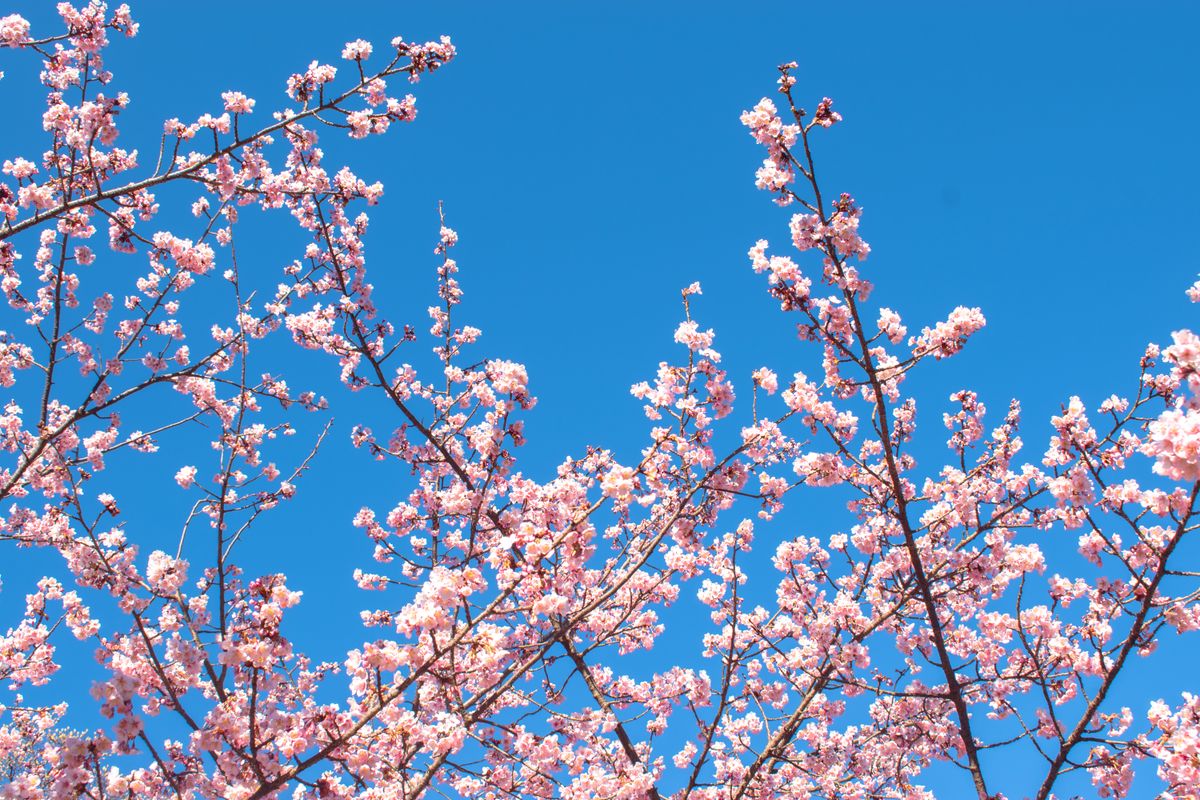
Send flowers to Japan with confidence
MyGlobalFlowers connects you with trusted local florists in Japan for fresh, on-time delivery.
How flower delivery to Japan actually works
Sending flowers to Japan doesn't mean a bouquet travels across the Pacific Ocean. That's a myth worth busting right away. Here's the real process, step by step:
- You place your order online from anywhere in the US. You browse the catalog, pick a bouquet or arrangement, add a personal message, and check out — all in English, all with a standard US credit card.
- A local florist in Japan receives the order. The system routes your order to a professional florist located near your recipient's address.
- The florist arranges fresh, locally sourced flowers. Every bloom comes from local markets, so the flowers are as fresh as they get — no long-haul transit, no dehydration, no bruised petals.
- A courier hand-delivers the bouquet to your recipient's door. The arrangement arrives beautifully wrapped, ready to make someone's day.
The flowers never leave Japan. You just happen to be the person ordering from the other side of the world.
Same-day and next-day delivery options
Here's the thing about same-day delivery to Japan: the time zone difference is significant, and most people underestimate it. Japan Standard Time (JST) runs 13 to 17 hours ahead of US time zones. When it's 8 AM on the East Coast (EST), it's already 10 PM in Tokyo. When it's 8 AM on the West Coast (PST), it's 1 AM the next day in Japan.
You place your order before the local cutoff in Japan — typically by noon JST — and the florist delivers the same day. Miss that window, and the florist delivers the next day. So my advice? Don't wait until the last minute. Check the current time in Japan before you order, and give yourself a comfortable buffer.
The delivery fee is calculated individually during checkout, based on the specific delivery location in Japan. You'll see the exact amount before you confirm your order — no surprises.
What you should know before sending flowers to Japan

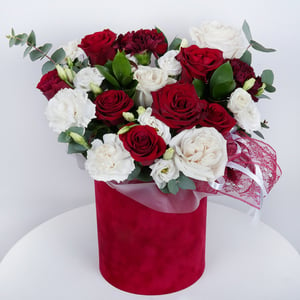
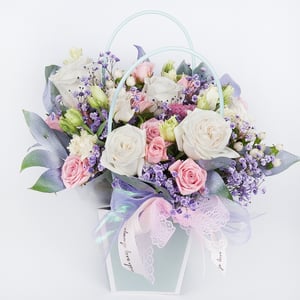
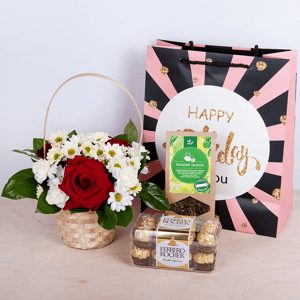
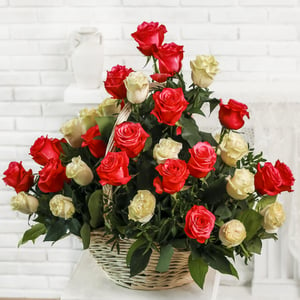
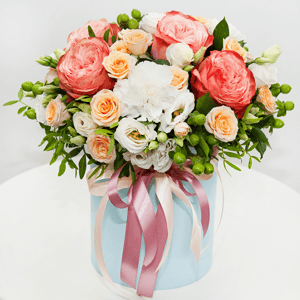
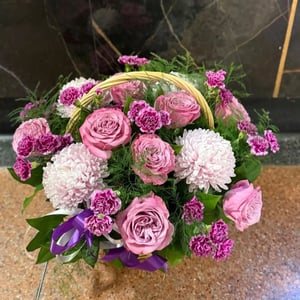
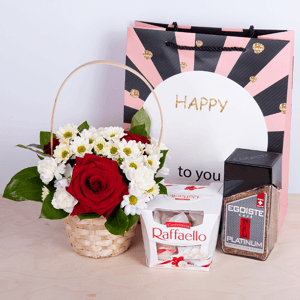
Sending flowers to Japan carries cultural weight that most Americans don't think about. Japanese flower etiquette is nuanced, deeply rooted in tradition, and genuinely important to get right. I always recommend spending a few minutes on this section before you pick a bouquet. It could save you from an awkward — or even offensive — mistake.
White flowers and funerals
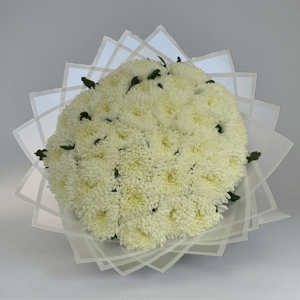
White chrysanthemums and white lilies are funeral flowers in Japan. People place white chrysanthemums on altars during Buddhist ceremonies, and white lilies appear at memorial services. Sending a bouquet of white chrysanthemums to celebrate a birthday or promotion would feel jarring and inappropriate to a Japanese recipient. Save white arrangements for sympathy and condolence situations only.
Numbers that matter
The number 4 (四, shi) sounds like the Japanese word for "death." The number 9 (九, ku) sounds like "suffering." Never send 4 stems or 9 stems in a bouquet meant for a happy occasion. Odd numbers (except 9) are generally considered lucky in Japan, so 3, 5, or 7 stems make safe choices.
Color symbolism
- Red flowers symbolize deep passion and romantic love.
- Pink flowers convey gratitude, gentleness, and admiration.
- Yellow flowers can signal jealousy or rejection in some traditional contexts — choose carefully.
- Blue and purple flowers suggest calm, dignity, and respect.
Potted plants and hospitals
Sending a potted plant to someone in a hospital carries a specific implication in Japan: the roots suggest "rooted illness" — a wish that the sickness stays put. Always choose cut flowers for hospital visits or get-well wishes.
Wrapping and presentation
Presentation matters enormously in Japanese culture. The way a gift looks on the outside signals the care you put into choosing it. The good news? Local florists in Japan understand these expectations instinctively. They wrap every bouquet with the precision and elegance that Japanese aesthetics demand. Trust their expertise — the presentation will be beautiful.
Best flowers to send to Japan (and when)
Sending flowers to Japan works best when you match the bloom to the moment. Here's a breakdown of the most popular options and when each one shines.
Rose bouquets
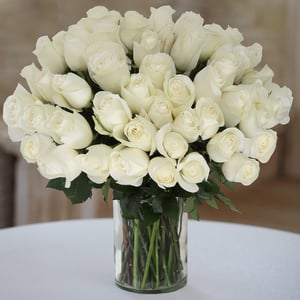
Roses are the universal language of love, and Japan embraces roses with the same enthusiasm as the rest of the world. Red roses express romantic love — perfect for anniversaries, Valentine's Day, and proposals. Pink roses convey appreciation and gratitude — a thoughtful choice for Mother's Day, birthdays, or just-because moments. A dozen roses makes a bold statement. A smaller arrangement of 5 or 7 stems feels intimate and elegant.
Lily arrangements
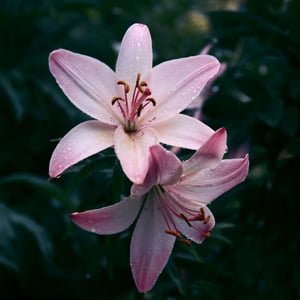
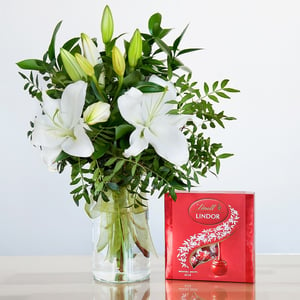
Lilies bring elegance and fragrance to any room. They work beautifully for congratulations, corporate gifts, and formal celebrations. One important caveat: avoid white lilies for happy occasions because of the strong funeral association. Pink lilies and orange lilies carry cheerful, positive energy and make stunning arrangements.
Mixed seasonal bouquets
This is honestly my go-to recommendation for anyone who isn't sure what to pick. The florist selects the freshest seasonal blooms available at the market that morning and creates a one-of-a-kind arrangement. During cherry blossom season (late March through April), expect soft pinks and delicate branches. In summer, bright sunflowers and vibrant gerbera daisies dominate. A seasonal bouquet guarantees peak freshness because every flower is at its natural best.
Orchid plants and gift sets
Orchids carry prestige in Japanese culture. Businesses send phalaenopsis orchids for grand openings, promotions, and corporate milestones. The plants last for weeks — sometimes months — with minimal care. Orchids also work beautifully as housewarming gifts or "thank you" gestures. Pair an orchid with a box of chocolates or a bottle of wine, and you've created a gift that feels truly special.
Occasions and holidays — when to send flowers to Japan
Sending flowers to Japan means navigating a calendar that blends Japanese traditions with Western holidays. Here are the key moments you should know about.
Birthdays
Birthdays happen year-round (obviously), and bright, cheerful bouquets work best. Think pink roses, mixed seasonal arrangements, or colorful gerbera daisies. Avoid white-dominant palettes and unlucky numbers.
Valentine's Day (February 14)
Here's what surprises most Americans: in Japan, women traditionally give gifts to men on February 14. Men then reciprocate on White Day, March 14. So sending flowers to a woman in Japan on Valentine's Day actually breaks with local tradition — though many modern Japanese couples appreciate the gesture regardless. Sending flowers for White Day, on the other hand, feels perfectly timed and culturally aware.
Mother's Day (second Sunday of May)
Japan celebrates Mother's Day on the same date as the US. Carnations are the classic choice — especially red and pink carnations. A bouquet of carnations tells a Japanese mother exactly what you mean: love, gratitude, and respect.
Obon (mid-August)
Obon is a Buddhist remembrance period when families honor deceased ancestors. White and muted arrangements are appropriate. White chrysanthemums are fitting here — this is one of the few occasions where white flowers carry the right tone.
Shichi-Go-San (November 15)
This holiday celebrates children ages 3, 5, and 7. Families dress their kids in traditional kimono and visit shrines. Cheerful, colorful flowers — think bright pinks, yellows, and oranges — match the festive spirit perfectly.
Christmas
Christmas in Japan is a romantic holiday, not a family gathering. Couples go on dates, exchange gifts, and celebrate together — think Valentine's Day energy. Red roses and poinsettias capture the mood beautifully.
Corporate occasions
Office openings, promotions, retirements, and business anniversaries all call for flowers in Japan. Orchids and elegant formal arrangements signal respect and professionalism. Stick to refined color palettes — white, purple, and soft pink.
Sympathy and condolence
White chrysanthemums and white lilies are the standard for funerals and condolence gestures. Keep the arrangement simple, understated, and respectful. Avoid bright colors entirely.
Common mistakes when sending flowers to Japan (and how to avoid them)
Sending flowers to Japan goes smoothly when you sidestep a few common traps. Here are the ones I see most often:
- ✗Choosing white chrysanthemums for a birthday. White chrysanthemums are funeral flowers. Use them only for sympathy and condolence.
- ✗Sending 4 or 9 stems. The number 4 sounds like "death" and 9 sounds like "suffering" in Japanese. Choose 3, 5, 7, or larger even numbers instead.
- ✗Ignoring the time zone difference. Japan runs 13 to 17 hours ahead of the US. Check the local time in Japan before placing your order, especially for same-day delivery.
- ✗Writing the recipient's address in English only. Provide the address in Japanese characters (kanji or katakana) whenever possible. Japanese couriers navigate much faster with a local-language address. Ask your recipient or a Japanese-speaking friend for the correct format.
- ✗Expecting the bouquet to look pixel-perfect compared to the website photo. The florist may substitute individual stems depending on what's freshest at the market that day. The overall style, color palette, and value stay the same — and honestly, artisan substitutions often make the arrangement even better because every flower is at peak freshness.
- ✗Forgetting to include a personal message. Japanese culture values thoughtful words alongside gifts. A handwritten card (or a typed message printed on a card) adds emotional depth that an anonymous bouquet simply can't match. Take two minutes to write something heartfelt.
How to choose the best flower delivery service to Japan
Sending flowers to Japan through the right service makes all the difference. Not every platform handles international flower delivery well, so here's what to look for:
- The service works with local florists in Japan — not a warehouse or a cross-border logistics chain. Local florists source fresh flowers from nearby markets and understand Japanese presentation standards.
- Same-day and next-day delivery options exist. You want flexibility, especially when time zones complicate last-minute orders.
- The catalog offers Japan-appropriate flowers. Look for arrangements that reflect Japanese tastes — not just generic Western bouquets. Orchids, seasonal mixed bouquets, and culturally aware options matter.
- Pricing is transparent. You should see the bouquet price clearly, with the delivery fee calculated at checkout. No hidden charges.
- The ordering interface works in English and accepts US credit cards. You shouldn't need to navigate a Japanese-language site or convert currency manually.
- Customer support operates in your time zone. Problems happen. You want to reach someone during US business hours.
MyGlobalFlowers checks every one of these boxes. The service connects you with experienced local florists across Japan, offers same-day and next-day delivery, prices bouquets starting from $34.00, and runs an English-language platform that accepts all major US credit cards. The checkout process takes about five minutes, and you can add a personal message, choose add-on gifts, and see your delivery fee before confirming. It's straightforward, reliable, and built for people who want to send flowers to Japan without the guesswork.
Flower care tips for your recipient in Japan

Sending flowers to Japan is just the beginning. Here's a set of care tips you can share with the person receiving your gift — a quick text or email with these pointers helps the bouquet last much longer.
For cut flower bouquets
- ✓Trim the stems at a 45-degree angle immediately after receiving the bouquet. A fresh cut opens the water channels and helps the flowers drink.
- ✓Place the flowers in clean, room-temperature water. Cold water shocks the stems; hot water accelerates decay.
- ✓Change the water every two days under normal conditions. During Japan's rainy season in June and July, high humidity means bacteria grow faster in vase water — change the water daily during those months.
- ✓Keep the bouquet away from direct sunlight, air conditioning vents, and heating units. All three dehydrate flowers rapidly.
- ✓Remove wilting stems promptly. Dying flowers release ethylene gas, which speeds up the decline of healthy blooms nearby.
For orchid plants
- ✓Water the orchid once a week. Overwatering kills orchids faster than underwatering.
- ✓Place the plant in indirect light — near a window with a sheer curtain works perfectly.
- ✓Avoid placing the orchid near fruit bowls. Ripening fruit releases ethylene gas, which causes orchid buds to drop.
- ✓During Japan's dry winter months, mist the leaves lightly every few days to maintain humidity around the plant.
Order your Japan bouquet today
A local florist in Japan will hand-arrange and deliver your bouquet fresh, on time, and with care.
Extras that make your gift special
Sending flowers to Japan already says a lot. Adding a few extras turns a beautiful gesture into an unforgettable one.
- Personal message cards. Most services, including MyGlobalFlowers, let you add a custom note during checkout. Write something specific and heartfelt — "I'm proud of you" or "Thinking of you today" means more than a generic "Congratulations."
- Add-on gifts. Pair your bouquet with chocolates, a bottle of wine, a cake, or a stuffed animal. These small additions amplify the emotional impact and show extra thought.
- Japanese-style wrapping. Local florists in Japan are masters of gift wrapping. The presentation will reflect Japanese aesthetics — clean lines, elegant materials, and meticulous attention to detail. You don't need to request anything special; the florist handles the wrapping as part of the standard process.
Sending flowers across the Pacific is simpler than you think
Here's what I'd leave you with. Sending flowers to Japan isn't really about logistics or checkout buttons or delivery windows. Those things matter — and now you know exactly how they work — but the core of it is much simpler. Someone you care about is far away, and you want them to open their door to something beautiful. That impulse is worth acting on.
A bouquet arranged by a skilled florist in Tokyo or Osaka or Sapporo carries more than flowers. It carries the message that distance doesn't dilute how much you care. And in Japanese culture, where the thoughtfulness behind a gift matters as much as the gift itself, that message lands with real weight.
Ready to make someone's day? Browse the Japan collection on MyGlobalFlowers and pick something that feels right. You'll have it ordered in five minutes — and a florist in Japan will take it from there.
Frequently asked questions
Can I send flowers to Japan from the US?▾
Yes. You place your order online, and a local florist in Japan arranges and hand-delivers the bouquet. The flowers are sourced locally in Japan — they never cross borders. You handle the ordering; the florist handles everything else.
How long does flower delivery to Japan take?▾
Same-day delivery is available when you order before the local cutoff time, typically by noon JST. Keep in mind that JST runs 13 to 17 hours ahead of US time zones. Next-day delivery is the standard option for orders placed after the cutoff.
What flowers should I avoid sending in Japan?▾
Avoid white chrysanthemums and white lilies for happy occasions — both are associated with funerals. Never send arrangements of 4 stems (the number sounds like "death" in Japanese) or 9 stems ("suffering"). Yellow flowers can imply jealousy in certain traditional contexts.
How much does it cost to send flowers to Japan?▾
Bouquets on MyGlobalFlowers start from $34.00. The delivery fee is calculated at checkout based on the specific delivery location in Japan. You see the total before confirming your order.
Will the bouquet look exactly like the photo on the website?▾
The florist may substitute individual flowers depending on seasonal availability at the local market. The overall style, color palette, and value remain the same. These artisan adjustments mean every stem in your bouquet is at peak freshness — which is ultimately better than a rigid replica made with less-than-perfect blooms.
What is White Day in Japan, and should I send flowers?▾
White Day falls on March 14. Men in Japan traditionally give return gifts to women who gave them presents on Valentine's Day. Flowers — especially roses and mixed bouquets — are a popular and well-received White Day gift. Sending flowers for White Day shows cultural awareness that your recipient will appreciate.