EUR
 GBP
 CAD
 AUD

 Birthday
 Same Day
 Occasions
 Flowers
 Roses
 Plants
 Gifts
 International Flower Delivery
Flower Subscription: A Complete Guide
- 🌹 Roses dominate U.S. flower sales with roughly 250 million stems sold for Valentine's Day alone, but sunflowers, tulips, and peonies closely follow in search trends and gifting habits.
- 📅 Your best move: match the flower to the season and occasion — peonies peak May through June, dahlias shine August through October, and chrysanthemums own the fall holidays.
- 💐 Local florists assemble fresher arrangements than big-box stores, and a quick stem trim plus cool water every 2 days keeps most cut flowers vibrant for 7 to 12 days.
Americans spend over $7 billion on cut flowers every single year, and the most popular flowers driving those sales haven't changed much in decades. Knowing which blooms top the charts helps you pick the right bouquet for a birthday, style a wedding centerpiece, or simply grow something gorgeous in your backyard. This guide breaks down the flowers people actually buy, grow, and gift most often across the United States — with real details on seasons, colors, care, and common mistakes.
What are the most popular flowers in America?
The most popular flowers in the U.S. share a few traits. They look striking in arrangements. They grow well across multiple USDA hardiness zones. And florists can source them year-round (or close to it).
Google Trends data consistently puts roses at the top. Sunflowers rank second in search volume during summer months. Tulips spike every March and April. Peonies trend hard in late spring, especially around wedding season.
But "popular" depends on context. A gardener in Zone 5 (think Chicago or Denver) values hardy perennials like daylilies and coneflowers. A bride in Southern California gravitates toward ranunculus and garden roses. A person ordering a sympathy arrangement usually requests lilies or chrysanthemums.
Here's what matters: the 10 flowers below appear on virtually every florist's bestseller list, every major gardening site, and every wedding Pinterest board in the country.

Top 10 most popular flowers
1. Rose
Roses lead global cut-flower sales. Period. The U.S. imports roughly 1.2 billion rose stems annually, with about 80% coming from Colombia and Ecuador. Red roses dominate Valentine's Day — florists report that a single dozen red roses costs anywhere from $40 to $150 in February, depending on your city.
Beyond romance, roses come in over 30,000 cultivated varieties. Garden roses (like the David Austin 'Juliet') feature ruffled petals and a strong fragrance. Spray roses carry 4 to 6 smaller blooms per stem, making them a budget-friendly filler. Hybrid tea roses deliver that classic long-stem look.
Quick care tip: Cut stems at a 45-degree angle, remove leaves below the waterline, and change the water every 2 days. Roses last 7 to 10 days with proper care.
2. Sunflower
Sunflowers rank among the most popular flowers for summer arrangements and farmers' market bouquets. Kansas adopted the sunflower as its state flower back in 1903. A mature sunflower head can measure 12 inches across and contain up to 2,000 individual florets.
These blooms thrive in USDA Zones 2 through 11 — basically, anywhere in the continental U.S. They need 6 to 8 hours of direct sunlight daily. Dwarf varieties like 'Teddy Bear' grow just 2 feet tall, while 'Mammoth Russian' can reach 12 feet.
Sunflowers make excellent cut flowers. Expect a vase life of 6 to 12 days. Drop the water temperature to cool (not cold), and add a teaspoon of sugar per quart.
3. Tulip
Tulips arrived in the Netherlands from Turkey around 1593 and sparked one of history's most famous economic bubbles — tulip mania — by 1637. Today the Netherlands exports about 2 billion tulip bulbs each year, and American gardeners plant millions of them every fall.
Tulips bloom in early to mid-spring across Zones 3 through 8. You'll find them in nearly every color except true blue. Parrot tulips feature feathered, fringed petals. French tulips grow 20 to 24 inches tall with elegant, curving stems.
Fun fact: Tulips keep growing after you cut them — sometimes adding an extra inch in the vase. Place cut tulips in shallow, cool water and keep them away from direct heat.
4. Lily
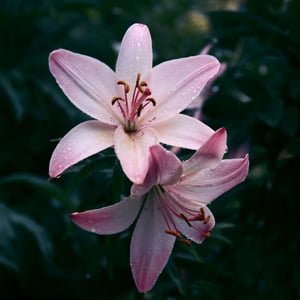
Lilies belong to the genus Lilium and include about 90 species. Oriental lilies (like Stargazer) carry a powerful, sweet fragrance. Asiatic lilies bloom earlier, come in bright oranges and yellows, and carry almost no scent.
A word of caution: lily pollen stains fabric permanently. Snip the anthers as soon as a lily opens. Lilies also pose a serious toxicity risk to cats — even a small amount of pollen or leaf can cause kidney failure in felines within 24 to 72 hours.
Cut lilies last 10 to 14 days. Buy stems with buds just starting to open, and you'll watch new blooms unfold over a full week.
5. Peony
Peonies rank as one of the most popular flowers for weddings and spring celebrations. The plants can live for over 100 years — some peony gardens in New England date back to the mid-1800s. Peak season in the U.S. runs from late April through mid-June, depending on your zone.
Peonies come in three main forms: herbaceous (dies back to the ground each winter), tree (woody stems, blooms earlier), and Itoh (a hybrid combining traits of both). A single peony bush produces 30 to 50 blooms per season after its third year.
Why the high price? Peony stems cost $5 to $12 each at retail during peak season and can hit $20 per stem in January, when florists import them from Chile, New Zealand, or Alaska greenhouses.
6. Hydrangea
Hydrangeas produce massive flower heads — some varieties create clusters 12 inches in diameter. Bigleaf hydrangeas (Hydrangea macrophylla) change color based on soil pH: acidic soil (below 6.0) produces blue flowers, while alkaline soil (above 7.0) turns them pink.
These shrubs grow best in Zones 3 through 9 and prefer morning sun with afternoon shade. Panicle hydrangeas ('Limelight' is wildly popular) tolerate full sun and bloom from midsummer into fall.
As a cut flower, hydrangeas wilt quickly. Dip the stem ends in boiling water for 30 seconds, then place them in room-temperature water. Misting the petals also helps.
7. Chrysanthemum
Chrysanthemums — mums — dominate fall decor in the United States. Americans buy roughly 36 million potted mums each year, mostly between September and November. Mums serve as the official flower for November birthdays and a go-to for Thanksgiving table arrangements.
In Japan, mums hold a different status entirely: the chrysanthemum serves as the imperial seal and symbolizes longevity. The country celebrates a chrysanthemum festival every September 9.
Potted mums can survive outdoors in Zones 5 through 9 when planted in the ground before mid-September, giving the roots time to establish before frost.
8. Orchid
- Orchids make up one of the largest flowering plant families on Earth — over 28,000 species exist. But most Americans buy Phalaenopsis (moth orchids), which account for about 75% of orchid sales in the U.S.
- A well-cared-for moth orchid blooms for 2 to 3 months straight. Water the plant once a week by soaking the roots for 10 to 15 minutes. Avoid standing water in the pot. Place the orchid near a window with bright, indirect light.
- Orchids don't need soil. They grow in bark chips or sphagnum moss. A 5-inch orchid pot typically retails for $15 to $30 at grocery stores and garden centers.
9. Dahlia
Dahlias exploded in popularity during the 2010s, driven largely by Instagram-worthy wedding aesthetics. Café au lait dahlias — large, creamy peach blooms measuring 8 to 10 inches across — became the "it" flower for rustic weddings.
The genus Dahlia contains 42 species and thousands of cultivars. Dahlias grow from tubers planted after the last frost date (typically mid-May in Zone 6). The plants bloom from midsummer through the first hard freeze in October or November.
Dahlias don't tolerate frost. Gardeners in Zones 3 through 7 dig up the tubers each fall, store them in peat moss at 40°F to 50°F, and replant the following spring.
10. Carnation
Carnations often get dismissed as a "cheap" flower, but that reputation doesn't hold up. Carnations last 2 to 3 weeks in a vase — longer than almost any other cut flower. A standard carnation stem costs $1 to $3, and spray carnations carry 4 to 6 blooms per stem.
Colombia grows and exports the majority of carnations sold in the U.S. Carnations come in nearly every color, and florists easily dye white carnations for custom looks.
The carnation carries cultural weight, too. Anna Jarvis chose a white carnation as the symbol of Mother's Day when she campaigned for the holiday in 1908. Congress officially recognized Mother's Day in 1914.
Most popular wedding flowers
Wedding flowers follow trends, but a few species never leave the rotation. The average American couple spent $2,800 on wedding flowers in 2024, according to The Knot.
Here are the blooms florists build the most bridal arrangements around:
- Roses anchor 7 out of 10 bridal bouquets, with garden roses (David Austin varieties) commanding premium prices of $8 to $15 per stem
- Peonies peak during the May–June wedding season and create lush, full bouquets with minimal greenery
- Ranunculus offer tissue-paper-thin petals with a romantic look, blooming from March through May at $3 to $6 per stem
- Dahlias dominate late-summer and early-fall weddings, especially dinner-plate varieties in blush and burgundy
- Hydrangeas fill out large centerpieces fast — a single head covers the space of 8 to 10 rose stems
- Anemones bring a graphic, modern feel with their dark centers and white petals, available November through May
A budget-saving move: Pick flowers that bloom locally during your wedding month. A June bride in the Northeast saves 30% to 50% by choosing peonies and garden roses over imported orchids and out-of-season dahlias.
Most popular types of flowers by season
The most popular types of flowers shift throughout the year. Ordering in-season blooms gives you fresher stems, lower prices, and better color.
Spring (March – May)
- Tulips — available in 75+ colors; peak supply from the Netherlands floods the market and drops prices
- Daffodils — one of the earliest spring bloomers, trumpet-shaped in yellow and white
- Hyacinths — intensely fragrant, sold as cut stems or potted bulbs
- Peonies — arrive late April and often sell out by mid-June
- Ranunculus — delicate layers of petals, popular in pastels
Summer (June – August)
- Sunflowers — peak availability July through September
- Dahlias — start blooming in July and ramp up through August
- Zinnias — bold, long-lasting, easy to grow from seed in 60 to 70 days
- Lavender — harvested in June and July across U.S. lavender farms (Oregon alone grows over 120 commercial lavender farms)
- Gladiolus — tall spikes with 6 to 8 open florets per stem
Fall (September – November)
- Chrysanthemums — the undisputed fall favorite, available potted or as cut stems
- Marigolds — bright gold and orange, tied to Day of the Dead celebrations (November 1–2)
- Asters — daisy-like blooms in purple and pink, native to North America
- Celosia — velvety, brain-like texture in red, orange, and magenta
- Dahlias — continue blooming until the first hard frost
Winter (December – February)
- Amaryllis — large trumpet blooms, a staple of Christmas decor; bulbs bloom 6 to 8 weeks after planting
- Poinsettias — Americans buy over 30 million poinsettia plants each December
- Roses — imported year-round, with prices spiking 40% to 100% around Valentine's Day
- Paperwhite narcissus — fragrant, force-bloomed indoors in about 4 to 6 weeks
- Hellebores — also called Christmas roses, bloom outdoors in Zones 4 through 9 during late winter
How to keep cut flowers fresh longer
Buying the most popular flowers means nothing if they wilt in 3 days. Follow these steps:
- Trim the stems at a 45-degree angle before placing them in water — a straight cut lets the stem sit flat and block water intake.
- Remove all foliage below the waterline to prevent bacterial growth.
- Change the water every 2 days, or daily during hot weather (above 80°F).
- Keep the vase away from direct sunlight, heating vents, and fruit bowls (ripening fruit releases ethylene gas, which speeds wilting).
- Add flower food — the packets that come with grocery-store bouquets actually work and extend vase life by 2 to 4 days.
- Re-cut the stems every 3 days, removing about half an inch each time.
Expect most cut flowers to last 7 to 12 days with consistent care. Carnations and chrysanthemums outlast everything else at 14 to 21 days. Hydrangeas and gardenias fade fastest — often within 4 to 5 days.
Looking for America's favorite blooms?
Browse arrangements from local florists and pick one that suits the occasion.
Common mistakes when choosing or caring for flowers
Even experienced flower buyers slip up. Watch out for these:
- Ignoring the season. Ordering peonies in December means paying triple the price for imported stems with shorter vase life.
- Skipping the stem trim. Air enters the stem during transport and blocks water flow. A fresh cut solves the problem instantly.
- Using hot water. Room-temperature or slightly cool water works best for most flowers. The exception: woody stems like hydrangeas benefit from a brief hot-water dip.
- Placing flowers near the AC vent. Cold drafts dehydrate petals fast — especially on tropical blooms like orchids and birds of paradise.
- Forgetting toxicity. Lilies kill cats. Daffodils contain lycorine, a toxic alkaloid harmful to dogs and small children. Always check before placing fresh flowers in a home with pets.

Flowers for every major U.S. holiday and occasion
Different occasions call for different blooms. Here's a practical cheat sheet:
- Valentine's Day (February 14): Red roses remain the top seller, but mixed bouquets of tulips and ranunculus offer a fresh alternative at half the cost.
- Mother's Day (second Sunday in May): Pink roses, peonies, and hydrangeas top the sales charts; carnations carry historical significance.
- Memorial Day (last Monday in May): Red poppies and red-white-and-blue arrangements honor fallen service members.
- Thanksgiving (fourth Thursday in November): Mums, sunflowers, and marigolds in warm autumn tones fill dining tables.
- Christmas and Hanukkah (December): Amaryllis, poinsettias, and white roses suit both celebrations.
- Sympathy occasions: White lilies, white roses, and chrysanthemums convey condolences across most American cultural traditions.
Beyond cut flowers: potted plants and dried blooms
Not every flower gift needs to be a fresh bouquet. Two strong alternatives stand out.
Potted orchids outsell every other potted flower in the U.S. A grocery-store moth orchid costs $15 to $30 and blooms for 2 to 3 months. Give the plant bright, indirect light and water it once a week. Many orchid owners rebloom the same plant for years.
Dried flowers gained massive traction after 2020. Dried bunny tail grass, dried lavender, and dried eucalyptus keep their color and shape for 1 to 3 years. A dried arrangement costs roughly the same as a fresh bouquet but never needs water. The downside: dried flowers collect dust and become brittle over time.
Picking flowers that match your local climate
Climate matters when you grow rather than buy. The USDA divides the continental U.S. into 13 hardiness zones, from Zone 1 (interior Alaska, lows below −60°F) to Zone 13 (Hawaii and Puerto Rico, lows above 60°F).
Here's a quick zoning guide for popular garden flowers:
| Flower | Best USDA zones | Bloom period |
|---|---|---|
| Rose | 3 – 11 | Late spring through fall |
| Sunflower | 2 – 11 | Summer |
| Tulip | 3 – 8 | Early to mid-spring |
| Peony | 3 – 8 | Late April – June |
| Hydrangea | 3 – 9 | Summer through early fall |
| Dahlia | 7 – 11 (lift tubers in colder zones) | Midsummer – first frost |
| Lavender | 5 – 9 | June – August |
| Chrysanthemum | 5 – 9 | September – November |
A gardener in Portland, Oregon (Zone 8b) grows dahlias, roses, and hydrangeas without fuss. A gardener in Minneapolis (Zone 4b) sticks with peonies, tulips, and rugged shrub roses.
Your turn
You now have a clear picture of the most popular flowers — from the roses that drive Valentine's Day to the mums lining every front porch in October. Whether you're building a wedding mood board, stocking a cutting garden, or ordering a bouquet for someone's birthday, let the season guide your pick. Seasonal flowers cost less, last longer, and look better.
Got a favorite bloom not on the list? Lisianthus, anemones, and sweet peas all deserve a mention. Try something new next time you buy flowers — you might land on a personal favorite that beats every trend.
Send flowers today
Choose your bouquet, add a message, and let a local florist hand-deliver it.