 EUR
 GBP
 CAD
 AUD

 🍂Thanksgiving Day🍂
 Birthday
 Occasions
 Flowers
 Roses
 Plants
 Gifts
 International Flower Delivery
Winter flowers: 18 beautiful blooms that thrive in the cold
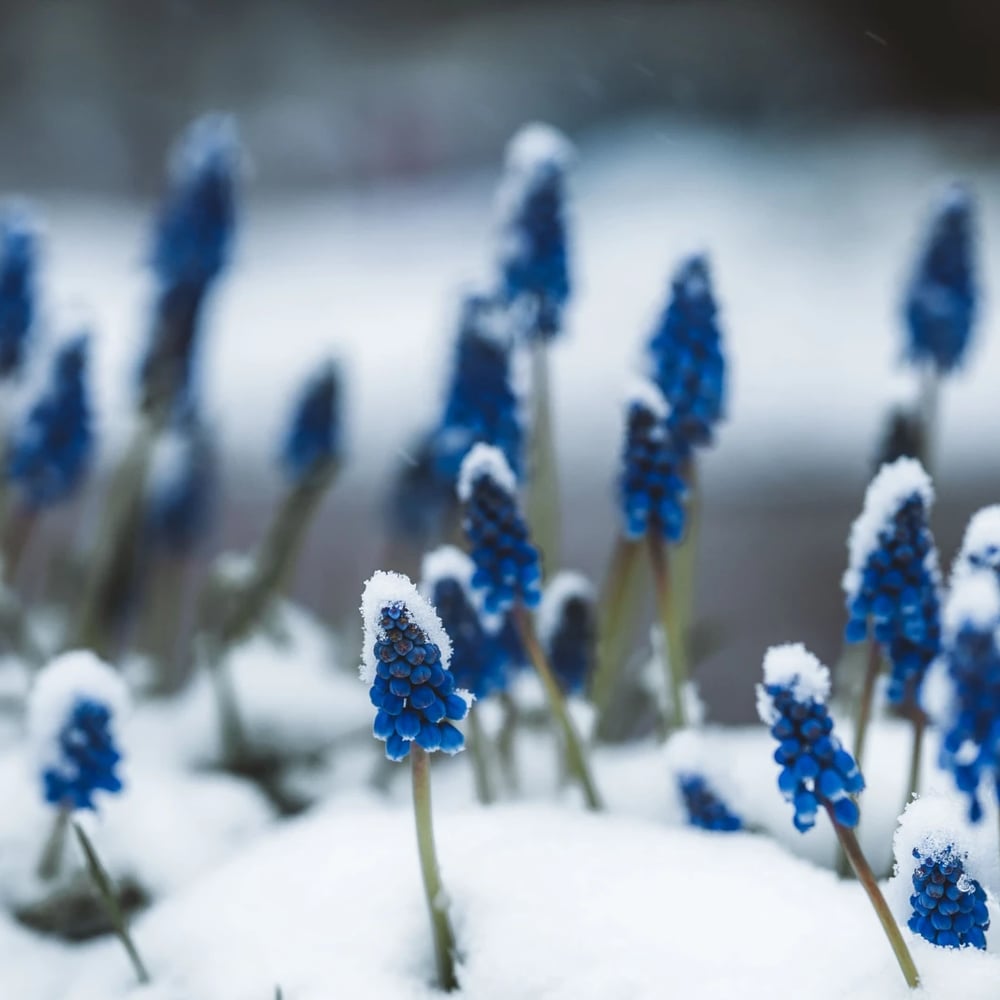
Winter flowers give your yard color during the roughly 90 days between December and March, when most gardens look bare and gray. With the right plants, you can enjoy fragrant shrubs, cheerful bulbs, and hardy perennials that bloom through frost, and sometimes even through snow.
Below you'll find 18 reliable cold-season bloomers, along with their hardiness zones and practical growing tips, so you can choose the ones best suited to your climate.
How to choose winter flowers for your garden
Before you buy, consider these key factors:
- Hardiness zone: Check your USDA zone and choose plants rated for it. Some winter bloomers handle deep freezes, while others prefer milder climates.
- Sun exposure: Winter sun is low and weak, so place plants where they get as much light as possible, unless they are shade lovers such as hellebores.
- Drainage: Cold, soggy soil rots roots and bulbs faster than frost damages them. Well-drained soil is essential.
- Placement: Plant winter flowers near doorways, paths, and windows so you can enjoy them without trudging through the cold.
Looking for christmas?
Browse christmas from local florists — hand-arranged and delivered fresh near your recipient.
18 winter flowers that thrive in the cold
1. Hellebores (Christmas rose and Lenten rose)
Hellebores are among the most dependable winter flowers. The Christmas rose (Helleborus niger) often blooms in December, while Lenten rose hybrids (Helleborus × hybridus) follow from late winter into spring. Their nodding, cup-shaped flowers come in white, pink, plum, and near-black. Hellebores grow in zones 4–9 and prefer partial shade with rich, well-drained soil.
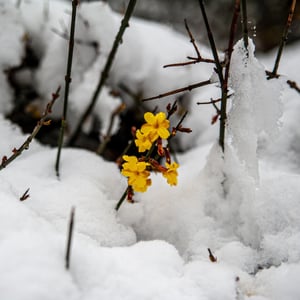
2. Winter jasmine
Winter jasmine (Jasminum nudiflorum) produces bright yellow flowers on bare green stems from January to March. Unlike other jasmines, it has little fragrance, but its color is a welcome sight. It grows in zones 6–10 and works well trailing over walls or banks.
3. Witch hazel
Witch hazel (Hamamelis × intermedia) covers its bare branches with spidery, ribbon-like flowers in yellow, orange, or red. Many varieties are sweetly fragrant. This shrub grows in zones 5–8 and blooms best in full sun to partial shade.
4. Snowdrops
Snowdrops (Galanthus nivalis) often push through the snow in late winter, opening delicate white, bell-shaped flowers. Plant the bulbs in fall in zones 3–7. Over time they naturalize into charming drifts beneath trees and shrubs.
5. Winter aconite
Winter aconite (Eranthis hyemalis) forms low carpets of buttercup-yellow flowers framed by a ruff of green leaves. It blooms in late winter alongside snowdrops and grows in zones 3–7. Plant the tubers in fall in partial shade.
6. Camellia
Camellias offer glossy evergreen foliage and lush, rose-like blooms in white, pink, and red. Sasanqua camellias (Camellia sasanqua) flower from fall into early winter, while Japanese camellias (Camellia japonica) bloom from mid-winter into spring. Most grow in zones 7–9 and prefer acidic soil and shelter from harsh winter winds.
7. Pansies and violas
Pansies and violas are classic cool-season annuals that keep blooming through light frosts. Their cheerful "faces" come in nearly every color. In mild climates they flower all winter; in colder areas, a layer of mulch helps them survive and rebloom in early spring.
8. Hardy cyclamen
Hardy cyclamen (Cyclamen coum) produces small pink, magenta, or white flowers with swept-back petals, often above silver-patterned leaves. It blooms from late winter into early spring in zones 5–9 and thrives in dry shade under trees.
9. Winter heath
Winter heath (Erica carnea) is a low, spreading evergreen shrub that covers itself in tiny pink, purple, or white flowers from winter into spring. It grows in zones 5–7, tolerates cold well, and makes an excellent ground cover in sunny spots.
10. Wintersweet
Wintersweet (Chimonanthus praecox) lives up to its name with intensely fragrant, pale yellow flowers on bare branches in mid-winter. A single shrub can perfume an entire corner of the garden. It grows in zones 6–9; plant it near a path to enjoy the scent.
11. Mahonia
Mahonia (Mahonia × media), including the popular 'Charity' variety, bears upright spikes of fragrant yellow flowers in late fall and winter. Its holly-like evergreen leaves add structure year-round, and the blooms feed early pollinators. It grows best in zones 7–9 in partial shade.
12. Crocus
Early crocuses, such as Crocus tommasinianus, open their goblet-shaped flowers in late winter, often while snow still lingers. They come in purple, lavender, white, and yellow and grow in zones 3–8. Plant the corms in fall in lawns or along borders.
13. Dwarf iris
Dwarf iris (Iris reticulata) produces jewel-toned blue, purple, and yellow flowers just a few inches tall in late winter. Plant the bulbs in fall in zones 5–9, in sunny spots with excellent drainage, such as rock gardens or containers.
14. Winter daphne
Winter daphne (Daphne odora) is prized for its powerful, sweet fragrance. Clusters of pink and white flowers appear in late winter above glossy evergreen leaves. It grows in zones 7–9 and needs well-drained soil and some shade.
15. Ornamental kale and cabbage
Though grown for foliage rather than flowers, ornamental kale and cabbage form colorful rosettes in purple, pink, cream, and green. Their colors actually intensify as temperatures drop. They tolerate hard frosts and are ideal for winter containers and bed edges.
16. Primrose
The common primrose (Primula vulgaris) brings soft yellow blooms to late winter and early spring, while hybrid primroses come in vivid reds, blues, and pinks. Primroses grow in zones 4–8 and prefer moist, shaded spots.
17. Sweet box
Sweet box (Sarcococca) is a compact evergreen shrub whose tiny white flowers release an outsized vanilla-like fragrance in winter. It grows in zones 6–9 and is one of the best choices for deep shade.
18. Winter honeysuckle
Winter honeysuckle (Lonicera fragrantissima) produces small, creamy white flowers with a lemony scent from late winter into early spring. It grows in zones 4–8. Note that it is considered invasive in parts of the eastern United States, so check local guidelines before planting.



Tips for growing winter flowers successfully
- Plant at the right time: Set out bulbs such as snowdrops, crocuses, and dwarf iris in fall, before the ground freezes. Plant shrubs in fall or early spring.
- Mulch wisely: A 2–3 inch layer of mulch insulates roots and evens out soil temperatures, but keep it away from plant crowns to prevent rot.
- Water before a freeze: Moist soil holds heat better than dry soil. Water evergreens and shrubs during dry winter spells when the ground isn't frozen.
- Protect from wind: Cold, drying winds damage buds and evergreen leaves. Plant tender shrubs near walls, fences, or hedges.
- Use containers: Pots of pansies, cyclamen, and ornamental kale can be moved to sheltered spots during severe cold.
Bring your winter garden to life
Winter doesn't have to mean a dull, colorless yard. By combining early bulbs, fragrant shrubs, and hardy perennials, you can enjoy blooms throughout the coldest months. Start with a few dependable choices, such as hellebores, snowdrops, and witch hazel, and you'll have something beautiful to look forward to every winter.
Send fresh flowers today
Pick a bouquet and a local florist hand-delivers it fresh to the door.