EUR
 GBP
 CAD
 AUD

 Birthday
 Same Day
 Occasions
 Flowers
 Roses
 Plants
 Gifts
 International Flower Delivery
Gladiolus Flower Meaning & Symbolism
- ⚔️ Gladiolus meaning centers on strength of character, integrity, and courage — rooted in the Latin word for "sword" and the legacy of Roman gladiators.
- 🎨 Each color sends a distinct message: red for passion, white for remembrance, pink for compassion, yellow for joy, and purple for grace.
- 🎂 The gladiolus serves as the official birth flower for August and the traditional gift for a 40th wedding anniversary.
The gladiolus flower meaning traces back over 2,000 years to ancient Roman arenas, where gladiators fought for survival — and the flower's very name comes from the Latin word gladius, meaning "sword." You'll want to know this story because every time you give or receive gladioli, you're handing someone a living symbol of courage, moral backbone, and deep personal honor. The genus Gladiolus includes roughly 300 species, most of them native to southern Africa, and today the flower ranks among the top 5 best-selling cut flowers worldwide. Whether you're picking blooms for an August birthday, a 40th wedding anniversary, or a simple "I believe in you" gesture, the gladiolus carries weight that few other flowers match.
What does the gladiolus mean? A quick overview
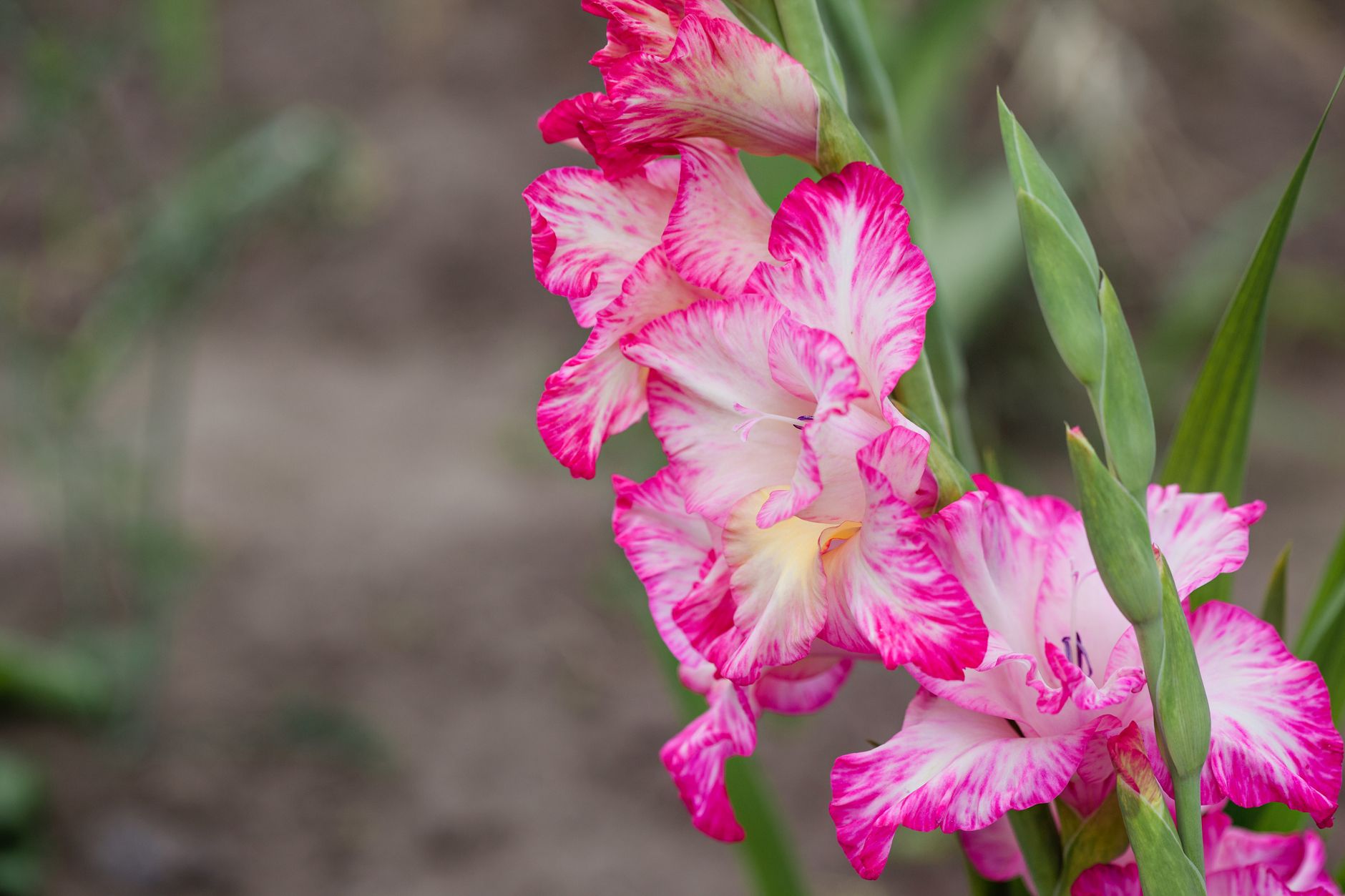
Gladiolus symbolism starts with one core idea: strength. Not brute force — strength of character. The Roman naturalist Pliny the Elder mentioned gladiolus in his Naturalis Historia (published around 77 AD), linking the flower's sword-shaped leaves to the weapons carried by gladiators. That connection stuck.
Here's the short version of what gladioli mean across cultures:
- Strength and courage — the most recognized gladiolus meaning in Western floral language
- Integrity and sincerity — a message that says "I trust your moral fiber"
- Infatuation — in Victorian England, giving a gladiolus whispered "you pierce my heart"
- Remembrance and honor — a common choice at memorial services across the U.S.
- Faithfulness — especially in romantic relationships and long marriages
Most people encounter gladiolus meaning in one of two contexts: birthday gifts (August babies) or sympathy arrangements. But the flower's language runs much deeper than either occasion.
The etymology: why "sword lily"?



Gladiolus gets its nickname "sword lily" from the shape of its leaves, not the blooms. The Latin gladius gave us three English words: gladiator, gladiolus, and glade (an open clearing, as if cut by a sword). Pliny the Elder grouped the plant with other medicinal herbs, noting that Romans ground gladiolus corms into poultices for splinter removal.
The plural form catches people off guard. "Gladioli" follows Latin rules. "Gladioluses" follows English rules. Both work. Florists in the U.S. often just say "glads."
Fun fact: the word "gladiator" literally translates to "swordsman." So when you say "gladiolus," you're saying "little sword." The flower earned that name because a single leaf, held upright, looks exactly like a Roman short sword — tapered, stiff, about 12 to 24 inches long.
Gladiolus flower meaning: strength and integrity at the core
Strength of character
Gladiolus meaning and strength go hand in hand. A single stalk can reach 2 to 4 feet tall (some cultivars hit 5 feet), growing straight upward without branching. The plant pushes through soil from a small corm — sometimes no bigger than a quarter — and produces 6 to 20 blooms on one spike. That vertical determination made gladiolus a go-to metaphor for standing tall under pressure.
You'll find gladiolus bouquets at graduation ceremonies, military homecomings, and cancer survivor celebrations throughout the United States. The flower says: "You have the backbone to handle anything."
Integrity and moral fiber
The gladiolus meaning tied to integrity dates to the Victorian era. Between 1837 and 1901, the British upper class developed floriography — the language of flowers — into a full communication system. Printed guides like "The Language of Flowers" by Kate Greenaway (1884) assigned specific meanings to hundreds of blooms.
Victorians used gladiolus to signal sincerity. Giving someone a bouquet of gladioli meant: "I see your honesty, and I respect it." The message carried no romantic overtones — just straight admiration for someone's character.
Courage under fire
Gladiolus flower meaning also embraces courage, and here the Roman connection resurfaces. Gladiators who survived arena combat sometimes received garlands of flowers. While historians debate the exact species, Roman poets like Virgil and Ovid referenced sword-shaped plants in victory contexts. The gladiolus became symbolic shorthand for someone who faces danger and doesn't flinch.
Today, you might choose gladioli for a friend starting a difficult new job, a family member entering rehab, or a neighbor battling illness. The message stays consistent: "I see your bravery."
Gladiolus color meanings: what each shade communicates

Color changes the gladiolus message dramatically. Here's a breakdown:
Red gladiolus
Red gladioli speak of passion, romantic love, and bold energy. A dozen red gladiolus stems make a striking alternative to red roses on Valentine's Day (February 14). The stems tower over roses, creating a dramatic visual impact in any room.
Pink gladiolus
Pink gladiolus represents compassion, femininity, and motherly love. The shade works well for Mother's Day (second Sunday of May) or baby shower arrangements. Lighter pinks lean toward gentleness; deeper pinks signal gratitude.
White gladiolus
White gladiolus carries meanings of purity, innocence, and remembrance. Funeral homes across the U.S. feature white gladioli in sympathy sprays more than almost any other flower. White gladiolus also appears in wedding arrangements, where the bloom symbolizes a fresh start.
Yellow gladiolus
Yellow gladiolus radiates joy, friendship, and positivity. Send yellow gladioli to a friend who just got promoted or a neighbor who needs cheering up. Avoid yellow for romantic occasions in some Latin American cultures, where the shade can suggest jealousy.
Purple gladiolus
Purple gladiolus suggests grace, nobility, and charm. The color has long ties to royalty — Roman emperors restricted purple dye (Tyrian purple) to the elite. A purple gladiolus bouquet tells someone: "You carry yourself with dignity."
Orange gladiolus
Orange gladiolus expresses enthusiasm, warmth, and excitement. The shade pops up less often in florist shops, which makes orange gladioli feel unexpected. Try orange gladiolus for a Thanksgiving centerpiece (fourth Thursday of November) — the color matches the season perfectly.
Gladiolus symbolism across cultures and eras





Ancient Rome
Roman culture links most tightly to gladiolus symbolism. Arena spectators threw flowers at victorious gladiators, and the sword lily's shape made the connection obvious. Roman women also used gladiolus corms in love potions — Pliny recorded this practice, though he questioned its effectiveness.
Victorian England (1837–1901)
Victorian floriography gave the gladiolus a second life. The flower's message — "you pierce my heart" — added romantic urgency to an otherwise stoic bloom. A suitor might slip a single gladiolus into a hand-delivered bouquet to confess feelings without saying a word.
Southern Africa
About 250 of the roughly 300 gladiolus species originate in southern and eastern Africa. The Zulu and Xhosa peoples used gladiolus corms as food during lean seasons. European plant hunters brought South African gladiolus species back to the Netherlands and England in the 1700s, where Dutch hybridizers began crossing species to create the large-flowered garden gladioli we know today.
Christianity
Some Christian traditions associate the gladiolus with the sword-pierced heart of Mary, mother of Jesus. This symbolism appears in Renaissance paintings, where sword lilies sometimes stand alongside the Virgin Mary in garden scenes. The connection reinforces themes of sorrow, devotion, and spiritual endurance.
The August birth flower and 40th anniversary bloom
The gladiolus holds two calendar-linked distinctions in American culture.
August birth flower. The National Garden Bureau and most U.S. florist associations recognize gladiolus as the birth flower for August. August babies receive gladiolus bouquets the way June babies receive roses. If you know someone born between August 1 and August 31, gladioli make a meaningful, personalized birthday gift.
40th wedding anniversary. American anniversary tradition assigns specific flowers (and materials) to milestone years. Couples celebrating 40 years of marriage receive gladioli — a nod to the strength, faithfulness, and integrity required to sustain a four-decade partnership. A bouquet of 40 gladiolus stems, one for each year, creates a dramatic and deeply personal gift.
When to give gladioli: occasions that fit
Gladiolus flowers suit more occasions than most people realize. Here are practical scenarios:
- Graduation ceremonies — gladiolus meaning strength pairs naturally with academic achievement
- Military homecomings — the gladiator heritage resonates with service members and their families
- Get-well gifts — tall, bright gladioli brighten hospital rooms and signal "you're tougher than this"
- Memorial Day (last Monday of May) — white or purple gladioli honor fallen service members
- Retirement parties — a nod to decades of integrity and hard work
- Housewarming celebrations — gladioli add vertical drama to a new living space
Avoid gladioli for very casual occasions like a quick "thank you" drop-off. The flower's formality and size demand a setting with enough gravity to match.
Common mistakes when choosing or displaying gladioli
Have a message of strength to send?
Choose a bold floral gift that can carry congratulations, encouragement, or admiration.
Picking the wrong vase
Gladiolus stems stretch 2 to 4 feet tall. A standard 6-inch vase won't support them. Use a tall, narrow vase — at least 12 inches high — and keep the water level at about one-third of the vase height. A heavy base prevents tipping.
Ignoring bloom stage at purchase
Buy gladioli when the lowest 2 to 3 florets show color but haven't fully opened. The remaining buds open gradually over 7 to 10 days, giving you maximum vase life. Fully opened gladioli at the store have only 2 to 3 days left.
Forgetting to remove lower leaves
Leaves below the waterline rot quickly and breed bacteria. Strip every leaf that would sit submerged. Bacteria shorten vase life by 40% or more.
Skipping the stem trim
Cut 1 inch off each stem at a 45-degree angle before placing gladioli in water. Repeat the trim every 2 to 3 days. Fresh cuts keep water channels open.
How to care for cut gladiolus at home
U.S. homes often run air conditioning between May and September — exactly when gladiolus season peaks. Here's how to keep your glads lasting:
- Fill your vase with lukewarm water (about 100°F) and add one packet of floral preservative.
- Trim stems at a 45-degree angle with sharp shears.
- Place the vase away from direct AC vents, sunny windows, and fruit bowls (ripening fruit releases ethylene gas, which wilts flowers faster).
- Change the water every 2 days, re-trimming stems each time.
- Remove spent florets from the bottom of the stalk as they fade — the upper buds keep opening.
- Rotate the vase a quarter turn daily so stems grow straight toward the light.
Gladioli in a well-maintained vase last 7 to 12 days. In hot climates like Arizona or Texas, move the vase to the coolest room overnight.
Gladiolus in floral arrangements: pairing ideas
Gladioli work as the vertical "backbone" of mixed bouquets. Their height (up to 4 feet) gives arrangements a strong upward line. Pair gladiolus with:
- Roses — for romance; red roses + red gladioli double the passion
- Sunflowers — for late-summer celebrations; both bloom in July through September
- Lilies — for memorial arrangements; white lilies + white gladioli create a solemn, elegant tribute
- Dahlias — for autumn weddings; the round dahlia shape balances the gladiolus spike
- Baby's breath — for filler; the tiny white blooms soften the gladiolus's bold structure
Professional florists typically place gladioli at the back or center of arrangements, angling the stems slightly outward to create a fan shape. A single stem of gladiolus can anchor a small centerpiece. Five to seven stems fill a large display.
Gladiolus safety: a note about pets
The ASPCA classifies all parts of the gladiolus plant as toxic to dogs and cats. Corms (the underground bulbs) contain the highest concentration of toxins. Symptoms of ingestion include drooling, vomiting, diarrhea, and lethargy.
Keep gladiolus arrangements on high shelves or in rooms your pets can't access. Store unplanted corms in sealed containers in the garage or shed — not in low kitchen cabinets where a curious dog might reach them.
What competitors miss: the gladiolus tattoo meaning
Gladiolus tattoos have surged in popularity on platforms like Instagram and Pinterest, with over 85,000 posts tagged #gladiolustattoo as of 2024. Most tattoo enthusiasts choose gladiolus designs to mark:
- A personal triumph over adversity (strength of character, permanently inked)
- An August birthday connection (birth month flower tattoo trend)
- A memorial for someone who showed extraordinary courage
Tattoo artists often combine gladiolus with other symbols: a sword for the Roman connection, a ribbon for cancer awareness, or a name scroll for remembrance. The flower's vertical form suits forearm placements especially well.
Growing gladiolus in your own garden
Planting gladiolus corms takes minimal expertise. Here's a quick guide for U.S. gardeners:
Timing. Plant corms 2 weeks after the last frost date. In USDA Zone 7 (Virginia, North Carolina), that's typically mid-April. Zone 5 gardeners (Minnesota, Wisconsin) wait until mid-May.
Depth. Bury each corm 4 inches deep in well-drained soil, spaced 6 inches apart.
Sunlight. Gladioli need 6 to 8 hours of direct sun daily.
Staking. Tall varieties (over 3 feet) need stakes or a support grid. Wind snaps unsupported stems easily.
Succession planting. Plant a new batch of corms every 2 weeks from spring through early July. This strategy gives you continuous blooms from midsummer into fall.
In Zones 7 and below, dig up corms after the first frost, dry them for 2 weeks, and store them in a cool (35–45°F), dry space until spring.
Your move
Let the flowers say it with confidence
Pick a vivid bouquet for someone who deserves a strong, memorable gesture.
The gladiolus flower meaning — strength, integrity, courage — isn't just botanical trivia. It's a language. Every color carries a message. Every stem tells a story that stretches from Roman arenas to your kitchen table. Next time you want to tell someone "I see your strength and I honor it," skip the card and let the sword lily do the talking. Browse gladiolus arrangements at and pick the shade that fits your message best.