EUR
 GBP
 CAD
 AUD

 Birthday
 Same Day
 Occasions
 Flowers
 Roses
 Plants
 Gifts
 International Flower Delivery
Yarrow Flower Meaning & Symbolism
- 🌿 Yarrow meaning centers on healing, courage, and protection — themes humans have attached to this herb for at least 60,000 years across Greek, Chinese, and Native American traditions.
- 🔮 Yarrow's spiritual meaning connects to psychic boundaries and divination; the Chinese I Ching originally required 50 dried yarrow stalks for casting readings.
- 💛 Each yarrow color carries a distinct message — white for purity and healing, yellow for joy, red for romantic passion, pink for compassion — so choose your shade with intention.
Yarrow (Achillea millefolium) carries over 60,000 years of human history in its feathery leaves. Archaeologists found yarrow pollen in a Neanderthal burial site at Shanidar Cave in northern Iraq, making yarrow one of the oldest plants linked to ritual and medicine. Understanding yarrow meaning helps you decode a flower that ancient Greeks, Chinese diviners, and Native American healers all trusted with their most sacred work. Here you'll learn what yarrow symbolizes across cultures, why spiritual practitioners still reach for yarrow today, and how each color of the flower shifts its message.
What does yarrow mean? A quick overview

Yarrow meaning begins with its scientific name. Carl Linnaeus named the genus Achillea in 1753 after the Greek hero Achilles. According to Homer's Iliad, Achilles used yarrow to treat the bleeding wounds of his soldiers during the Trojan War. The species name millefolium translates to "a thousand leaves," describing those finely divided, almost lace-like fronds.
The common English name "yarrow" traces back to the Old English word gearwe. Anglo-Saxons listed yarrow among the Nine Herbs Charm, a 10th-century healing spell recorded in the Lacnunga manuscript. That single detail tells you something important: for well over a thousand years, English speakers have treated yarrow as more than a pretty wildflower.
Today, florists across the U.S. include yarrow in arrangements for weddings, sympathy bouquets, and wildflower-style centerpieces. The bloom stands roughly 2 to 3 feet tall in the wild, and it grows in every U.S. state — from Alaska to Florida.
Yarrow flower meaning by color

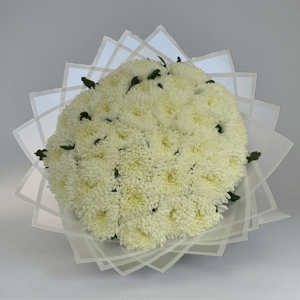
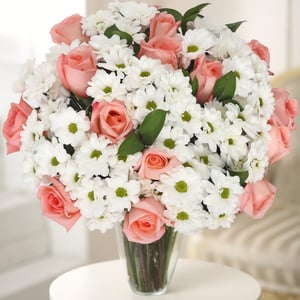

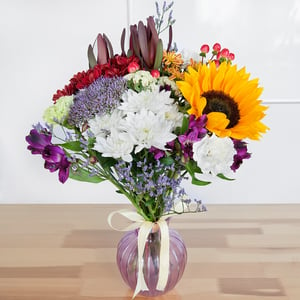
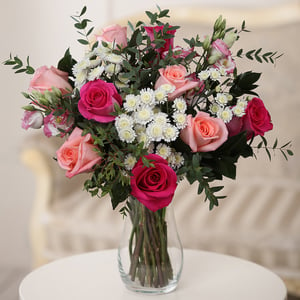
Yarrow flower meaning shifts dramatically depending on the color you choose. Wild yarrow typically blooms white, but cultivated varieties span a full spectrum. Here's what each shade communicates:
- White yarrow signals purity, healing, and fresh starts — a strong pick for sympathy arrangements or new-baby bouquets
- Yellow yarrow expresses joy, friendship, and cheerful encouragement — think birthday gifts or congratulations bundles
- Red yarrow conveys romantic love, deep passion, and vitality — suited to anniversaries and Valentine's Day
- Pink yarrow represents compassion, emotional sensitivity, and gentle affection — a thoughtful Mother's Day choice
- Purple and lavender yarrow evoke elegance, dignity, and spiritual awareness — fitting for meditation spaces or memorial tributes
A single bouquet can mix two or three colors. Many florists pair yellow and white yarrow with sunflowers for a late-summer look, or blend red yarrow with dahlias for fall weddings.
Yarrow symbolism across cultures
Greek and Roman traditions
Yarrow symbolism in the Western world starts with ancient Greece. The legend of Achilles gave yarrow its most famous nickname: "herba militaris," the military herb. Roman soldiers carried dried yarrow in their field kits. Pliny the Elder, writing around 77 AD in his Natural History, documented yarrow as a wound-healing plant.
The Greek centaur Chiron — legendary teacher of medicine — reportedly taught Achilles about yarrow's styptic properties. That connection to battlefield healing gave yarrow a dual reputation: courage and care.
Chinese divination
Yarrow symbolism takes a completely different turn in China. The I Ching (Book of Changes), compiled roughly 3,000 years ago, used 50 dried yarrow stalks as the original divination tool. A reader divided the stalks through a series of 18 steps to generate a hexagram. Each hexagram carried a distinct reading.
Even after coins replaced yarrow stalks in popular practice around 200 BC, traditional practitioners continued to prefer yarrow for its connection to wisdom and clarity. Some I Ching scholars today still use yarrow stalks, arguing the slower, more deliberate process yields deeper insight.
Celtic and European folk uses
Celtic communities associated yarrow with love divination. Young women in Ireland and Scotland placed yarrow under their pillows on May Eve (April 30) to dream of a future spouse. A similar tradition persisted in parts of England well into the 1800s.
In German-speaking regions, practitioners called yarrow Schafgarbe and hung bundles above doorways. The intention: ward off evil spirits and invite prosperity. Scandinavian cultures gave yarrow the nickname "field hop" and used it to brew ale before hops became the standard bittering agent in the Middle Ages.
Native American practices
Across North America, dozens of Indigenous nations have distinct relationships with yarrow. The Navajo used yarrow tea as a digestive remedy. The Miwok people of California applied chewed yarrow leaves directly to wounds. The Ojibwe inhaled yarrow steam to clear headaches.
Yarrow grows natively across the entire North American continent. That widespread presence gave many different communities independent access to the plant — and independent systems of meaning.
Yarrow spiritual meaning

Yarrow spiritual meaning revolves around four core themes: protection, boundaries, intuition, and emotional healing.
Protection and psychic boundaries
Many modern herbalists and spiritual practitioners view yarrow as a "shield plant." The concept works like this: yarrow helps you maintain energetic boundaries without shutting yourself off from connection. Picture it as a screen door rather than a locked vault — you stay open, but filtered.
Practitioners often carry dried yarrow flowers in a small sachet or place them near a bed. The goal? Block unwanted emotional energy while sleeping. Yarrow tea (brewed from dried flowers steeped for 10 to 15 minutes) appears in multiple modern herbalism guides as a boundary-strengthening ritual beverage.
Intuition and divination
Beyond the I Ching connection, yarrow holds a place in European cartomancy and tarot traditions. Some readers burn dried yarrow as incense before a reading session. Others place a sprig of yarrow on their reading table.
The spiritual logic: yarrow opens channels of perception. Whether you view this literally or metaphorically, the tradition has remained consistent for centuries.
Emotional healing
Yarrow spiritual meaning also includes emotional recovery. Flower essence practitioners — a tradition founded by Dr. Edward Bach in 1930s England — use yarrow essence for people who absorb others' emotions too easily. The Bach Centre still lists yarrow among supportive plant allies.
Think of yarrow as the herb for empaths. Sensitive? Easily drained by crowds? Yarrow's symbolic message speaks directly to you.
Yarrow magical properties

Want to turn a thoughtful message into a gesture?
Choose flowers that make a simple “thinking of you” moment feel more personal.
Yarrow magical properties span love, courage, banishment, and divination. Practitioners who work with herbs in ritual contexts treat yarrow as one of the most versatile plants available.
Love and attraction
Folk magic traditions across Europe connected yarrow to love spells. A common practice: brew yarrow tea, let it cool, and wash your hands before meeting a romantic interest. Another approach involved sewing dried yarrow into a red cloth pouch and carrying the pouch close to your heart.
Here's an honest note — yarrow love magic almost always emphasized revealing a true match rather than forcing attraction. The herb's association with clarity applied to romance too.
Courage and confidence
Soldiers carried yarrow for physical healing, yes. But the magical dimension extended further. Warriors in multiple European traditions believed yarrow boosted inner resolve. Medieval herbalists wrote that holding yarrow in your hand before a confrontation would steady your nerves.
You don't need a battlefield to use this symbolism. A sprig of yarrow in a desk vase can serve as a visual reminder of your own strength — especially during stressful weeks at work.
Banishing negativity
Yarrow magical properties include clearing unwanted energy from a space. A common method: burn dried yarrow bundles (similar to smudging) and walk through each room. Another approach involves steeping yarrow in warm water and using the water to wipe down doorframes and windowsills.
The timing matters in folk tradition. Many practitioners recommend banishing rituals during a waning moon — the two-week period after a full moon.
Divination enhancement
Beyond the I Ching, yarrow appears in dream-pillow blends. Combine dried yarrow, mugwort, and lavender inside a small cloth bag. Tuck the bag inside your pillowcase. Practitioners report more vivid, memorable dreams.
Fair warning: no scientific study confirms these effects. The tradition sits firmly in folk practice rather than clinical research.
Yarrow in weddings and celebrations
Yarrow makes a surprisingly strong statement in wedding florals. Here's why it works:
- Cost — yarrow runs significantly cheaper per stem than roses or peonies, making large arrangements more budget-friendly
- Texture — those flat-topped flower clusters add visual variety next to round blooms like ranunculus
- Season — yarrow blooms from June through September across most U.S. growing zones (USDA zones 3 through 9), aligning perfectly with summer wedding season
- Durability — cut yarrow lasts 7 to 10 days in a vase with fresh water, outlasting many popular wedding flowers
For July 4th celebrations, pair red and white yarrow with blue delphinium. Thanksgiving centerpieces work beautifully with gold and rust-toned yarrow varieties mixed into fall foliage arrangements. Memorial Day calls for white yarrow — its military heritage makes the choice especially thoughtful.
How to keep cut yarrow fresh
You brought yarrow home. Now keep those blooms looking sharp.
- Trim each stem at a 45-degree angle using clean, sharp shears
- Remove all leaves that would sit below the waterline in your vase
- Fill the vase with cool, room-temperature water — not ice-cold
- Change the water every 2 days and re-trim stems by half an inch each time
- Place the vase away from direct sunlight, heating vents, and fruit bowls (fruit releases ethylene gas, which accelerates wilting)
Yarrow also dries exceptionally well. Hang bundles upside-down in a dark, dry room for 2 to 3 weeks. Dried yarrow retains its color and shape for 12 months or longer — making it perfect for year-round arrangements and wreaths.
One common mistake: overwatering the vase. Yarrow stems rot faster than roses or lilies when submerged too deeply. Keep water levels at about one-third of the stem height.
Growing yarrow in your garden
Yarrow thrives with almost zero fuss. This perennial grows in USDA hardiness zones 3 through 9, covering nearly the entire continental U.S.
Plant yarrow in full sun — at least 6 hours of direct light daily. The plant tolerates poor, sandy, or rocky soil. In fact, rich soil often causes yarrow to grow leggy and flop over. Skip the fertilizer. Seriously. Yarrow does better without it.
Water young plants once a week until they establish roots (usually 4 to 6 weeks after planting). After that, yarrow handles drought like a champion. Overwatering causes root rot — the number-one killer of garden yarrow.
Divide established clumps every 3 years in early spring. Each division gives you 3 to 5 new plants. That single purchase multiplies quickly.
Popular cultivars for U.S. gardens include 'Moonshine' (pale yellow, 24 inches tall), 'Paprika' (red fading to gold, 28 inches), and 'Cerise Queen' (bright pink, 18 inches).