EUR
 GBP
 CAD
 AUD

 Birthday
 Same Day
 Occasions
 Flowers
 Roses
 Plants
 Gifts
 International Flower Delivery
Guam's State Flower: The Bougainvillea
- 🌼 The Guam state flower has one of the most unforgettable names in the entire plant world.
- 💡 The English name "bougainvillea" honors Louis Antoine de Bougainville, a French navigator and explorer who led the first French expedition to circumnavigate the globe in the late 1700s.
- 🌸 Welcome and housewarming gifts — thousands of military families relocate to Guam each year.
The Guam state flower has one of the most unforgettable names in the entire plant world. In Chamorro — the indigenous language of Guam — people call the bougainvillea puti tai nobiu, which translates roughly to "it hurts not to have a boyfriend." Honestly, that surprised me the first time I read about the meaning. A flower named after heartache? On an island known for its warmth, hospitality, and breathtaking beauty? The contrast is so poignant that the name sticks with you long after you learn the backstory.
In this article, you'll discover everything worth knowing about Guam's beloved territorial flower — from the fascinating history and deep cultural symbolism to practical growing tips you can use on the mainland. I'll also walk you through the biology behind those vivid colors (spoiler: the "petals" aren't actually petals), explore how bougainvillea shows up in Chamorro celebrations, and share how MyGlobalFlowers — an international flower delivery service — helps you send gorgeous arrangements to someone on Guam, no matter where you are in the US.
Whether you're a tropical gardening enthusiast, planning a visit to Guam, or simply want to brighten someone's day on the island, this guide has you covered.
What is Guam's state flower?
Guam's official territorial flower is the bougainvillea, known scientifically as Bougainvillea spectabilis Willdenow. That three-part scientific name follows a standard botanical convention: Bougainvillea is the genus, spectabilis is the species (Latin for "spectacular" — and the plant lives up to the name), and Willdenow refers to the German botanist Carl Ludwig Willdenow, who formally described the species.
The English name "bougainvillea" honors Louis Antoine de Bougainville, a French navigator and explorer who led the first French expedition to circumnavigate the globe in the late 1700s. European botanists aboard the voyage encountered the plant in South America and brought specimens back to Europe, and the rest is horticultural history.
Now, here's the thing: Guam is a US territory, not a state. The technically correct term is "territorial flower." But most people search for "Guam state flower," and that's perfectly fine — you know what you're looking for, and search engines do too. Throughout this article, I'll use both terms interchangeably so the meaning stays clear.
In the Chamorro language, the bougainvillea goes by the name puti tai nobiu. The phrase carries a bittersweet romantic meaning that I'll dive into deeper in the symbolism section below. For now, just know that this flower carries layers of emotion, history, and cultural pride that go far beyond its dazzling appearance.
History behind Guam's territorial flower
Choosing an official flower is more than a bureaucratic exercise — the decision says something about how a place sees itself. For Guam, selecting the bougainvillea was a statement of identity, resilience, and beauty in the face of hardship.
Guam endured devastating occupation during World War II, and the post-war period brought a renewed desire among the Chamorro people to celebrate their culture and natural heritage. The bougainvillea emerged as a natural choice. The plant had been thriving on the island for generations, draping walls, fences, and roadsides in cascading waves of color. The flower represented something the people of Guam understood deeply: the ability to flourish under tough conditions.
I should be honest here — pinpointing the exact year bougainvillea received its official designation as Guam's territorial flower is tricky. Several sources cite different timeframes, and the historical record isn't as clean as you might expect. Rather than invent a date, I'd rather acknowledge the gap. What's clear is that the designation emerged from a broader mid-twentieth-century movement across US states and territories to adopt official symbols — flags, seals, birds, and flowers — that reflected local pride.
The bougainvillea's deep roots in Guam's landscape made the choice feel inevitable. The plant didn't need to be imported for ceremonial purposes — the bougainvillea was already everywhere, woven into daily life. Chamorro families grew bougainvillea around their homes. Artists painted the plant into murals. Children grew up playing under its thorny, colorful canopy. The official designation simply recognized what the people of Guam already knew: this was their flower.
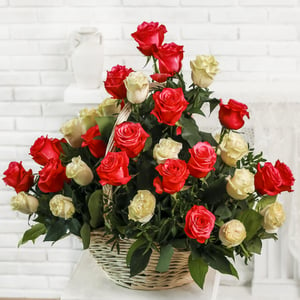
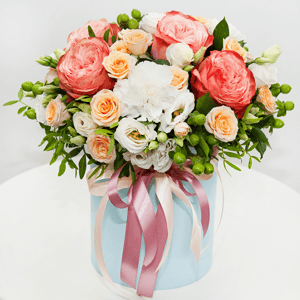
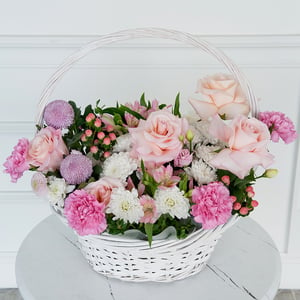
Biological profile of the bougainvillea
Let's get into the science behind this stunning plant, because the biology is genuinely fascinating.
Bougainvillea belongs to the family Nyctaginaceae, sometimes called the four-o'clock family. The plant is native to South America, specifically the tropical and subtropical regions of Brazil, Peru, and Argentina. From South America, bougainvillea spread across the tropics through colonial-era exploration and trade, eventually finding a permanent home on islands like Guam.
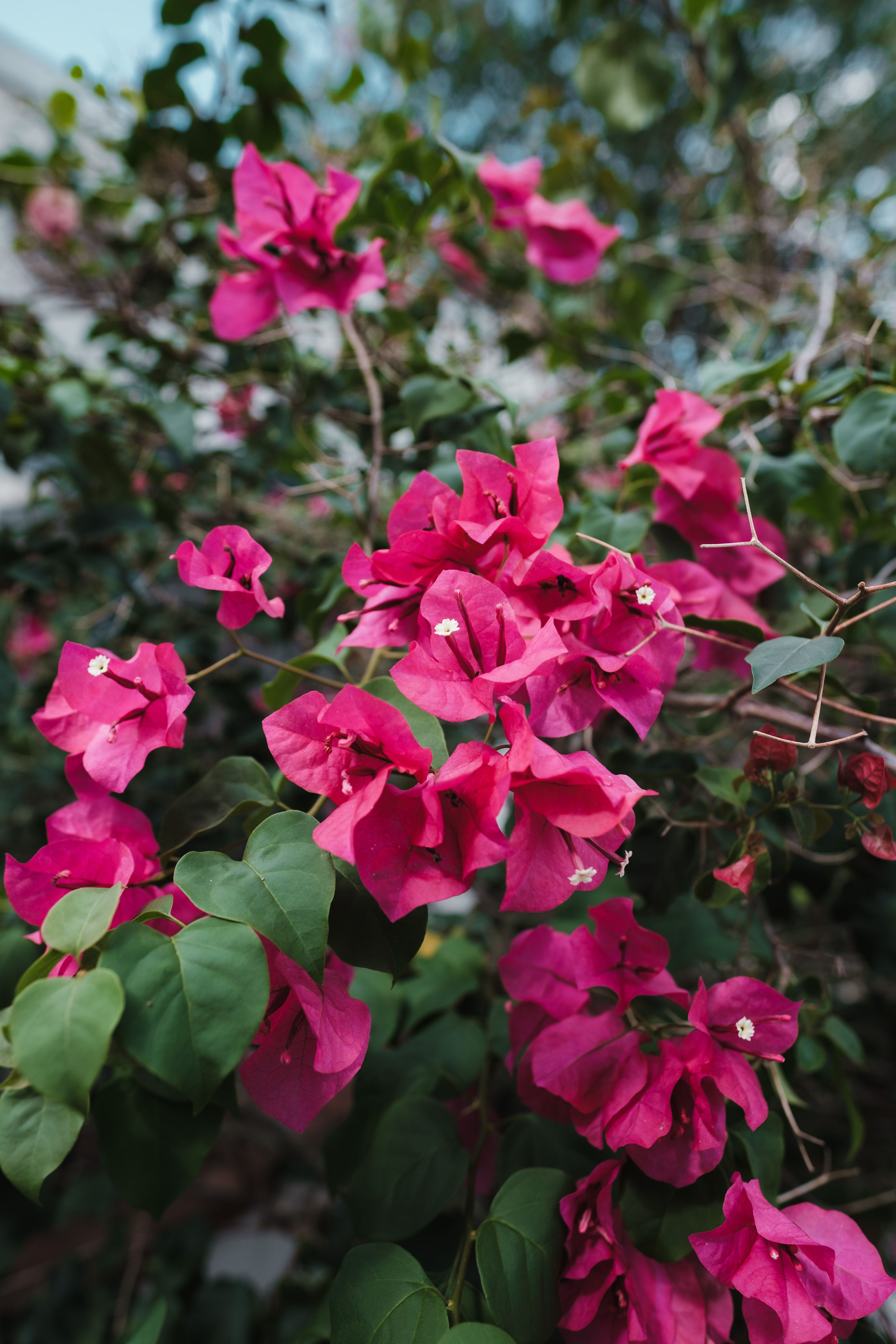
Here's the detail that surprises most people: the colorful parts of a bougainvillea aren't actually flowers. Those vivid magenta, purple, pink, orange, red, or white structures are bracts — modified leaves that surround the plant's true flowers. The real flowers are tiny, white, tubular, and almost inconspicuous. Bougainvillea essentially wraps its modest blooms in the botanical equivalent of gift paper, and the strategy works brilliantly. Pollinators and admirers alike can't look away.
The bougainvillea grows as a woody, thorny vine that can climb anywhere from 15 to 40 feet when left unpruned. The thorns are sharp and curved — the plant uses natural hooks to latch onto walls, trellises, trees, and fences as the vine climbs. In a container or a small garden, regular pruning keeps the plant to a manageable size. A typical pot for a young bougainvillea might be 10 to 14 inches in diameter, though mature specimens in the ground can develop thick, trunk-like bases.
The color range is genuinely spectacular:
Magenta and hot pink — the classic, most recognizable bougainvillea colors
Purple and violet — rich, jewel-toned varieties
Orange and gold — warm sunset hues
Red — deep, saturated tones
White and cream — elegant and understated
Bicolor varieties — some cultivars produce bracts that shift between two colors as the plant matures
Blooming season in Guam
Guam's tropical climate creates ideal conditions for bougainvillea. The island experiences average temperatures between 80 and 86 °F year-round, with high humidity and plenty of sunshine. This warm, consistent environment allows bougainvillea to bloom nearly year-round on Guam — a luxury that mainland growers in cooler climates can only envy.
The peak bloom happens during Guam's dry season, which runs roughly from January through June. During these months, reduced rainfall creates the mild drought stress that bougainvillea actually craves. The plant responds to water scarcity by producing more bracts, resulting in those jaw-dropping bursts of color that cover entire walls and fences.
Full sun is non-negotiable for the best blooms. Bougainvillea that grows in heavy shade will produce lush green leaves but very few colorful bracts. On Guam, finding full sun is rarely a problem — the island averages well over six hours of direct sunlight per day throughout the year.
Symbolism and meaning of Guam's state flower
The Chamorro name puti tai nobiu — "it hurts not to have a boyfriend" (or "girlfriend," depending on the telling) — gives the bougainvillea a deeply romantic and bittersweet identity. Picture this: a young person walking past a wall covered in breathtaking bougainvillea blooms, feeling the ache of loneliness because the beauty of the moment has no one to share it with. The flower becomes a symbol of longing, of beauty intensified by absence.
I find the sentiment fascinating because the name does something unexpected — the bougainvillea connects beauty directly to vulnerability. The plant isn't named for joy or celebration alone. The name acknowledges that beauty can sting when you experience it without someone you love beside you.
Beyond the romantic folklore, the bougainvillea carries broader symbolic meanings:
Passion — the intense, saturated colors of the bracts evoke deep feeling and emotional fire
Resilience — bougainvillea endures drought, poor soil, salt spray, and even typhoon-force winds, then bounces back with fresh blooms
Welcome and warmth — on Guam, bougainvillea greets visitors at hotel entrances, along roadsides, and in family yards, embodying the island's famous hospitality
Endurance through hardship — the thorns remind you that beauty and toughness can coexist
The bougainvillea represents Guam's vibrant spirit in a way that few other plants could. The vine is tough enough to weather typhoons, resilient enough to bloom in thin soil, and beautiful enough to stop you in your tracks on a random afternoon walk. That combination mirrors the character of the Chamorro people themselves — strong, warm, and endlessly generous.
Looking for romantic flowers?
Browse romantic flowers from local florists and pick one that suits the moment.
Growing and caring for bougainvillea
Whether you live on Guam or on the US mainland, you can grow bougainvillea — you just need to understand what the plant wants (and more importantly, what the plant doesn't want).
Sunlight: Give your bougainvillea at least 6 hours of direct sun daily. More sun means more bracts, and more bracts mean more color. A south-facing wall or fence is ideal for mainland growers. On Guam, almost any outdoor spot provides enough light.
Watering: Let the soil dry out between waterings. Bougainvillea is native to regions with distinct wet and dry seasons, and the plant has evolved to bloom in response to drought stress. Overwatering kills bougainvillea faster than neglect ever will. When the top 2 inches of soil feel dry, go ahead and water deeply — then wait until the soil dries again.
Soil: Use well-draining soil. Bougainvillea absolutely hates "wet feet." A cactus or succulent potting mix works well for containers. In the ground, amend heavy clay soil with sand or perlite to improve drainage.
Pruning: Trim your bougainvillea after each bloom cycle to encourage new growth and more bracts. The plant blooms on new wood, so regular pruning stimulates fresh branches that produce colorful displays. Wear thick gloves — those thorns are no joke.
Temperature: Bougainvillea can't handle frost. On the mainland, the plant thrives outdoors in USDA zones 9 through 11 (think Southern California, South Florida, South Texas, and Hawaii). Gardeners in colder zones should grow bougainvillea in containers and bring the pots indoors when temperatures drop below 40 °F. A sunny window or a bright, unheated garage (above freezing) works for winter storage.
Common mistakes to avoid
Overwatering — the number-one killer of bougainvillea. Soggy roots lead to root rot, leaf drop, and zero blooms. Less water often means more color.
Planting in too much shade — a shaded bougainvillea produces plenty of leaves but very few bracts. You want sun, sun, and more sun.
Using high-nitrogen fertilizer — nitrogen promotes leafy green growth at the expense of blooms. Use a bloom-boosting fertilizer with higher phosphorus content instead (look for a formula like 6-8-10 or similar).
Repotting too often — bougainvillea actually blooms better when slightly root-bound. Resist the urge to upgrade the pot every year. Repot only when the roots are truly cramped and circling the bottom of the container.
Fun fact: many experienced bougainvillea growers on Guam use a technique called "stress blooming." The growers deliberately withhold water for a stretch, then water deeply, triggering a spectacular flush of new bracts. The method mimics the natural dry-to-wet seasonal transition the plant evolved with in its South American homeland.
Bougainvillea in Chamorro culture and celebrations
The bougainvillea isn't just a pretty plant on Guam — the vine plays an active role in cultural life.
During Liberation Day on July 21, Guam commemorates the island's liberation from Japanese occupation in 1944. The celebration features parades, fiestas, and community gatherings across the island. Bougainvillea often appears in decorations, from table centerpieces to stage backdrops. The flower's association with resilience and renewal makes the bougainvillea a particularly meaningful presence during Liberation Day festivities.
Chamorro fiestas — the legendary community feasts held after Sunday Mass and during special occasions — also showcase bougainvillea. Families decorate outdoor gathering spaces with cut branches and sprays of colorful bracts. The flower's vibrant hues add warmth and festivity to events built around food, family, and faith.
Bougainvillea branches and bracts also appear in leis and garlands, though plumeria (frangipani) tends to be the more common lei flower on Guam. Still, you'll spot bougainvillea woven into decorative garlands for weddings, graduations, and cultural performances.
US holidays celebrated on Guam — Mother's Day, Valentine's Day, Memorial Day, and Thanksgiving — naturally involve flowers as well. Families send bouquets and arrangements to loved ones, and the bougainvillea's presence on the island ensures that locally sourced arrangements carry a distinctly Guamanian touch.
Other notable flowers of Guam
While the bougainvillea holds the official title, Guam's tropical ecosystem supports a rich variety of flowering plants. Here are a few other beauties you'll encounter on the island:
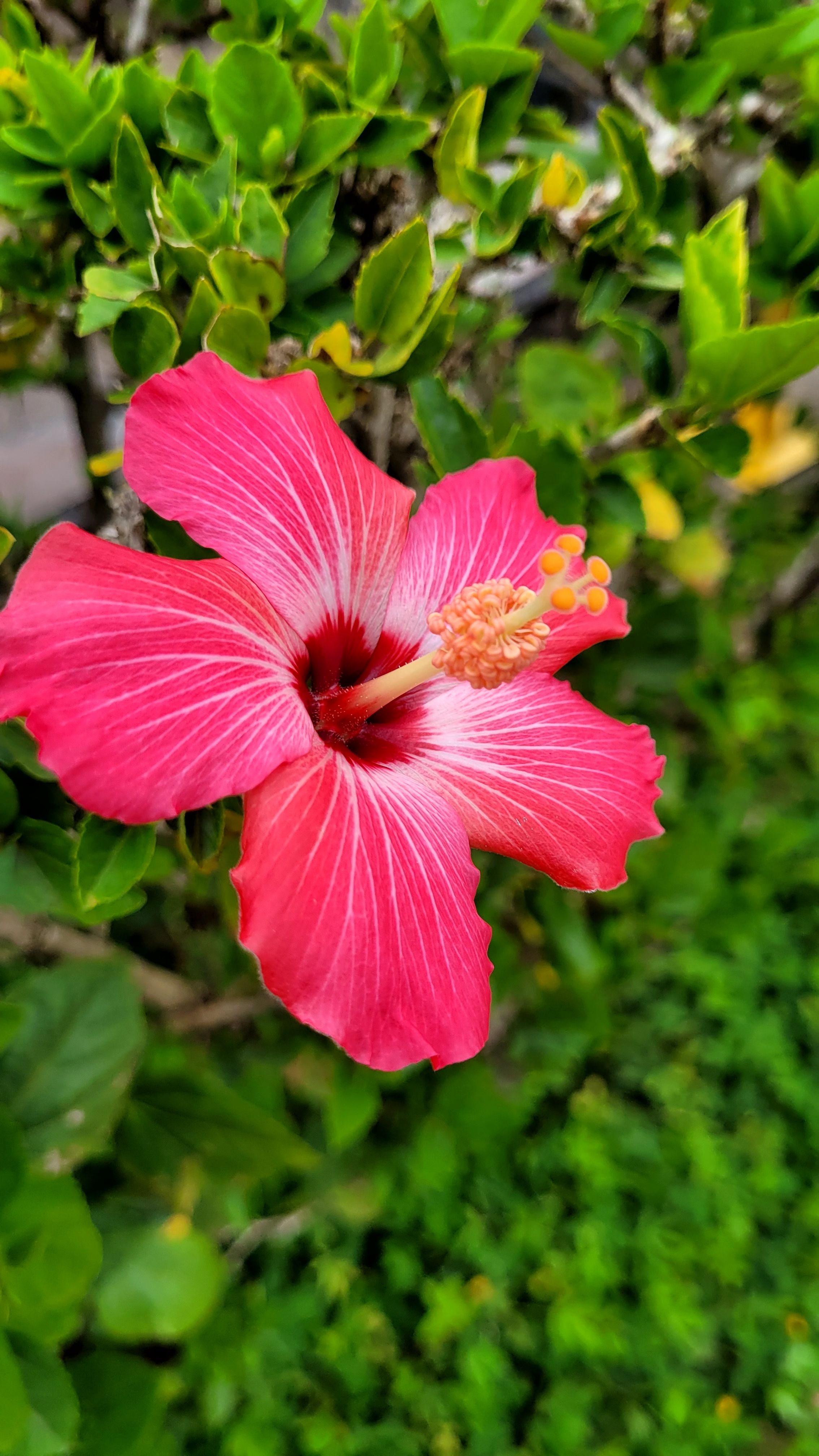
Hibiscus — large, trumpet-shaped blooms in red, pink, orange, and yellow. Hibiscus thrives in Guam's heat and humidity, and you'll see the flowers in yards, parks, and hotel landscapes across the island.
Plumeria (frangipani) — the quintessential tropical flower with its creamy petals and intoxicating fragrance. Chamorro families use plumeria blossoms for leis and hair adornments. The scent alone can transport you to an island state of mind.
Orchids — Guam hosts both wild and cultivated orchid species. Orchid arrangements rank among the most popular gifts for special occasions on the island.
Flame tree (royal poinciana) — technically a tree rather than a single flower, the flame tree erupts in brilliant red-orange blossoms during the warm months. A flame tree in full bloom against a blue Guam sky is unforgettable.
Together, these flowers create a floral landscape that feels impossibly lush and vivid. The bougainvillea stands at the center of that landscape — literally and symbolically — but the supporting cast is equally impressive.
Sending flowers to Guam
Want to send a touch of Guam's beauty to someone on the island? Maybe you have family stationed at Andersen Air Force Base, a friend celebrating a birthday in Hagåtña, or a loved one going through a tough time in Dededo. Whatever the reason, sending flowers to Guam is easier than you might think.
MyGlobalFlowers connects you with local florists in Guam who hand-assemble and deliver arrangements directly to your recipient's door. The process works simply: you browse the catalog, choose an arrangement, enter the delivery address on Guam, and place your order from anywhere in the US.
Here's what makes this approach special: local florists on Guam source and arrange the flowers locally. A skilled florist on the island selects the freshest blooms available that day, crafts the arrangement by hand, and delivers the bouquet personally. The final bouquet may vary slightly from the website photo depending on seasonal availability — and honestly, that's a feature, not a flaw. Each arrangement is a unique, hand-crafted creation made with the best flowers available at that moment.
A few practical details to keep in mind:
Time zone awareness matters. Guam runs on Chamorro Standard Time (ChST), which is UTC+10 — a full 15 hours ahead of Eastern Standard Time. When you're having your Monday morning coffee at 8:00 AM EST, Guam is already at 11:00 PM Monday night ChST. Plan your order accordingly to allow the local florist enough lead time.
Delivery cost. The system calculates your delivery price during checkout based on the specific order details. No hidden fees, no guesswork — you see the total before you confirm.
You can order from anywhere in the US. Whether you're in New York, Los Angeles, Chicago, or a small town in between, placing your order while you're stateside takes just a few minutes online.
Occasions to send flowers to Guam
Flowers carry meaning across every culture, and Guam is no exception. Here are some perfect occasions to send a beautiful arrangement to someone on the island:
Birthday celebrations — brighten someone's special day with tropical blooms that match the island's energy.
Mother's Day and Father's Day — show appreciation from across the ocean. Chamorro families hold deep respect for parents and elders, and flowers send a powerful message.
Valentine's Day — what better place to celebrate love than an island whose iconic flower is named after romantic longing?
Liberation Day (July 21) — this uniquely Guamanian holiday honors the island's history. A thoughtful floral gift shows you understand what the day means.
Sympathy and condolences — when words fall short, flowers offer comfort. Local florists on Guam create respectful arrangements appropriate for funeral services and memorial gatherings.
"Just because" — sometimes the best reason to send flowers is no reason at all. A surprise delivery on an ordinary Tuesday can turn someone's whole week around.
Welcome and housewarming gifts — thousands of military families relocate to Guam each year. A beautiful arrangement waiting at a new home says "welcome" in a way that nothing else can. You know how disorienting a big move feels — flowers make the new place feel warmer immediately.
Send flowers today
Choose a bouquet, add a message, and a local florist hand-delivers it.