EUR
 GBP
 CAD
 AUD

 Birthday
 Same Day
 Occasions
 Flowers
 Roses
 Plants
 Gifts
 International Flower Delivery
South Carolina State Flower: The Yellow Jessamine
- 🌼 Picture this: you're driving along a South Carolina highway in late February, the trees still mostly bare, the air still carrying a winter bite — and then you see them.
- 💡 Each bloom measures about 1 to 1.5 inches long, with five fused petals forming a graceful trumpet shape.
- 🌸 Browse the catalog at MyGlobalFlowers and let a local florist make it happen.
Picture this: you're driving along a South Carolina highway in late February, the trees still mostly bare, the air still carrying a winter bite — and then you see them. Bright golden, trumpet-shaped blooms cascading from treetops and fence rows, spilling over everything like nature decided to flip the lights on early. That's the South Carolina state flower, Yellow Jessamine, welcoming you to spring before spring has technically arrived.
I find it fascinating that a single vine can carry so much identity for an entire state. Yellow Jessamine isn't flashy in a greenhouse kind of way. It's wild, resilient, and stubbornly beautiful — qualities that feel very South Carolina. In this article, you'll get the full story: how this flower earned its official title, what makes it botanically unique, why you should respect its toxicity, how to grow it in your own garden, and how it fits into the broader tapestry of SC's state symbols. And if you're looking to send flowers to someone in the Palmetto State, MyGlobalFlowers, an international flower delivery service, can connect you with local florists who hand-deliver fresh arrangements right to their door.
Let's dig in.
What is the South Carolina state flower?
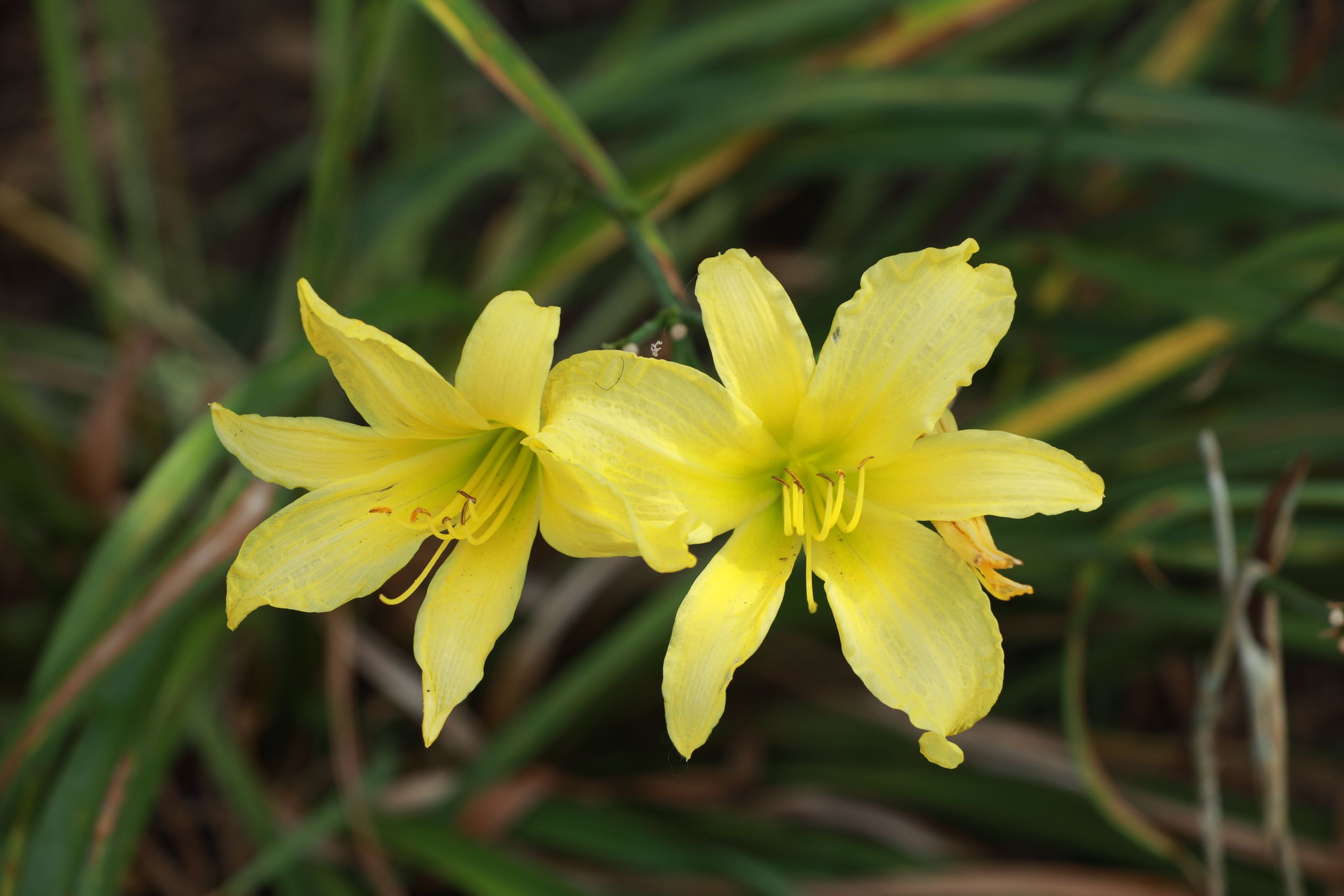
The South Carolina state flower is Yellow Jessamine (Gelsemium sempervirens), a twining evergreen vine that produces clusters of bright yellow, funnel-shaped blooms. You might also hear people call it Carolina Jessamine, Carolina Jasmine, or evening trumpet flower — all the same plant.
Here's the thing that trips people up: the name "jessamine" sounds a lot like "jasmine," and many folks use the terms interchangeably. They shouldn't. Yellow Jessamine belongs to the family Gelsemiaceae, while true jasmine plants belong to Oleaceae — the olive family. Different lineage, different chemistry, different care requirements. So when someone calls the SC state flower "Carolina Jasmine," the name is technically a misnomer, even though it's stuck around for centuries.
Visually, Yellow Jessamine is striking in its simplicity. Each bloom measures about 1 to 1.5 inches long, with five fused petals forming a graceful trumpet shape. The leaves are glossy, dark green, and evergreen — they stay on the vine year-round. Given the right support, the vine can climb 20 feet or more, draping itself over trees, arbors, and fences with effortless elegance.
How Yellow Jessamine became South Carolina's official flower
The story of how Yellow Jessamine became South Carolina's official flower goes back over a century. The South Carolina General Assembly designated it as the state flower in 1924, making the choice official through legislative action.
Why Yellow Jessamine over other contenders? Several factors tipped the scale. The vine grows abundantly across every region of South Carolina — from the Lowcountry marshes to the Upstate foothills. It blooms early, often before any other native wildflower, signaling that warmer days are on the way. Early legislators saw it as a symbol of resilience and renewal, a plant that thrives without coddling and announces spring with confidence.
The flower's prominence didn't stop with the 1924 legislation. The United States Mint featured Yellow Jessamine on the South Carolina state quarter, which it minted in 2000. The coin shows the state outline, a Sabal Palmetto, a Carolina Wren, and those unmistakable golden trumpet blooms — four SC symbols packed into one small piece of currency.
Botanical profile of Gelsemium sempervirens
Leaves, stems, and growth habit
Yellow Jessamine is a woody, evergreen vine that climbs by twining — it wraps its stems around whatever support it can find rather than using tendrils or adhesive pads. The leaves grow in opposite pairs along the stem, each one lance-shaped, smooth-edged, and about 2 to 4 inches long. In winter, the foliage often takes on a slightly bronze or purplish tint, which actually makes the golden flowers pop even more dramatically when they appear.
The stems are slender but surprisingly tough. Mature vines develop a somewhat shaggy bark near the base, and the root system anchors deep, making established plants remarkably drought-tolerant.
Blooming season
Yellow Jessamine typically blooms from late January through early April in South Carolina, though the timing varies by region. Coastal areas like Charleston and Myrtle Beach usually see the first blooms in late January or early February. Inland and Upstate areas — think Greenville and Spartanburg — tend to follow a few weeks later.
This early bloom cycle earned Yellow Jessamine the nickname "herald of spring." Honestly, seeing those golden flowers appear during the coldest stretch of winter feels almost defiant. Most plants are still dormant, and here comes this vine, already putting on a show.
Fragrance and pollination
The blooms release a sweet, honey-like fragrance that's noticeable but never overpowering. Stand near a flowering vine on a warm afternoon, and you'll catch it immediately. This scent serves a practical purpose: it draws early-season pollinators, especially bees and certain butterfly species that emerge during mild winter days. The vine essentially rolls out a welcome mat for pollinators at a time when very few other food sources exist.
Toxicity — a serious safety note
This is the part I want you to read carefully, because many articles gloss over it. Every part of Yellow Jessamine — roots, stems, leaves, flowers, and nectar — contains toxic alkaloids, primarily gelsemine and gelseminine. These compounds affect the nervous system and can cause serious harm to humans, livestock, and pets.
Children should never suck nectar from the flowers. Even though the trumpet shape practically invites it, the consequences can include muscle weakness, difficulty breathing, seizures, and in extreme cases, death. The same danger applies to dogs and cats that chew on the vine.
Here's a detail that honestly surprised me: even honey can become toxic when bees collect nectar predominantly from Yellow Jessamine flowers. Beekeepers in the Southeast are generally aware of this risk, but backyard hobbyists sometimes aren't. The honey itself can cause dizziness, double vision, and muscular weakness in people who eat it.
Practical safety guidelines:
Always wear gloves when pruning Yellow Jessamine, and wash your hands thoroughly afterward.
Keep clippings out of reach of children and pets — bag them and dispose of them promptly.
Never plant the vine directly next to a play area, dog run, or livestock pasture.
Teach children that the flowers are beautiful to look at but dangerous to touch or taste.
Contact Poison Control (1-800-222-1222) immediately if anyone ingests any part of the plant.
Respecting Yellow Jessamine's toxicity doesn't mean you can't enjoy it. Millions of gardeners grow it safely every year. You just need to treat it with the same awareness you'd give any hazardous-but-gorgeous plant.
Where Yellow Jessamine grows in the wild
The native range of Yellow Jessamine — South Carolina's official flower — stretches across the southeastern United States, from Virginia down through Florida and west to Texas and Arkansas. The vine also extends into parts of Mexico and Central America.
In South Carolina specifically, you'll spot Yellow Jessamine in pine forests, along roadsides, at woodland edges, and draped over old fence rows. The vine loves well-drained, acidic to slightly alkaline soil, and it tolerates partial shade without complaint. That said, the most spectacular bloom displays happen in full sun, where the vine gets at least six hours of direct light each day.
Drive the back roads of the Lowcountry in February, and you'll see Yellow Jessamine everywhere — scrambling up loblolly pines, spilling over guardrails, turning ordinary roadside ditches into something genuinely beautiful. It's one of those plants that reminds you nature doesn't need a landscaper.
Growing Yellow Jessamine in your garden
Want to grow South Carolina's state flower in your own yard? Good news: Yellow Jessamine is one of the easier native vines to cultivate, especially if you live in USDA Hardiness Zones 7 through 9 (which cover most of South Carolina and a huge swath of the southeastern US).
Here are the essentials:
Plant in fall or early spring. This gives the root system time to establish before summer heat arrives.
Provide a sturdy support structure. A trellis, arbor, fence, or even a mailbox works well — the vine needs something to wrap around as it climbs.
Water regularly during the first growing season. Once established, Yellow Jessamine handles drought impressively well and rarely needs supplemental watering.
Prune right after flowering ends in late spring. This timing lets you control the vine's size and encourage denser growth without accidentally removing next year's flower buds.
Feed with a balanced fertilizer in early spring. A general-purpose 10-10-10 formula works fine. Apply it before the vine starts blooming.
Common mistakes and how to avoid them
Even experienced gardeners stumble with this vine sometimes. Here are the pitfalls I'd recommend watching for:
Planting in heavy clay without amending the soil. Yellow Jessamine needs drainage. Mix in compost or pine bark to loosen dense clay before planting.
Ignoring toxicity during maintenance. Always wear gloves when pruning. Keep trimmings away from children, pets, and compost piles that feed edible gardens.
Over-pruning in fall or winter. The vine sets its flower buds on old growth. Cutting it back aggressively during the dormant season removes those buds and kills the spring display entirely.
Confusing Yellow Jessamine with true jasmine at the nursery. Several Jasminum species look similar at first glance. Double-check the Latin name on the plant tag — you want Gelsemium sempervirens, not Jasminum anything.
Looking for ‘just because’ flowers?
Browse ‘just because’ flowers from local florists and pick one that suits the moment.
Yellow Jessamine among South Carolina's other state symbols
South Carolina's state flower doesn't exist in a vacuum — it's part of a whole collection of official symbols that together tell the story of the state's natural landscape. Here's the lineup:
State bird: the Carolina Wren, a tiny but astonishingly loud songbird that lives year-round across the state.
State tree: the Sabal Palmetto, the iconic palm that gives South Carolina its nickname, the Palmetto State, and dominates its flag.
State wildflower: Goldenrod, a late-summer bloomer that paints fields and roadsides in gold (yes, SC has both a state flower and a state wildflower — each serves a different role).
State reptile: the Loggerhead Sea Turtle, which nests along SC's barrier island beaches every summer.
What I appreciate about these symbols is how they map onto South Carolina's geography and seasons. Yellow Jessamine announces the end of winter. The Carolina Wren sings through every month. The Sabal Palmetto anchors the coastal identity. Goldenrod takes over when summer is fading. And the Loggerhead connects the state to the Atlantic in the most tangible way possible. Together, these symbols paint a surprisingly complete portrait of what it feels like to live in South Carolina, season by season.
Cultural significance and fun facts
The South Carolina state flower carries cultural weight that goes well beyond botany. Here are some of the more interesting threads:
Festivals and garden tours. Several communities across the state celebrate Yellow Jessamine's bloom with garden walks, photography contests, and springtime festivals. The vine also features prominently in Lowcountry garden tours, where historic estates showcase it climbing centuries-old brick walls and iron gates.
Naming influence. Yellow Jessamine has lent its name to streets, neighborhoods, schools, and businesses across the Palmetto State. Drive through almost any South Carolina town and you'll find a Jessamine Lane, Jessamine Court, or Jessamine Drive — the flower's reach extends well beyond the forest edge.
A symbol of endurance. Early settlers in South Carolina noticed that this vine bloomed during the coldest, harshest weeks of winter. That timing made it a natural symbol of hope and persistence — a reminder that warmth follows cold, growth follows dormancy. The sentiment still resonates.
The state quarter connection. Fun fact: the South Carolina quarter (minted in 2000) is one of only a handful of US state quarters that features the state flower prominently. The design places Yellow Jessamine alongside the Sabal Palmetto and Carolina Wren, giving three state symbols equal billing on a single coin.
Sending flowers to someone in South Carolina
Yellow Jessamine may be SC's pride, but when you want to send a bouquet to someone in South Carolina — for a birthday, Mother's Day, Thanksgiving, or just because — you need a reliable delivery service that actually gets it right.
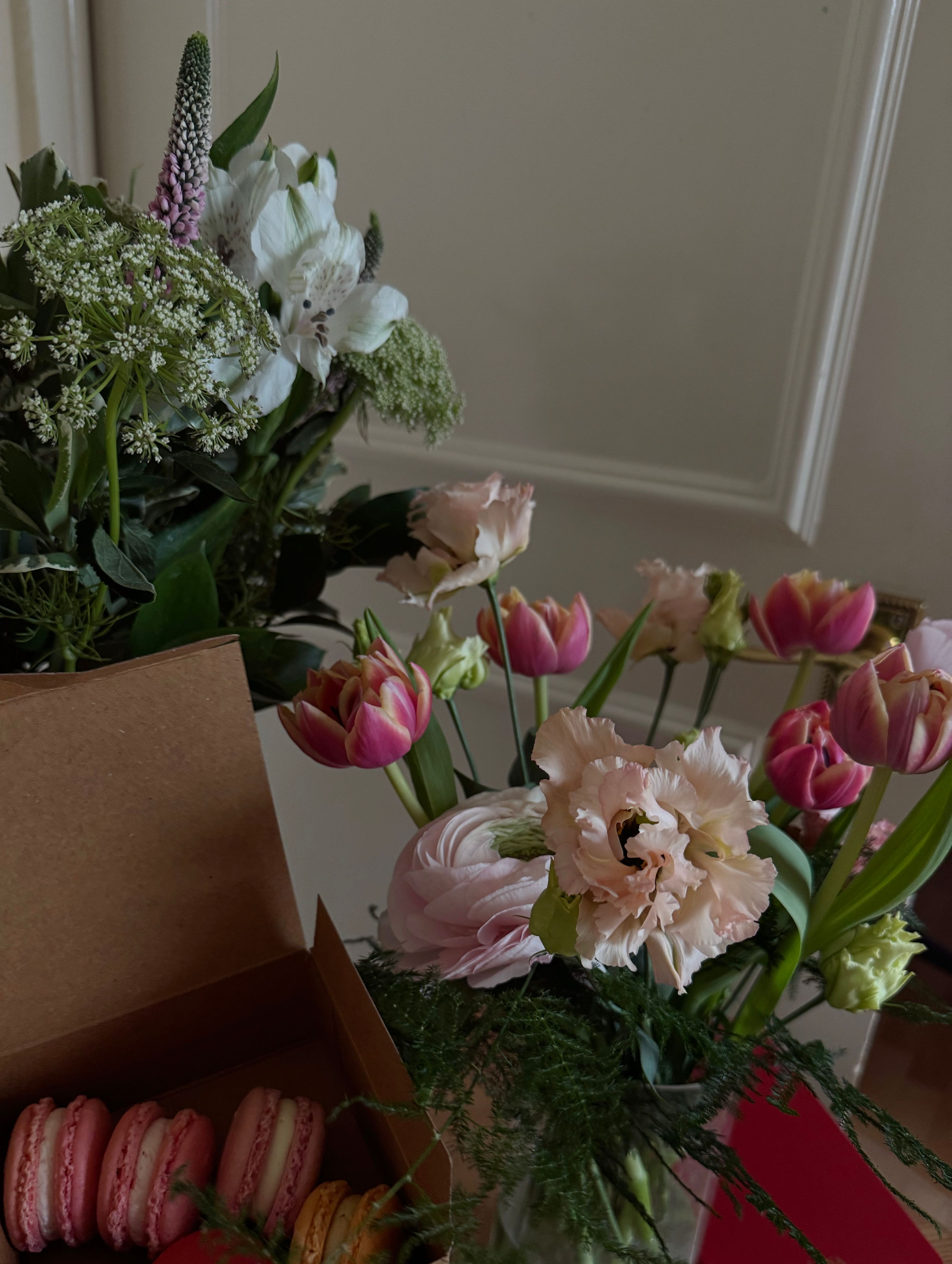
MyGlobalFlowers connects you with local florists in South Carolina who hand-arrange and deliver fresh bouquets directly to your recipient. The process is simple: you choose an arrangement on the website, place your order, and a local florist in the recipient's area takes it from there — selecting the freshest available blooms, assembling the bouquet, and delivering it in person.
A couple of things worth knowing:
Freshness drives the final look. Local florists select the best flowers available that day, so the final bouquet may vary slightly from the website photo. That's actually a good thing — it means the florist chooses what looks freshest and most vibrant rather than forcing a rigid template.
The delivery fee calculates individually at checkout. The cost depends on your recipient's location and the timing of the delivery, so you'll see the exact fee before you confirm.
Coverage spans the state. You can send flowers to Charleston, Columbia, Greenville, Myrtle Beach, Spartanburg, and many other cities across South Carolina.
Whether your recipient lives in a downtown Charleston apartment or a farmhouse outside Aiken, a local florist handles the arrangement and delivery — no long-distance transport, no wilted petals on arrival.
Best occasions to send flowers in South Carolina
Thinking about the right moment to send flowers to someone in South Carolina? Here are the occasions that call for it most:
Mother's Day (second Sunday in May). This is the single most popular flower-sending occasion in the United States. A bright spring bouquet delivered to Mom's door in Columbia or Hilton Head says everything you need to say.
Valentine's Day (February 14). This one coincides beautifully with Yellow Jessamine's blooming season — a nice local tie-in that makes the whole state feel a little more romantic.
Thanksgiving (fourth Thursday in November). Warm autumn arrangements featuring deep oranges, burgundies, and golds make a wonderful addition to any Thanksgiving table in South Carolina.
Sympathy and memorial moments. White lilies, roses, or chrysanthemums express compassion when words fall short. Local florists understand how to arrange sympathy flowers with care and dignity.
Graduation season (May through June). Bright, celebratory mixes — think sunflowers, gerbera daisies, and bold colors — match the energy of a new graduate.
"Just because." Honestly, sometimes the best reason to send flowers is no reason at all. An unexpected bouquet on an ordinary Tuesday can completely make someone's week.
More than a pretty vine
The South Carolina state flower is one of those rare symbols that actually lives up to what it represents. Yellow Jessamine doesn't wait for perfect conditions. It blooms when the world around it is still gray and cold, pulling color out of thin air during the dreariest stretch of the calendar. That kind of quiet stubbornness feels very South Carolina.
Next time you spot those golden trumpets cascading from a pine tree or twining along an old fence row, you'll know the full story — the 1924 designation, the toxic alkaloids, the state quarter cameo, the early pollinators arriving for nectar, the settlers who saw hope in a midwinter bloom. It's a lot of meaning packed into a 1.5-inch flower.
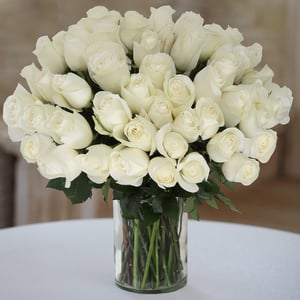
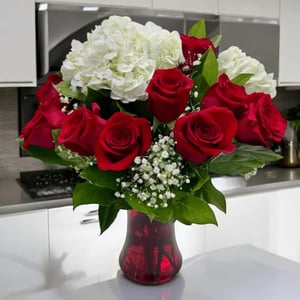
Thinking of sending flowers to someone in South Carolina? Browse the catalog at MyGlobalFlowers and let a local florist make it happen.
Send flowers today
Choose a bouquet, add a message, and a local florist hand-delivers it.