EUR
 GBP
 CAD
 AUD

 🎃Halloween🎃
 Birthday
 Occasions
 Same Day
 Flowers
 Roses
 Plants
 Gifts
 International Flower Delivery
Guide to Growing Lisianthus - Tips and Tricks for a Beautiful Bloom
- 💧 Lisianthus flowers fool almost everyone — and honestly, that's part of their charm.
- 💡 Stems grow anywhere from 12 to 36 inches tall, depending on the cultivar.
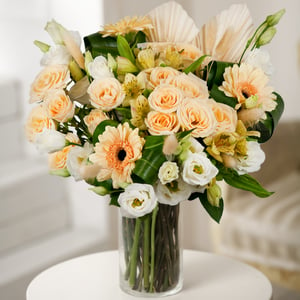
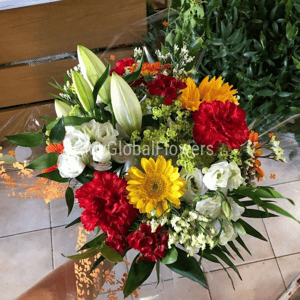
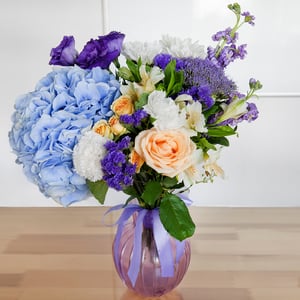
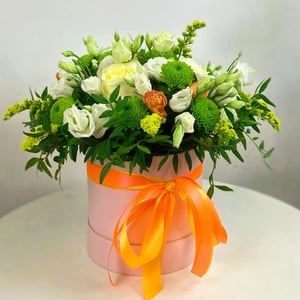
- 🌸 Browse lisianthus arrangements in the MyGlobalFlowers catalog and surprise someone with a bouquet that looks like it came straight from a bridal magazine.
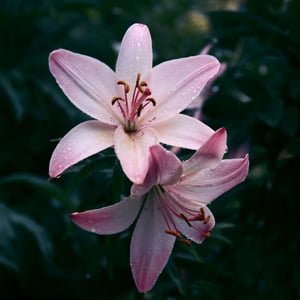
Lisianthus flowers fool almost everyone — and honestly, that's part of their charm. Most people see those soft, ruffled petals and immediately think "rose" or "peony." But lisianthus is neither. This elegant bloom is actually a wildflower native to the prairies of the southern United States, and once you learn to recognize it, you'll start spotting it in bridal bouquets, high-end floral arrangements, and garden beds everywhere. I find it fascinating that a flower so refined started out growing wild along riverbanks in Texas and Nebraska.
Whether you want to grow lisianthus in your own backyard or surprise someone you care about with a gorgeous bouquet, this guide covers everything you need. At MyGlobalFlowers — an international flower delivery service that connects you with local florists for hand-delivered bouquets — you can order lisianthus arrangements from anywhere in the US and know that a local florist will assemble and deliver your bouquet fresh.
Here's what you'll learn: the meaning behind lisianthus, how to grow lisianthus from seed (and why buying plugs might save your sanity), lisianthus care tips for both garden plants and cut flowers, common mistakes to avoid, the best occasions to gift lisianthus, and popular varieties worth knowing.
What are lisianthus flowers?
Lisianthus flowers — known botanically as Eustoma grandiflorum — originate from the prairies and grasslands of the southern United States, northern Mexico, and the Caribbean. Picture this: a delicate wildflower thriving in warm, open fields, eventually catching the eye of plant breeders who transformed it into one of the most sought-after cut flowers in the world.
The physical characteristics speak for themselves. Lisianthus produces ruffled, rose-like petals in a stunning color range — white, pink, purple, lavender, blue, and bicolor varieties. Stems grow anywhere from 12 to 36 inches tall, depending on the cultivar. You'll find both single bloom forms (with one elegant layer of petals) and double bloom forms (with layers upon layers that rival the fullness of a garden rose).
Here's a detail that surprises people: lisianthus flowers produce virtually no fragrance. That sounds like a drawback, but it's actually a huge advantage for scent-sensitive people, indoor events, hospital gifts, and dinner table centerpieces where you don't want competing smells.
Japan leads global production and hybridization of lisianthus. Japanese breeders have created hundreds of cultivars since the 1930s, refining everything from petal count to stem strength to color saturation. And here's one more fun fact — lisianthus is classified as a cool-season hardy annual, yet it blooms in summer. That unique trait makes it one of the few cool-weather flowers that delivers peak beauty during the warmest months.

Lisianthus meaning and symbolism
Lisianthus flowers carry rich symbolism rooted in language and tradition. The name itself comes from Greek: "lysis" means dissolution, and "anthos" means flower. Some interpret this as a reference to the flower's open, outward-reaching petals — a visual metaphor for openness and letting go.
In the language of flowers, lisianthus meaning centers on appreciation, gratitude, charisma, and a deep romantic bond. That combination makes lisianthus remarkably versatile — equally fitting for a wedding altar and a sympathy arrangement.
Different colors carry different messages:
White lisianthus symbolizes purity, spirituality, and new beginnings
Purple lisianthus represents royalty, elegance, and admiration
Pink lisianthus expresses romance, affection, and gentleness
Blue and lavender lisianthus convey calm, serenity, and trust
These meanings map beautifully onto US holidays and celebrations. Pink and white lisianthus makes a heartfelt Mother's Day bouquet (second Sunday of May). Purple or pink lisianthus offers a sophisticated Valentine's Day alternative to the predictable red rose. During wedding season — roughly May through October in most of the US — lisianthus shows up in bridal bouquets, centerpieces, and boutonnieres. White lisianthus brings quiet dignity to sympathy arrangements, and cream, blush, and deep purple tones add elegance to Thanksgiving centerpieces in November.
How to grow lisianthus — a step-by-step guide
Lisianthus flowers are worth every ounce of effort, but let me be straight with you: growing lisianthus is challenging. The seeds are dust-like — almost impossibly tiny. Germination takes 10 to 15 days. Seedlings grow at a pace that tests your patience. But the reward? Long-lasting, jaw-droppingly beautiful blooms that rival anything you'd see at a high-end florist. Here's how to do it right.
Starting lisianthus from seed
Sow seeds indoors 12 to 16 weeks before your last frost date. That means mid-January for most US zones.
Lisianthus seeds need light to germinate — press them gently onto the surface of a moist seed-starting mix. Do not cover the seeds with soil. Keep the temperature at 70–75°F during germination. Use grow lights for 14 to 16 hours per day, since winter windowsill light alone won't cut it. Mist gently to keep the soil consistently moist but never waterlogged. Overwatering at this stage kills more seedlings than anything else.
Buying plugs vs. starting from seed
Here's the thing — starting from seed is a commitment. Buying plugs (pre-started seedlings) saves you 8 to 10 weeks and drastically improves your success rate. For beginners, plugs eliminate the trickiest phase of the growing process entirely.
Once you receive plugs, use the "bump up" technique: transplant each plug into a larger cell or a 4-inch pot. Let the roots fill the new space before moving plants outdoors. This extra step gives seedlings stronger root systems and better overall vigor.
Transplanting outdoors
Wait until nighttime temperatures stay consistently above 50°F. Rushing transplants into cold soil stresses the plants and can trigger rosetting — a condition where the plant stays flat and refuses to send up a flower stem.
Space plants 6 to 8 inches apart. Lisianthus thrives in raised beds, garden borders, and high tunnels or greenhouses. Raised beds give you better control over drainage and soil composition — two factors that make or break your lisianthus crop.
Growing lisianthus in containers
No garden? No problem. Choose a pot at least 8 inches deep with good drainage holes. Use a well-draining potting mix with a slightly alkaline pH of 6.5 to 7.0. Container-grown lisianthus works beautifully on patios, balconies, and porches across all US climate zones. Compact varieties like the Florida Series are ideal for pots, growing just 8 to 12 inches tall.
Lisianthus plant care — light, soil, water, and more
Lisianthus flowers demand specific conditions, but once you dial in the basics, these plants reward you generously. Here's what lisianthus plant care looks like in practice.
Light requirements
Lisianthus plant care starts with full sun — at least 6 to 8 hours of direct sunlight daily. More light generally means more blooms and stronger stems. In the hottest southern states (Texas, Arizona, Florida), provide afternoon shade to prevent scorching. A simple shade cloth or strategic placement near a taller plant does the trick.
Soil and pH
Lisianthus prefers well-drained, slightly alkaline soil with a pH of 6.5 to 7.0. Test your soil before planting — a simple kit from any garden center tells you exactly where you stand. Amend heavy clay soils with perlite or coarse sand to improve drainage. Acidic soil stunts lisianthus growth, so add garden lime to raise pH when needed.
Watering
Water at the base of the plant to avoid wetting the foliage. Wet leaves invite fungal diseases like Botrytis and Fusarium — two of the biggest threats to lisianthus. Keep soil consistently moist but never soggy. Drip irrigation or soaker hoses work best because they deliver water directly to the roots without splashing.
Fertilizing
Apply a balanced liquid fertilizer (like 15-15-15) every 2 weeks during the growing season. Once buds start forming, switch to a high-potassium formula to boost bloom quality and size. Avoid heavy nitrogen feeds late in the season — excess nitrogen pushes leafy growth at the expense of flowers.
Temperature and humidity
Ideal growing temperatures range from 60 to 75°F during the day and 55 to 65°F at night. Lisianthus dislikes humidity above 80%, so ensure good airflow between plants. Space them properly and avoid crowding. In northern states with shorter growing seasons, high tunnels or greenhouses produce the best results by extending warmth and controlling moisture.
Looking for bridal flowers?
Browse bridal flowers from local florists and pick one that suits the moment.
Lisianthus care for cut flowers
Lisianthus flowers are absolute superstars in a vase — but lisianthus care for cut stems differs from garden care. Follow these practical steps to maximize vase life:
Cut stems early in the morning when at least 2 to 3 blooms on the stem are open
Trim stems at a 45-degree angle with clean, sharp scissors
Remove all foliage below the waterline
Place stems in clean, room-temperature water with floral preservative
Change the water every 2 days and re-trim stems each time
Keep the vase away from direct sunlight, heating vents, and fruit bowls (ethylene gas from fruit speeds wilting)
With proper care, cut lisianthus flowers last up to 2 weeks in a vase. That's remarkable longevity — few cut flowers hold up that well.
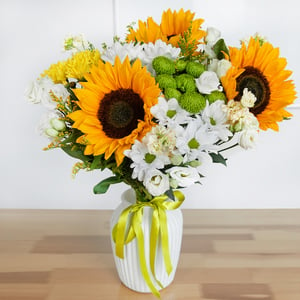
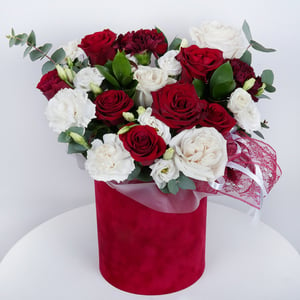
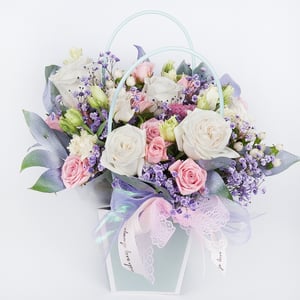
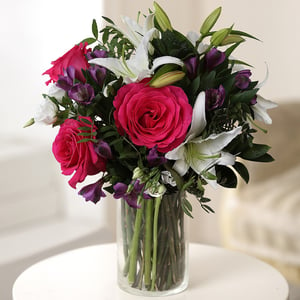
By the way, when you order lisianthus through MyGlobalFlowers, local florists hand-deliver fresh blooms directly to your recipient's door. The actual arrangement may vary slightly from the website photo — the florist selects the freshest available flowers while keeping the style and value consistent. That's actually a benefit: you get peak-freshness blooms tailored to what's best that day, not a rigid template assembled regardless of flower quality.
Common mistakes when growing lisianthus (and how to avoid them)
Lisianthus flowers test even experienced gardeners. Here are the most common pitfalls — and the fixes:
Overwatering drowns shallow roots. Water deeply but less frequently, and always ensure the pot or bed drains well.
Planting too late shortens the bloom window. Start seeds indoors by mid-January in most US zones to give seedlings enough time to mature.
Skipping support netting causes stems to topple. Install horizontal netting when plants reach 8 to 10 inches tall.
Ignoring fungal threats leads to plant loss. Space plants for airflow and avoid overhead watering to keep Botrytis and Fusarium at bay.
Harvesting too early yields blooms that won't open. Wait until at least 2 flowers on the stem are fully open before cutting.
Using acidic soil stunts growth. Test your soil pH and amend with lime to reach the 6.5–7.0 range.
Best occasions to gift lisianthus flowers
Lisianthus flowers fit beautifully into just about any occasion. Here are the moments where lisianthus truly shines:
Weddings: Lisianthus rivals roses in elegance at a fraction of the cost. Brides choose lisianthus for bouquets, centerpieces, and boutonnieres throughout the May-to-October wedding season.
Mother's Day (second Sunday of May): Pink and white lisianthus conveys gratitude and love — exactly the message you want to send.
Valentine's Day: Purple or pink lisianthus makes a sophisticated, unexpected alternative to red roses. This is one of those flowers that just wins you over with its elegance.
Sympathy and funerals: White lisianthus expresses peace and remembrance without overwhelming a somber setting.
Thank-you gifts: The flower's core meaning of appreciation makes lisianthus a natural fit for gratitude gestures.
Thanksgiving (November): Lisianthus adds elegance to fall tablescapes and centerpieces, especially in cream, blush, and deep purple tones.
Birthdays and anniversaries: A lisianthus bouquet says "you're special" without feeling cliché.
You can order lisianthus arrangements through MyGlobalFlowers for delivery to any address in the US. Local florists assemble each bouquet fresh, and the delivery fee calculates individually at checkout based on your recipient's location.

Lisianthus varieties worth knowing
Lisianthus flowers come in dozens of cultivated varieties. Here are the most popular series and what makes each one stand out:
ABC Series: Double blooms sit atop strong, sturdy stems — ideal for cutting gardens. Heights range from 24 to 36 inches.
Echo Series: Large, fully double flowers come in a wide color range. Florists love the Echo Series for its consistency and vase life.
Mariachi Series: Extra-ruffled petals mimic the look of garden roses. The Mariachi Series creates show-stopping arrangements.
Florida Series: Compact plants grow just 8 to 12 inches tall, making the Florida Series perfect for pots and container gardens.
Rosita Series: Extremely full, peony-like blooms deliver maximum petal density. The Rosita Series makes a single stem look like a complete arrangement.
Dwarf varieties suit container gardening and windowsill displays. Tall varieties excel in cutting gardens and full-scale floral arrangements. Choose based on where you plan to grow — and how you plan to use the blooms.

A flower that rewards patience
Honestly, lisianthus rewards patience like few other flowers do. Growing lisianthus from seed teaches you to slow down, pay attention, and trust the process. And when those first ruffled petals finally unfurl — weeks and weeks after you sowed those impossibly tiny seeds — the feeling is genuinely special.
Whether you grow lisianthus in your backyard, nurture a few plants on your apartment balcony, or order a stunning bouquet for someone you care about, this flower makes an impression. The elegance of a rose, the fullness of a peony, the lasting power of a flower that holds strong for two weeks in a vase — lisianthus delivers on every front.
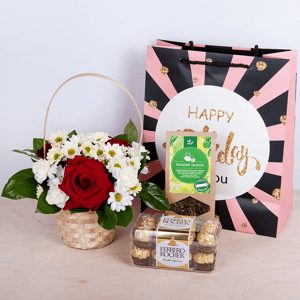
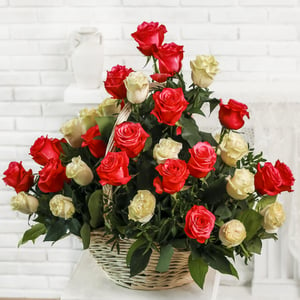
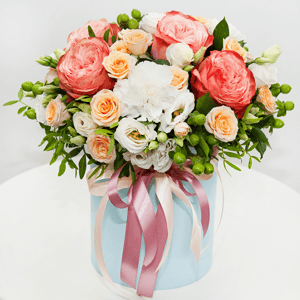
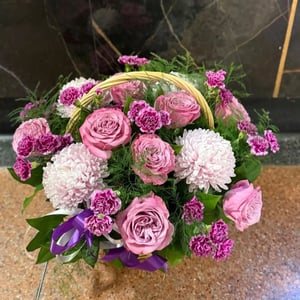
Browse lisianthus arrangements in the MyGlobalFlowers catalog and surprise someone with a bouquet that looks like it came straight from a bridal magazine. Local florists assemble every arrangement fresh and hand-deliver it to your recipient's door.
Have you tried growing lisianthus? What's your biggest challenge — or success story?
Send flowers today
Choose a bouquet, add a message, and a local florist hand-delivers it.