 EUR
EUR
 GBP
GBP
 CAD
CAD
 AUD
AUD

 ✨Boss’s Day✨
 🍭Sweetest Day🍭
 Birthday
 Same Day
 Occasions
 Flowers
 Roses
Roses
 Plants
 Gifts
Gifts
 International Flower Delivery
Michigan's State Flower: The Apple Blossom
- 🌼 The Michigan state flower — the apple blossom — has one of the most charming origin stories of any state symbol in America.
- 💡 Michigan legislators designated the apple blossom as the official state flower in 1897, making it one of the earliest state flower designations anywhere in the country.
- 🌸 Browse spring bouquets for delivery in Michigan at MyGlobalFlowers and bring a little blossom energy to someone's day.
The Michigan state flower — the apple blossom — has one of the most charming origin stories of any state symbol in America. Picture this: it's the late 1800s, and Michigan's western hillsides are blanketed in thousands of acres of apple orchards. Every spring, those orchards explode into clouds of pinkish-white petals. The sight was so iconic, so deeply tied to Michigan's identity, that legislators made it official in 1897. Today, the apple blossom still captures everything Michiganders love about their state — resilience, natural beauty, and a deep connection to the land. In this article, you'll learn the history behind this designation, the flower's symbolism, when and where to catch the blooms, how to grow apple trees in your own yard, and how MyGlobalFlowers, an international flower delivery service, can help you send spring-inspired bouquets to anyone in the Great Lakes State.
What is the Michigan state flower?
So, what is the Michigan state flower? The answer is the apple blossom, scientifically classified as Malus coronaria (sometimes listed under the older name Pyrus coronaria). Michigan legislators designated the apple blossom as the official state flower in 1897, making it one of the earliest state flower designations anywhere in the country.
Here's what makes the apple blossom so instantly recognizable. Each bloom features five delicate petals that range from snow-white to soft pink. The petals open in clusters along the branches of apple trees, and the blossoms release a sweet, gentle fragrance that fills entire orchards. Honestly, standing in a Michigan apple orchard during peak bloom is one of those sensory experiences that sticks with you — the color, the scent, the hum of pollinators working the flowers.
The blooms are small, usually about 1 to 1.5 inches across, but the sheer volume of blossoms on a single mature tree creates a dramatic visual effect. Each flower contains both male and female parts, and honeybees handle most of the pollination work — which is exactly why Michigan orchards bring in bee colonies every spring.

Michigan state flower apple blossom — history and origin
The Michigan state flower apple blossom didn't earn its title by accident. The designation reflects a specific moment in Michigan's economic history.
Apple trees arrived in Michigan with early European settlers and French missionaries during the 1700s and 1800s. The western coast of the state, particularly the corridor along Lake Michigan, turned out to be ideal for apple growing. The lake effect — cool air in spring that delays budding just enough to avoid late frosts, and warm air in fall that extends the growing season — gave Michigan orchards a natural advantage.
By the 1890s, Michigan ranked among the top apple-producing states in the nation. Orchards covered vast stretches of the state's western landscape, and the apple industry employed thousands of families. The state legislature recognized the apple's importance and designated the apple blossom as the official state flower on April 28, 1897.
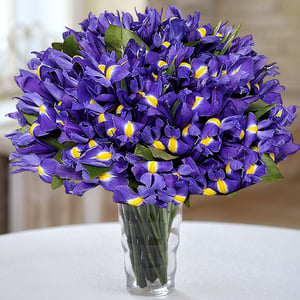
Fun fact: Michigan also has a separate state wildflower — the dwarf lake iris (Iris lacustris), designated in 1988. The dwarf lake iris is a rare, federally threatened species found along the northern Great Lakes shoreline. The apple blossom remains the official state flower, and the dwarf lake iris holds its own distinct category.
Michigan state bird and flower — a symbolic pair
You'll often see people searching for the Michigan state bird and flower together, and for good reason — the two symbols share a beautiful ecological connection.
Michigan's state bird is the American robin (Turdus migratorius). Michigan designated the robin as the official state bird in 1931, more than three decades after the apple blossom became the state flower.
Here's what I love about this pairing: both the robin and the apple blossom are unmistakable signs of spring in Michigan. Robins return to the state from their southern wintering grounds right around the time apple buds begin to swell. During bloom season, robins frequently perch in apple trees, hunting insects attracted to the blossoms. The image of a red-breasted robin sitting in a cloud of pinkish-white apple blossoms is about as "Michigan spring" as it gets.
For a fuller picture of Michigan's state symbols, here are a few more worth knowing:
State tree: eastern white pine — designated in 1955, honoring Michigan's historic lumber industry.
State fish: brook trout — designated in 1988, reflecting the state's world-class freshwater fishing.
State stone: Petoskey stone — designated in 1965, a fossilized coral unique to Michigan's northern shoreline.
State reptile: painted turtle — designated in 1995, a common sight on Michigan lakes and ponds.
When and where apple blossoms bloom in Michigan
Apple blossoms in Michigan typically bloom from late April through mid-May, though the exact timing depends on where you are in the state. Southern Michigan orchards tend to bloom a week or two earlier than orchards in the northern regions.
The best places to see apple blossoms include Michigan's prime apple-growing regions:
Southwest Michigan — the area around Benton Harbor and South Haven is one of the state's most productive apple corridors.
Traverse City area — known primarily for cherries, the region also supports apple orchards with spectacular spring blooms.
Leelanau Peninsula — a scenic stretch of farmland and orchards with stunning views of Lake Michigan.
The lake effect from Lake Michigan plays a critical role here. The lake moderates spring temperatures, keeping orchards slightly cooler in early spring (which prevents premature budding) and slightly warmer in fall. This microclimate creates ideal growing conditions for apple trees.
One thing to keep in mind: each individual apple tree only flowers for about 7 to 10 days. A sudden cold snap or a heavy rainstorm can shorten that window even further. Check local orchard websites or social media pages for real-time bloom updates before planning a visit.
Symbolism and meaning of the apple blossom
Apple blossoms carry rich symbolic weight that goes well beyond Michigan's borders. The flower represents renewal, fertility, hope, and the promise of abundance — after all, every apple blossom holds the potential to become a fruit.
In the Victorian language of flowers, the apple blossom carried a specific romantic message: "I prefer you above all." That's a surprisingly bold declaration from such a delicate flower, and I find it fascinating that Victorian-era suitors used these blossoms to express deep preference without saying a word.
For Michigan specifically, the apple blossom represents agricultural heritage and the kind of resilience that defines the state's character. The blooms emerge after long, harsh winters — a reminder that beauty and productivity follow patience.
Apple blossoms also appear in floral design: wedding bouquets, spring table arrangements, and celebratory centerpieces. The soft pink-and-white palette and the romantic symbolism make apple blossoms a natural fit for spring weddings and Mother's Day celebrations.
Looking for romantic flowers?
Browse romantic flowers from local florists and pick one that suits the moment.
How to grow apple trees (and enjoy apple blossoms) in your Michigan garden
Growing apple trees in Michigan is absolutely doable — the state's climate is practically designed for it. Here are the key steps to get blossoms (and fruit) in your own backyard.
Choose the right variety
Select apple varieties suited to Michigan's USDA hardiness zones 4–6. Excellent choices include Honeycrisp, Gala, Fuji, McIntosh, and Northern Spy. Each of these varieties produces abundant, beautiful spring blossoms.
Pick a sunny spot
Apple trees need at least 6 to 8 hours of direct sunlight daily. Avoid planting in low-lying areas where cold air settles — these frost pockets can damage spring blossoms.
Plant at the right time
Put bare-root trees in the ground in early spring before the buds break. Container-grown trees can also go in the ground in late fall, giving the roots time to establish before winter.
Ensure good drainage
Apple trees hate wet roots. Sandy loam soil with a pH between 6.0 and 7.0 works best. Amend heavy clay soil with compost to improve drainage.
Water deeply but infrequently
Give young trees about 1 inch of water per week during the growing season. Deep, infrequent watering encourages roots to grow downward rather than staying shallow.
Prune in late winter
Remove dead, crossing, or inward-growing branches in February or early March, before spring growth begins. Pruning improves airflow through the canopy and encourages healthier, more abundant blooms.
Plant two varieties for cross-pollination
Most apple trees need a different variety planted nearby to produce full blooms and fruit. Place two compatible varieties within about 50 feet of each other for best results.
Apple blossom festivals and celebrations in Michigan
Michigan's apple blossom season inspires some genuinely wonderful community celebrations. The most notable is the Blossomtime Festival in Benton Harbor and St. Joseph. Running since 1906, the Blossomtime Festival is one of Michigan's oldest and most beloved annual events. The festival features a grand floral parade, orchard tours, blossom-viewing drives through the countryside, and local food events showcasing Michigan apples.
The Traverse City area also hosts spring celebrations that coincide with fruit-tree blooming season. Orchards often open their doors for tours and tastings during peak bloom weeks.
The best time to catch these festivals and events is late April through mid-May. Check local event calendars and orchard social media pages for specific dates each season.
Here's a connection worth noting: Mother's Day — the second Sunday in May — falls right in the heart of apple blossom season. That overlap makes it a perfect time to send spring-inspired bouquets to someone you love in Michigan.
Sending flowers to celebrate Michigan's floral heritage
While you can't exactly tuck a branch of apple blossoms into an envelope, you absolutely can send stunning spring arrangements that capture the spirit of Michigan's floral identity.
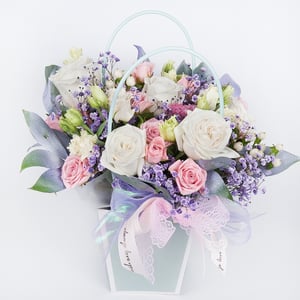
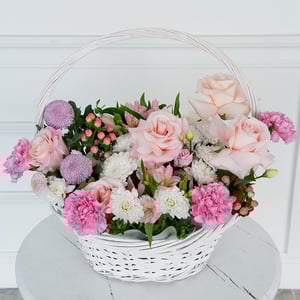
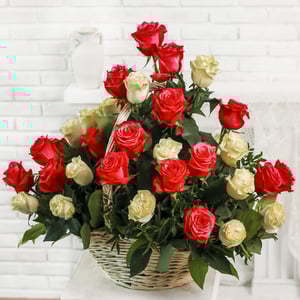
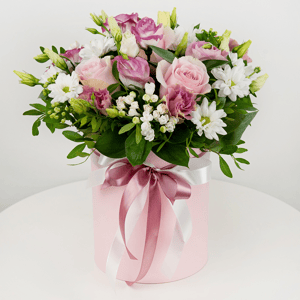
MyGlobalFlowers connects you with local florists in Michigan who hand-craft fresh bouquets using seasonally available flowers. Each local florist selects the freshest blooms on hand, so your arrangement reflects the energy of the current season. The bouquet may vary slightly from the website image — and honestly, that's one of the best things about artisan floral work. You're getting a one-of-a-kind arrangement, not a factory-assembled product.
The delivery cost is calculated at checkout based on your recipient's location, so you'll know the total before you confirm your order.
Great occasions for flower delivery in Michigan include:
Mother's Day — the second Sunday in May, perfectly timed with apple blossom season.
Graduation season — May and June bring commencements across Michigan's universities and high schools.
Memorial Day — the last Monday in May, a meaningful time to honor loved ones with flowers.
Birthdays and anniversaries — celebrations that happen year-round and always deserve fresh blooms.
Just because — sometimes the most meaningful flowers arrive with no occasion at all.

Common mistakes when caring for fresh-cut flowers (and how to avoid them)
Once your beautiful spring bouquet arrives, you want those flowers to last. Here are the most common fresh-cut flower care mistakes — and simple fixes for each.
Skipping the stem trim
Cut 1 to 2 inches off the stems at a 45-degree angle before placing flowers in water. Re-trim every 2 to 3 days. The angled cut increases the surface area for water absorption.
Using the wrong water temperature
Use lukewarm water — around 100°F to 110°F. Lukewarm water travels up the stems faster than ice-cold water, helping flowers hydrate quickly.
Forgetting to change the water
Swap out the vase water every 2 days. Bacteria multiply fast in standing water, and bacterial buildup clogs stems and shortens flower life dramatically.
Placing flowers in direct sunlight or near fruit
Keep your vase away from sunny windowsills and fruit bowls. Sunlight accelerates wilting. Ripening fruit releases ethylene gas, which causes flowers to age faster.
Ignoring the flower food packet
Use the small packet that comes with your bouquet. Flower food contains sugar for energy, an acidifier to improve water uptake, and a mild antibacterial agent to keep water clean.
Overcrowding the vase
Give stems room to breathe. Remove any foliage sitting below the waterline — submerged leaves decompose and breed bacteria.



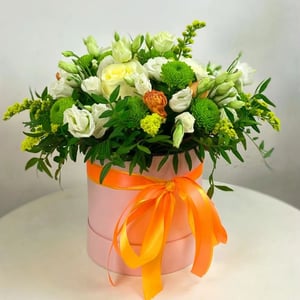
A flower that tells Michigan's story
The Michigan state flower isn't just a pretty bloom on a legislative list. The apple blossom connects Michigan's agricultural past to its present-day identity — from the orchards that built communities along Lake Michigan to the festivals that still draw thousands of visitors every spring. I honestly think there's something deeply satisfying about a state flower that also produces one of the world's favorite fruits. The apple blossom doesn't just look beautiful. The apple blossom works.
Next spring, consider visiting a Michigan orchard during bloom week. Stand under those canopies of pinkish-white petals, listen to the bees, and take a breath. Or, if you can't make the trip, send a spring bouquet to someone who calls the Great Lakes State home.
Browse spring bouquets for delivery in Michigan at MyGlobalFlowers and bring a little blossom energy to someone's day.
Send flowers today
Choose a bouquet, add a message, and a local florist hand-delivers it.