 EUR
EUR
 GBP
GBP
 CAD
CAD
 AUD
AUD

 ✨Boss’s Day✨
 Birthday
 Same Day
 Occasions
 Flowers
 Roses
Roses
 Plants
 Gifts
Gifts
 International Flower Delivery
Low Light Indoor Plants
That dark hallway corner you've been ignoring? It's actually prime real estate for the right low light indoor plants. Here's a number that might surprise you: roughly 80 percent of US apartments have at least one room that never gets direct sunlight. North-facing windows, basement units, cubicles lit only by fluorescent tubes — these spaces feel like plant graveyards. But honestly, dozens of gorgeous species not only survive in dim conditions but genuinely thrive there.
In this guide, you'll learn which plants handle low light like champs, how to pick the right one for your bathroom, office, living room, or shaded patio, and how to avoid the mistakes that quietly kill most shade-dwelling houseplants. Whether you're shopping for yourself or hunting for a living gift that lasts longer than a bouquet, you'll walk away with a real action plan. (Speaking of gifts — MyGlobalFlowers, an international flower and plant delivery service, works with local florists around the world to hand-deliver potted plants and green arrangements, so keep that option in your back pocket for birthdays and housewarmings.)
Let's dig in.
Give a gift that keeps growing
Potted plants and green arrangements, hand-delivered by local florists.
What "low light" actually means (and why it's not total darkness)
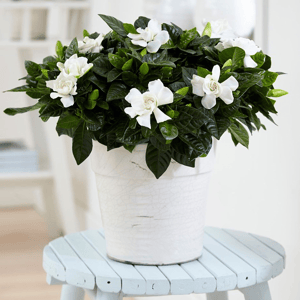
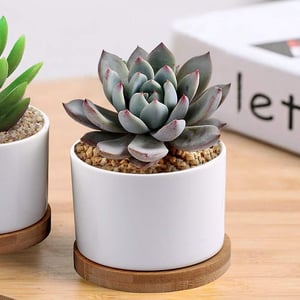
Before you buy a single plant, you need to understand what low light plants actually require. "Low light" doesn't mean "no light." Every plant needs some photons to photosynthesize — that's just biology. When plant shops label something a "low light plant," they mean it tolerates significantly less light than most species, not that it can live in a closet.
Here's a practical breakdown of shade categories:
- ✗Partial shade plants receive 2–4 hours of indirect sunlight, or dappled light through a sheer curtain. Think: a room with an east-facing window, a few feet from the glass.
- ✗Full shade plants get less than 2 hours of indirect light per day. A north-facing room with one small window qualifies.
- ✗Deep shade plants survive in the dimmest conditions — interior hallways, corners far from any window, or the floor under a dense tree canopy outdoors.
- ✗Very low light plants occupy that overlap between full shade and deep shade. ZZ Plants and Cast Iron Plants fall here.
So when you see the phrase "plants that don't need sun," read it as "plants that don't need direct sun." Ambient room light, reflected light from a white wall, or even bright artificial lighting can keep these plants alive. But true pitch darkness? Nothing survives that long-term.
Best low light indoor plants — the proven performers

These are the best low light indoor plants that have earned their reputation through years of surviving neglect, dim apartments, and forgetful waterers. I've grouped the best low light plants by personality so you can find the right match for your space and lifestyle. Every single one qualifies as a shade loving plant.
Snake Plant (Dracaena trifasciata)
The Snake Plant is the undisputed champion of neglect. It stores water in its thick, upright leaves, so it goes weeks without a drink. Snake Plants tolerate everything from bright indirect light to deep shade, though growth slows noticeably in the dimmest spots. Height ranges from 8 inches for dwarf varieties up to 4 feet for tall cultivars like 'Laurentii.'
Place a Snake Plant in a bedroom, hallway, or office — it doesn't care. Water only when the soil dries out completely, which could be every 2–3 weeks in low light. Honestly, this one's underrated as a design element. Those architectural, sword-shaped leaves look almost sculptural against a plain wall.
ZZ Plant (Zamioculcas zamiifolia)
The ZZ Plant grows thick, waxy leaves on arching stems that look polished even without any maintenance. ZZ Plants handle very low light better than almost any other houseplant, thanks to chunky rhizomes underground that store water and nutrients. A mature ZZ Plant reaches 2–3 feet tall and wide.
This is my go-to pick for anyone who says "I kill every plant I touch." Water ZZ Plants once every 3–4 weeks in low light. Overwatering is the only real threat. Place a ZZ Plant in a windowless bathroom, a cubicle, or that dark corner behind the couch — it adapts without complaint.
Pothos (Epipremnum aureum)
Pothos vines are the starter plant that everyone eventually falls in love with. Pothos varieties tolerate low light gracefully, though the golden or neon variegation may fade to solid green in the dimmest spots. Trailing stems can reach 6–10 feet indoors, making Pothos ideal for shelves, hanging baskets, or training across a bookcase.
Water Pothos when the top inch of soil feels dry — roughly every 7–10 days in moderate light, less often in shade. The leaves visibly droop when thirsty, then perk back up within hours after watering. That built-in alert system makes Pothos incredibly beginner-friendly.
Cast Iron Plant (Aspidistra elatior)
The name says it all. Cast Iron Plants survive dark corners, inconsistent watering, temperature swings, and even drafty entryways. Cast Iron Plants grow slowly — about 2 feet tall and wide at maturity — but the arching, deep green leaves look lush year-round. You'll find Cast Iron Plants thriving in Victorian-era homes in England and shaded Southern porches across the US.
Water sparingly. Let the soil dry out between waterings. The only thing that reliably kills a Cast Iron Plant is soggy roots.
Parlor Palm (Chamaedorea elegans)
Parlor Palms bring tropical vibes to dim rooms. Victorian parlors — famously dark, heavy-curtained rooms — are literally where this palm got its common name. Parlor Palms reach 3–4 feet indoors and prefer consistent moisture without waterlogging. Place a Parlor Palm in a north-facing living room or a shaded office corner.
Keep the soil lightly moist, and mist the fronds occasionally to prevent brown tips. Direct sun actually burns the delicate leaves, so shade is this palm's friend.
Peace Lily (Spathiphyllum)
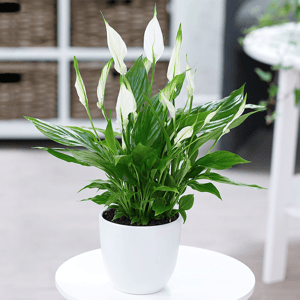
The Peace Lily is one of the few flowering plants for shade that blooms reliably indoors. White spathes appear in spring and sometimes again in fall, even in rooms with only indirect light. Peace Lilies range from compact 12-inch varieties to statement-sized 3-foot specimens.
Peace Lilies love humidity, making them outstanding low light bathroom plants. Water when the top inch of soil dries. The leaves droop dramatically when thirsty — don't panic, just water and watch the recovery happen in real time. I always find it surprising how forgiving Peace Lilies are despite their elegant appearance.
Chinese Evergreen (Aglaonema)
Chinese Evergreen varieties come in stunning color combinations — silver, pink, red, and green. The solid green cultivars handle the lowest light levels. Chinese Evergreens grow 1–3 feet tall and wide, forming bushy, table-friendly shapes. Place a Chinese Evergreen on a desk, a bathroom counter, or a side table far from the window.
Water when the soil partially dries. Avoid cold drafts — Chinese Evergreens dislike temperatures below 60°F.
Heartleaf Philodendron (Philodendron hederaceum)
Heartleaf Philodendrons trail and climb with equal enthusiasm. The heart-shaped, glossy leaves cascade beautifully from a hanging basket or climb a moss pole toward the ceiling. Heartleaf Philodendrons tolerate low light well, though the vines may stretch a bit more between leaves in very dim spots.
Water when the top inch dries. Pinch the vine tips periodically to encourage bushier growth instead of long, leggy stems.
Bird's Nest Fern (Asplenium nidus)
Bird's Nest Ferns bring a rippled, rosette shape that looks completely different from every other plant on this list. The bright green, crinkled fronds unfurl from a central "nest." Bird's Nest Ferns prefer medium to low indirect light and thrive in humid environments. Height: about 1–2 feet.
Keep the soil consistently moist but never soggy. Avoid pouring water into the central rosette — pour around the edges instead. A steamy bathroom is paradise for this fern.
Calathea / Prayer Plant
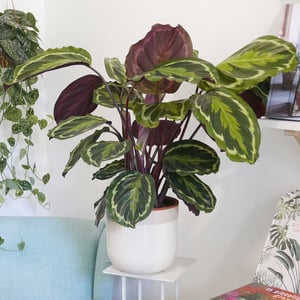
Calatheas display some of the most ornate leaf patterns in the plant world — stripes, spots, and two-tone undersides in purples and pinks. Calatheas fold their leaves upward at night (hence "Prayer Plant") and open again in the morning. Calatheas tolerate low to medium indirect light, but they demand higher humidity than most houseplants.
Use filtered water — Calatheas are sensitive to chlorine and fluoride. Mist regularly or place the pot on a pebble tray filled with water. Keep the soil lightly moist. Fair warning: Calatheas can be diva-level fussy, but the foliage is worth the effort.
Peperomia
Peperomia varieties number in the hundreds, and many handle low light beautifully. Compact, often under 12 inches, Peperomia plants work perfectly as desk companions, bathroom shelf accents, or windowsill fillers in north-facing rooms. Favorites include Peperomia obtusifolia (Baby Rubber Plant), Peperomia caperata (Ripple Peperomia), and Peperomia argyreia (Watermelon Peperomia).
Water when the soil dries almost completely. These are semi-succulent plants, so they handle underwatering far better than overwatering.
Dracaena (Janet Craig, Lisa Cane, Lemon Lime varieties)
Dracaena plants come in multiple shapes and sizes, and several varieties rank among the best shade plants for indoor use. Dracaena 'Janet Craig' produces glossy, dark green leaves and tolerates very low light. Dracaena 'Lisa Cane' looks more compact and architectural. Dracaena 'Lemon Lime' adds a pop of chartreuse edging but needs slightly more light to maintain that color.
These plants grow 3–6 feet indoors over time. Water when the top 2 inches of soil dry out. Brown leaf tips usually signal overwatering or fluoride sensitivity — use filtered water when possible.
Tall indoor plants for low light — making a statement in dark corners
Tall indoor plants for low light fill vertical space without hogging a windowsill. Large low light indoor plants anchor a room the way a piece of furniture does — instantly making a dim corner feel intentional instead of forgotten. Here are the tall shade plants that actually deliver.
- Kentia Palm (Howea forsteriana) — grows 5–7 feet indoors, tolerates low light and low humidity, and looks effortlessly elegant. Kentia Palms grow slowly, so buy the size you want now.
- Bamboo Palm (Chamaedorea seifrizii) — reaches 4–6 feet, handles shade, and adds a feathery, tropical texture. Bamboo Palms prefer lightly moist soil.
- Dracaena Marginata — the dramatic, spiky silhouette reaches 5–8 feet indoors. Dracaena Marginata tolerates low light, though growth slows considerably. Water infrequently.
- Mass Cane / Corn Plant (Dracaena fragrans) — reaches 4–6 feet with thick, cane-like stems. Mass Cane plants handle low light and infrequent watering without drama.
- Lisa Cane (Dracaena 'Lisa') — a darker, more compact Dracaena variety that reaches 5–6 feet. Lisa Cane plants are favorites of interior designers because the dense, dark foliage looks sleek in modern spaces.
- Large Cast Iron Plant — a mature Cast Iron Plant in a 14-inch pot can reach 3 feet and spread wide, creating a lush, grounding presence in any dim corner.
Low light hanging plants — greenery from above
Low light hanging plants solve two problems at once: they bring green into dim spots, and they do it without taking up any floor or surface space. Hanging planters also position foliage closer to the ceiling, where ambient light tends to be slightly stronger.
Top picks for hanging in low light:
- Golden Pothos — the classic trailer. Vines cascade 6–10 feet and tolerate low light without complaint.
- Heartleaf Philodendron — similar trailing habit to Pothos, with slightly softer, more matte leaves.
- English Ivy (Hedera helix) — delicate, lobed leaves look beautiful spilling from a hanging pot. English Ivy prefers cooler temperatures and indirect light.
- String of Hearts (Ceropegia woodii) — dainty, heart-shaped leaves on wire-thin stems. String of Hearts tolerates lower light than most succulents, though very dim conditions slow its growth.
- Bird's Nest Fern in a hanging basket — the rosette shape looks striking from below, and the fern thrives in humid, shaded spots.
Low light bathroom plants — humidity lovers that skip the sun
Bathrooms are special environments for low light indoor plants. The humidity from daily showers mimics tropical conditions, but most bathrooms have small, frosted, or no windows at all. That combination — high humidity plus low light — suits a specific group of plants perfectly.
Best low light bathroom plants:
- Boston Fern — loves humidity, tolerates low light, and looks gorgeous on a bathroom shelf or hanging from the shower rod.
- Peace Lily — thrives in the steamy air and blooms even without direct sun.
- Calathea — the humidity-loving diva finally gets what it wants in a bathroom.
- Pothos — drape a Pothos vine along a bathroom shelf or across the top of the mirror frame.
- ZZ Plant — the most tolerant option for windowless bathrooms with only artificial light.
One practical tip: even the toughest low light bathroom plants benefit from an occasional "light vacation." Every 3–4 weeks, move the plant to a brighter spot in your home for a few days, then return it to the bathroom. This mini reset helps the plant keep producing new growth.
Low light office plants — green up your cubicle
Low light office plants face a unique challenge: fluorescent lighting instead of natural light. The good news? Many low light indoor plants photosynthesize just fine under office fluorescents, especially when desk lamps or overhead panels stay on 8–10 hours a day.
Best picks for the office:
- ZZ Plant — survives on fluorescent light alone and forgives a missed watering week.
- Snake Plant — compact varieties like 'Hahnii' fit neatly on a desk corner.
- Pothos — trail a vine along a cubicle divider for a living privacy screen.
- Chinese Evergreen — the bushy shape fits desktop planters, and the silver-patterned leaves brighten a dull workspace.
- Peperomia — small enough for even the most cluttered desk. Peperomia obtusifolia stays compact and doesn't need frequent attention.
Shade plants for outdoors — porches, patios, and garden beds



Here's the thing: low light isn't just an indoor problem. Shaded porches, north-facing patios, and garden beds under mature trees all need plants that perform without full sun. Most guides skip outdoor shade plants entirely, so let's fix that.
Best shade plants for pots on your porch
Shade plants for pots give you flexibility — you rearrange them with the seasons and bring them inside before the first frost.
- Hostas — the queen of shade gardens works beautifully in 12–16-inch containers. Hundreds of varieties range from miniature to giant.
- Heuchera (Coral Bells) — colorful foliage in plum, lime, amber, and silver tones. Heuchera plants thrive in 10–14-inch pots on a shaded porch.
- Ferns (outdoor varieties) — Autumn Fern and Japanese Painted Fern add texture in 10–12-inch pots.
- Impatiens — one of the best flowering plants for shade, delivering nonstop blooms from May through October in most US zones.
- Begonias — wax begonias and tuberous begonias both produce masses of flowers in partial to full shade.
Perennial plants for shade gardens
Perennial plants for shade come back year after year, building a more lush garden with each season. These shade garden plants reward patience.
- Astilbe — feathery flower plumes in pink, red, white, and purple. Astilbe blooms in early to midsummer and thrives in USDA zones 3–9.
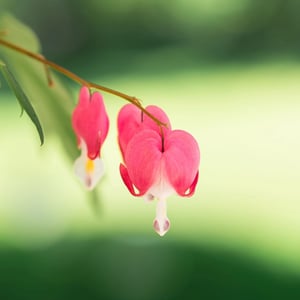
- Bleeding Heart (Dicentra) — iconic heart-shaped flowers dangle from arching stems in spring. Hardy in zones 3–9.
- Hellebore (Lenten Rose) — blooms as early as February, even in cold zones (3–9). Hellebores are among the few flowering perennials that love deep shade.
- Brunnera (Siberian Bugloss) — tiny blue forget-me-not-like flowers and large, silver-veined leaves. Hardy in zones 3–8.
- Hosta — arguably the most popular perennial plant for shade in North America. Hostas range from 6-inch miniatures to 4-foot giants and tolerate everything from partial shade to full shade.
Ground cover plants for shade
Ground cover plants for shade fill bare patches under trees, along shady walkways, and between stepping stones where grass won't grow.
- Creeping Jenny (Lysimachia nummularia) — fast-spreading, golden-green leaves that brighten dark areas. Can be aggressive, so contain it with edging.
- Pachysandra — a classic evergreen ground cover that forms a dense, weed-suppressing carpet in zones 4–8.
- Vinca Minor (Periwinkle) — glossy leaves, lavender-blue spring flowers, and reliable coverage in zones 4–9.
- Sweet Woodruff (Galium odoratum) — delicate white spring flowers and fragrant foliage. Sweet Woodruff thrives in zones 4–8.
- Ajuga (Bugleweed) — purple, bronze, or variegated foliage with blue flower spikes in spring. Ajuga spreads quickly in zones 3–10.
Evergreen plants for shade
Evergreen plants for shade provide year-round structure and color, which matters most in winter when deciduous plants go bare.
- Boxwood — dense, compact, and easy to shape. Boxwood handles partial to full shade in zones 5–9.
- Holly — glossy leaves and red berries add winter interest. Many holly varieties tolerate shade in zones 5–9.
- Rhododendron — stunning spring blooms and evergreen foliage. Rhododendrons prefer dappled shade and acidic soil in zones 4–8.
- Aucuba (Aucuba japonica) — gold-spotted leaves brighten the darkest garden corners. Hardy in zones 7–10.
- Skimmia — compact, dome-shaped shrub with fragrant spring flowers and red fall berries. Skimmia thrives in shade in zones 6–9.
Dry shade plants — the toughest of the tough
Dry shade is every gardener's worst nightmare: the spot under a mature tree where the canopy blocks rain and the roots steal soil moisture, or the area along a north-facing foundation under a roof overhang. Most plants sulk in dry shade. These don't.
- Epimedium (Barrenwort) — delicate flowers in spring, heart-shaped leaves that form a wiry ground cover. Drought-tolerant once established.
- Liriope (Lilyturf) — grass-like clumps with purple flower spikes in late summer. Liriope handles dry shade, heat, and neglect in zones 5–10.
- Solomon's Seal (Polygonatum) — arching stems with dangling white bell flowers in spring. Solomon's Seal thrives under trees once its roots settle in.
- Dead Nettle (Lamium) — silver-and-green leaves with pink or white flowers. Dead Nettle spreads as a ground cover in dry shade across zones 3–8.
- Bergenia (Pigsqueak) — large, leathery leaves and pink spring flowers. Bergenia handles dry shade, poor soil, and cold winters in zones 3–8.
Flowering plants for shade — color without full sun
You don't need a sun-drenched garden to enjoy blooms. The best flowering plants for shade deliver weeks — sometimes months — of color. Here's a seasonally organized guide so you can plan continuous flowers from spring through fall.
Spring bloomers
- Bleeding Heart — pink or white heart-shaped blooms from April to June. Thrives in partial to full shade. Works in pots too.
- Hellebore — blooms February through April in shades of white, pink, purple, and green. One of the earliest shade flowers to appear.
- Foxglove (Digitalis) — tall flower spikes in purple, pink, white, and yellow. Foxglove grows 3–5 feet and thrives in partial shade. Note: all parts are toxic, so keep away from pets and children.
Summer bloomers
- Astilbe — fluffy plumes in pink, red, white, and lavender from June through August. Astilbe is one of the most reliable perennial flowering plants for shade.
- Impatiens — nonstop flowers from late spring through first frost. Impatiens are the go-to annual for full shade gardens and work beautifully in pots.
- Begonias — tuberous begonias produce rose-like blooms all summer in partial shade. Wax begonias handle full shade and bloom until frost.
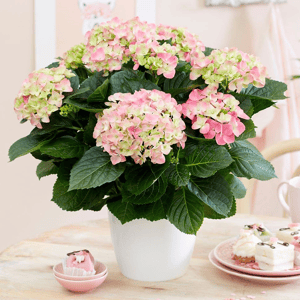
- Hydrangea — several varieties, including Hydrangea macrophylla and Hydrangea quercifolia (Oakleaf Hydrangea), bloom in partial shade. The blue, pink, or white flower clusters can reach 10–12 inches across.
Fall bloomers
- Camellia — glossy, evergreen leaves and waxy flowers in white, pink, and red. Fall-blooming Camellia sasanqua varieties thrive in partial shade in zones 7–10.
- Japanese Anemone — elegant pink or white flowers on tall stems from September through October. Japanese Anemones love partial shade in zones 4–8.
Picture this: a shaded garden bed with Hellebores blooming in March, Astilbe taking over in June, and Camellias closing out the season in October. Continuous color, zero full sun required.
Climbing plants for shade — vertical green without bright sun
Climbing plants for shade transform bare fences, trellises, and walls into living green screens. Most climbing plants are associated with sunny spots, but these handle shade with real grace.
- English Ivy (Hedera helix) — the most tenacious shade climber. English Ivy clings to brick, stone, and wood with aerial rootlets. Warning: English Ivy is invasive in many US regions (Pacific Northwest, Southeast). Manage it aggressively or use a container.
- Climbing Hydrangea (Hydrangea petiolaris) — large white lacecap flowers in early summer on a vine that eventually covers entire walls. Climbing Hydrangea is slow to establish but spectacular once mature. Zones 4–8.
- Virginia Creeper (Parthenocissus quinquefolia) — five-leaflet foliage turns brilliant red in autumn. Virginia Creeper climbs quickly and tolerates full shade. Native to eastern North America.
- Shade-tolerant Jasmine (Trachelospermum jasminoides, Star Jasmine) — fragrant white flowers in late spring. Star Jasmine handles partial shade in zones 8–10, though it blooms more heavily with some morning light.
- Honeysuckle (Lonicera) — several species tolerate partial shade. Japanese Honeysuckle is invasive in the eastern US, so choose native varieties like Coral Honeysuckle (Lonicera sempervirens) instead.
Mount trellises or wire supports 2–4 inches away from walls to allow airflow behind the vines. This spacing prevents moisture buildup and reduces the risk of mildew on both the plant and the wall surface.
How to care for low light plants — practical tips that actually work
Give a gift that keeps growing
Potted plants and green arrangements, hand-delivered by local florists.
Owning low light indoor plants is different from owning sun-loving ones. The rules change when photons are scarce. Here's what you need to know — not generic advice, but adjustments specific to low-light conditions.
Watering rules for low light conditions
Less light means slower photosynthesis. Slower photosynthesis means slower growth. Slower growth means the plant uses less water. You see where this is going.
In low light, soil stays moist much longer than in a bright window. The number one killer of low light plants is overwatering — roots sit in wet soil, oxygen disappears, and root rot sets in silently. Use the finger test: stick your finger 2 inches into the soil. Still damp? Walk away. Dry? Water thoroughly until liquid drains from the bottom of the pot.
By the way, watering "thoroughly but infrequently" beats "a little splash every few days." Deep watering flushes salts from the soil and encourages roots to grow downward.
Soil and drainage
Well-draining potting mix matters even more in low light because excess moisture lingers. Add perlite or pumice to standard potting soil — a 70/30 mix of potting soil to perlite works well for most low light plants. Always use pots with drainage holes. Decorative cache pots without holes look great, but remove the inner nursery pot to water, let it drain fully, then place it back inside.
Fertilizing low light plants
Low maintenance shade plants need less fertilizer because slower growth means lower nutrient demand. Feed once a month during spring and summer using a balanced liquid fertilizer diluted to half strength. Skip fertilizing entirely in fall and winter — most low light plants enter a semi-dormant period when days shorten.
Over-fertilizing in low light causes salt buildup in the soil, which burns roots and leads to brown leaf tips.
Rotating and cleaning leaves
Rotate pots a quarter turn every week. In low light, plants lean hard toward whatever light source exists. Regular rotation keeps growth even and prevents a lopsided silhouette.
Wipe leaves with a damp cloth once a month. Dust accumulates faster than you'd expect, and a layer of dust blocks the little light your plant does receive. Clean leaves photosynthesize more efficiently — this simple habit makes a noticeable difference over time.
Signs your plant needs more light
Watch for these red flags:
- ✓Leggy, stretched stems reaching toward the nearest window.
- ✓New leaves growing significantly smaller than older leaves.
- ✓Variegated leaves reverting to solid green (the plant sacrifices its pattern to maximize chlorophyll).
- ✓No new growth for months during the active growing season (spring and summer).
- ✓Pale, washed-out leaf color.
Any of these signals means you need to move the plant closer to a light source, add a grow light, or swap the plant for a more shade-tolerant species.
One thing competitors rarely mention: seasonal light changes. A spot that gets decent indirect light in June might receive almost none in December, especially in northern US states. The sun's angle drops, days shorten, and your "medium light" corner becomes a "very low light" corner for 3–4 months. Check your light levels in winter and consider supplemental grow lights or temporary relocation to a brighter room.
Common mistakes with low light plants (and how to avoid them)
Even experienced plant parents make these errors. Knowing them ahead of time saves you from watching a perfectly good plant slowly decline.
- ✗Confusing "low light" with "no light." A closet is not a planter. Every plant needs some light. Rooms with at least some ambient daylight or bright artificial lighting qualify. Rooms with zero light source do not.
- ✗Overwatering because the soil stays moist longer. This is the mistake. Check soil moisture before every watering — never water on autopilot.
- ✗Placing shade plants in drafty spots near AC vents or heating ducts. Constant blasts of dry, hot, or cold air stress even the toughest plants. Position pots at least 3 feet from vents.
- ✗Choosing variegated varieties for the darkest corners. Variegation requires more light to maintain. In deep shade, a variegated Pothos turns solid green, a Calathea 'White Fusion' fades, and a variegated Snake Plant loses its yellow edges. Pick solid green cultivars for the dimmest spots.
- ✗Ignoring seasonal light changes. Your bright-ish room in July may be genuinely dark in December. Reassess light levels twice a year — once in midsummer, once in midwinter — and move plants accordingly.
- ✗Using too large a pot. Excess soil around a small root ball retains moisture for too long, suffocating roots and inviting rot. Choose a pot only 1–2 inches wider in diameter than the current root ball.
Gifting plants — a living alternative to cut flowers
A cut bouquet is beautiful, but it lasts a week. A potted plant lasts years — sometimes decades — and reminds the recipient of you every time a new leaf unfurls. Potted plants and green arrangements make thoughtful gifts for housewarmings, Mother's Day, get-well wishes, office congratulations, and sympathy occasions.
MyGlobalFlowers works with local florists who hand-assemble and hand-deliver plants and arrangements. Because everything stays local — florists source and deliver within their own area — freshness is guaranteed. Each arrangement may vary slightly from website photos depending on local availability, and honestly, that's a feature, not a bug. You're getting artisan-quality work, not factory clones. The delivery cost is calculated at checkout based on your recipient's location.
A Snake Plant for a friend's new apartment. A Peace Lily for a coworker going through a tough time. A lush green arrangement for Thanksgiving at your parents' house. These are gifts that keep giving oxygen — literally.
Conclusion
Every home has at least one dim spot that feels like wasted space. A corner behind the sofa. A bathroom with no window. A north-facing kitchen counter. Those spots aren't dead zones — they're opportunities.
Start with one plant. Something forgiving, like a ZZ Plant or a Pothos. Put it in the darkest corner you've been ignoring. Water it when the soil dries. Wipe the leaves once a month. Watch what happens. Within a few weeks, that corner will feel different — warmer, more alive, more intentional.
Once the first plant settles in, you'll want a second. Then a hanging one. Then a tall one for the hallway. That's how it works — low light plants have a quiet way of multiplying once you realize how easy they are.
Explore more plant care guides and flower inspiration on the MyGlobalFlowers blog, and when you're ready to send a little green to someone you care about, browse plant gifts and green arrangements at MyGlobalFlowers.
Frequently asked questions
What is the best indoor plant for a room with no windows?▾
The ZZ Plant handles windowless rooms better than almost any other houseplant, provided the room has artificial lighting (overhead fluorescents, desk lamps, or LED panels) turned on for at least 8–10 hours a day. Snake Plants and Pothos are strong runners-up. No plant survives in complete darkness permanently, so some form of light — natural or artificial — is essential.
Can low light plants survive on artificial light alone?▾
Yes. Many low light plants photosynthesize effectively under standard fluorescent office lights or LED bulbs. Keep the lights on for 10–12 hours daily to compensate for the lower intensity compared to natural sunlight. Full-spectrum grow lights work even better and cost as little as $15–$25 USD.
How often should you water low light indoor plants?▾
There's no universal schedule because watering frequency depends on the plant species, pot size, humidity, and temperature. As a general rule, check the soil every 7–10 days. Water only when the top 1–2 inches feel dry. In low light, most plants need water far less often than their bright-light counterparts — overwatering is the biggest risk.
What are the best large floor plants for low light?▾
Kentia Palm, Mass Cane (Corn Plant), Dracaena 'Lisa Cane,' and Bamboo Palm all reach 4–7 feet and handle low light conditions. Avoid Fiddle Leaf Fig and Bird of Paradise for dim rooms — both need bright indirect light despite common recommendations.
Do low light plants purify air?▾
NASA's famous Clean Air Study found that several low light plants — including Peace Lily, Pothos, and Snake Plant — remove volatile organic compounds from indoor air. However, recent research suggests you'd need a very large number of plants to make a measurable difference in a typical room. Enjoy the mental health and aesthetic benefits first, and consider air purification a bonus.
Which low light plants are safe for pets?▾
Parlor Palm, Calathea (Prayer Plant), Peperomia, and Bird's Nest Fern are non-toxic to cats and dogs. Avoid Pothos, Peace Lily, Snake Plant, ZZ Plant, and Philodendron around pets that chew on foliage — all contain compounds that cause oral irritation or digestive upset. The ASPCA maintains a searchable database of toxic and non-toxic plants at aspca.org.