 EUR
EUR
 GBP
GBP
 CAD
CAD
 AUD
AUD

 ✨Boss’s Day✨
 Birthday
 Occasions
 Same Day
 Flowers
 Roses
Roses
 Plants
 Gifts
Gifts
 International Flower Delivery
Marigold Meaning
- 🌼 Marigold meaning centers on grief, joy, and resilience — the same flower honors the dead in Mexico and celebrates weddings in India.
- 📅 October claims the marigold as its birth flower, and Día de los Muertos (November 1–2) drives the strongest cultural association in the U.S.
- 🎨 Gold marigolds signal warmth and success, red ones express passion and courage, and yellow ones carry undertones of jealousy in Victorian-era language.
Marigold meaning stretches back over 3,000 years to the Aztec civilization, where healers used the flower in sacred rituals and herbal remedies. You'll find marigolds in Hindu wedding garlands, on Mexican altars during Día de los Muertos, and along garden borders across every U.S. state. Understanding marigold flower meaning gives you a richer vocabulary for gift-giving, gardening, and honoring cultural traditions. This guide breaks down the symbolism, color codes, cultural roots, and practical uses you need to pick the right marigold for every occasion.
Marigold flower meaning: a quick breakdown
Marigold flower meaning shifts depending on who you ask, where you are, and what color you hold. At its core, the marigold speaks to strong emotions — love, loss, creativity, and determination. The genus name Tagetes comes from Tages, an Etruscan deity of wisdom who, according to Roman legend, sprang from a plowed field. The English word "marigold" likely fuses "Mary's gold," a nod to the Virgin Mary in medieval Christian tradition.
- Here's what marigolds typically communicate:
- Joy and warmth — the sunny color palette mirrors optimism
- Grief and remembrance — families across Latin America place marigolds on graves
- Resilience and endurance — marigolds thrive in poor soil and intense heat
- Creativity and passion — artists and poets have referenced marigolds for centuries
- Protection — folk traditions in Europe and Asia treat marigolds as spiritual shields
Shakespeare referenced marigolds in The Winter's Tale (published 1623), calling them flowers "that go to bed wi' the sun, and with him rise weeping." That poetic duality — between brightness and sorrow — sits at the heart of marigold symbolism worldwide.

Marigold symbolism across cultures
Marigold symbolism gains new layers as the flower crosses borders. The same bloom you tuck into a Thanksgiving centerpiece in Ohio carries sacred weight at a temple in Varanasi, India. Let's walk through five distinct cultural lenses.
Marigold symbolism in Mexico and Latin America
Aztec communities cultivated marigolds (cempasúchil) at least 2,000 years before Spanish colonization. The Aztecs linked the flower to Mictlantecuhtli, the god of death. Today, Mexican families blanket graves and altars with orange marigolds during Día de los Muertos on November 1–2. The strong scent supposedly guides spirits back to the living world. Roughly 15,000 tons of cempasúchil sell each year in Mexico during the holiday season, according to reports from the Mexican Ministry of Agriculture.
You'll see Día de los Muertos celebrations in cities across the U.S. too — Los Angeles, San Antonio, and Chicago host some of the largest. Pick up fresh marigolds from a local florist to honor this tradition at home.
Marigold symbolism in India
Hindu ceremonies use marigold garlands — called genda phool — at nearly every major celebration. Wedding decorators string thousands of orange and yellow marigolds into door-frame garlands, mandap decorations, and welcome toran hangings. The flower honors Lakshmi, the goddess of wealth, and Ganesh, the remover of obstacles. During Diwali (the Festival of Lights, usually in October or November), families drape marigolds across homes and temples. India grows an estimated 675,000 metric tons of marigolds annually, making marigolds the country's second-most cultivated flower after roses.
Marigold symbolism in ancient Greece and Rome
Ancient Romans planted calendula marigolds (not Tagetes, but Calendula officinalis) and harvested them on the first day of each calendar month — the Latin word "calendae" gave calendula its name. Roman cooks added petals to cheese, butter, and soups. Greek herbalists recorded calendula's use in wound care, a practice modern research has partially validated. A 2013 study in the Journal of Clinical and Diagnostic Research found that calendula extract helped heal surgical wounds faster than petroleum jelly alone.
Marigold symbolism in Christianity
Medieval Christians named the flower "Mary's gold" and placed it on altars during festivals honoring the Virgin Mary. Artists in the 14th and 15th centuries — including early Flemish painters — depicted marigolds at Mary's feet in religious works. The golden color represented purity and divine light.
Marigold symbolism in China and East Asia
Chinese culture ties marigolds to longevity and good fortune. Families display the flowers during the Mid-Autumn Festival (September or October) and Lunar New Year celebrations. The golden petals echo the color of prosperity in Chinese tradition. In Thailand, devotees offer marigold garlands at Buddhist shrines, especially during Loy Krathong.


What different marigold colors mean
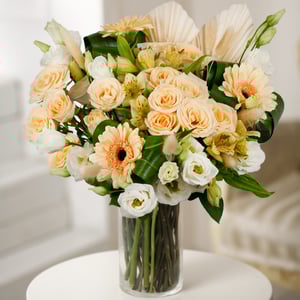
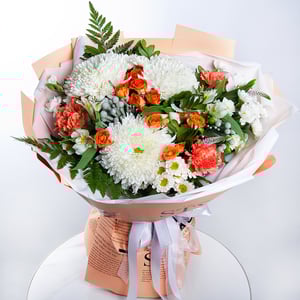
Marigold flower meaning changes with color. A pale yellow marigold says something quite different from a deep red one. Below is a color-by-color guide.
| Color | Primary meaning | Best occasion |
|---|---|---|
| Gold/Deep orange | Success, warmth, celebration | Graduations, promotions, Thanksgiving |
| Yellow | Optimism, but also jealousy (Victorian) | Friendship gestures, garden gifts |
| Red/Dark red | Passion, courage, romantic love | Anniversaries, Valentine's Day |
| White/Cream | Purity, remembrance, sympathy | Funerals, memorial tributes |
| Bicolor (striped) | Playfulness, creativity | Birthdays, housewarming parties |
Victorian-era "floriography" (the coded language of flowers, popular from the 1820s through 1900) assigned yellow marigolds a slightly negative connotation — jealousy and possessiveness. Modern American culture has mostly shed that meaning. Still, you might want to pair yellow marigolds with a warm note or card to remove any ambiguity.
Types of marigolds and what each one represents
Not all marigolds belong to the same species. The differences matter when you choose a bouquet or plant a garden bed.
African marigolds (Tagetes erecta)
African marigolds grow tall — up to 36 inches — and produce large, globe-shaped blooms. Despite the name, African marigolds originated in Mexico and Central America. Portuguese traders carried seeds to Africa in the 16th century. These marigolds symbolize grandeur and abundance. Plant African marigolds in full sun with at least 6 hours of direct light per day.
French marigolds (Tagetes patula)
French marigolds stay compact, topping out around 6–12 inches. The blooms carry two-tone patterns — reds, oranges, and yellows often swirl together. French marigolds symbolize creativity and charm. Gardeners across the U.S. love French marigolds as border plants because the roots release alpha-terthienyl, a compound that repels nematodes (soil-dwelling pests).
Signet marigolds (Tagetes tenuifolia)
Signet marigolds produce small, dainty flowers with an edible, citrus-like flavor. Restaurant chefs use signet petals as salad garnishes and cocktail toppers. Signet marigolds symbolize subtlety and grace. The plants grow about 12 inches tall and prefer well-drained soil.
Pot marigolds (Calendula officinalis)
Pot marigolds technically belong to a different genus — Calendula, not Tagetes. Still, most people call them marigolds. Herbalists have used calendula in salves, teas, and tinctures for over 800 years. Pot marigolds symbolize healing and protection. You'll find dried calendula petals in natural skincare products across the U.S.
Marigold as the October birth flower
Marigold claims the title of October's birth flower. That makes marigolds an obvious gift for birthdays falling between October 1 and October 31. The warmth of orange and gold mirrors the autumn palette — think hayrides, pumpkin patches, and falling leaves.
- Pair marigolds with cosmos (October's second birth flower) for a fuller arrangement. A local florist can build a seasonal bouquet that fits the fall mood. Here's a quick gifting cheat sheet for October birthdays:
- For a friend — bright yellow French marigolds with a lighthearted card
- For a parent — a potted African marigold arrangement that lasts weeks
- For a partner — deep red marigolds mixed with burgundy dahlias
- For a coworker — signet marigolds in a small desk vase
Looking for warm-toned blooms?
Browse arrangements from local florists and pick one that suits the occasion.
When to give marigolds: U.S. holidays and occasions
- Marigold symbolism aligns with several key dates on the American calendar. Here are six occasions where marigolds make a strong impression.
- Día de los Muertos (November 1–2) — orange cempasúchil for altars and grave decorations
- Thanksgiving (fourth Thursday of November) — gold marigolds in table centerpieces
- Mother's Day (second Sunday of May) — potted marigolds as a living, long-lasting gift
- Memorial Day (last Monday of May) — white or cream marigolds for remembrance
- Graduation season (May–June) — gold marigolds paired with sunflowers to celebrate success
- Housewarming parties — a flat of French marigold seedlings for the new garden

How to care for fresh marigolds after delivery
- You ordered marigolds. They arrived. Now keep them alive as long as possible. Follow these steps:
- Trim 1 inch off each stem at a 45-degree angle with sharp shears.
- Fill a clean vase with room-temperature water and one packet of flower food.
- Remove any leaves that sit below the waterline — submerged leaves breed bacteria.
- Place the vase away from direct sunlight, heating vents, and fruit bowls (fruit releases ethylene gas, which speeds wilting).
- Change the water every 2 days and re-trim the stems each time.
- Expect cut marigolds to last 7–10 days with proper care.
Climate note for the U.S.: If you live in a dry climate (Arizona, Nevada, parts of Texas), mist the petals lightly with a spray bottle once a day. Dry indoor air — especially during winter when central heating runs — dehydrates cut flowers faster.
For potted marigolds, water when the top inch of soil feels dry. Marigolds tolerate heat well but hate soggy roots. Set potted marigolds outdoors once nighttime temperatures stay above 50°F (typically late April through early May, depending on your USDA Hardiness Zone).
Common mistakes people make with marigolds
- Even experienced gardeners trip up. Here are four pitfalls and how to dodge each one.
- Overwatering potted marigolds. Marigolds evolved in semi-arid regions of Mexico. Waterlogged soil triggers root rot within days. Water only when the soil dries out slightly.
- Ignoring deadheading. Spent blooms steal energy from new growth. Pinch off faded flower heads at the base of the stem every 3–5 days. The plant responds by producing more flowers.
- Choosing the wrong variety for your space. African marigolds tower at 36 inches. French marigolds stay under 12 inches. Pick the species that fits your container, border, or garden bed before you buy.
Assuming all "marigolds" belong to the same family. Tagetes and Calendula look similar but behave differently. Calendula prefers cooler temperatures (60–70°F), while Tagetes thrives in summer heat above 80°F. Check the botanical name on the label.





Marigolds beyond the vase: food, medicine, and dye
Marigold meaning extends into practical, everyday uses that many people overlook.
Cooking. Signet marigold petals taste like citrus with a peppery kick. Farmers in parts of Peru and Mexico steep marigold petals into tea. Some U.S. craft breweries add calendula petals to wheat ales for color and a mild floral note.
Natural dye. Textile artists extract yellow and orange pigments from marigold petals. The process requires roughly 2 cups of fresh petals per quart of water, simmered for about 30 minutes. The result: warm, earthy tones on cotton and wool fabrics.
Skincare. Calendula-infused oils appear in balms, lip products, and diaper creams. The German Commission E (a scientific advisory board for herbal medicine) approved calendula topical use for wound healing back in 1986.
Companion planting. Marigolds deter aphids, whiteflies, and nematodes when planted near tomatoes, peppers, and squash. The University of Florida's IFAS Extension recommends French marigolds specifically for nematode suppression in vegetable gardens.
Your next move with marigolds
Marigold meaning never sits still. The same flower can say "I miss you" at a November altar and "congratulations" at a May graduation. That versatility sets marigolds apart from most blooms — and gives you real flexibility whenever you send or grow them.
Think about who you want to celebrate, comfort, or surprise this season. Pick the marigold color and variety that matches your intent. And honestly, even a single potted marigold on a doorstep can say more than a generic card ever could.
What will your marigolds say?
Send flowers today
Choose your bouquet, add a message, and let a local florist hand-deliver it.
FAQ
Are marigolds only associated with death?▾
No. Marigolds carry strong ties to joy, creativity, and resilience in many cultures. The death connection comes primarily from Mexican Día de los Muertos traditions. In India, marigolds celebrate weddings and festivals. Context and color shape the message.
Can you eat marigolds?▾
You can eat Tagetes tenuifolia (signet marigolds) and Calendula officinalis (pot marigolds). Both appear in salads, teas, and garnishes. Avoid eating marigolds treated with pesticides — always confirm the grower used food-safe practices.
What marigold color works best for a romantic gift?▾
Deep red or dark orange marigolds express passion and devotion. Pair red marigolds with roses or dahlias for a bolder romantic arrangement. Avoid yellow marigolds for romance — Victorian flower language links yellow to jealousy.
Why do marigolds smell so strong?▾
Tagetes marigolds contain terpenes, aromatic compounds that produce a sharp, musky scent. The smell repels garden pests like aphids and whiteflies. French marigolds tend to smell stronger than African or signet varieties.
When should I plant marigolds outdoors in the U.S.?▾
Plant marigold seeds or transplants after the last frost date in your area. Most U.S. zones can safely plant between late April and mid-May. Marigolds need soil temperatures above 65°F to germinate well. Check your local USDA Hardiness Zone for exact timing.
Do marigolds come back every year?▾
Most garden marigolds (Tagetes) grow as annuals in the U.S. — they complete their life cycle in one season. Calendula marigolds sometimes self-seed and return the following spring, especially in USDA Zones 8–11. You'll need to replant Tagetes varieties each year.