 EUR
EUR
 GBP
GBP
 CAD
CAD
 AUD
AUD

 ✨Boss’s Day✨
 Birthday
 Occasions
 Same Day
 Flowers
 Roses
Roses
 Plants
 Gifts
Gifts
 International Flower Delivery
Popular spring flowers to grow in your garden
Popular spring flowers transform bare yards into vibrant displays — and most of them need surprisingly little effort. Tulips, daffodils, and crocuses rank among the top 10 most-planted bulbs across USDA Zones 3 through 8. Whether you want a cutting garden or a simple border, this guide breaks down the best spring flowers to plant, their bloom windows, and practical tips that actually work in American soil and climate conditions.
What to know before you plant spring flowers
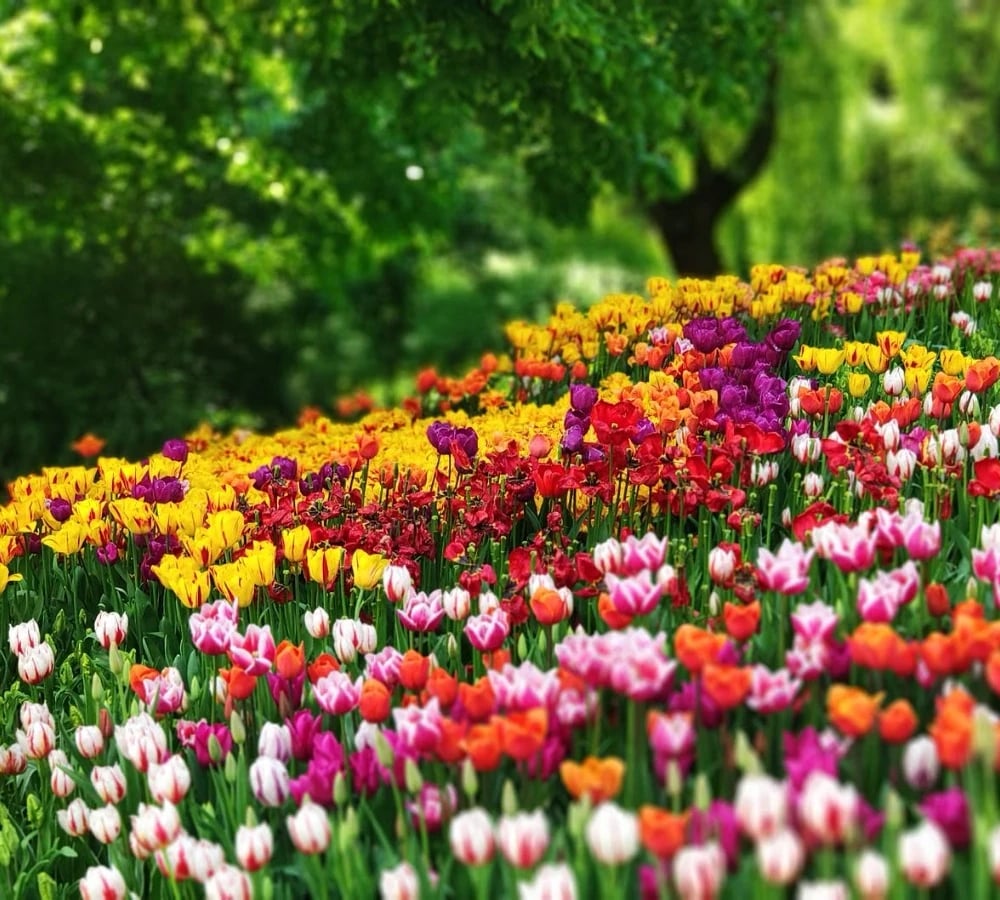
Popular spring flowers fall into two main camps: fall-planted bulbs and early-spring transplants. Tulips, daffodils, and hyacinths need 12 to 16 weeks of cold soil (below 45 °F) to develop roots, so gardeners in Zones 4–7 plant these bulbs between September and November. Pansies, snapdragons, and primroses go into the ground as transplants once nighttime temperatures stay above 25 °F.
Check your USDA Hardiness Zone before buying. A crocus bulb thrives in Zone 3, but a ranunculus corm rarely survives winters colder than Zone 7. Your local cooperative extension office publishes frost-date charts by ZIP code — use those dates to time every planting.
Common spring flowers by bloom time
Common spring flowers stagger their blooms from late February through June. Planting a mix gives you color for four straight months. Here's a quick reference:
| Bloom period | Flower | Height (inches) | USDA zones |
|---|---|---|---|
| Late Feb – March | Snowdrop | 3–6 | 3–7 |
| March – April | Crocus | 3–5 | 3–8 |
| March – April | Daffodil | 6–20 | 3–9 |
| April – May | Tulip | 10–24 | 3–8 |
| April – May | Hyacinth | 8–12 | 4–8 |
| April – May | Bleeding Heart | 24–36 | 3–9 |
| May – June | Peony | 24–36 | 3–8 |
| May – June | Lilac | 60–180 | 3–7 |
| May – June | Iris | 12–40 | 3–9 |
Best spring flowers for beginners
The best spring flowers for first-time gardeners forgive mistakes. Start with these five reliable performers.
- Daffodils — naturalize on their own, resist deer, and return for 5+ years without replanting.
- Crocuses — push through frozen ground as early as February in Zone 6 and need zero fertilizer.
- Pansies — tolerate frost down to 20 °F and bloom from March through May in most regions.
- Grape hyacinths — spread quickly, reach only 6 inches tall, and thrive in partial shade.
- Forsythia shrubs — produce yellow blooms on bare branches in March and grow up to 24 inches per year.
All five handle inconsistent watering. All five grow in average garden soil without amendments.
Spring flowers to plant now in your garden
Spring flowers to plant now depend on your current season. If you're reading this between September and November, grab bulbs. Tulip bulbs cost roughly $0.40 to $1.50 each at garden centers, and a bag of 25 daffodil bulbs typically runs $12 to $20.
For spring planting, choose transplants and bare-root perennials:
- Peonies (bare root) — plant in April, expect blooms the following May, and enjoy the plant for 50+ years.
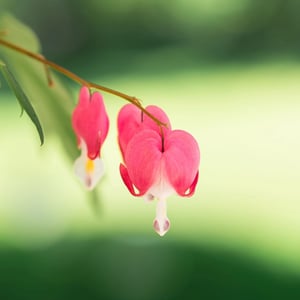
- Bleeding hearts (transplant) — set out after the last frost, and the arching stems reach 30 inches by late spring.
- Columbine (transplant) — place 4-inch pots 12 inches apart in dappled shade for blooms by May.
- Ranunculus (corms) — soak corms for 4 hours before planting and expect flowers in 90 days.
Looking for spring blooms without the digging?
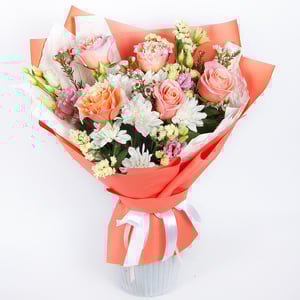
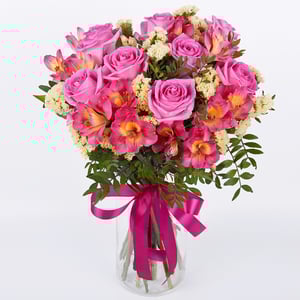
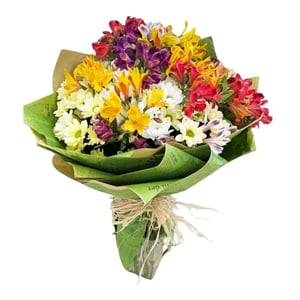
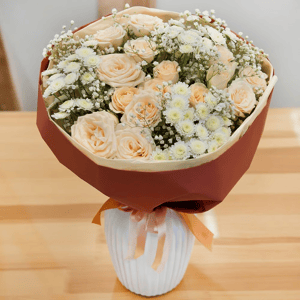
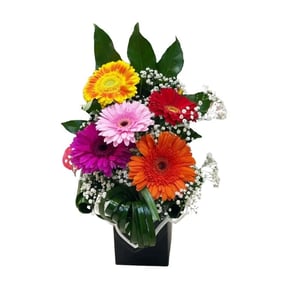
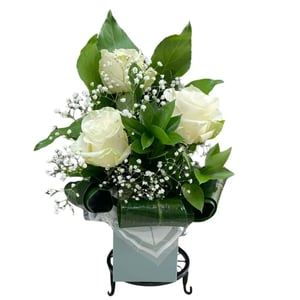
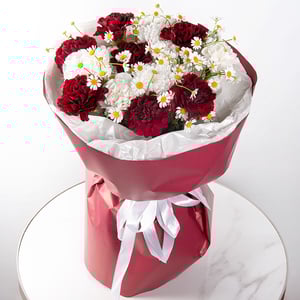
Browse fresh spring arrangements from local florists and pick the palette that fits your table or gift.
How to choose the right spring flowers for your yard
Choosing spring flowers to grow comes down to four practical factors. Ignore any of them, and you'll waste money.
Sunlight
Tulips, irises, and peonies need a minimum of 6 hours of direct sun. Bleeding hearts, lily of the valley, and primroses prefer 2–4 hours of dappled shade. Map your yard's sun exposure on a clear April day before you buy a single plant.
Soil drainage
Bulbs rot in soggy soil. Dig a 12-inch hole, fill the hole with water, and time how long the water takes to drain. Good drainage means the water disappears within 1 hour. Clay-heavy yards benefit from raised beds or a 2-inch layer of coarse sand mixed into the top 8 inches.
Deer and rabbit pressure
Deer eat tulips, crocuses, and lilies. Deer avoid daffodils, alliums, and fritillaria because those bulbs contain alkaloids. If you live near wooded areas, lean toward deer-resistant varieties and save yourself the frustration.
Cut-flower potential
Peonies last 7–10 days in a vase. Tulips last 5–7 days. Lilacs wilt within 3 days unless you split the stems with a knife before arranging. Pick spring flowers for your garden with cut-flower goals in mind, and you'll double the value of every planting bed.
Top 6 popular spring flowers: a closer look
Tulips
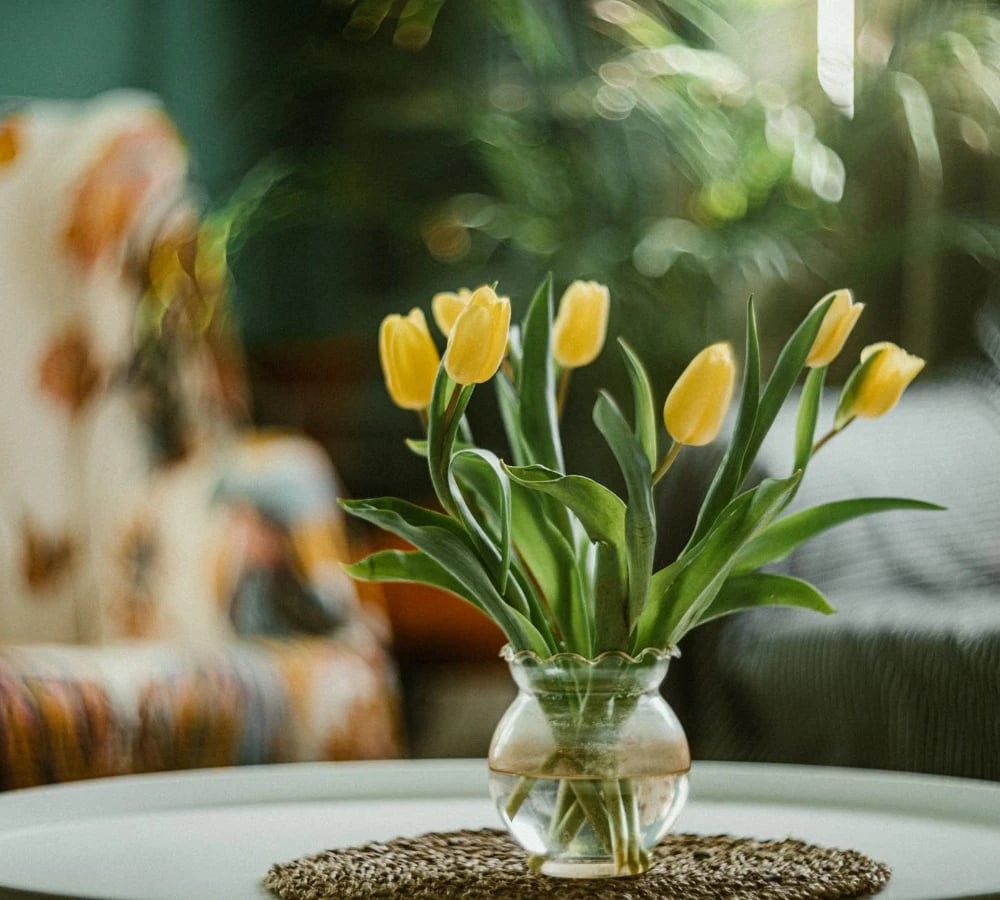
Tulips come in over 3,000 registered cultivars. Plant tulip bulbs 6 inches deep and 5 inches apart in October or November. Darwin Hybrid tulips stand 22–28 inches tall and hold up well in wind. Remove spent blooms but leave the foliage until the leaves yellow — the bulb stores energy for next year's show.
Daffodils
Daffodils belong to the genus Narcissus, which includes 13 divisions. Large-cupped varieties like 'Ice Follies' grow 16–18 inches tall. Miniature types like 'Tête-à-Tête' stay under 8 inches. Plant daffodil bulbs twice as deep as the bulb's height. A cluster of 7–9 bulbs creates a natural-looking drift.
Peonies
A single peony plant can live 100 years. These spring flowers bloom in late May across Zones 3–8 and produce blooms up to 10 inches across. Plant peony roots with the "eyes" (buds) no deeper than 2 inches below the soil surface. Deeper planting prevents flowering — this mistake trips up many gardeners.
Lilacs
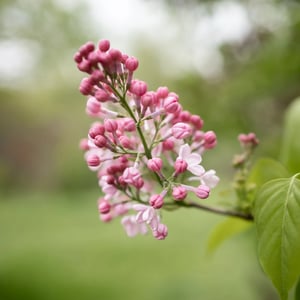
Common lilacs (Syringa vulgaris) bloom in mid-May and release one of the strongest floral scents in any garden. Mature shrubs reach 8–15 feet tall. Prune lilacs immediately after flowering ends — the plant sets next year's buds by July. The 'Sensation' cultivar features bicolor purple-and-white petals and stays compact at 8–10 feet.
Irises
Bearded irises bloom in May and June, and gardeners divide the rhizomes every 3–4 years to keep clumps healthy. Plant iris rhizomes at soil level — do not bury them. Each rhizome produces 1–3 flower stalks that reach 24–40 inches tall. 'Immortality' reblooms in September, giving you two seasons from one plant.
Hyacinths
Dutch hyacinths produce dense spikes of 40–60 tiny florets per stem. Plant hyacinth bulbs 6 inches deep in fall. The fragrance carries 15–20 feet on a warm April afternoon. After the first year, the flower spike shrinks, so many gardeners treat hyacinths as annuals and replant fresh bulbs each fall.
Common mistakes when growing spring flowers
Spring flowers to grow successfully need the right timing and technique. Watch out for these frequent errors:
- ✗Planting bulbs too shallow — squirrels dig up crocuses and tulips planted less than 4 inches deep.
- ✗Cutting foliage too early — removing daffodil leaves before June starves the bulb and kills next year's bloom.
- ✗Skipping fall planting — buying tulip bulbs in spring and planting them immediately produces zero flowers that year.
- ✗Overwatering peonies — wet crowns develop botrytis (gray mold), which destroys buds before they open.
- ✗Ignoring spacing — crowded iris rhizomes compete for nutrients and stop flowering within 2 years.
Care tips for a longer spring bloom season
You can stretch your spring flowers' display from 3 weeks to 3 months with simple techniques.
Deadhead tulips and daffodils as soon as petals drop. The plant redirects energy from seed production to bulb growth. Apply a slow-release 10-10-10 fertilizer at planting time and again when green shoots emerge. Water bulb beds once per week during dry spells — about 1 inch of water per session.
Mulch beds with 2 inches of shredded bark after the ground warms above 50 °F. Mulch keeps roots cool and retains moisture during late-spring heat waves. Pull mulch 2 inches away from peony and iris crowns to prevent rot.
Succession planting matters too. Combine early crocuses (March), mid-season tulips (April), and late peonies (June). Each group hands the color baton to the next.


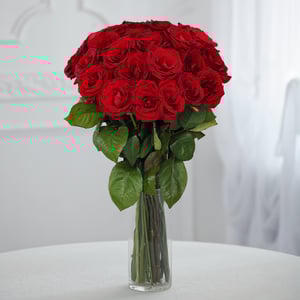
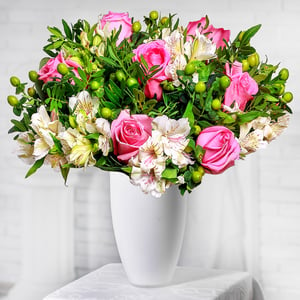
Popular spring flowers you can order for delivery
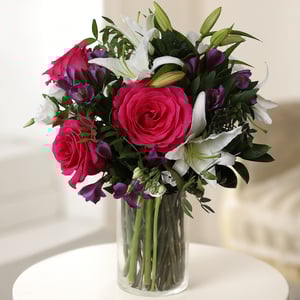
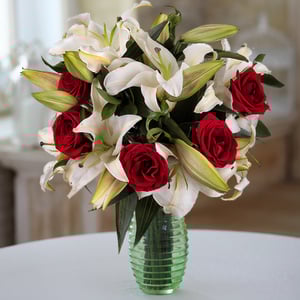
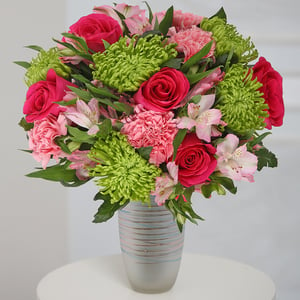
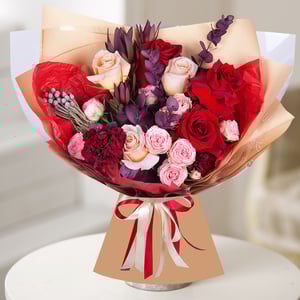
Not every gardener wants to dig. Popular spring flowers also make stunning bouquets and gifts. MyGlobalFlowers works with local florists who arrange seasonal bouquets featuring tulips, irises, peonies, and lilacs — all hand-delivered to your door. You pick the arrangement, and a nearby florist builds it with fresh stems.
Sending spring flowers to someone for Mother's Day (second Sunday in May), Easter, or a birthday? Choose tulips for a cheerful gesture or peonies for something luxurious. Place your order by noon EST for same-day delivery in most metro areas.
Your spring garden starts with one smart choice
Pick two or three flowers from this list and plant them well — that beats scattering a dozen varieties without a plan. My personal recommendation: start with daffodils and peonies. Daffodils reward you immediately, and peonies reward your grandchildren. A $15 bag of bulbs today creates a garden worth admiring for decades. What will you plant first?
Send spring flowers today
Choose an arrangement, add your message, and let a local florist hand-deliver it fresh.
FAQ about popular spring flowers
When should I plant spring flower bulbs in the US?▾
Plant spring-blooming bulbs (tulips, daffodils, crocuses, hyacinths) between late September and mid-November. Soil temperature should drop below 55 °F before planting. Gardeners in Zones 8–10 refrigerate bulbs for 8–10 weeks before planting in December or January.
Which spring flowers come back every year?▾
Daffodils, peonies, irises, crocuses, bleeding hearts, and lilacs return annually without replanting. Tulips technically qualify as perennials, but many hybrid tulips weaken after 1–2 years. Darwin Hybrid and species tulips offer the strongest repeat performance.
What spring flowers grow well in shade?▾
Bleeding hearts, lily of the valley, primroses, Virginia bluebells, and hellebores all bloom in partial to full shade. These varieties need fewer than 4 hours of direct sun daily. Lily of the valley spreads aggressively, so plant the species inside a barrier or raised bed to contain growth.
Are spring flowers safe for pets?▾
Lily of the valley, tulip bulbs, daffodil bulbs, and irises contain compounds toxic to dogs and cats. The ASPCA lists all four on its toxic plant database. Pansies, snapdragons, and sunflowers pose no known risk. Always verify a specific variety with your veterinarian before planting in a yard where pets roam.
How do I keep cut spring flowers fresh longer?▾
Trim stems at a 45-degree angle and change the vase water every 2 days. Add one teaspoon of sugar and three drops of bleach per quart of water. Keep the vase away from direct sunlight and fruit bowls — ripening fruit releases ethylene gas, which wilts petals faster. Fresh tulips last 5–7 days with proper care; peonies last up to 10 days.