 EUR
EUR
 GBP
GBP
 CAD
CAD
 AUD
AUD

 ✨Boss’s Day✨
 Birthday
 Occasions
 Same Day
 Flowers
 Roses
Roses
 Plants
 Gifts
Gifts
 International Flower Delivery
Snapdragon flower meaning and symbolism
Snapdragon flowers carry over 2,000 years of symbolic history — and knowing that history helps you pick the right bloom for every occasion. The genus Antirrhinum includes roughly 20 species, yet Antirrhinum majus dominates gardens, bouquets, and floral arrangements across the United States. Whether you want to decode what snapdragons symbolize or plan a snapdragon flower bed, this guide gives you the facts you need.
What is a snapdragon flower?
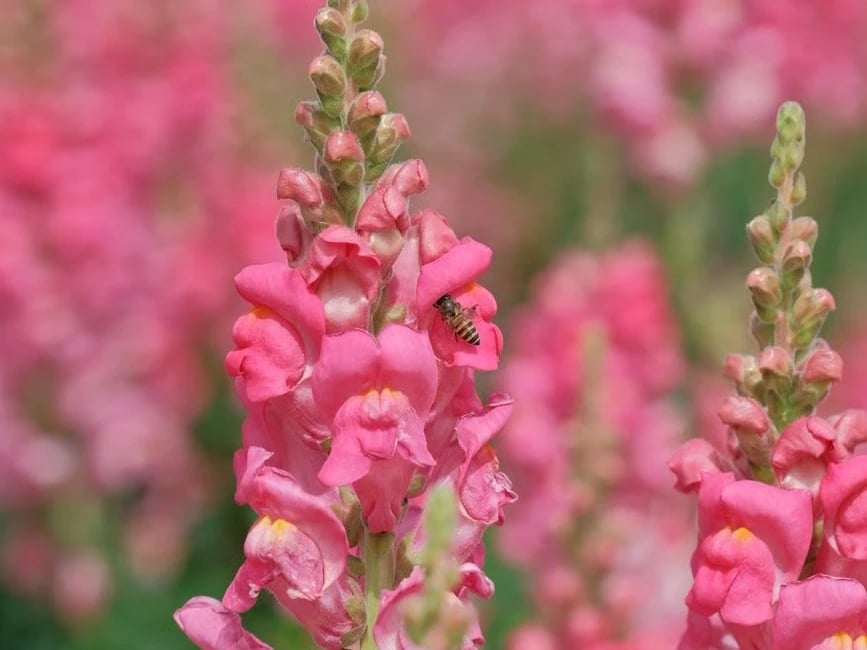
A snapdragon flower belongs to the family Plantaginaceae and grows as a short-lived perennial in USDA Hardiness Zones 7 through 10. Most U.S. gardeners treat snapdragons as cool-season annuals. The name "snapdragon" comes from the flower's jaw-like shape: squeeze the sides, and the "mouth" opens and snaps shut. Botanists trace the Latin name Antirrhinum to the Greek words anti (resembling) and rhin (nose).
Snapdragons range from 6 inches to 48 inches tall, depending on cultivar class. Dwarf varieties stay under 15 inches. Intermediate types reach 15 to 30 inches. Tall cultivars stretch beyond 30 inches and work well as cut flowers. Each stem produces multiple tubular blooms that open from the bottom up.
Snapdragon flower meaning through history
Snapdragon flower meaning shifts across cultures and centuries. Ancient Romans placed snapdragons at doorways to ward off evil spirits. During the Victorian era (1837–1901), giving someone a snapdragon conveyed deception — or, paradoxically, grace under pressure. The dual meaning reflected the flower's playful, almost mischievous appearance.
In medieval European folklore, people believed snapdragons could protect homes from curses. German gardeners hung dried snapdragon bundles above cradles. Spanish communities associated the flower with concealment and secrecy. These layered traditions still color snapdragon symbolism today.
What do snapdragons symbolize?
Snapdragon flower symbolism centers on five core themes. Each theme resonates differently depending on context, so match the meaning to your occasion.
- Grace and strength — snapdragons grow in rocky, difficult terrain across the Mediterranean, symbolizing resilience
- Protection — European folklore links snapdragons to guarding against negativity and ill will
- Deception and mystery — the "snapping" jaw suggests hidden truths beneath a beautiful exterior
- Graciousness — Victorian-era language of flowers (floriography) assigns elegance to snapdragon gifts
- Inner strength — modern florists recommend snapdragons for encouragement bouquets and get-well arrangements




Snapdragon color meanings: a quick reference
Snapdragon flowers bloom in nearly every color except true blue. Each hue carries a distinct message. Use this table to choose the right color for your bouquet or garden bed.
| Color | Symbolism | Best occasion |
|---|---|---|
| Red | Passion and energy | Romantic anniversaries |
| Pink | Affection and gentleness | Mother's Day (2nd Sunday in May) |
| White | Purity and innocence | Weddings and sympathy |
| Yellow | Joy and positivity | Congratulations and housewarmings |
| Purple | Spirituality and royalty | Milestone birthdays |
| Orange | Enthusiasm and warmth | Thanksgiving centerpieces |
| Burgundy | Depth and sophistication | Fall weddings (September–November) |
Are snapdragon flowers edible?
Yes — snapdragon flowers qualify as edible blossoms. Chefs across the U.S. use snapdragon petals to garnish salads, desserts, and cocktails. The flavor profile leans mildly bitter, similar to radicchio but softer. One important caveat: only eat snapdragons grown without pesticides or chemical fertilizers. Commercial flower farms often apply treatments unsuitable for consumption.
Farmers' markets in states like California, Oregon, and New York sell organic snapdragon petals from late spring through early fall. A small 2-ounce clamshell typically costs $4 to $6. You can also grow your own edible snapdragons from seed — expect germination within 10 to 14 days at soil temperatures between 65°F and 75°F.
Looking for a bouquet with vertical drama?
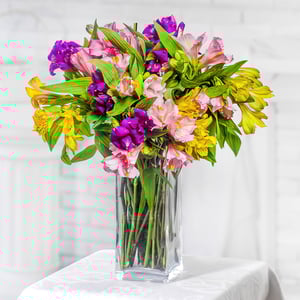
Browse bright mixed arrangements from local florists and choose a color story that fits your occasion.
Snapdragon flower bed ideas for your garden
Snapdragon flower bed ideas work best when you combine height classes for layered visual impact. Here are four proven layouts that U.S. gardeners use from Zone 5 through Zone 10.
Tiered border design
Place tall snapdragons (the 'Rocket' series, 30–36 inches) along the back of your bed. Fill the middle row with intermediate cultivars like 'Sonnet' (18–24 inches). Line the front with dwarf 'Floral Showers' (6–8 inches). This three-tier approach creates depth without blocking sightlines.
Cottage garden mix
Pair snapdragons with companion plants that share similar soil needs: foxglove, larkspur, and sweet William all thrive in the same well-drained, slightly acidic soil (pH 6.2 to 7.0). Stagger bloom times so your bed stays colorful from April through October.
Container clusters on patios
Dwarf and trailing snapdragon varieties excel in 12-inch pots. Group 3 to 5 containers near a south-facing wall for maximum sunlight — snapdragons need at least 6 hours of direct sun daily. Water containers every 2 to 3 days during summer heat.
Monochromatic statement bed
Choose a single color family — say, peach and bronze — and fill the entire bed with 'Twinny Peach' and 'Chantilly Bronze' cultivars. This approach creates a dramatic, cohesive look that photographs beautifully for Memorial Day gatherings or July 4th parties.
How to choose snapdragons for bouquets and arrangements
Snapdragon flowers add 8 to 12 inches of vertical drama to mixed arrangements. Florists prize tall-cut varieties because each stem holds 15 to 20 individual florets. Keep these selection tips in mind.
- Pick stems where the bottom third of blooms has opened and the top two-thirds remains in bud — this extends vase life to 7–10 days
- Combine snapdragons with round-shaped flowers like roses or ranunculus for contrast in form
- Match snapdragon color to your event palette using the symbolism table above
- Request locally sourced snapdragons from your florist during peak season (March through June, then September through November)
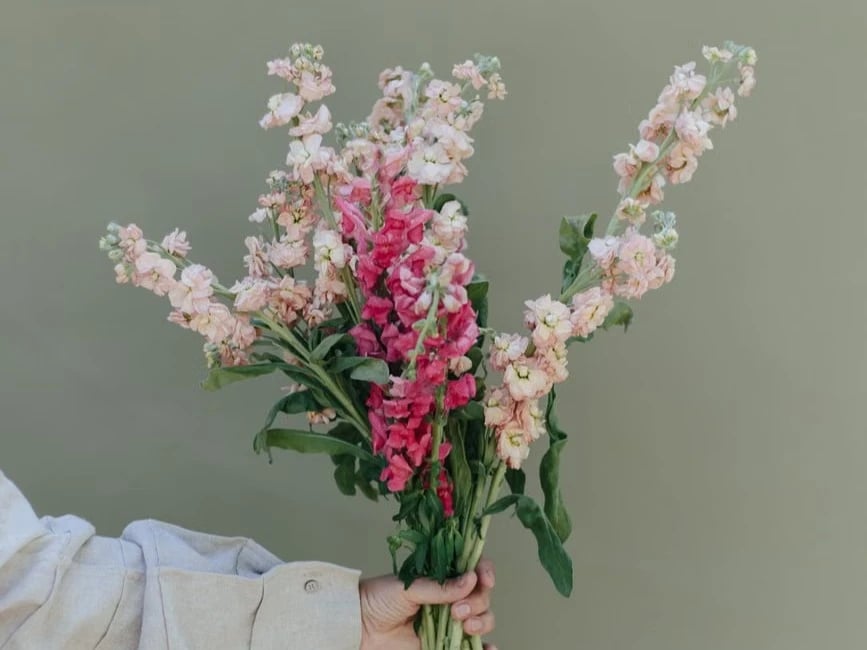
Common mistakes when buying or growing snapdragons
Snapdragon flowers frustrate beginners who skip a few critical steps. Avoid these pitfalls.
- ✗Planting too late in spring. Snapdragons prefer cool weather. Temperatures above 80°F cause bloom production to stall. Start seeds indoors 8 to 10 weeks before your last frost date, or buy transplants by mid-March in Zone 7 and warmer.
- ✗Overwatering. Soggy soil triggers root rot and fungal diseases like rust (Puccinia antirrhini). Water at the base of the plant. Keep foliage dry.
- ✗Ignoring deadheading. Spent flower stalks steal energy. Snap off faded spikes just above the next leaf node. Fresh lateral shoots will emerge within 5 to 7 days.
- ✗Skipping fertilizer. Snapdragons benefit from a balanced 10-10-10 fertilizer every 4 weeks during their active bloom cycle. Underfed plants produce shorter spikes with fewer florets.
Snapdragon care tips for cut flowers
Snapdragon flowers respond well to a few post-harvest techniques. Follow these steps to extend vase life beyond a week.
- Trim stems at a 45-degree angle under running water immediately after purchase
- Remove all leaves that fall below the waterline to prevent bacterial growth
- Add commercial floral preservative — or mix 1 teaspoon of sugar with 2 drops of bleach per quart of water
- Change the water every 48 hours and re-trim stems by half an inch
- Display the vase away from direct sunlight and ripening fruit, which releases ethylene gas
Snapdragons exhibit a unique trait: cut stems continue to grow toward light. Rotate your vase daily to keep stems upright rather than curved.
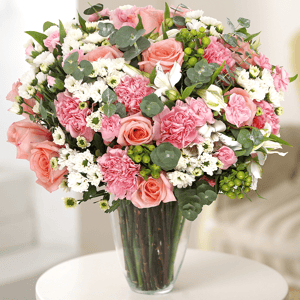
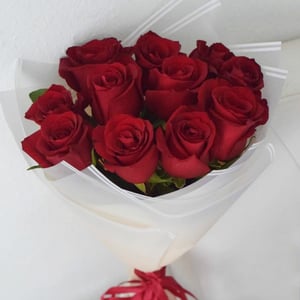
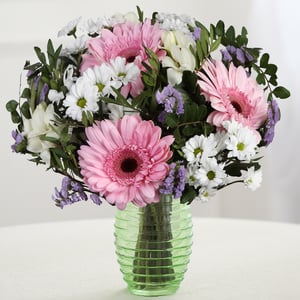

Who should you gift snapdragons to?
Snapdragon flowers suit recipients who appreciate symbolism and subtlety. A bouquet of pink snapdragons tells a mother "you inspire grace." Purple snapdragons honor a mentor's wisdom. White snapdragons accompany sympathy arrangements with quiet dignity.
Consider snapdragons for anyone recovering from a challenge. The flower's association with inner strength makes the gesture especially meaningful. Pair snapdragons with a handwritten note referencing the bloom's "strength" symbolism — your recipient will remember the thoughtfulness long after the petals fade.
Snapdragons punch above their weight. Few flowers pack this much meaning, versatility, and visual impact into a single stem — and even fewer let you eat the petals afterward. Next time you browse a flower market or plan a garden bed, give the humble snapdragon a closer look. You might find exactly the symbolism your occasion demands.
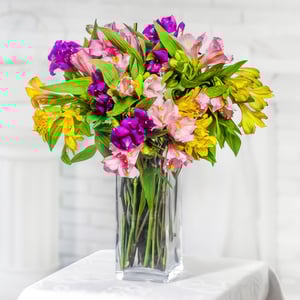
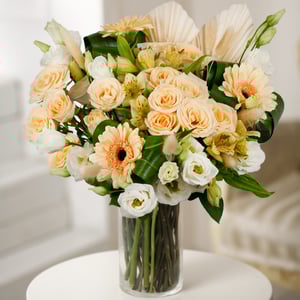
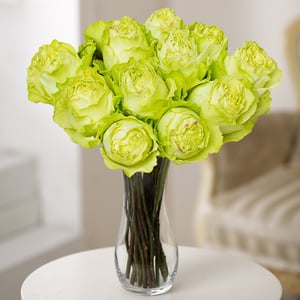
Send a bouquet with height and color
Pick a mixed arrangement, add a handwritten note, and let a local florist hand-deliver it fresh.
Frequently asked questions
Do snapdragons come back every year?▾
Snapdragons grow as short-lived perennials in Zones 7–10 and often self-seed in milder climates. Most U.S. gardeners replant annually for the strongest blooms. Expect volunteers (self-sown seedlings) to appear in established beds each spring.
What do snapdragons symbolize in a wedding bouquet?▾
Snapdragons in wedding arrangements symbolize grace, strength, and a touch of whimsy. Brides often choose white or blush-pink varieties to represent purity and affection. The tall spikes also add architectural height to cascading bridal bouquets.
Can you eat snapdragon flowers safely?▾
You can eat snapdragon petals grown without pesticides. The petals taste mildly bitter and add color to salads, cakes, and drinks. Always confirm the grower used food-safe cultivation methods before consuming any ornamental flower.
When is the best time to plant snapdragons in the U.S.?▾
Plant snapdragon transplants outdoors 2 to 4 weeks before your last expected frost. In southern states (Zones 8–10), fall planting in September or October yields blooms through winter. Northern gardeners (Zones 4–6) should set transplants out by mid-April.
How long do snapdragons last in a vase?▾
Fresh-cut snapdragons last 7 to 10 days with proper care. Change the water every 2 days, trim stems regularly, and keep the arrangement away from heat sources. Florists report that snapdragons outlast many other cut flowers when you maintain clean water.