EUR
 GBP
 CAD
 AUD

 Birthday
 Same Day
 Occasions
 Flowers
 Roses
 Plants
 Gifts
 International Flower Delivery
Snowdrop Flower Meaning & Symbolism
- ❄️ Snowdrop meaning centers on hope and renewal — the flower pushes through frozen ground as early as late January, making it the definitive birth flower for that month.
- 🌱 Victorian-era flower dictionaries assigned snowdrops the meaning of "consolation" and "friendship in adversity," and those associations still shape how people gift snowdrops today.
- 💡 A single snowdrop stem reaches only 3 to 4 inches tall, yet the flower carries centuries of folklore, from the biblical Garden of Eden to Romanian spring festivals celebrated on March 1.
The snowdrop flower meaning ties directly to hope — the kind you feel when winter finally loosens its grip. Galanthus, the snowdrop's botanical name, translates from Greek as "milk flower," and roughly 20 known species grow across Europe, western Asia, and naturalized pockets of the northeastern United States. You'll want to understand snowdrop symbolism whether you're choosing a January birthday gift, planning a winter arrangement, or simply curious about the story behind one of the world's earliest-blooming flowers. This guide breaks down the meanings, myths, and practical ways to bring snowdrops into your life.
What does the snowdrop flower mean?

Snowdrop flower meaning revolves around a handful of core ideas. Hope sits at the center. Purity follows close behind. Sympathy rounds out the trio most often cited in botanical reference books.
Here's the thing, though — context changes the emphasis. A snowdrop in a sympathy bouquet quietly says, "grief won't last forever." A snowdrop in a birthday arrangement for a January baby says, "fresh starts suit you." And a single snowdrop pressed into a letter — a gesture common in the 1800s — carried the message "I'm here even when times are hard."
Carl Linnaeus, the Swedish botanist, formally classified the common snowdrop as Galanthus nivalis in 1753. The species name nivalis means "of the snow." That naming decision captured the essence of the flower's identity: small, white, and stubbornly alive in freezing weather.
Snowdrop symbolism across cultures
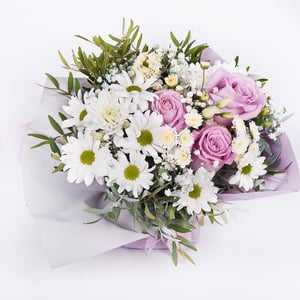

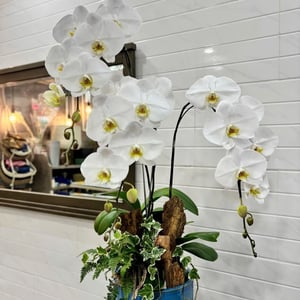
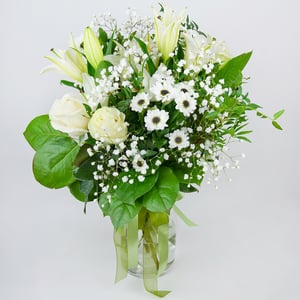
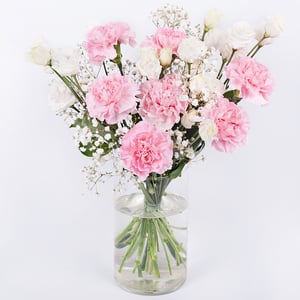

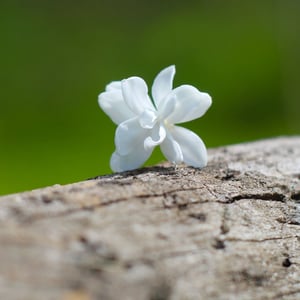
Snowdrop symbolism shifts depending on where you stand on the map.
Christian tradition
A popular legend places the snowdrop in the Garden of Eden. After the expulsion, Eve wept in the cold. An angel turned falling snowflakes into snowdrop blossoms to remind her that spring would come. This story gave the flower a second common name — "Eve's tears" — still referenced in British and German folklore today.
Romanian Mărțișor festival
Romanians celebrate Mărțișor on March 1 each year. The snowdrop (ghiocel in Romanian) serves as the festival's unofficial emblem. People exchange red-and-white string bracelets alongside snowdrop images to mark the arrival of spring.
Victorian flower language
During the 1800s, Victorians developed floriography — a coded system for expressing emotions through flowers. Kate Greenaway's 1884 book Language of Flowers listed the snowdrop under "hope" and "consolation." Sending a small bunch of snowdrops told the recipient: "I admire your courage during hard times."
British superstitions
Not all snowdrop folklore leans positive. In parts of rural England, bringing a single snowdrop indoors once carried a reputation for bad luck. Some communities believed the flower resembled a shroud and associated solitary indoor snowdrops with death omens. Bunches, on the other hand, attracted no such superstition. Odd distinction? Absolutely. But folklore rarely follows logic.
Snowdrop flower meaning and hope: why the connection runs deep
Snowdrop flower meaning and hope share a bond rooted in biology. The plant's growing behavior creates the metaphor all by itself.
Galanthus nivalis bulbs produce a natural antifreeze compound. This chemical — a type of lectin protein — lets the stem push through soil when ambient temperatures still hover near 28°F (–2°C). The flower literally breaks through ice. No poet invented that image. The plant does the work.
Gardeners in USDA Hardiness Zones 3 through 8 can grow snowdrops outdoors. The bulbs go into the ground in the fall, about 3 inches deep. By late January or early February (depending on your zone), green shoots appear. In colder zones like 3 and 4 — think Minnesota, northern Vermont — blooms may wait until early March. Warmer Zone 7 and 8 gardens in the mid-Atlantic or Pacific Northwest often see January flowers.
That timeline matters. When almost nothing else blooms, the snowdrop shows up. Hope is hard to argue with when you watch it happen in your own yard.
Snowdrop as the January birth flower

The snowdrop holds the title of January birth flower alongside the carnation. Both flowers share the month, but the snowdrop often gets top billing in European and American floral traditions.
Why January?
The snowdrop blooms earlier than almost any other flowering plant in the Northern Hemisphere. January marks the flower's natural peak in milder climates. The National Garden Bureau — a U.S.-based nonprofit promoting gardening — has featured the snowdrop in its educational materials as a cold-hardy bulb suited for early-season color.
Gift ideas for January birthdays
You can honor someone born in January with snowdrop-themed gifts in several ways:
- Potted snowdrop bulbs ready to bloom on a windowsill
- Snowdrop-print stationery or art prints by botanical illustrators
- Sterling silver snowdrop pendant necklaces (popular with jewelers in the $30–$80 range)
- A framed vintage botanical plate — 19th-century lithographs of Galanthus sell for $15–$50 on antique marketplaces
- Live snowdrop clumps transplanted into a garden bed (best gifted in early fall for spring blooms)
The January birth flower snowdrop makes a thoughtful present precisely because few people expect it. Carnations dominate the commercial market. A snowdrop gift stands out.
Snowdrop color meanings





Snowdrops bloom almost exclusively in white. Pure white. That simplicity narrows color-meaning discussions, but a few nuances exist.
White petals: Purity, innocence, fresh starts. The white aligns with January's clean-slate energy — New Year, new beginnings.
Green markings: Each snowdrop petal carries a small green or yellowish-green mark near the tip. In floriography, green signals rebirth and vitality. The tiny green heart on a snowdrop's inner petals reinforces the flower's message of renewal.
Yellow variants: A handful of rare cultivars, like Galanthus nivalis 'Sandersii Group,' display yellow markings instead of green. British galanthophiles (yes, that's the real term for snowdrop collectors) pay up to £1,500 — roughly $1,900 — for a single rare bulb. The yellow marking adds a meaning layer of warmth and rarity to the standard snowdrop symbolism.
Snowdrops in medicine and folklore remedies
Send a little hope when it matters
Snowdrop symbolism is all about hope and renewal — a thoughtful flower gift can carry that message beautifully.
Snowdrops carry a compound called galantamine. Pharmaceutical researchers first isolated galantamine from Galanthus woronowii (a Caucasian species) in the 1950s. The FDA approved galantamine in 2001 under the brand name Razadyne for treating mild-to-moderate Alzheimer's disease symptoms.
A quick caution: raw snowdrop bulbs contain toxic alkaloids. Never eat or brew snowdrop parts at home. The medicinal compound requires laboratory extraction and precise dosing.
In Bulgarian folk medicine, locals once used snowdrop extracts to treat nerve pain. That tradition likely led researchers toward the galantamine discovery. The flower's healing history adds another layer to the snowdrop meaning — endurance, resilience, and hidden strength inside a delicate exterior.
How to grow snowdrops in the United States
Snowdrop meaning hits differently when you grow the flower yourself. Here's how to do it well in a U.S. garden.
Planting steps
- Buy bulbs "in the green" — freshly lifted with leaves still attached — in late winter or early spring
- Plant each bulb 3 inches deep and 3 inches apart in well-drained soil
- Choose a spot under deciduous trees or along a north-facing wall
- Water lightly after planting and let rain handle the rest
- Avoid fertilizing at planting time — snowdrops prefer lean soil
Climate tips by region
Northeast (Zones 5–6): Snowdrops naturalize easily. Expect blooms in February. Mulch lightly with leaf litter in December.
Southeast (Zones 7–8): Plant bulbs in shaded areas. Southern heat can shorten bloom time to about 2 weeks.
Midwest (Zones 4–5): Snow cover actually helps insulate bulbs. Don't brush snow away from planting areas.
Pacific Northwest (Zones 7–8): Cool, damp winters suit snowdrops perfectly. The region's mild climate can produce blooms as early as mid-January.
Southwest (Zones 9–10): Snowdrops struggle in hot, dry climates. Try potted bulbs in a refrigerator for 10–12 weeks of cold stratification before planting in a shaded container.
Common growing mistakes
- Planting dry bulbs from a bag — dried snowdrop bulbs have low germination rates compared to "in the green" transplants
- Choosing a sun-scorched spot — full afternoon sun dries out bulbs quickly
- Mowing over foliage too early — let leaves yellow and die naturally so the bulb stores energy for next year
- Overwatering in summer — snowdrop bulbs need a dry dormancy period from June through September
Snowdrops for sympathy, remembrance, and memorial occasions
Snowdrop meaning carries particular weight in times of loss. The flower's association with consolation makes snowdrops a thoughtful addition to sympathy gestures.
In the UK, Snowdrop Day ceremonies take place each February at dozens of churches and gardens. Colesbourne Park in Gloucestershire — home to one of England's largest snowdrop collections, with over 350 named varieties — hosts an annual snowdrop walk that draws thousands of visitors.
In the United States, snowdrops appear less frequently in commercial sympathy bouquets. Local florists rarely stock cut snowdrops because the stems measure only 3 to 4 inches and wilt within 2 to 3 days after cutting. A potted snowdrop plant or a snowdrop-themed memorial card works better for American sympathy occasions. You could also plant bulbs in memory of someone — the flowers return each year without replanting.
How snowdrops fit into winter flower arrangements
Cut snowdrops have a vase life of roughly 3 days. Short. But that brevity adds charm — the arrangement feels fleeting and precious, like the season itself.
Pairing suggestions
- Snowdrops + hellebores (Lenten roses): both bloom in late winter, and hellebore stems add height
- Snowdrops + pussy willows: a textural contrast that suits minimalist décor
- Snowdrops + grape hyacinths (Muscari): blue and white together create a crisp late-winter palette
- Snowdrops + winter jasmine: yellow jasmine brightens the white snowdrop cluster
- Snowdrops + moss and bark: a woodland-style terrarium arrangement that lasts longer than cut stems
Care steps for cut snowdrops
- Trim 1/4 inch from the stem base with sharp scissors
- Place stems in cool water — around 40°F if possible
- Set the vase in the coolest room of your house, away from heating vents
- Change the water daily
- Skip flower food — snowdrops don't respond well to commercial preservatives
Snowdrop tattoo and art symbolism
Snowdrop flower meaning extends beyond gardens and bouquets. Tattoo artists report steady demand for snowdrop designs, especially from people born in January or those commemorating a personal struggle.
A 2023 survey by Tattoodo — a platform connecting over 30,000 tattoo artists globally — found that botanical tattoos ranked among the top 5 requested categories. Snowdrops fit neatly into the fine-line, minimalist style trending across U.S. tattoo studios. The flower's slender profile works well on wrists, ankles, and behind the ear.
In visual art, snowdrops appear in paintings by 19th-century English watercolorists. The Royal Horticultural Society's Lindley Library in London holds over 40 botanical illustrations featuring Galanthus species, some dating back to the 1700s.
Your turn to bring snowdrop meaning into daily life
Looking for a gentle gesture?
Choose a soft arrangement for someone who could use comfort, encouragement, or simply know they are remembered.
A 3-inch flower with a 2-week bloom window carries enough symbolism to fill centuries of poetry, folklore, and folk medicine. That imbalance between size and significance — that's the whole point. Snowdrops prove that showing up matters more than showing off. Plant a handful of bulbs this fall, gift a snowdrop pendant to your January-born friend, or simply notice the first green shoots poking through mud next winter. What will the snowdrop's message of hope mean for your year ahead?