 EUR
EUR
 GBP
GBP
 CAD
CAD
 AUD
AUD

 Birthday
 Same Day
 Occasions
 Flowers
 Roses
Roses
 Plants
 Gifts
Gifts
 International Flower Delivery
Tennessee's State Flower: Iris
- 🌼 The Tennessee state flower has one of the most surprising origin stories of any state symbol in America.
- 💡 The Tennessee General Assembly adopted the iris as the official cultivated state flower in 1933, and the bloom has represented the Volunteer State ever since.
- 🌸 Browse iris-inspired arrangements and send a piece of Tennessee to someone you love at MyGlobalFlowers.
The Tennessee state flower has one of the most surprising origin stories of any state symbol in America. Picture this: it's 1919, and schoolchildren across Tennessee cast their votes to pick a flower that represents the Volunteer State. The Nashville Banner published a list of favorites on January 26, 1919 — daisy, red clover, rose, water lily, elder bloom, goldenrod, wild rose, sunflower, and violet. The winner? The passion flower, which wasn't even on that list. Kids wrote it in, and it won by sheer grassroots enthusiasm. But the story didn't end there. Nashville soon earned the nickname "Iris City," a passionate campaign changed everything, and Tennessee's floral identity took a turn nobody expected.
In this article, you'll learn the official Tennessee state flower name, the fascinating history behind the iris and the passion flower, what Tennessee's state bird and tree are, practical growing tips for Tennessee's climate, and how to celebrate your Tennessee pride with fresh blooms. And if you want to send flowers to someone in Tennessee, MyGlobalFlowers, an international flower delivery service, connects you with local florists who hand-deliver gorgeous arrangements to doorsteps across the state.
Let's dig into the full story.
What is the Tennessee state flower?
The Tennessee state flower is the iris, a stunning perennial belonging to the family Iridaceae. The Tennessee General Assembly adopted the iris as the official cultivated state flower in 1933, and the bloom has represented the Volunteer State ever since.
But here's the thing — Tennessee doesn't stop at just one flower. The state also recognizes two official state wildflowers: the passion flower (Passiflora incarnata), which legislators reclassified from state flower to state wildflower in 1973, and the Tennessee echinacea (Echinacea tennesseensis), one of the rarest wildflowers in the entire country.
Fun fact: Tennessee boasts more official state symbols than any other US state — over 30 of them. From the state fruit (yes, the tomato) to the state gem (the pearl) to the state insect (the firefly), Tennessee takes its symbols seriously. The iris sits at the heart of that collection, a flower that captures the elegance and resilience the state prides itself on.
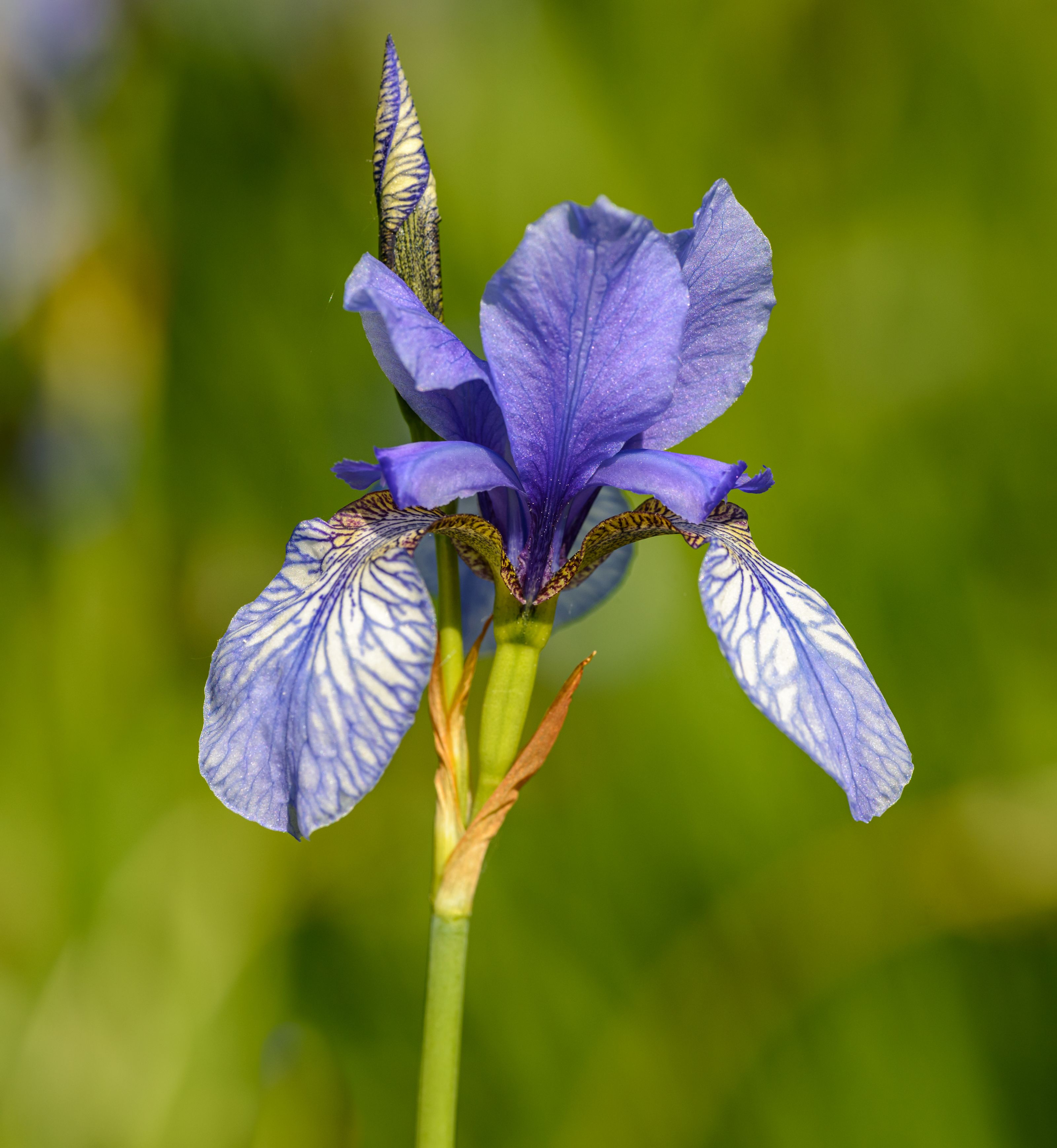
The Tennessee state flower iris — history and meaning
How the iris became Tennessee's state flower
The Tennessee state flower journey started with schoolchildren and ended with iris enthusiasts who simply refused to give up.
In 1919, Tennessee students chose the passion flower as the state's representative bloom. The vote caught many people off guard because the passion flower didn't appear on the Nashville Banner's published list of favorites. Students wrote it in as a wild-card entry, and the passion flower earned enough votes to win.
Meanwhile, Nashville was developing a love affair with irises. Garden clubs across the city planted irises in public parks, private yards, and along boulevards. Nashville earned the nickname "Iris City," and local iris societies gained influence. Enthusiasts organized garden tours. They held iris exhibitions. They lobbied legislators. The campaign built momentum for over a decade.
In 1933, the Tennessee General Assembly formally adopted the iris as the official cultivated state flower. The passion flower didn't disappear — legislators honored the original 1919 vote by reclassifying the passion flower as the official state wildflower in 1973. Later, Tennessee added the rare Tennessee echinacea as a second state wildflower, creating a trio of floral symbols that tells the full story of the state's botanical heritage.
Symbolism of the iris
The iris carries deep symbolism that resonates with Tennessee's character. This flower represents faith, wisdom, hope, and valor — qualities that connect naturally to a state whose motto is "Agriculture and Commerce." Tennessee built its identity on cultivating the land and building community, and the iris embodies that same spirit of purposeful growth.
Irises thrive across all three Grand Divisions of Tennessee — East, Middle, and West. You'll find tall bearded irises blooming in Knoxville gardens, Siberian irises lining pathways in Nashville, and Louisiana irises flourishing in the wetter soils near Memphis. The flower doesn't play favorites with geography. These perennials adapt, persist, and reward patient gardeners with spectacular spring displays no matter which corner of the state you call home.
Honestly, the iris feels like a perfect match for Tennessee. The bloom is bold without being showy, elegant without being fragile — much like the state itself.
Tennessee's state wildflowers — passion flower and coneflower
Passion flower (Passiflora incarnata)
The Tennessee state flower story can't be told without honoring the passion flower, the original winner of that 1919 student vote.
The passion flower is one of the most visually striking wildflowers in North America. Each bloom measures 3–5 inches across and features intricate, fringed filaments in shades of purple, white, and lavender. The flower looks almost otherworldly — like something designed by an artist rather than evolved by nature.
Passiflora incarnata grows natively across the southeastern United States. These vigorous vines bloom from May through September, producing fruit (called maypop) that Indigenous peoples and early settlers used for food and medicine. Herbalists have long valued the passion flower for its calming properties, and modern research continues to explore the plant's potential for reducing anxiety and improving sleep.
You can spot wild passion flowers along roadsides, fence lines, and forest edges throughout Tennessee. The vine climbs aggressively and can cover a trellis in a single growing season, making the passion flower both a wildflower and a garden performer.
Tennessee echinacea (Echinacea tennesseensis)
The Tennessee state flower family includes one member with a dramatic survival story: the Tennessee echinacea, also called the Tennessee coneflower.
This wildflower is one of the rarest in the United States. Echinacea tennesseensis grows only in the cedar glades of central Tennessee — a specialized limestone habitat found nowhere else on Earth. The plant produces pinkish-purple petals that droop slightly upward (unlike the downward-drooping petals of common purple coneflower), and the blooms appear from June through September.
Here's what surprises most people: the US Fish and Wildlife Service once listed the Tennessee coneflower as a federally endangered species. Habitat destruction and urban development pushed the plant to the brink. Conservation groups, state agencies, and private landowners worked together to protect remaining populations and restore cedar glade habitats. The collaborative effort succeeded so well that the federal government removed the Tennessee coneflower from the endangered species list in 2011.
The recovery of Echinacea tennesseensis stands as one of the great conservation victories in American botany. Tennessee designated the coneflower as an official state wildflower to honor both the plant's uniqueness and the community effort that saved it from extinction.
Tennessee state bird and flower — a quick comparison
The Tennessee state flower and state bird share more than a home state — they share a birthday. The Tennessee General Assembly adopted both the iris and the mockingbird (Mimus polyglottos) as official state symbols in 1933.
The mockingbird earned its status through pure charisma. This medium-sized songbird can mimic over 200 different sounds, from other bird calls to car alarms to squeaky gates. Tennessee also recognizes the bobwhite quail as its official state game bird, giving the state two avian ambassadors.
A beautiful parallel connects these symbols: both the mockingbird and the iris represent resilience and adaptability. Mockingbirds thrive in urban parks, suburban yards, and rural farmland. Irises grow in clay soil, rocky gardens, and rain-soaked lowlands. Neither one demands perfect conditions — both simply show up and flourish.
And here's a nice bonus for Tennessee gardeners. Mockingbirds frequently visit gardens where irises and coneflowers grow. The coneflower seed heads attract the birds in late summer and fall, creating a natural pairing of Tennessee's state symbols right in your own backyard. Plant irises and coneflowers together, and don't be surprised when a mockingbird moves in to serenade you.
Tennessee state tree and flower — the full symbol family
The Tennessee state flower looks even more meaningful when you see how the state's symbols fit together as a family.
Tennessee's official state tree is the tulip poplar (Liriodendron tulipifera), one of the tallest hardwood trees in eastern North America. Tulip poplars grow fast, reach heights of 80–120 feet, and produce distinctive tulip-shaped flowers in spring. The blooms feature greenish-yellow petals with orange bands at the base — a subtle beauty you often miss unless you look up. The state also designates the eastern red cedar as its official state evergreen tree.
Together, the tulip poplar, the iris, and the mockingbird paint a vivid picture of Tennessee's natural identity. The tulip poplar provides the towering canopy. Irises carpet the ground beneath with color. Mockingbirds fill the air with song. Each symbol captures a different layer of the landscape, from the forest floor to the treetops.
Tennessee's love for symbols goes far beyond the big three. Here's a quick look at some of the state's most memorable official designations:
The raccoon serves as Tennessee's state wild animal
The firefly holds the title of state insect
The zebra swallowtail represents the state as its official butterfly
The limestone carries the designation of state rock
The pearl shines as the state gem
The tomato claims the role of state fruit — yes, Tennessee officially classifies the tomato as a fruit
With over 30 official symbols, Tennessee celebrates its natural heritage more comprehensively than any other state in the nation.
Looking for mixed bouquets?
Browse mixed bouquets from local florists and pick one that suits the moment.
How to grow irises in Tennessee — practical tips
The Tennessee state flower thrives in its home state, but only if you give irises what they need. Tennessee's humid subtropical climate (USDA hardiness zones 6a through 8a) creates both opportunities and challenges for iris growers. Here's your complete guide.
Best planting time
Plant iris rhizomes in late summer to early fall — August through October works best across most of Tennessee. Planting during this window gives roots time to establish before winter dormancy. Avoid planting in spring when the soil stays wet and cool, especially in Tennessee's clay-heavy regions.
Soil preparation
Tennessee's native soil tends to be heavy red clay, and irises demand well-drained ground. Amend your planting bed with compost and perlite to improve drainage and aeration. Aim for slightly acidic to neutral soil — a pH between 6.0 and 7.0 works well. Raised beds solve drainage problems in areas with particularly stubborn clay.
Sunlight and spacing
Give your irises at least 6 hours of direct sunlight daily. Full sun produces the strongest stalks and the most vibrant blooms. Space rhizomes 12–18 inches apart, and position each rhizome so the top sits slightly exposed above the soil surface. Burying rhizomes too deep is one of the most common planting mistakes and leads directly to rot.
Watering
Water deeply at planting time, then reduce watering as the plants establish. Irises hate soggy feet. Tennessee's humid summers deliver plenty of rainfall, so supplemental watering is rarely necessary once plants settle in. Overwatering in July and August creates ideal conditions for bacterial soft rot — a problem that plagues Tennessee iris gardens every year.
Dividing
Divide iris clumps every 3–4 years in late summer. Overcrowded rhizomes compete for nutrients and stop producing flowers. Dig up the entire clump, separate healthy rhizomes with a clean knife, discard any soft or diseased sections, and replant the divisions at proper spacing.
Common mistakes to avoid
Planting rhizomes too deep leads to rot and poor blooming
Overwatering during Tennessee's humid summers invites bacterial soft rot and fungal disease
Skipping the division schedule causes overcrowding and bloom failure
Ignoring iris borers allows larvae to tunnel through leaves and rhizomes — inspect foliage in early spring and remove any affected leaves immediately
Follow these steps, and your irises will reward you with stunning blooms every spring. Tennessee's climate actually suits irises beautifully once you account for the humidity and clay.
How to care for cut irises after delivery
The Tennessee state flower makes a breathtaking cut flower, whether you receive a pure iris bouquet or a mixed arrangement featuring irises alongside lilies, roses, or snapdragons. Here's how to keep your delivered irises looking fresh as long as possible.
Trim 1 inch off each stem at a 45-degree angle using clean, sharp scissors
Fill a clean vase with room-temperature water — avoid ice-cold water, which shocks the stems
Add the flower food packet that comes with your bouquet to nourish the blooms
Remove any leaves that sit below the waterline to prevent bacterial growth
Change the water every two days to keep the arrangement fresh
Keep the vase away from direct sunlight, heating vents, and fruit bowls (ripening fruit releases ethylene gas, which ages flowers faster)
One important note for Tennessee specifically: during the warmer months from May through September, change the water daily instead of every two days. Tennessee's heat and humidity accelerate bacterial growth in vase water. Keep your flowers in the coolest room of your home — away from south-facing windows and definitely not on that sunny porch, no matter how pretty the arrangement looks there.
With proper care, cut irises typically last 5–7 days. Each bloom opens in stages, so you'll enjoy watching new petals unfurl over several days. That gradual reveal is part of what makes irises such a satisfying flower to have in your home.
When to send irises and Tennessee-inspired bouquets
The Tennessee state flower fits beautifully into nearly every occasion on the calendar. Here are the best moments to send iris arrangements to someone you love — especially if that someone lives in the Volunteer State.
Mother's Day (second Sunday of May) — irises bloom right on schedule, making the state flower a perfectly timed gift for Tennessee moms
Memorial Day — purple irises carry a message of honor and remembrance, ideal for marking this solemn holiday
Graduation season (May through June) — celebrate Tennessee grads with a bouquet featuring their state flower
Birthdays — irises pair with February birthdays (the flower carries a traditional association with the month) and suit anyone born in the Volunteer State
Sympathy and condolences — white and blue irises convey peace, dignity, and quiet comfort
Tennessee Statehood Day (June 1) — mark the anniversary of Tennessee joining the Union in 1796 with a bouquet that celebrates state pride
Housewarming — gift a potted iris so the new homeowner can plant a garden that grows alongside the home
July 4th — red, white, and blue iris varieties make a patriotic statement
Local florists craft each arrangement by hand using the freshest seasonal blooms available. Each bouquet reflects the florist's artistry and the day's flower supply, so the arrangement may vary slightly from the photos you see online. That's actually a wonderful thing — your gift becomes a one-of-a-kind, hand-crafted creation rather than a factory-produced copy.
The system calculates the delivery fee at checkout depending on your location and the arrangement you choose. Order before noon local time for the best same-day delivery availability.

Celebrating Tennessee pride with flowers
The Tennessee state flower connects you to a rich tradition of natural beauty, civic pride, and community celebration. Whether you live in Tennessee or want to send flowers to someone who does, irises and iris-inspired arrangements bring that connection to life in a tangible, fragrant way.
MyGlobalFlowers partners with local florists across Tennessee — in Nashville, Memphis, Knoxville, Chattanooga, and smaller towns alike. You can order from anywhere in the US and have a local florist hand-deliver a fresh arrangement directly to your recipient's door. Flower delivery in Nashville, flower delivery in Memphis, flower delivery in Knoxville — the network covers the state so you don't have to worry about geography.
I always find it fascinating how a single flower can carry so much meaning. An iris arrangement sent to a Tennessee native isn't just a bouquet — it's a nod to "Iris City," to those schoolchildren who voted in 1919, to the garden clubs that shaped a state's identity, and to the natural beauty that grows wild and cultivated across all three Grand Divisions.






Conclusion
Tennessee's state flower story shows how a state's identity evolves — and how regular people shape that identity through passion and persistence. Schoolchildren chose the passion flower in 1919. Nashville's iris lovers campaigned for over a decade. Legislators honored both traditions. Conservationists saved the Tennessee echinacea from extinction. Each chapter added depth to the Volunteer State's botanical heritage.
The iris doesn't just sit in Tennessee's official record books. These perennials bloom every spring across the state's gardens, parks, and roadsides, reminding Tennesseans of the beauty that grows in their own soil.
Which Tennessee bloom speaks to you — the elegant iris, the exotic passion flower, or the rare coneflower?
Browse iris-inspired arrangements and send a piece of Tennessee to someone you love at MyGlobalFlowers.
Send flowers today
Choose a bouquet, add a message, and a local florist hand-delivers it.